
Thai Cat Breed Guide
Quick Summary
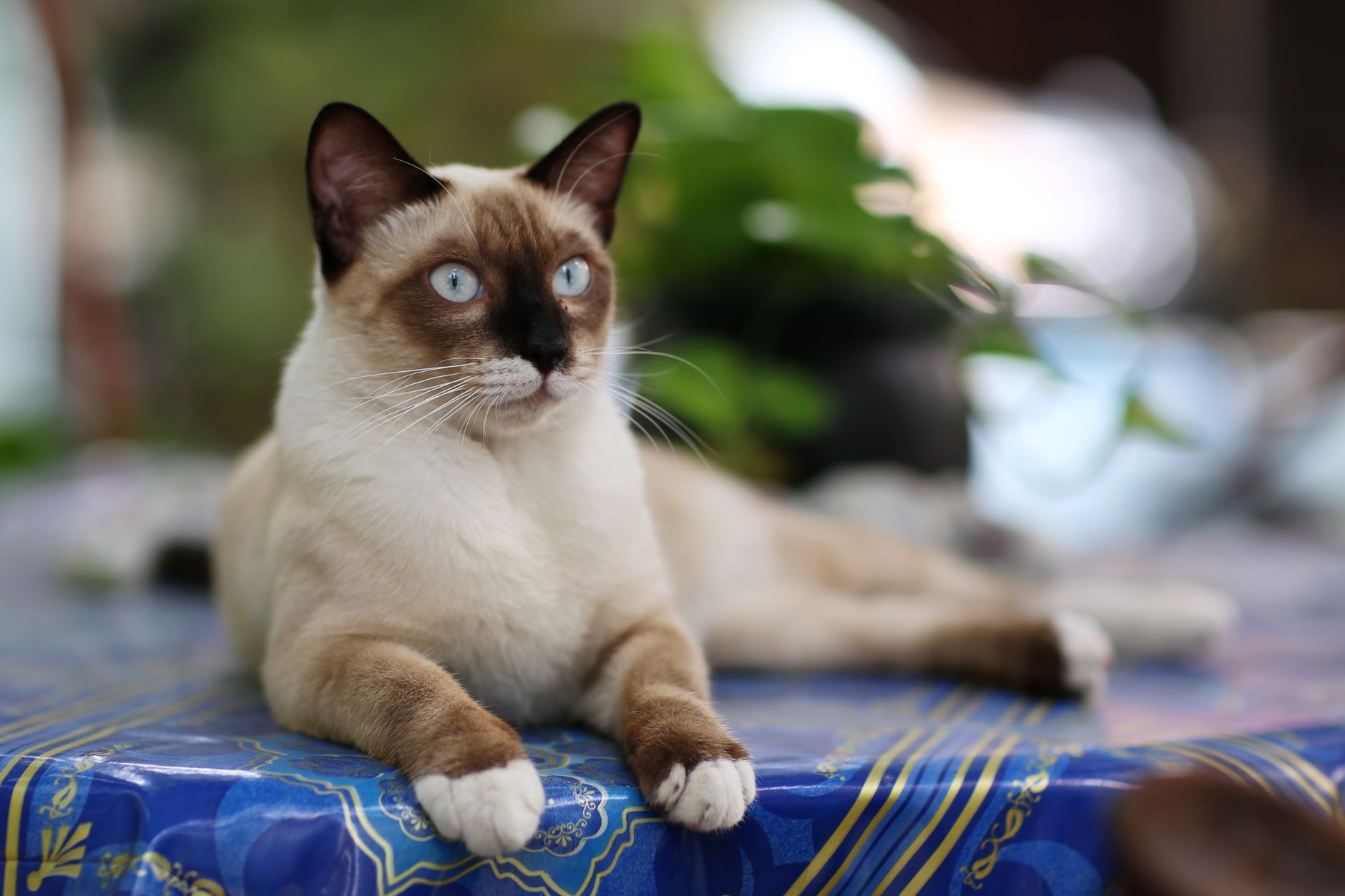
The Thai Cat, or ‘Wichien Maat’, is an intensely loyal, highly vocal, and brilliant companion that acts more like a devoted pup than an aloof feline. Best suited for active households where they will receive ample attention, these affectionate cats thrive on human interaction and interactive play.
Quick Facts
- origin countryThailand
- breed groupShorthair / Pointed
- sizeMedium
- weight range8 to 15 pounds
- height range10 to 12 inches
- lifespan12 to 16+ years
- coat typeShort, fine, lying close to the body
- common colorsSeal Point, Blue Point, Chocolate Point, Lilac Point
- other namesWichien Maat, Traditional Siamese, Old-Style Siamese
- recognized byTICA, FIFe, WCF
Caring for a Thai Cat
In my years treating this breed, I’ve learned that living with a Thai Cat is like having a highly inquisitive toddler who never grows up. They demand to be involved in every household activity, from supervising your morning routine to sitting directly on your laptop keyboard. Because they are deeply social, they can easily suffer from separation anxiety if left alone for typical workdays. Providing them with vertical space, scratching posts, and a companion animal is crucial for keeping their brilliant minds occupied.
Is a Thai Cat a good family pet?
Yes, they are outstanding family pets. In my practice, I find Thai Cats are exceptionally tolerant of gentle children and actively seek out family games, happily snuggling with anyone willing to offer a warm lap.
Do Thai Cats shed a lot?
No, they have a single coat with virtually no undercoat, meaning shedding is very minimal. A quick weekly brush with a rubber curry glove is usually all that is needed to keep their coat sleek and shiny.
Is a Thai Cat good for first-time owners?
They can be, but only if the owner is prepared for their high-maintenance emotional needs. If you expect a quiet, independent cat that sleeps all day, a Thai Cat will quickly overwhelm you with its voice and constant need for interaction.
Temperament & Personality
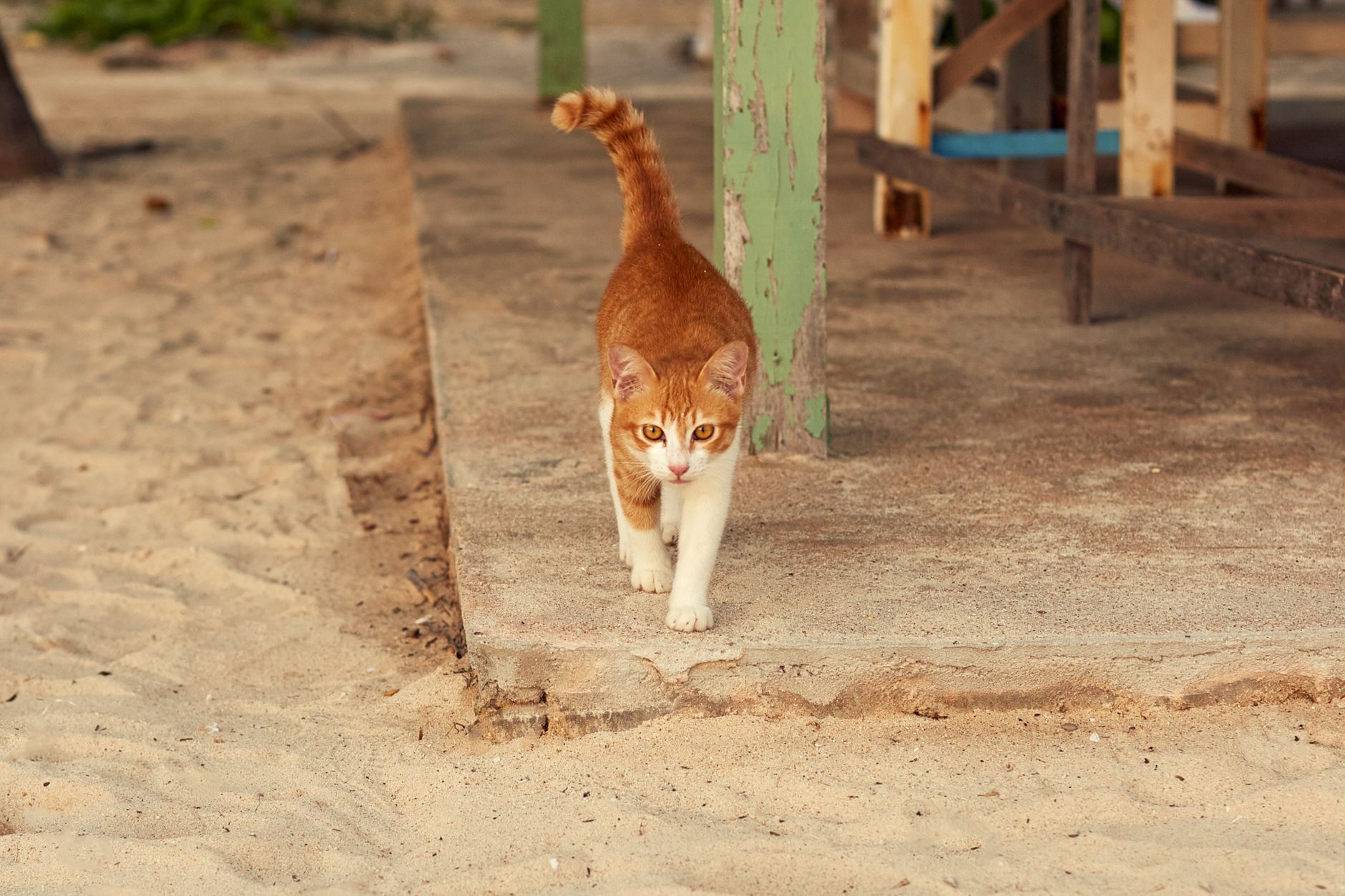
The Thai Cat’s personality is legendary: they are intensely loyal, highly vocal, and incredibly active. What I see most often in practice is that owners are unprepared for how incredibly conversational this breed is; they don’t just meow, they yell, chirp, and discuss everything with a raspy voice. They form intense, dog-like bonds with their chosen humans and will follow you from room to room just to stay close.
Is a Thai Cat good with other pets?
Yes, they generally thrive in multi-pet households, especially with other high-energy cats or cat-friendly dogs. In fact, I often recommend that owners adopt them in pairs to prevent boredom and loneliness when the household is busy.
How much attention does a Thai Cat need?
They need a significant amount of daily interaction and do not tolerate neglect. Expect to spend at least an hour or two each day in direct play, clicker training, or active cuddling to keep them mentally stable.
Training & Behavior
I always tell owners to treat training as a daily requirement rather than an optional hobby to prevent mischief. With their high intelligence, Thai Cats are exceptionally trainable and often learn tricks faster than many dog breeds. They respond beautifully to positive reinforcement and clicker training, which I highly recommend to channel their mental energy away from opening cabinets or clearing off countertops.
Training Tips
- Use clicker training with high-value treats like freeze-dried chicken
- Teach them to walk on a harness and leash at an early age
- Keep training sessions short and engaging, lasting about 3 to 5 minutes
- Redirect unwanted behaviors immediately with interactive puzzle toys
- Establish firm boundaries early to prevent unwanted countertop jumping
Fun Activities
- Leash walking outdoors
- Fetch with lightweight crinkle balls
- Feline agility obstacle courses
- Solving advanced food puzzle toys
- Learning verbal commands like ‘sit’ and ‘high-five’
Is a Thai Cat easy to train?
Yes, they are among the easiest of all feline breeds to train because they are eager to please and highly motivated by food and attention. Many of my clients successfully train their Thai Cats to fetch and walk on harnesses.
Thai Cat Health Issues
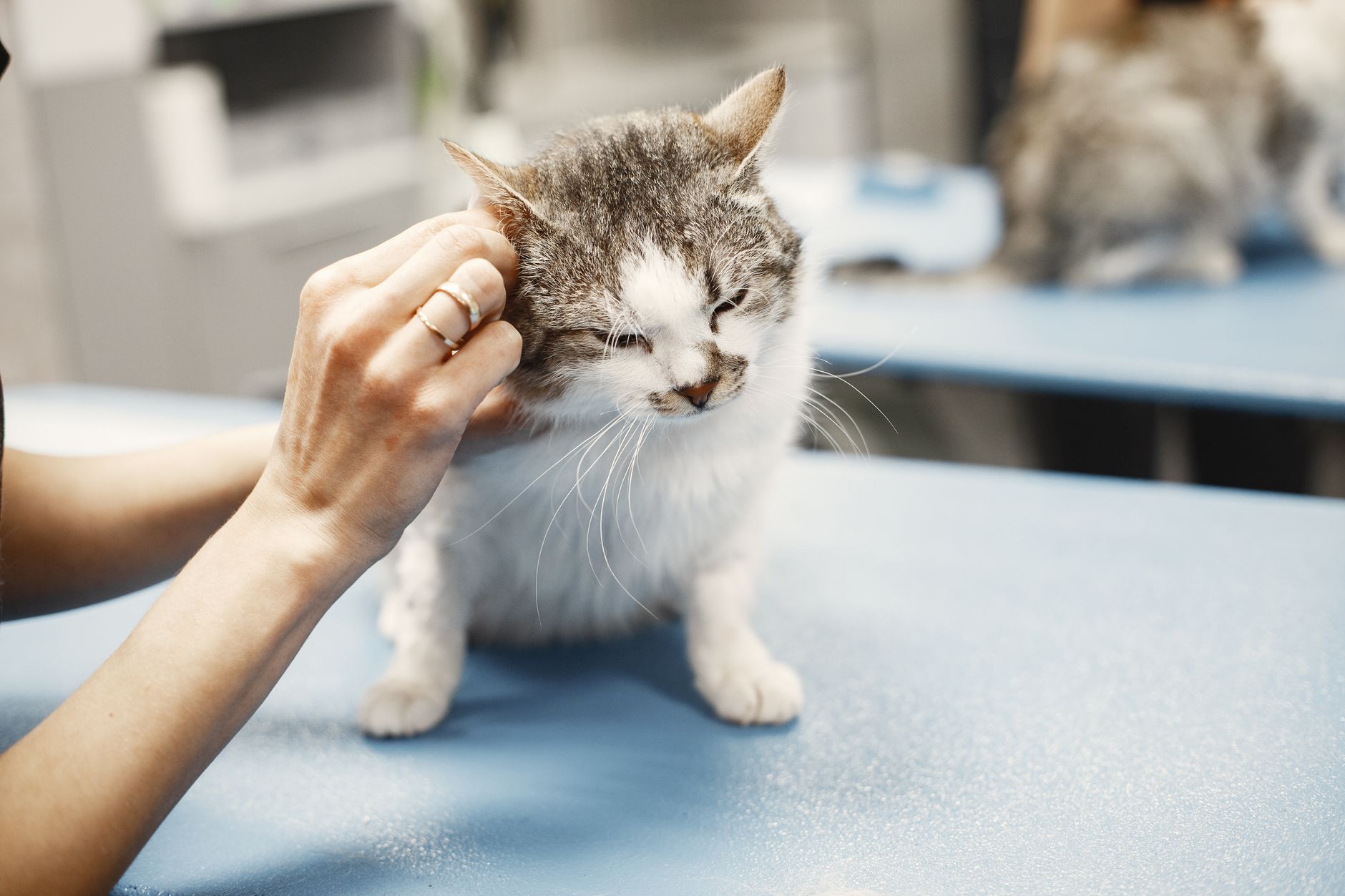
Generally, Thai Cats are a robust, natural breed with an impressive lifespan, but like all descendants of the ancestral Siamese line, they are predisposed to certain genetic conditions. Early screening and regular veterinary checkups are key to managing these hereditary risks and ensuring a long, healthy life.
Progressive Retinal Atrophy (PRA)
A genetic disease causing gradual degeneration of the retina, which can lead to progressive vision loss and eventual blindness. It is caused by a recessive gene that can be detected through genetic screening.
Hypertrophic Cardiomyopathy (HCM)
This is the most common form of heart disease in cats, characterized by the thickening of the left ventricular heart muscle. Over time, it can lead to heart failure or arterial thromboembolism.
Feline Asthma
An inflammatory airway disease that causes the airways to spasm and narrow, making breathing difficult. It is often triggered by environmental allergens like dust, perfume, or smoke.
Systemic Amyloidosis
A condition where abnormal amyloid proteins deposit in organs, most commonly the liver or kidneys in Siamese-type breeds, eventually leading to organ dysfunction or failure.
Psychogenic Alopecia & Pica
These are obsessive-compulsive behavioral disorders where stress or boredom leads to over-grooming (causing bald spots) or the consumption of non-food items like wool, plastic, or rubber.
How long do Thai Cats typically live?
Thai Cats are remarkably long-lived, frequently reaching 12 to 16 years. It is not uncommon to see them live well into their late teens or early twenties with excellent veterinary care and a balanced diet.
What to Feed a Thai Cat
Feeding a Thai Cat requires balancing their high energy levels with their propensity to gain weight as they age. Because they are highly active, their caloric needs can be deceptively high during their youth, but metabolism drops significantly after neutering.
Best Diet
I highly recommend a high-protein, low-carbohydrate wet diet formulated for their specific life stage (kitten, adult, or senior). Wet food provides essential hydration that supports kidney health, which is especially important given their genetic risk factors.
How to Feed
Instead of free-feeding kibble, which easily leads to obesity, feed them on a strict schedule of two to three portion-controlled meals per day. Using puzzle feeders is an excellent way to slow down eager eaters and provide mental stimulation.
How Much to Feed
Portion sizes should be calculated based on your cat’s weight, body condition score, and activity level. Generally, an average 10-pound active adult Thai Cat requires about 200 to 240 calories per day, but you should consult your veterinarian to establish a precise meal plan.
Nutritional Tips
Always ensure fresh water is available; many Thai Cats prefer running water, so investing in a pet fountain can encourage hydration. Adding omega-3 fatty acids to their diet can also support coat health and reduce joint inflammation.
Thai Cat Grooming Guide
Grooming a Thai Cat is delightfully low-maintenance due to their short, single coat. However, grooming sessions should still be approached as bonding opportunities and routine health checkups.
Coat Care
A weekly brushing with a soft bristle brush or a rubber grooming mitt is all that is required to remove loose hairs. This routine also helps distribute natural skin oils, keeping their coat glossy.
Skin Care
Their skin is generally healthy, but look out for dryness or over-grooming spots that could indicate allergies or stress. Baths are rarely necessary.
Eye Care
Monitor their eyes for discharge or squinting, especially since some individuals may carry the gene for congenital strabismus (crossed eyes) or nystagmus.
Ear Care
Check their ears weekly for dirt, wax buildup, or redness. Clean them gently with a vet-approved ear cleaner and a cotton ball if needed.
Nail & Dental Care
Trim their claws every two to three weeks to prevent snagging. Dental care is crucial; brush their teeth daily with cat-safe toothpaste to prevent periodontal disease, which is common in pointed breeds.
Considerations for Pet Parents
Pros
- Extremely affectionate and loyal
- Highly intelligent and easy to train
- Very vocal and conversational
- Minimal shedding and grooming needs
- Thrives in multi-pet households
- Long-lived and generally robust
Cons
- Can be excessively vocal and loud
- Prone to separation anxiety if left alone
- Requires constant mental and physical stimulation
- Can be demanding and needy of attention
Best For
The ideal owner is someone who works from home or has an active household, appreciates a highly interactive and talkative companion, and has another pet to keep the cat company.
Not Recommended For
I do not recommend this breed for people who spend long hours away from home, those who prefer a quiet and calm living environment, or owners looking for an independent pet that requires little interaction.
Cost
- purchase price$800 to $2,000
- monthly cost$80 to $150
- initial setupExpect to spend $500 to $1,000 initially on high-quality cat trees, veterinary checks, vaccines, spaying/neutering, interactive toys, and scratching posts.
Similar Breeds

Thai Cat FAQs
What is the difference between a Thai Cat and a Siamese Cat?
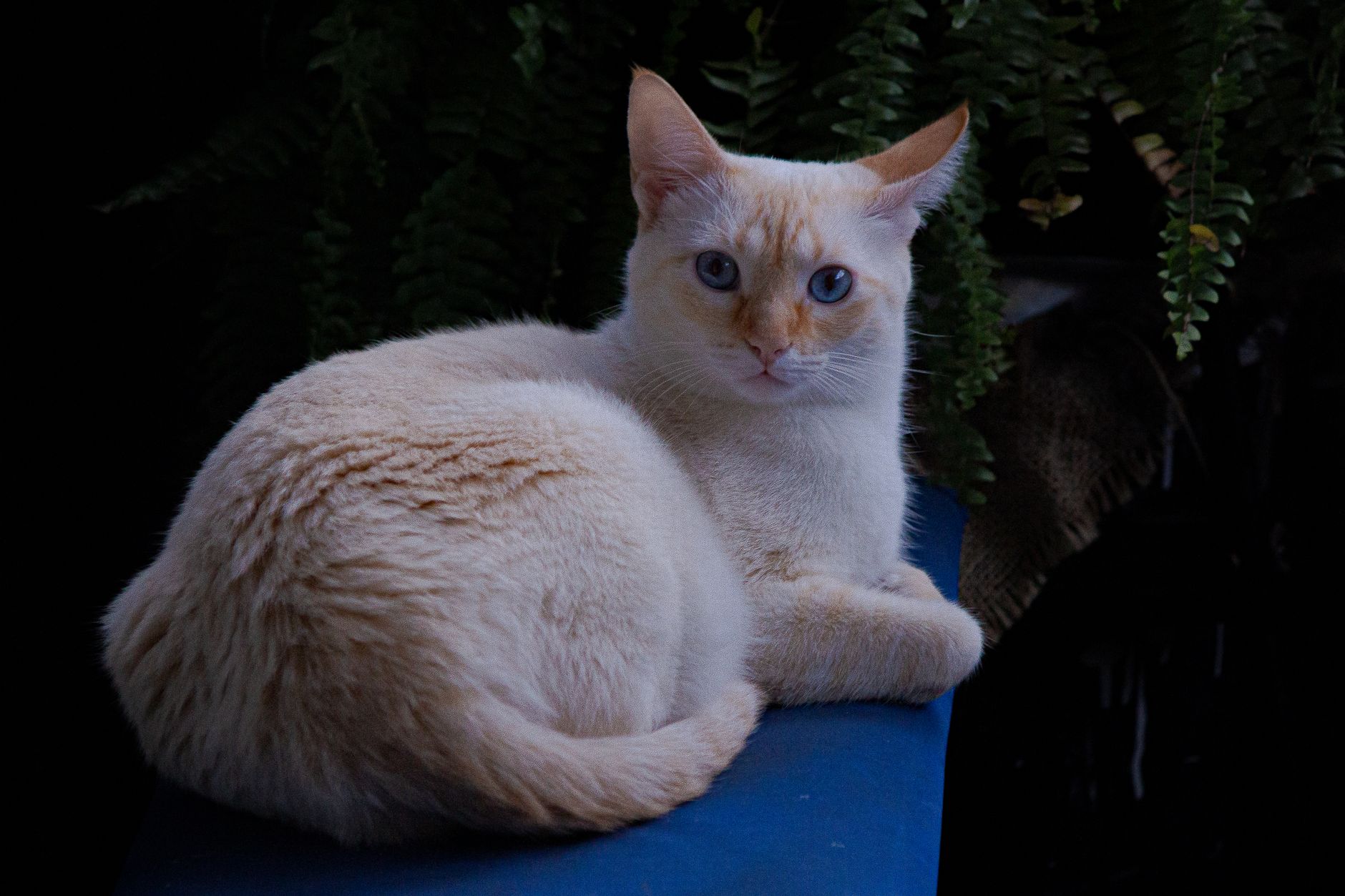
While they share ancestral roots, the Thai Cat represents the traditional, ‘old-style’ look of the Siamese, featuring a rounder ‘apple’ head and moderate features, whereas modern Siamese cats have been bred for an extremely elongated, wedge-shaped head and large ears.
Do Thai Cats vocalize a lot?
Yes, Thai Cats are exceptionally vocal. They possess a loud, distinctive, raspy cry and will ‘talk’ to you constantly to express their opinions on dinner, closed doors, or a lack of immediate attention.
Are Thai Cats hypoallergenic?
No, Thai Cats are not hypoallergenic. While they have short coats and shed less than many other breeds, they still produce the Fel d 1 protein in their saliva and dander, which triggers allergies.
Do Thai Cats get lonely?
Yes, they are highly social animals that form intense bonds with their families. They can easily develop separation anxiety, depression, or destructive behaviors if left alone for long periods of time.
Can Thai Cats live as indoor-only pets?
Yes, and they absolutely should. Keeping them indoors protects them from infectious diseases, traffic, and predators, but you must provide plenty of vertical space and toys to meet their high activity needs.
Are Thai Cats born with their point coloration?
No, Thai kittens are actually born completely white or cream-colored. Their point colors on the ears, face, paws, and tail begin to develop after a few weeks as they react to cooler temperatures in those extremities.
Why do some Thai Cats have crossed eyes?
The gene responsible for their pointed coat pattern also affects the development of the optic chiasm in the brain. While modern breeding has reduced this, some Thai cats still display crossed eyes (strabismus).
How do I stop my Thai Cat from crying constantly?
While you cannot train away their natural vocal personality, you can ignore unwanted meowing (never rewarding it with food or attention) and reward quiet behavior. Always ensure they are not crying out of boredom or physical pain.
Are Thai Cats prone to dental problems?
Yes, like many oriental and pointed breeds, Thai Cats can be more susceptible to early-onset gingivitis and periodontal disease. Daily teeth brushing and regular veterinary dental cleanings are highly recommended.
Can I take my Thai Cat for walks?
Yes, many Thai Cats can be easily trained to walk on a harness and leash. Because of their adventurous and confident nature, they often enjoy outdoor excursions under safe, supervised conditions.
How do I prevent my Thai Cat from destroying furniture?
Provide multiple sturdy scratching posts, both vertical and horizontal, near their favorite resting spots. Regular nail trims and ample interactive playtime to burn off excess energy also help prevent destructive scratching.
Is the Thai Cat a recognized breed?
Yes, the Thai Cat is recognized as a distinct breed by major registries like TICA (The International Cat Association) and FIFe, specifically to preserve the traditional look of the native cats of Thailand.
How often should I take my Thai Cat to the vet?
I recommend annual veterinary checkups for adult Thai Cats under seven years of age, and bi-annual exams for seniors. Regular visits are crucial for early detection of genetic issues like HCM or kidney disease.