
Minskin Breed Guide
Quick Summary
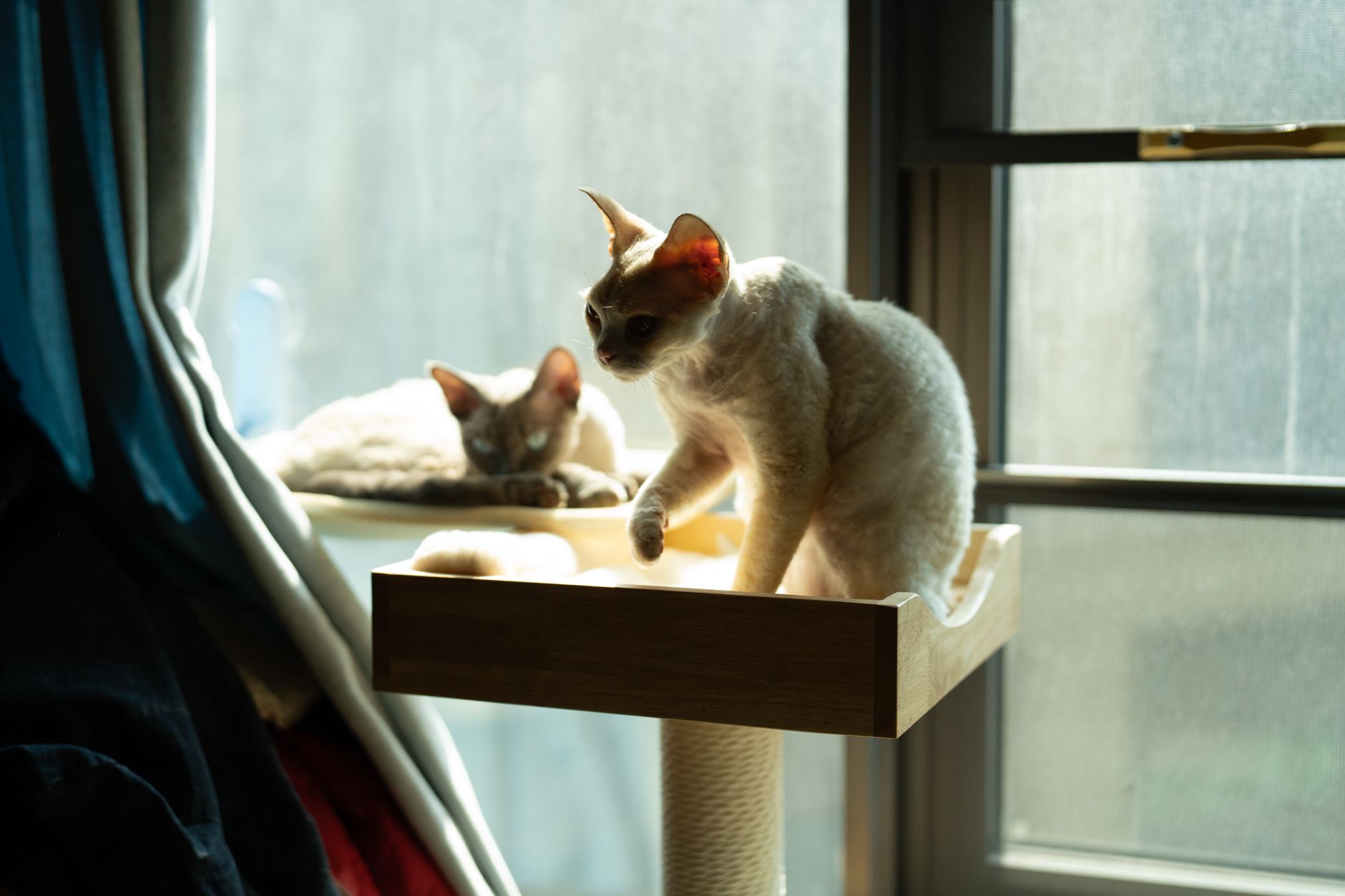
The Minskin is a rare, dwarf, semi-hairless feline hybrid developed by crossing the Munchkin and Sphynx with Devon Rex and Burmese. Known for their short legs, velvety ‘fur points,’ and incredibly outgoing personalities, they make fantastic companions for dedicated owners willing to commit to rigorous, non-negotiable skin hygiene and indoor-only safety.
Quick Facts
- origin countryUnited States
- breed groupDwarf / Hairless Hybrid
- sizeSmall
- weight range4 to 7 lbs (1.8 to 3.2 kg)
- height range7 to 8 inches (18 to 20 cm)
- lifespan12 to 15 years
- coat typeSemi-hairless with plush, velvety fur ‘points’ on the muzzle, ears, legs, and tail
- common colorsAll colors, patterns, and combinations including solid, tabby, points, and tortoiseshell
- other namesNone
- recognized byTICA (recognized as a Preliminary New Breed)
Caring for a Minskin
Living with a Minskin is like having a perpetual kitten that constantly craves physical warmth and human touch. In my clinical experience, their semi-hairless nature means they act as heat-seekers, regularly nesting in your laps, blankets, or on top of electronic appliances. Their day-to-day care involves vigilant temperature regulation, ensuring they are protected from drafts, cold AC, and intense sunlight. Because they lack a traditional coat to absorb bodily oils, establishing a consistent bathing schedule is a fundamental, lifelong requirement of keeping this breed.
Is a Minskin a good family pet?
Yes, they are highly social and thrive on human interaction, making them wonderful pets for families with respectful children. I always advise parents to supervise play, however, to protect the Minskin’s dwarf skeletal structure from accidental rough drops.
Do Minskins shed a lot?
No, they shed very minimally because their bodies are mostly covered in a fine, sparse downy hair. You will not find fur on your clothes, but you must be prepared for the sebaceous skin oils they can transfer to furniture if not bathed regularly.
Is a Minskin good for first-time owners?
Generally, no, because of their complex skin care needs and potential structural health risks. I typically recommend them to experienced owners or those who are fully prepared to commit to the time-intensive weekly bathing and ear-cleaning routines.
Temperament & Personality
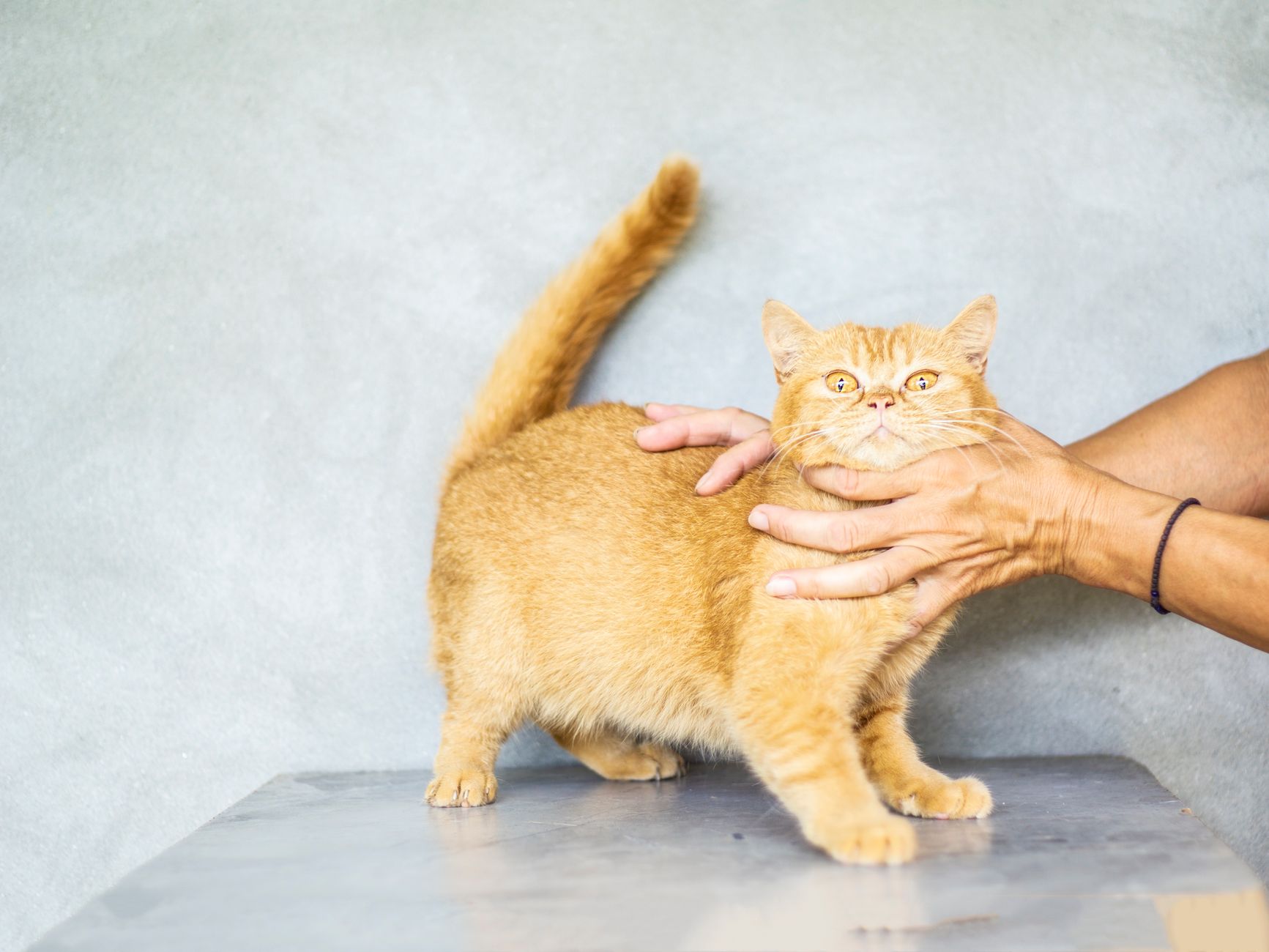
The Minskin’s personality is a vibrant cocktail of curiosity, confidence, and intense affection, with none of the aloofness sometimes associated with other felines. What I see most often in practice is their dog-like loyalty; they will follow you from room to room, greeting visitors at the door with a wagging tail. They are highly active and incredibly agile despite their short legs, navigating their environment with a clever, determined spirit.
Is a Minskin good with other pets?
In my years treating this breed, I’ve found they get along famously with other cats and gentle, cat-friendly dogs. They actively seek out other animals for play, companionship, and physical warmth during naps.
How much attention does a Minskin need?
They demand a significant amount of daily human attention and do not tolerate isolation well. If left alone for long periods, they can easily develop separation anxiety, so I always recommend having another pet in the household to keep them company.
Training & Behavior
Minskins are highly intelligent felines that respond beautifully to positive, reward-based training. They are eager to please and highly food-motivated, which makes them much easier to train than many other cat breeds. However, their smart minds mean they can easily become bored, requiring interactive toys and environmental enrichment to keep them out of trouble.
Training Tips
- Use high-value, veterinary-approved soft treats during short, 5-minute training sessions.
- Incorporate clicker training early to teach tricks and basic obedience commands.
- Desensitize them to skin wipes, bathing, and ear cleaning from kittenhood using positive associations.
- Provide low-level step stools or ramps to help them access favorite spots without risking spinal jarring from high jumps.
Fun Activities
- Interactive food puzzle toys
- Leash training and indoor harness walks
- Playing fetch with lightweight crinkle balls
- Agility tunnels and low-to-the-ground obstacle courses
- Learning commands like ‘sit’, ‘high-five’, and ‘come’ via clicker
Is a Minskin easy to train?
Yes, they are exceptionally easy to train for a cat due to their high intelligence and strong desire for human interaction. I have seen many Minskin patients successfully learn to fetch toys, sit on command, and happily accept harness walking.
Minskin Health Issues
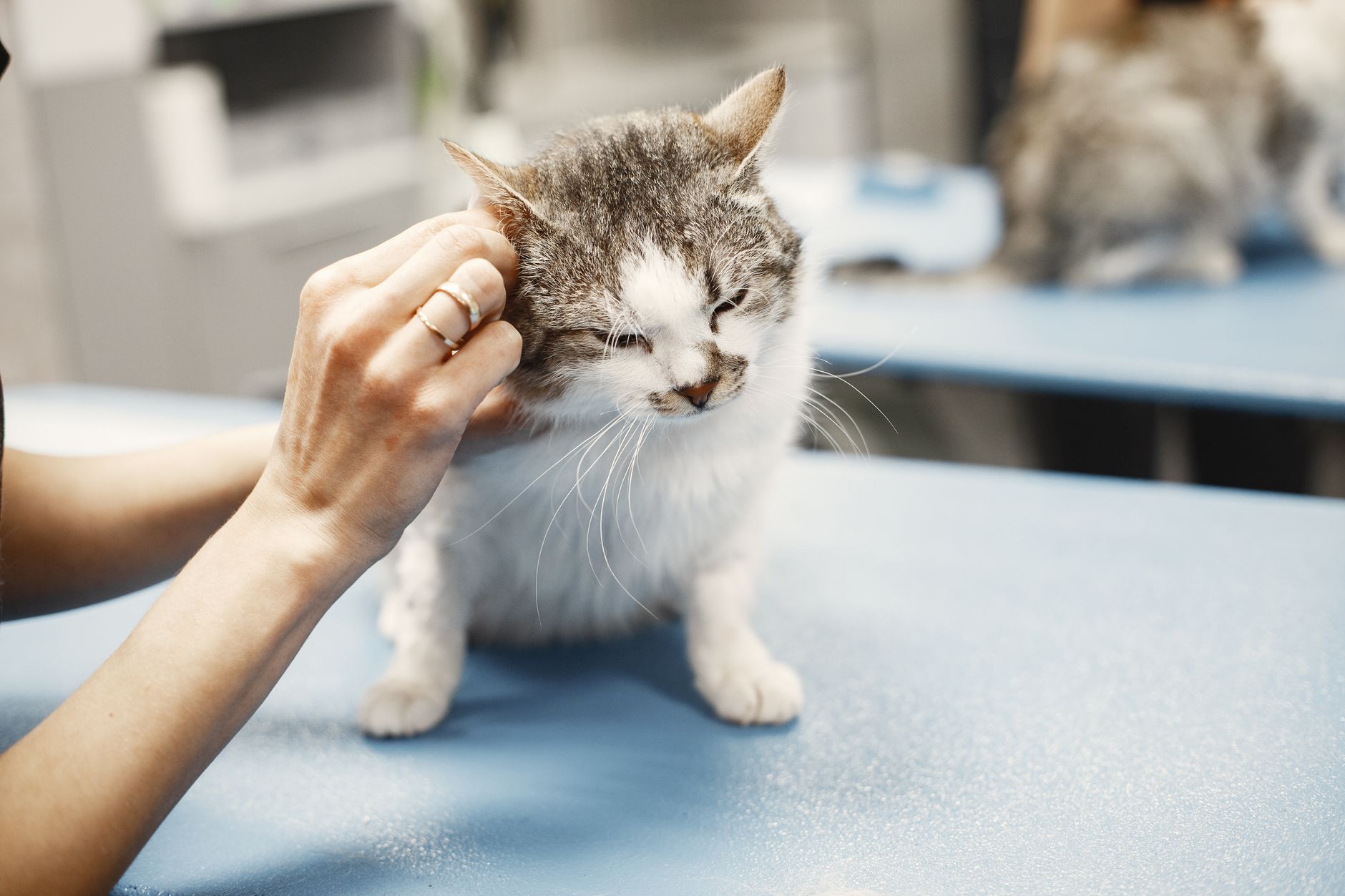
The Minskin is a hybrid breed, and while they are generally robust, they carry hereditary risks from both of their primary ancestral lines. As a veterinarian, my primary clinical focus with Minskins is monitoring their skeletal development and heart health, while managing their delicate skin barrier.
Lordosis
A structural spinal deformity inherited from their Munchkin heritage, where the spine curves abnormally inward, compressing internal organs.
Pectus Excavatum
A congenital condition where the breastbone (sternum) sinks into the chest cavity, restricting the space available for the heart and lungs to function.
Hypertrophic Cardiomyopathy (HCM)
A hereditary genetic heart condition where the heart muscle walls thicken, potentially leading to heart failure or blood clots, inherited from Sphynx and Devon Rex lines.
Malassezia Dermatitis (Yeast Infections)
A skin infection caused by an overgrowth of normal yeast on the skin, fueled by the buildup of unmanaged sebum in their warm, hairless skin folds.
Follicular Dysplasia / Comedones
A genetic predisposition to clogged pores, leading to blackheads, acne, and localized follicular irritation along the tail, chin, and skin folds.
How long do Minskins typically live?
With proper indoor care, a nutritious diet, and proactive veterinary health screenings, Minskins typically live between 12 and 15 years. Regular cardiac ultrasounds and weight management are key to maximizing their lifespan.
What to Feed a Minskin
Because Minskins are semi-hairless, they have a remarkably high metabolic rate to compensate for heat loss and maintain their core body temperature. This means they require higher calorie intake relative to their size compared to standard-coated cats.
Best Diet
A high-protein, moderate-fat, and low-carbohydrate wet or raw-formulated diet is ideal. Wet food is highly recommended to provide the hydration essential for keeping their skin healthy and preventing urinary tract issues.
How to Feed
I highly recommend feeding adult Minskins three to four small, scheduled meals per day to maintain stable blood sugar levels and support their fast metabolism. Avoid free-feeding dry food, as keeping them at an optimal body condition score is critical to protecting their short-legged spines.
How Much to Feed
Portion sizes should be determined by caloric content, often starting around 250 to 300 calories daily for an active adult, though this varies. I always tell owners to consult their veterinarian for precise feeding amounts based on regular body condition score evaluations.
Nutritional Tips
Supplementing their diet with high-quality Omega-3 and Omega-6 fatty acids can help fortify their skin barrier and reduce inflammatory skin issues. Ensure fresh, clean water is always available in multiple locations, as their fast metabolism increases hydration demands.
Minskin Grooming Guide
Grooming a Minskin is a clinical necessity, not an aesthetic luxury. Without a full coat to absorb natural sebum, skin oils, dust, and environmental debris accumulate directly on the skin, requiring active human intervention.
Coat Care
While they do not require traditional brushing, their sparse hair ‘points’ should be gently wiped with a soft cloth. Bathing with a mild, veterinary-recommended soap-free or medicated shampoo is required every 1 to 2 weeks to safely strip away greasy sebum.
Skin Care
Daily inspection of their skin folds, particularly around the legs, neck, and tail, is necessary to prevent yeast buildup. Apply vet-approved, non-toxic sunscreen if they spend any supervised time near sunny windows to prevent painful solar dermatitis.
Eye Care
Because they lack protective eyelashes, debris can easily accumulate in the corners of their eyes. Wipe their eyes daily with a warm, damp cotton ball, using a fresh ball for each eye to prevent cross-contamination.
Ear Care
Minskins produce a heavy, dark earwax that lacks hair to help channel it out naturally. I recommend weekly cleanings using a vet-approved, gentle ear flush and cotton pads, never inserting cotton swabs into the canal.
Nail & Dental Care
Their nail beds accumulate a black, greasy residue of sebum and dirt; clean their nail sheaths weekly and trim their claws. Brush their teeth daily with cat-safe enzymatic toothpaste to combat the rapid buildup of periodontal disease.
Considerations for Pet Parents
Pros
- Incredibly affectionate, loyal, and dog-like companions
- Thrive in multi-pet households and get along great with dogs
- Very low-shedding, making them great for clean homes
- Highly intelligent and exceptionally easy to train
- Active, playful, and entertaining personality
- Adaptable to apartment living due to their small size
Cons
- High-maintenance, regular skin and ear cleaning requirements
- Extremely sensitive to extreme cold, drafts, and sunburn
- Prone to hereditary skeletal (Lordosis) and cardiac (HCM) conditions
- Highly prone to separation anxiety if left alone often
- Rare and difficult to acquire from reputable, ethical breeders
Best For
Owners who work from home or have busy, multi-pet households, who are fully committed to a rigorous, hands-on weekly grooming routine, and who want an indoor-only, highly affectionate shadow.
Not Recommended For
Individuals who travel frequently or are away from home for long hours, families unable to keep up with intensive bathing schedules, or those wanting a low-maintenance, outdoor cat.
Cost
- purchase price$1,500 to $3,000 USD
- monthly cost$100 to $180 USD
- initial setupPlan to spend $500 to $1,000 initially on specialized veterinary-approved skin care products, heated cat beds, high-quality sweaters, and pediatric cardiac screening.
Similar Breeds


Minskin FAQs
Do Minskins get cold easily?
Yes, because they lack an insulating coat of fur, they struggle to regulate their body temperature. I advise my clients to keep their homes at 70°F (21°C) or higher and provide plenty of heated beds or soft pet sweaters during cooler weather.
Can Minskins jump despite their short legs?
Yes, they are surprisingly agile and can navigate furniture using a stair-step approach. However, they cannot leap as high as standard-legged cats, and you should provide pet steps to prevent them from jarring their spines when jumping down.
Are Minskins truly hypoallergenic?
No, they are not. While they shed very little hair, the primary feline allergen (Fel d 1 protein) is found in their saliva, skin oils, and dander, all of which Minskins still produce and can easily transfer to your skin.
How often do you need to bathe a Minskin?
Most Minskins require a bath every 1 to 2 weeks depending on their individual oil production. Neglecting their baths leads to a greasy residue on your furniture, a rancid yeast smell, and painful bacterial skin infections.
Do Minskins need to wear sweaters?
During cold winter months or in air-conditioned environments, sweaters are highly beneficial. Ensure any clothing is made of soft, breathable, non-irritating fabrics, washed regularly in dye-free detergent, and removed daily to inspect the skin.
Are Minskin cats prone to sunburn?
Absolutely. Their exposed skin has very little melanin protection, putting them at high risk for sunburn and solar-induced skin cancers. They must be kept indoors, and you should apply pet-safe sunscreen to ears and noses near sunny windows.
What is the difference between a Minskin and a Bambino?
While both are Munchkin/Sphynx crosses, the Minskin pedigree also includes Devon Rex and Burmese. This yields a smaller overall cat with unique, soft ‘fur points’ on its extremities, whereas Bambinos are typically completely hairless.
Can Minskins go outside?
I strongly advise keeping Minskins as strictly indoor-only cats. Their lack of protective fur leaves them vulnerable to hypothermia, sunburn, skin lacerations, and parasites, and their short legs limit their ability to escape predators.
Why do Minskin cats have greasy skin?
All cats produce sebum to protect their skin and condition their fur. Because Minskins lack fur to wick these oils away from the body, the sebum pools on the skin surface, requiring regular manual bathing to remove.
Are Minskin kittens born hairless?
They are typically born with sparse, fine downy hair that can change in pattern as they mature. Their distinct ‘fur points’ on the face, ears, legs, and tail typically become more pronounced as they reach adulthood.
Do Minskin cats have whiskers?
Many Minskins have very short, broken, or completely absent whiskers, which is a trait inherited from their Sphynx and Devon Rex ancestry. This can slightly impact their spatial navigation, so keeping their environment consistent is helpful.
How can I prevent blackheads on my Minskin?
Wiping down highly oily areas like the chin and tail with a damp cloth daily, and using a mild veterinary salicylic acid shampoo during their bath, can keep their hair follicles clean and free of sebum blockages.
Are there any specific dietary restrictions for Minskins?
No specific ingredient restrictions exist, but they must be fed high-calorie, nutrient-dense foods to support their fast metabolism. Avoid high-carbohydrate fillers that promote obesity, which is highly damaging to their dwarf skeletal structure.
Is the Minskin a officially recognized breed?
The Minskin is recognized by The International Cat Association (TICA) as a Preliminary New Breed. Because it is a newer hybrid, breed clubs are still working toward full championship recognition across all major registries.
How do I clean my Minskin’s ears safely?
Squirt a few drops of a veterinary ear cleaner into the canal, massage the base of the ear for 30 seconds, then allow them to shake their head. Gently wipe away the loosened dark wax with a dry cotton ball, avoiding the inner canal.