
Norwich Terrier Breed Guide

Quick Summary
The Norwich Terrier is a tenacious, joyful, and robust little working terrier packed with personality and a surprisingly affectionate nature. Ideal for active individuals or families who can commit to regular hand-stripping and daily mental stimulation, they offer the classic big-dog-in-a-small-body experience without the typical terrier aloofness.
As an Amazon Associate, we earn from qualifying purchases.
Popular with Norwich Terrier owners: Training Treats · Orthopedic Dog Bed · Pet Camera
Quick Facts
- origin countryUnited Kingdom (England)
- breed groupTerrier Group
- sizeSmall
- weight range11 to 12 pounds (5-5.5 kg)
- height range9 to 10 inches at the shoulder
- lifespan12 to 15 years
- coat typeDouble coat; hard, wiry topcoat with a dense undercoat
- common colorsRed, wheaten, black and tan, or grizzle
- other namesCantab Terrier, Trumpington Terrier
- recognized byAKC, UKC, KC (UK), FCI
Caring for a Norwich Terrier
In my clinical practice, I find that living with a Norwich Terrier is an exercise in managing high-octane joy. They are incredibly people-oriented for a terrier, but they possess an intense prey drive that demands a secure yard and a leash at all times. Day-to-day, they need a balance of brisk walks, brain games to prevent destructive digging, and a strict grooming routine. I always tell owners to be prepared to protect their sensitive backs and joints from high jumps, despite their fearless nature.
Is a Norwich Terrier a good family pet?
In my practice, I’ve found they make outstanding family companions because they lack the sharp irritability of some other toy and terrier breeds. I often recommend them to families with respectful children, as they are sturdy enough to handle active play. However, I always advise supervision around toddlers who might accidentally drop them.
Do Norwich Terriers shed a lot?
They are moderate shedders, but their wire coat traps loose hairs rather than letting them fall on your furniture. To maintain their weather-resistant texture and rich color, they require hand-stripping every 12 to 16 weeks. If you choose to clip their coat instead, the texture will soften, the color will fade, and shedding may become more noticeable.
Is a Norwich Terrier good for first-time owners?
While they are more agreeable and eager to please than many terriers, I still advise first-time owners to approach them with a clear, structured plan. Their stubborn streak and strong prey drive can overwhelm an unprepared owner. If you are willing to invest in professional training and hand-stripping, they can make a wonderful, highly adaptable first pet.
Temperament & Personality

The Norwich Terrier is a quintessential big dog in a 12-pound package, known for a bright, inquisitive, and remarkably affectionate disposition. Unlike many of their more independent terrier cousins, they actively crave human companionship and form deep, loyal bonds with their family. In my clinic, a Norwich is typically the dog wagging its entire body at my staff, though they will absolutely speak up if they feel their space is being encroached upon. They retain a sharp, working-dog alertness and an instinctive drive to hunt vermin.
Zuke’s Mini Naturals Dog Training Treats, Chicken
- ✓Small, soft treats under 3 calories each
- ✓Real chicken is the first ingredient
- ✓No corn, wheat or soy
- Quick to eat, so training sessions keep moving
- Low-calorie rewards you can give often
Is a Norwich Terrier good with other pets?
They generally coexist beautifully with other dogs, especially if socialized early. However, due to their intense historical breeding as ratters, they should never be trusted around small pocket pets like hamsters or gerbils. Cats can be hit-or-miss; they can coexist if raised together, but a fleeing cat will almost always trigger their chase instinct.
How much attention does a Norwich Terrier need?
They are highly social animals that do not tolerate isolation well and can develop separation anxiety or nuisance barking if left alone for long stretches. I advise my clients that a Norwich needs to be an integrated member of the household, receiving at least 2 hours of direct interaction and companionship daily. They are happiest when following you from room to room like a tiny, furry shadow.
Training & Behavior
Training a Norwich Terrier is a highly rewarding endeavor if you utilize positive, reward-based methods, but it requires absolute consistency. They are highly intelligent and quick to learn, but they possess a classic terrier ‘what’s in it for me?’ attitude. In my experience, harsh corrections will cause them to shut down completely, whereas clicker training and high-value treats yield spectacular results.
Training Tips
- Use high-value, smelly treats to keep their focus
- Keep training sessions short and varied (5-10 minutes)
- Begin socialization before 12 weeks of age
- Establish a rock-solid recall, but never rely on it off-leash
- Crate train early to manage housebreaking and prevent chewing
Fun Activities
- Barn Hunt competitions
- Earthdog trials
- Agility courses
- Scent work
- Interactive puzzle games
Is a Norwich Terrier easy to train?
They are easier to train than many other terrier breeds because of their strong desire to please their owners. However, housebreaking can take longer than average due to their small bladder capacity as puppies. Patience, a strict crate-training schedule, and immediate positive reinforcement for outdoor elimination are essential.
Norwich Terrier Health Issues
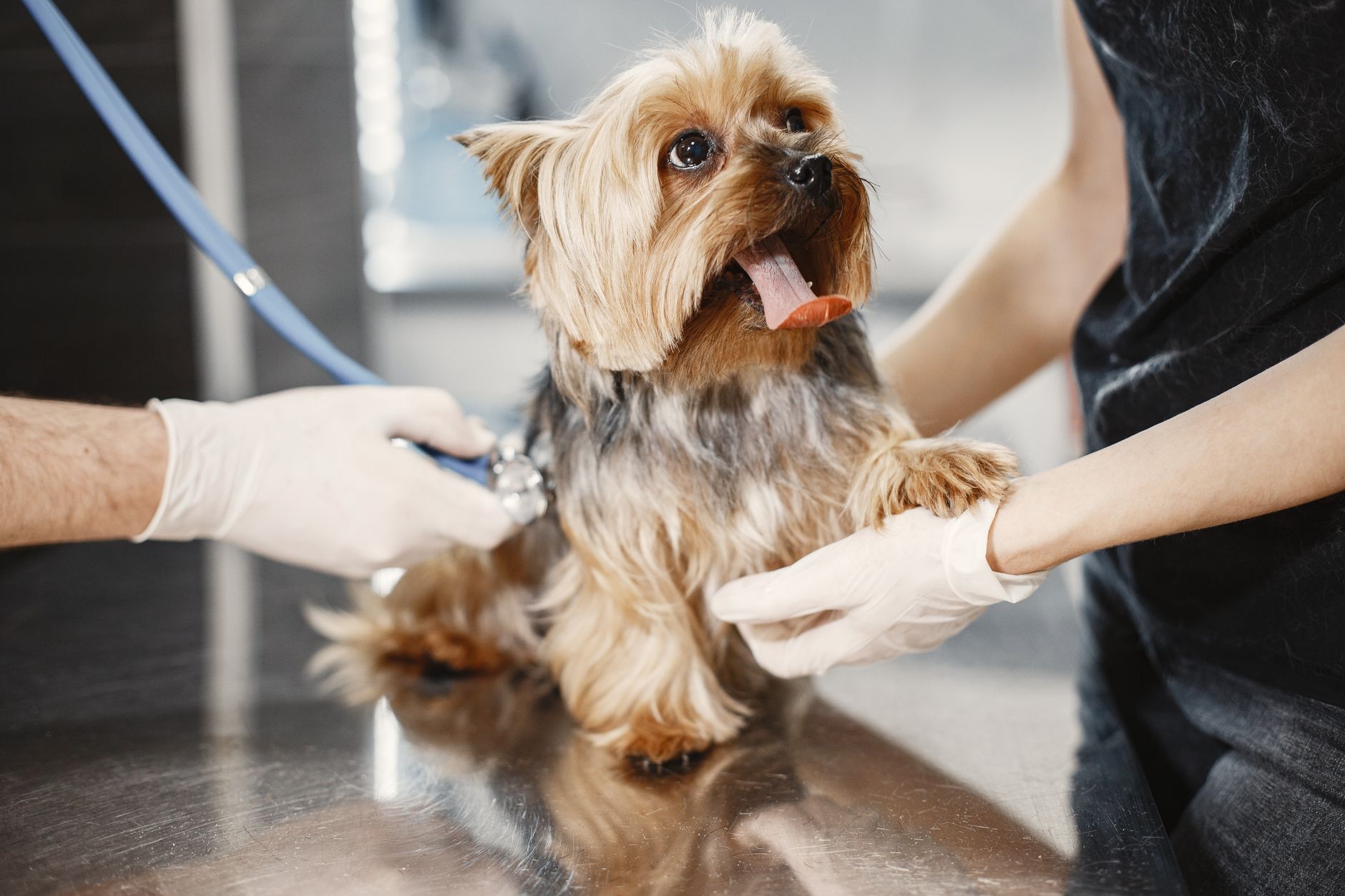
The Norwich Terrier is generally a remarkably hardy and robust little breed, but in my clinical experience, they do have specific genetic predispositions that owners must monitor. I emphasize proactive screening for respiratory, joint, and ocular issues to catch potential problems before they impact the dog’s quality of life.
Norwich Terrier Airway Syndrome (NTAS)
In my years treating this breed, this is the most critical respiratory condition to watch for. It involves various upper airway abnormalities like a redundant soft palate, laryngeal collapse, and everted laryngeal saccules, which severely restrict airflow, especially during exercise or in hot weather.
CWAWZ Orthopedic Cooling Gel Memory Foam Dog Bed, XL
- ✓3-inch orthopedic foam with cooling gel layer
- ✓Waterproof TPU lining; washable cover
- ✓CertiPUR-US foam, non-slip bottom
- Supportive foam cushions hips and joints, ideal for large, senior or dysplasia-prone dogs
Patellar Luxation
A common orthopedic issue where the kneecap slips out of its anatomical groove. It is graded from I to IV, and severe cases can lead to early-onset osteoarthritis or require corrective surgery.
Hip Dysplasia
An inherited malformation of the hip joint socket that causes laxity and progressive arthritis. While we associate this with large breeds, it occurs with surprising frequency in Norwich Terriers.
Primary Lens Luxation (PLL)
A painful, genetic eye disorder where the fibers supporting the lens disintegrate, causing the lens to displace. If left untreated, it rapidly leads to glaucoma and permanent blindness.
Periodontal Disease
What I see most often in practice is severe plaque buildup in small mouths. Due to their crowded teeth, Norwich Terriers are highly prone to rapid plaque accumulation, gingivitis, and bone loss, which can lead to systemic infections.
How long do Norwich Terriers typically live?
A healthy Norwich Terrier typically enjoys a long lifespan of 12 to 15 years. With excellent dental hygiene, weight management, and routine senior veterinary care starting around age 7, many of my patients comfortably reach their 16th birthday.
What to Feed a Norwich Terrier
Feeding a Norwich Terrier requires careful caloric monitoring because their small, compact frames do not tolerate extra weight well. In my clinic, I frequently see Norwich Terriers carrying an extra pound or two, which dramatically accelerates joint wear and worsens airway issues.
Best Diet
I recommend a high-quality, small-breed-specific dry kibble formulated for their current life stage (puppy, adult, or senior). Look for diets with named animal protein sources as the first ingredient and optimal fiber to aid digestion and keep them feeling full.
How to Feed
Divide their daily caloric intake into two equal meals, feeding once in the morning and once in the evening. Avoid free-feeding, as a Norwich will easily overeat and gain weight.
How Much to Feed
Generally, an adult Norwich requires between 1/2 to 1 cup of dry kibble per day, split into two meals. However, this varies widely based on activity level and metabolism, so you should consult your veterinarian to calculate their exact daily caloric needs.
Nutritional Tips
Incorporate omega-3 fatty acid supplements (like high-quality fish oil) to support their skin health and joint cartilage. Keep training treats tiny—break single treats into fingernail-sized pieces so you don’t blow their daily calorie budget.
Norwich Terrier Grooming Guide
The Norwich Terrier has a double coat that requires consistent, hands-on maintenance to preserve its characteristic texture and protective qualities. Neglecting their coat can lead to severe matting, skin irritation, and loss of their natural dirt-resistant properties.
Coat Care
Brush their coat 2 to 3 times a week with a metal comb and slicker brush to remove loose undercoat. To maintain the correct wiry texture, they must be hand-stripped of dead hair every 3 to 4 months.
Skin Care
Only bathe them when absolutely necessary, using a mild, oatmeal-based dog shampoo. Frequent bathing strips the natural oils from their wiry coat, making it soft and prone to matting.
Eye Care
Gently wipe away any daily discharge from the corners of their eyes with a damp, warm cloth, checking for redness or cloudiness.
Ear Care
Inspect their prick ears weekly for wax buildup, redness, or a yeast-like odor, cleaning them with a vet-approved, drying ear cleaner if necessary.
Nail & Dental Care
Trim their nails every 3 to 4 weeks using a grinder or clippers. Brush their teeth daily with dog-safe enzymatic toothpaste to combat their high genetic risk for severe periodontal disease.
Considerations for Pet Parents
Pros
- Extremely affectionate and loyal family companion
- Sturdy and robust size for active outdoor adventures
- Adaptable to apartment living if adequately exercised
- Generally friendly with other dogs compared to other terriers
- Highly alert and makes an excellent watchdog
Cons
- High-maintenance coat requiring regular hand-stripping
- Strong prey drive makes off-leash roaming dangerous
- Prone to digging and barking if bored or under-stimulated
- Can be challenging to housebreak due to small bladder size
Best For
They are best for active singles, couples, or families who want a small, adventurous dog and have the time to devote to regular grooming, mental enrichment, and daily training.
Not Recommended For
They are not recommended for sedentary households, families with small pocket pets, or owners who want a low-maintenance ‘wash-and-wear’ dog and plan to leave them alone for long workdays.
Cost
- purchase price$2,500 to $4,500 USD
- monthly cost$100 to $200 USD (excluding professional grooming/veterinary emergencies)
- initial setupExpect to spend $500 to $1,000 initially on a high-quality crate, grooming tools (stripping knives, brushes), high-value training treats, immunization, and spay/neuter surgery.
-
Furbo 360° Dog Camera with Treat TossCheck in and comfort your pet while you’re out
-
Nutramax Cosequin Joint Supplement for DogsGlucosamine and chondroitin chews support cartilage and mobility, especially in large, senior and dysplasia-prone dogs
-
Diamond Naturals Skin & Coat Dog Food, Salmon & PotatoA complete, balanced diet matched to your dog’s size and age is the foundation of a healthy coat, gut and energy level
Similar Breeds

Related Dog Guides
Norwich Terrier FAQs
What is the difference between a Norwich Terrier and a Norfolk Terrier?
The easiest way to tell them apart is their ears. Norwich Terriers have pointed, prick ears that stand straight up, whereas Norfolk Terriers have folded, drop ears. Historically, they were considered the same breed, but they were officially split by kennel clubs in the 1960s and 1970s.
Do Norwich Terriers bark a lot?
They are naturally alert watchdogs and will definitely bark to announce visitors or suspicious noises. However, they are not typically mindless, continuous barkers unless they are left alone for too long, under-stimulated, or suffering from separation anxiety.
Are Norwich Terriers good apartment dogs?
Yes, they can adapt beautifully to apartment living provided their physical and mental exercise needs are met. Because of their small size, they don’t need a huge yard, but they do require several brisk daily walks and indoor play sessions to prevent boredom-induced behaviors.
How often should a Norwich Terrier be bathed?
You should avoid bathing a Norwich Terrier more than once every 6 to 8 weeks unless they have rolled in something foul. Frequent baths strip the essential natural oils from their wiry coat, rendering it soft, dull, and far less resistant to dirt and water.
Can a Norwich Terrier be left alone for 8 hours?
I strongly advise against leaving a Norwich Terrier alone for a full 8-hour workday. They are highly social, human-centric dogs that can easily develop separation anxiety, destructive digging behaviors, or nuisance barking if isolated for long stretches. If you must be away, consider a dog walker or doggy daycare.
Why are Norwich Terriers so expensive?
Norwich Terriers have exceptionally small litter sizes, averaging only 2 to 3 puppies, and many births require cesarean sections due to the puppies’ large heads relative to the mother’s pelvis. This high medical cost, combined with their rarity and high demand, drives up their purchase price.
Do Norwich Terriers like to swim?
While some individual Norwich Terriers enjoy splashing in shallow water, they are not natural, strong swimmers. Their short legs and compact, heavy-boned bodies make swimming exhausting, so they should always wear a canine life jacket around pools or deep bodies of water.
How do you handle a Norwich Terrier’s prey drive?
You cannot train out a Norwich’s hardwired prey drive; it must be managed. Always keep them on a secure leash when in unfenced areas, and ensure your backyard fence is escape-proof and sunk slightly into the ground to prevent them from digging out after squirrels or rabbits.
Are Norwich Terriers prone to obesity?
Yes, they are highly prone to weight gain, especially after being spayed or neutered. Because they are compact, even a single extra pound can put immense strain on their joints and exacerbate respiratory issues like Norwich Terrier Airway Syndrome. I recommend weighing their food and tracking treats carefully.
What is hand-stripping and is it necessary?
Hand-stripping is the process of manually pulling out dead, mature hairs from the follicle by the roots, allowing a new, hard wire coat to grow in. It is necessary if you want to maintain the breed’s correct coat texture, rich color, and weather-resistant qualities. Clipping the coat with electric shears will soften the texture and fade the color over time.
Are Norwich Terriers hypoallergenic?
No dog is truly hypoallergenic, but Norwich Terriers are often considered a decent option for allergy sufferers because they shed very little, particularly when hand-stripped regularly. However, they still produce dander and saliva, which can trigger allergies, so it’s best to spend time around the breed before committing.
How much exercise does a Norwich Terrier need daily?
An adult Norwich Terrier needs about 45 to 60 minutes of physical exercise daily, which should be split into at least two brisk walks and some active playtime. They also require mental stimulation, such as puzzle toys or training sessions, to keep their sharp minds occupied.
At what age is a Norwich Terrier fully grown?
A Norwich Terrier typically reaches their full adult height and length around 9 to 12 months of age. However, they will continue to ‘fill out’ and develop their mature muscle mass and dense adult coat until they are about 18 to 24 months old.
Do Norwich Terriers have sensitive stomachs?
While not universally known for gastrointestinal issues, some Norwich Terriers can have sensitive stomachs that react poorly to sudden dietary changes or table scraps. I always advise maintaining a consistent, high-quality diet and introducing any new foods very gradually over a 7-day period.
Are Norwich Terriers prone to back issues?
While they are not as long-backed as Dachshunds, they are a dwarf (choose-legged or chondrodystrophic) breed, meaning they have short, heavy-boned legs. This structure puts them at a slightly higher risk for spinal strain, so I advise using ramps for high couches and avoiding high-impact jumping activities.