
Himalayan Breed Guide
Quick Summary
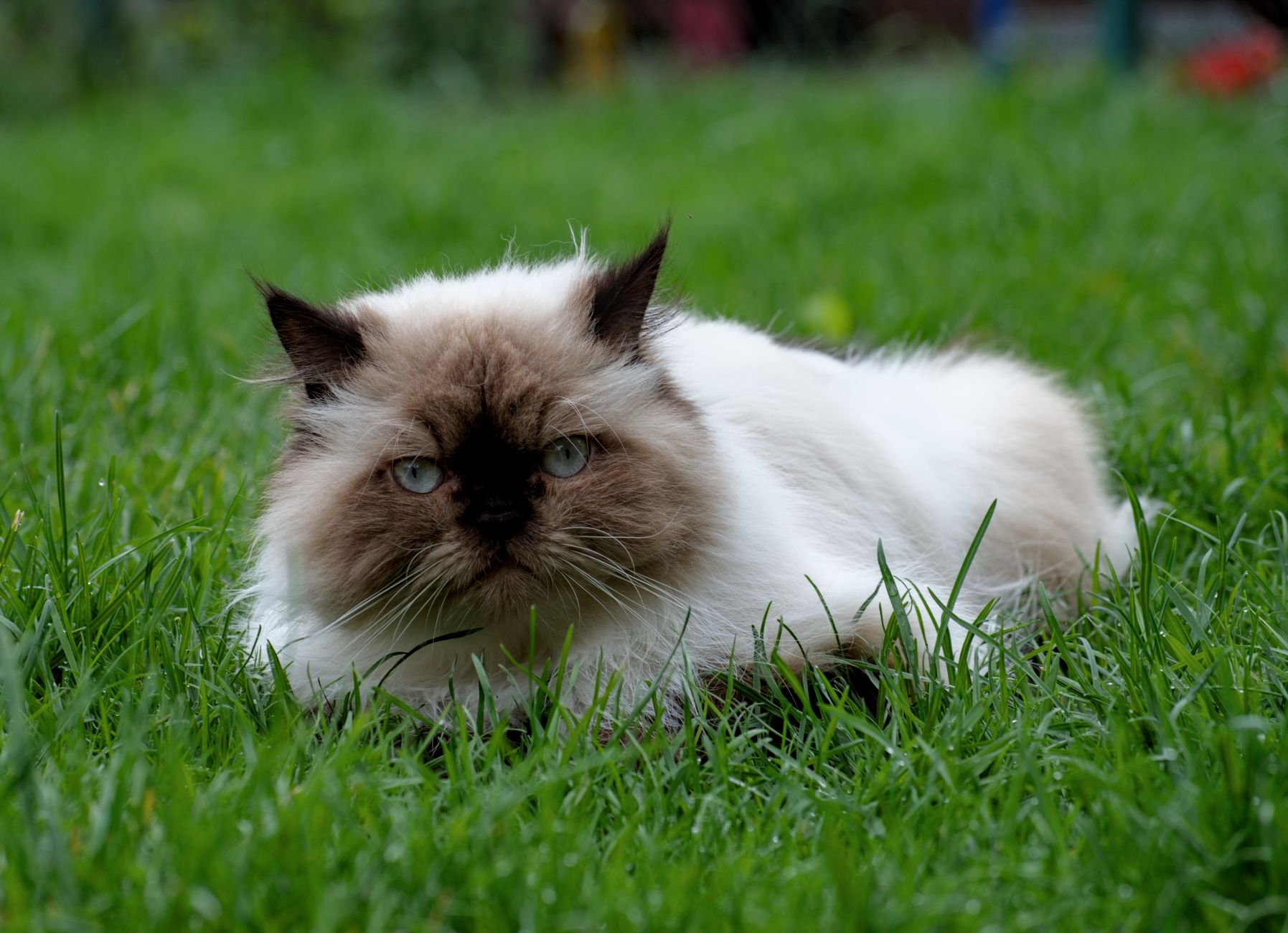
The Himalayan is a masterclass in serene companionship, combining the luxurious, placid nature of the Persian with the striking, colorpoint beauty of the Siamese. These gentle souls thrive in calm, predictable households where their devotion is returned with daily, meticulous grooming sessions. If you are looking for a quiet, deeply affectionate lap cat that prefers lounging to leaping, the ‘Himmy’ is an unparalleled choice.
Quick Facts
- origin countryUnited States / United Kingdom
- breed groupPersian (CFA) / Himalayan (TICA)
- sizeMedium to Large
- weight range7 to 14 pounds
- height range10 to 12 inches
- lifespan12 to 15 years
- coat typeLong, thick, double coat with a dense undercoat and heavy ruff
- common colorsPoint patterns including Seal, Blue, Chocolate, Lilac, Flame, and Tortie points against a light cream body
- other namesHimmy, Colorpoint Persian
- recognized byCFA, TICA, FIFe, GCCF, ACFA
Caring for a Himalayan
Living with a Himalayan means embracing a slower, more deliberate pace of life where your lap is rarely empty. In my experience, these cats don’t just tolerate a quiet routine; they absolutely crave it and will reward you with quiet, musical purrs. Their daily life revolves around structured grooming, gentle play sessions, and finding the sunniest spot on the carpet. You must be prepared for a high-maintenance coat, but the payoff is a deeply devoted companion who treats you as the center of their universe.
Is a Himalayan a good family pet?
Yes, but they do best in calmer, more predictable households. While they are incredibly sweet and gentle, they can easily become overwhelmed by chaotic environments or highly active young children. I always recommend them for families with older, respectful kids who understand how to handle a delicate animal.
Do Himalayans shed a lot?
Absolutely, they are heavy shedders due to their dense, plush double coat. I’ve found that without daily intervention, their fine undercoat will quickly form painful mats and leave a generous layer of fluff on your furniture. If you aren’t ready to commit to daily brushing, this is not the breed for you.
Is a Himalayan good for first-time owners?
They can be, provided the owner is fully educated on their intensive grooming and health requirements. Their docile, forgiving nature makes them incredibly easy to live with behaviorally, but their physical care demands a steep learning curve. I tell prospective owners to treat their grooming routine like a non-negotiable daily hobby.
Temperament & Personality
The Himalayan personality is the definition of serene elegance. They are not active acrobats who scale your curtains; instead, they prefer to keep all four paws firmly on the ground or, ideally, curled up in your lap. I have always found them to be communicative but incredibly quiet, using soft, melodic chirps rather than loud demands to get their point across. They are deeply affectionate with their chosen family but can be reserved, almost aristocratic, when meeting strangers.
Is a Himalayan good with other pets?
In my experience, they get along wonderfully with other peaceful pets, including laid-back dogs and other calm cats. They do not enjoy high-energy, invasive animals that constantly invade their personal space. A slow, gentle introduction is the key to fostering a harmonious multi-pet dynamic.
How much attention does a Himalayan need?
They crave close companionship and do not do well when left alone for long stretches of time. While they won’t follow you around screaming for food, they will quietly shadow you from room to room. I always suggest having interactive toys or a feline companion if you work standard office hours.
Training & Behavior
While they won’t be performing complex agility courses, Himalayans are highly cooperative and easily learn the basic rules of a household. Their gentle nature means they respond beautifully to positive reinforcement and soft-toned guidance, while harsh corrections will only cause them to withdraw. I’ve found that they are highly routine-oriented, making litter box training and scratching post boundaries remarkably easy to establish.
Training Tips
- Use low-calorie, highly palatable treats like lickable purées for motivation
- Keep training sessions short, gentle, and positive, lasting no more than 3-5 minutes
- Establish a consistent daily schedule to help them feel secure and cooperative
- Redirect scratching behaviors early using sturdy, low-to-the-ground cardboard scratchers
- Speak in soft, encouraging tones, as they are highly sensitive to vocal volume
Fun Activities
- Batting at slow-moving feather wands at ground level
- Chasing laser pointers along the floor (avoid high jumps)
- Exploring low-level puzzle feeders filled with dry kibble
- Enjoying specialized grooming massages with a soft bristle brush
- Sitting on a low, secure windowsill watching birds
Is a Himalayan easy to train?
Yes, for standard household manners and basic behaviors. They are naturally clean and well-behaved, so litter box training is usually effortless. However, do not expect them to learn active tricks or showy behaviors, as they simply do not have the drive or high energy for it.
Himalayan Health Issues
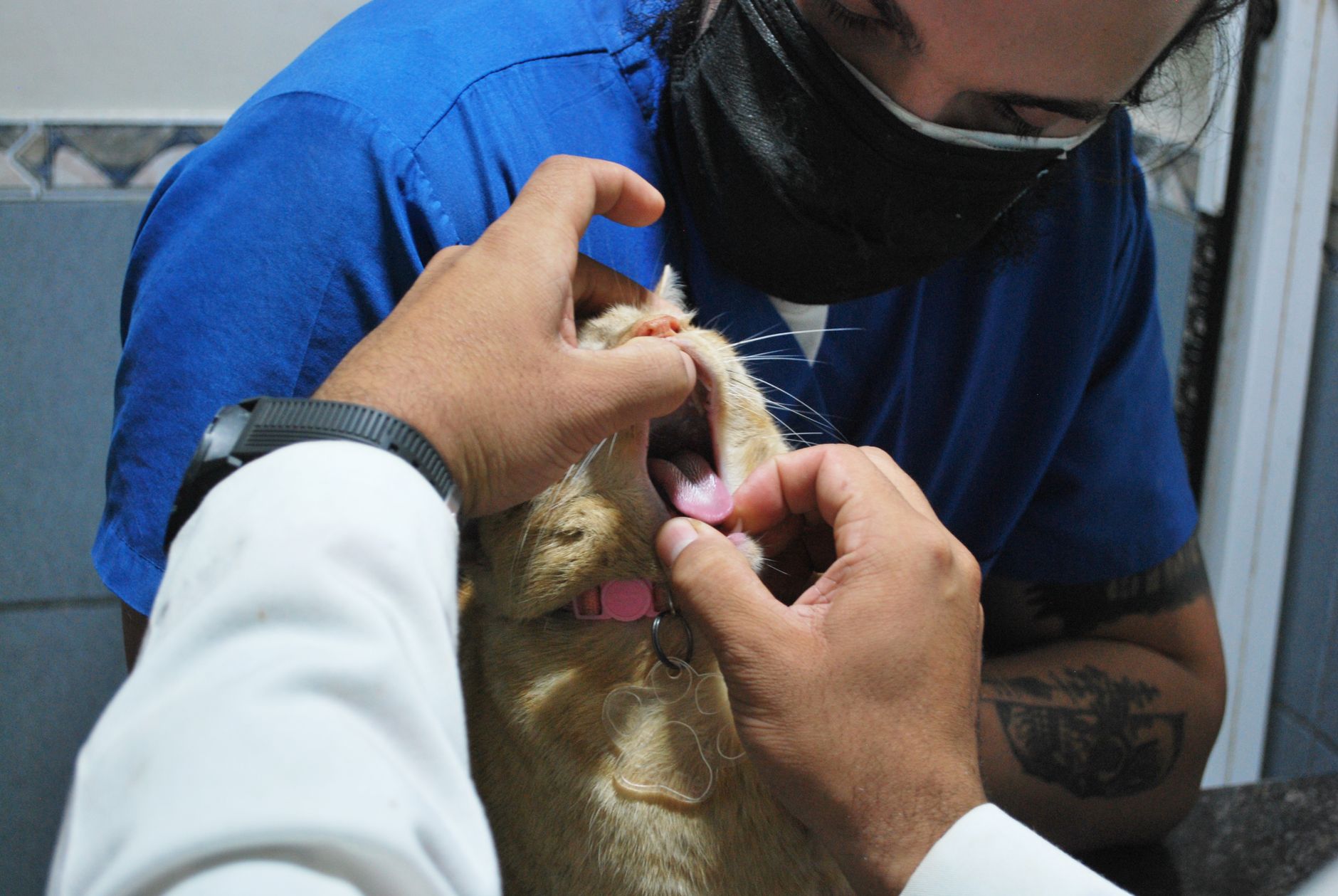
Due to their flat-faced (brachycephalic) structure and genetic heritage, Himalayans are prone to several hereditary health conditions. I always urge prospective owners to buy from breeders who perform rigorous DNA screening for known genetic mutations to give their kitten the best start in life.
Polycystic Kidney Disease (PKD)
An inherited condition where fluid-filled cysts form in the kidneys, slowly multiplying and growing over time, eventually leading to kidney failure. Responsible breeders use DNA testing to eliminate PKD from their breeding lines.
Brachycephalic Airway Syndrome
The characteristic flat face of the breed can cause narrow nostrils (stenotic nares) and an elongated soft palate, which restricts airflow. This makes it difficult for them to breathe, especially in hot or humid weather.
Progressive Retinal Atrophy (PRA)
A genetic eye disease that causes the gradual degeneration of the retina, leading to progressive vision loss and, ultimately, complete blindness. DNA tests are available to identify carriers of this gene.
Hypertrophic Cardiomyopathy (HCM)
The most common form of heart disease in cats, characterized by the abnormal thickening of the heart’s muscular walls, which decreases its efficiency. Regular veterinary echocardiograms are the gold standard for monitoring this condition.
Primary Seborrhea
A skin disorder common in Persian-type cats that causes an overproduction of skin oils, leading to greasy, flaky, and smelly skin and coat issues. This condition requires medicated baths and targeted grooming routines.
Epiphora (Excessive Tearing)
Due to their facial structure, a Himalayan’s tear ducts are often malformed or compressed, preventing normal drainage and causing tears to overflow onto the face. This can lead to chronic skin irritation and bacterial infections.
How long do Himalayans typically live?
With excellent veterinary care, a high-quality diet, and meticulous grooming, Himalayans typically live between 12 and 15 years. Regular vet check-ups, especially focusing on renal and cardiac health, are critical to maximizing their lifespan.
What to Feed a Himalayan
Feeding a Himalayan requires a careful balance of high-quality nutrition and weight management. Because they are highly sedentary, they can easily become overweight, which puts dangerous pressure on their joints and respiratory systems.
Best Diet
I highly recommend a diet rich in high-quality canned wet food to ensure adequate hydration, which is vital for their sensitive kidneys. Look for recipes that are high in animal protein and low in carbohydrates, specifically formulated for longhaired or indoor cats to help manage hairballs.
How to Feed
I always advocate for structured, portion-controlled meals twice a day rather than free-feeding. Free-feeding is a fast track to obesity in this low-energy breed, whereas scheduled meals help you monitor exactly how much they are eating.
How Much to Feed
Portion sizes should be tailored to your cat’s exact weight, age, and activity level. Generally, an adult Himalayan requires about 20 to 25 calories per pound of body weight daily, but you should always consult your veterinarian to establish a precise feeding plan.
Nutritional Tips
Incorporate omega-3 and omega-6 fatty acids (such as wild-caught salmon oil) into their diet to support their massive coat and reduce skin inflammation. Additionally, specialized hairball control treats or supplements can be a lifesaver during heavy shedding seasons.
Himalayan Grooming Guide
Grooming a Himalayan is not optional; it is a daily commitment that requires patience, the right tools, and a gentle touch. If you skip even a couple of days, their fine undercoat will quickly knit together into tight, painful mats that require veterinary shaving.
Coat Care
You will need a high-quality metal greyhound comb and a slicker brush. Comb all the way down to the skin daily, paying close attention to high-friction areas like the armpits, groin, and behind the ears.
Skin Care
Keep a close eye out for greasy patches or dry flakes, which can indicate seborrhea. Regular bathing (every 4 to 6 weeks) with a high-quality cat shampoo is highly beneficial to remove excess oils and loose undercoat.
Eye Care
Because of their flat faces, daily eye cleaning is mandatory. I’ve found that wiping their eye area once or twice a day with a warm, damp cotton ball or specialized veterinary eye wipes prevents painful tear staining and skin infections.
Ear Care
Check their ears weekly for wax buildup or signs of infection. Clean them gently with a vet-approved ear cleaning solution and a cotton round, never inserting anything directly into the ear canal.
Nail & Dental Care
Trim their nails every 2 to 3 weeks to prevent them from snagging on carpets or furniture. Additionally, daily dental brushing is crucial because their crowded jaw structure makes them highly susceptible to periodontal disease.
Considerations for Pet Parents
Pros
- Incredibly affectionate, gentle, and calm temperament
- Strikingly beautiful appearance with gorgeous blue eyes
- Very quiet with a soft, pleasant voice
- Thrives in peaceful, indoor-only environments
- Highly cooperative and well-behaved around the house
- Excellent companion for seniors and single adults
Cons
- Extremely demanding daily grooming routine
- Prone to several serious genetic health issues
- Sensitive to heat and humidity due to flat face
- Frequent eye tearing requires daily facial cleaning
- High shedding throughout the year
Best For
The ideal owner is a calm, dedicated individual or family who views daily grooming as a bonding ritual rather than a chore. They should have a quiet home environment and the financial stability to handle potential veterinary costs associated with the breed’s genetic health risks.
Not Recommended For
I do not recommend this breed for chaotic households with loud, energetic pets or very young, hyperactive children. They are also a poor fit for busy professionals who travel frequently or those who want a low-maintenance, hypoallergenic, or outdoor cat.
Cost
- purchase price$1,000 to $2,500+
- monthly cost$100 to $200
- initial setupExpect to spend $500 to $800 initially on high-quality grooming tools, a sturdy carrier, a cat tree, scratching posts, and initial veterinary vaccinations/microchipping.
Similar Breeds
Persian

Exotic Shorthair
Himalayan FAQs
What is the difference between a Persian and a Himalayan?
The primary difference lies in the coat color and eye color. While the Himalayan is genetically a member of the Persian family and shares the same flat face and long coat, it exclusively possesses the Siamese-style point color pattern and striking blue eyes, whereas Persians come in many colors and eye shades.
Do Himalayans tolerate being left alone during the work day?
They can tolerate moderate periods of alone time if provided with a safe, comfortable environment, but they are not highly independent. I always suggest leaving them with interactive toys or getting a second calm pet to keep them company if you are away for more than 8 hours daily.
How often do you need to bathe a Himalayan cat?
Ideally, they should be bathed every 4 to 6 weeks. Regular bathing helps manage the natural oils in their skin, loosens the dense undercoat before it can mat, and keeps their long, light-colored fur looking clean and smelling fresh.
Why do Himalayan cats have tear stains, and how do you clean them?
Their brachycephalic facial structure compresses their tear ducts, causing tears to overflow onto their face. You can clean these stains by gently wiping the area daily with a soft cloth or cotton pad moistened with warm water or a specialized, vet-approved tear stain remover.
Are Himalayan cats loud or vocal?
No, they are generally very quiet cats. In my experience, when they do vocalize, it is in a very soft, sweet, melodic chirp or purr, which they use to express affection or politely remind you that it is dinner time.
Are Himalayans prone to obesity?
Yes, because of their calm, sedentary nature, they do not burn calories quickly. It is incredibly important to monitor their food intake, avoid free-feeding, and encourage gentle daily play to keep them at a healthy weight and protect their joints.
Do Himalayans have breathing problems?
Many do, owing to their flat-faced structure. They are highly sensitive to heat, humidity, and strenuous exercise, which can cause them to pant or struggle for air, so keeping them in an air-conditioned environment during the summer is critical.
Are Himalayan cats hypoallergenic?
No, they are not hypoallergenic. In fact, their long double coats trap a significant amount of dander, saliva, and urine proteins, making them a relatively poor choice for individuals who suffer from cat allergies.
How do you prevent hairballs in Himalayans?
Daily combing is the absolute best way to prevent hairballs by removing loose fur before the cat can swallow it. Providing a hairball-control diet, regular grooming baths, and vet-approved hairball lubricants or remedies can also significantly reduce their occurrence.
Do Himalayans enjoy being held?
Most Himalayans absolutely love being held and cuddled, as long as it is done gently. They are famous lap cats and will happily melt into your arms, making them incredibly satisfying companions for people who crave a highly affectionate pet.
What kind of grooming tools do I need for a Himalayan?
You will need a professional steel greyhound comb with both wide and fine teeth, a high-quality slicker brush, a face comb for the delicate eye area, safe cat nail clippers, and vet-approved eye wipes. I also recommend a high-velocity pet blow dryer if you plan on bathing them at home.
Can a Himalayan live in a small apartment?
Yes, they are highly suited to apartment living. Because they are quiet, low-energy, and do not require massive running spaces or high vertical territory, they can thrive in even the smallest living arrangements, provided they have a clean litter box and a comfy bed.
What is the temperament of a male vs. female Himalayan?
While individual personalities always vary, male Himalayans are often described as slightly more laid-back, outgoing, and intensely affectionate lap-dwellers. Females are equally loving but can sometimes be a bit more selective and reserved, preferring to seek out attention on their own specific terms.