
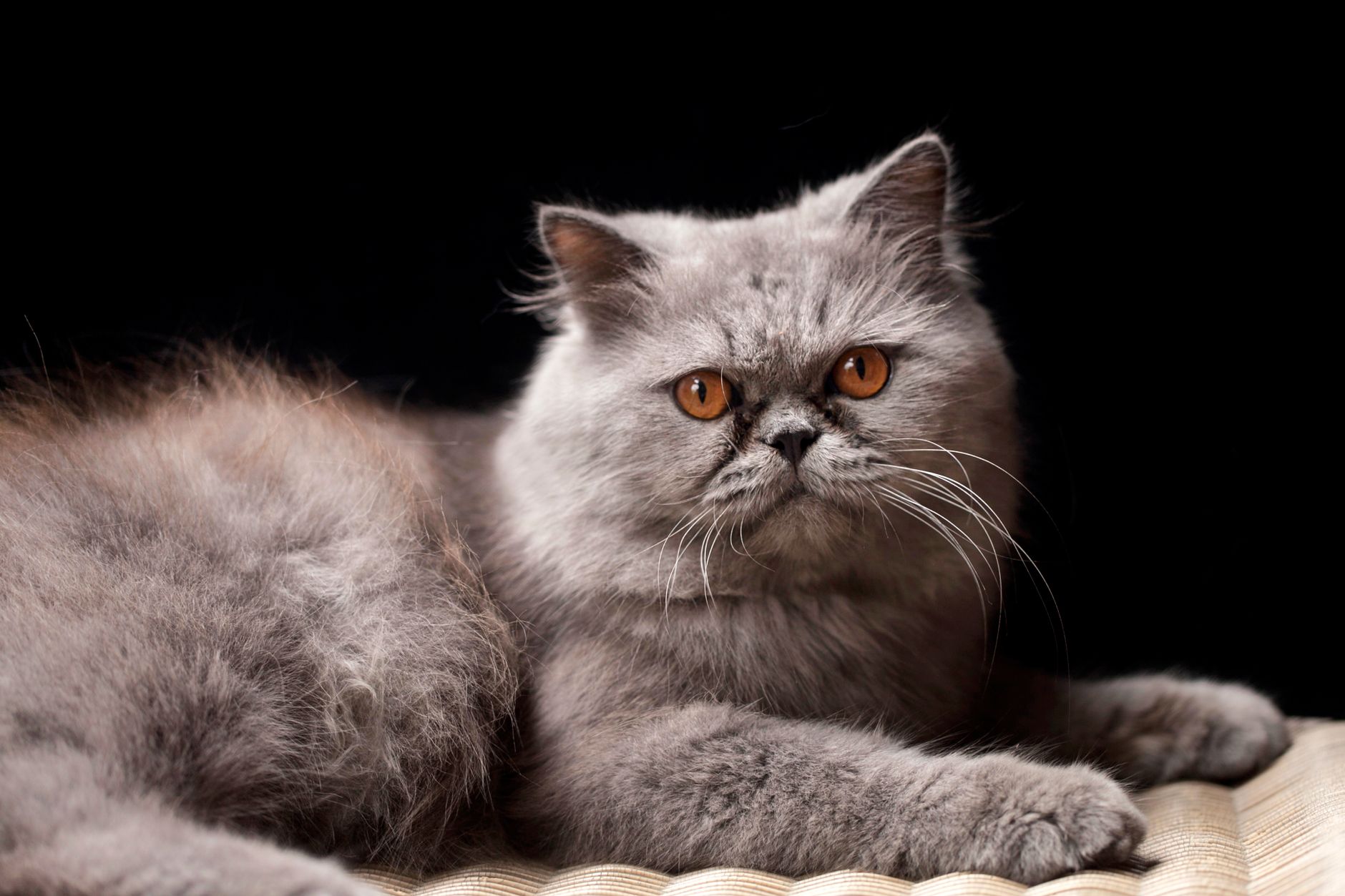
 Persian Cat Grooming: A Daily Brushing Routine That Works” loading=”lazy”>
Quick Summary
Grooming a Persian cat requires a dedicated daily brushing routine to manage their dense double coat and prevent painful matting. Using professional-grade tools like a steel greyhound comb and keeping the flat facial folds clean and dry are essential medical habits. By committing to ten minutes of daily maintenance, owners can avoid severe skin infections, painful pelting, and emergency veterinary visits.
In my years running a feline-focused veterinary practice, I have seen hundreds of Persian cats walk through my clinic doors. While their luxurious coats and sweet, flat faces are undeniably beautiful, they come with a major medical responsibility.
What I see most often in practice is owners who love their cats dearly but are completely overwhelmed by coat maintenance. Left unmanaged, a Persian’s coat will quickly turn into a painful, matted mess that requires medical intervention.
This guide outlines the exact, clinically proven daily brushing routine I recommend to all my Persian clients. With the right tools and a structured approach, you can keep your Persian healthy, happy, and mat-free.
Let us walk through the medical realities and daily habits that make this journey simple and stress-free.
Key Takeaways
- Daily 10-minute brushing sessions are mandatory to prevent the fine undercoat from matting.
- Never use scissors to cut out mats; feline skin is paper-thin and highly prone to severe lacerations.
- Invest in high-quality professional tools, including a steel greyhound comb and a soft-slicker brush.
- Clean the facial folds daily with a damp cloth and dry them completely to prevent yeast infections.
- Bathe your Persian every 4 to 6 weeks, but ensure the coat is entirely mat-free before applying water.
- Establish sanitary trims around the hindquarters to maintain hygiene and prevent urine scalding.
- Pair grooming sessions with high-value treats to create a positive, stress-free routine.
In This Article
- The Unique Anatomy of the Persian Coat
- The Vet-Approved Grooming Toolkit
- The Step-by-Step Daily Brushing Routine
- The Golden Rule of Dematting: Never Use Scissors
- Managing the Brachycephalic Face and Tear Staining
- When Brushing Isn’t Enough: The Role of Bathing
- Clinical Warning Signs: When to See the Vet
- Conditioning Your Cat to Accept the Brush
- Managing the Sanitary Area (The Britches)
The Unique Anatomy of the Persian Coat
To properly care for a Persian, you must first understand what makes their hair so unique. Unlike a standard domestic shorthair, a Persian possesses a dense double coat consisting of a soft, woolly undercoat and longer guard hairs.
This undercoat is incredibly fine, almost like cotton candy, which makes it highly prone to friction, static, and rapid tangling. Because of their brachycephalic (flat-faced) anatomy, Persians cannot easily groom themselves.
Their short tongues simply cannot reach past the thick outer guard hairs to detangle the dense undercoat beneath. This means they are entirely dependent on you to prevent painful matting and skin infections.
Furthermore, the hair follicles in Persians are densely packed, meaning they shed a massive volume of dead hair daily. If this dead hair is not physically brushed out, it becomes trapped in the live coat, initiating the matting process immediately.

The Vet-Approved Grooming Toolkit
I always tell my clients that grooming a Persian with the wrong tools is worse than not grooming them at all. Cheap plastic brushes merely slide over the top of the guard hairs, leaving the undercoat to tangle and mat close to the skin.
Investing in professional-grade tools is non-negotiable if you want to avoid veterinary visits for severe matting. You need tools that can penetrate all the way to the dermis without scraping or irritating the delicate feline skin.
In my practice, I have seen many cats with painful scratches because of poorly made metal brushes. Look for high-quality, rounded-tip metal teeth that glide smoothly and protect the skin barrier.
Having a dedicated kit kept in a dry, clean place ensures you are always ready for the daily session. These tools will save you hundreds of dollars in professional grooming and veterinary sedation shave fees over your cat’s lifetime.
- A professional greyhound comb with dual-spaced steel teeth for deep detangling
- A soft-slicker brush with coated pins to gently smooth the topcoat and collect loose hair
- A dedicated face comb with extra-fine teeth to clear debris around the eyes and muzzle
- A high-quality mat splitter or dematting rake for safely addressing small, tight knots
- Cornstarch or a vet-approved detangling spray to reduce friction during brushing sessions

The Step-by-Step Daily Brushing Routine
Establishing a consistent schedule is the absolute key to success with this breed. A missed day or two can quickly escalate into a severe matting situation, especially during seasonal shedding periods in the spring and autumn.
I recommend dedicating just ten to fifteen minutes every single day at the same time to keep the coat manageable. This predictability helps reduce your cat’s anxiety and turns grooming into a positive, expected part of their day.
Always start the session when your cat is relaxed, perhaps after a play session or a meal. Approach the grooming process systematically, moving from head to tail so you do not miss any hidden spots.
- Step 1: Perform a gentle physical inspection with your hands to feel for hidden mats near the skin.
- Step 2: Use the wide-toothed side of the steel greyhound comb to gently loosen the undercoat starting from the legs up.
- Step 3: Switch to the fine-toothed side of the comb to capture smaller tangles, especially around the collar and ears.
- Step 4: Smooth the entire coat with the soft slicker brush to remove loose guard hairs and add shine.
- Step 5: Finish with a high-value treat to reinforce that grooming is a positive experience.
Handling Sensitive Friction Zones
Pay extra attention to the armpits, groin, behind the ears, and the belly, as these high-friction areas mat first. Always support the skin with your fingers while combing these delicate zones to prevent painful pulling.
If your cat tenses up or tries to bite, stop immediately and give them a break. Forcing the issue in these highly sensitive zones will quickly break their trust and make future grooming sessions incredibly difficult.

The Golden Rule of Dematting: Never Use Scissors
In my clinic, I have had to suture countless accidental lacerations because well-meaning owners tried to cut out mats with scissors. A cat’s skin is incredibly thin, highly elastic, and easily pulled up into the base of a mat.
When you snip at a mat, you are highly likely to cut the skin itself, causing severe wounds and trauma. These wounds often require emergency surgery, stitches, and a long course of antibiotics to heal safely.
If you encounter a tight mat that cannot be gently teased apart, you must use safe, specific techniques to resolve it. Slow, patient work with the correct tools is the only way to protect your cat’s physical safety.
- Apply a pinch of cornstarch directly to the mat to help lubricate the hair fibers.
- Gently use your fingers to peel the mat apart from the outside edges inward.
- Slide a professional mat splitter into the knot, moving away from the skin in short, controlled strokes.
- Never pull or yank on the mat, as this can bruise the skin and ruin your cat’s trust in the grooming process.
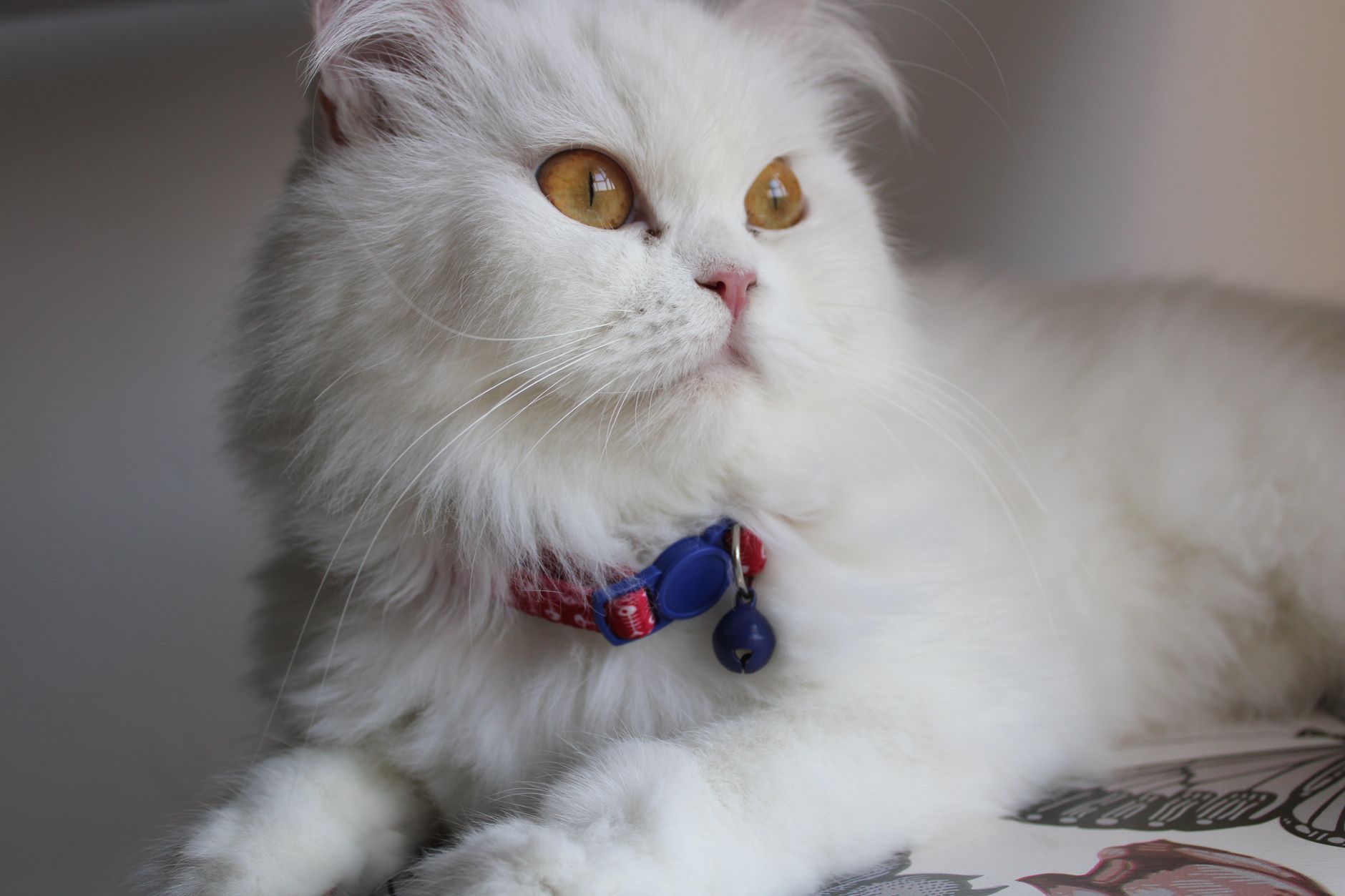
Managing the Brachycephalic Face and Tear Staining
Because of their flat faces, Persians frequently suffer from malformed tear ducts that overflow constantly. This chronic tearing leads to unsightly staining, dampness, and eventually, painful yeast or bacterial infections in the deep facial folds.
Daily facial hygiene is just as important as brushing the body coat for this breed. If you ignore the facial folds, your cat will develop a sour odor and painful, raw skin lesions beneath the fur.
I often see cats with severe facial dermatitis because owners did not dry the folds after wiping them. Moisture is the perfect breeding ground for microbes, so keeping the area dry is absolutely critical.
- Wipe the eye area daily using a warm, damp, lint-free cloth or a veterinary eye wipe.
- Gently dry the skin folds after wiping to prevent moisture from trapping yeast and bacteria.
- Use an extra-fine face comb to gently remove dried crusts and food debris from the muzzle daily.
- Watch for signs of foul odor, redness, or swelling within the folds, which require veterinary attention.
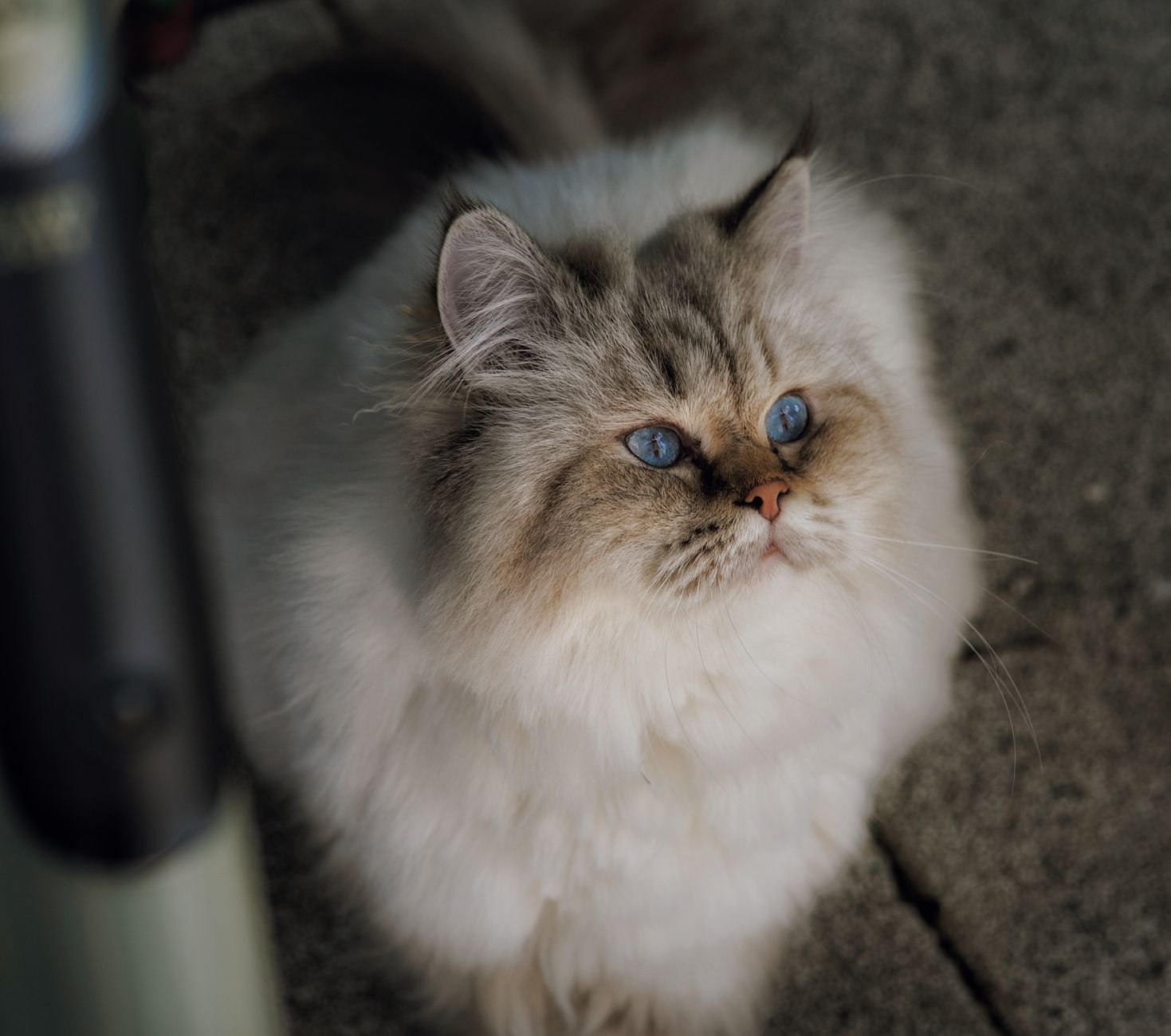
When Brushing Isn’t Enough: The Role of Bathing
Many people believe cats should never be bathed, but this rule does not apply to the Persian breed. Over time, natural sebum and skin oils build up in the dense undercoat, making the hair sticky and highly prone to matting.
I recommend bathing your Persian every four to six weeks to keep the coat clean, light, and easy to comb. Regular bathing washes away the grease that acts as an adhesive for shedding hairs.
However, you must ensure the coat is completely mat-free before letting water touch your cat. Introducing water to an already matted coat is a recipe for disaster that often results in a full body shave.
The Pre-Bath Detangling Requirement
Water acts like glue on existing tangles, shrinking them and locking them into tight, solid pelts close to the skin. Always perform a thorough, deep comb-out before starting the bath to prevent irreversible matting.
I have had clients bring in cats that became completely pelted after a bath because they skipped this step. Once a pelt forms from water exposure, a medical shave under sedation is usually the only humane solution.
Choosing the Right Products
Use only high-quality, soap-free feline shampoos that match the natural pH of a cat’s skin. Avoid human shampoos entirely, as they strip essential oils and cause severe dryness, scaling, and itching.
Look for products containing soothing ingredients like oatmeal or aloe vera to keep the skin hydrated. Always rinse the coat thoroughly, as shampoo residue can cause severe contact dermatitis and lead to self-mutilation from scratching.
Clinical Warning Signs: When to See the Vet
Sometimes, despite your best efforts, a Persian’s coat can get out of control or develop underlying medical issues. As a veterinarian, I want to see these cats before the condition worsens into a systemic health crisis.
Severe, pelted matting is not just cosmetic; it restricts movement, traps urine and feces, and hides painful skin infections. Understanding the warning signs that indicate a need for professional medical grooming is crucial for your pet’s welfare.
When skin is trapped under mats, it cannot breathe, leading to hot spots, bacterial infections, and maggot infestations in warm weather. If you notice any of these severe signs, please contact your veterinarian rather than trying to handle it at home.
- A tight, solid layer of matted fur that covers large areas of the back, belly, or limbs
- A sour, damp, or foul odor emanating from the skin folds or the base of the tail
- Redness, oozing, crusting, or hot spots visible beneath the fur when you parted it
- Fleas, ticks, or deep dandruff scaling that doesn’t resolve with gentle combing
- Intense itching, biting at the skin, or extreme vocalization and pain when touched
Conditioning Your Cat to Accept the Brush
If your Persian hates being brushed, do not despair; you can rebuild their confidence using positive reinforcement. Cats are highly sensitive to pressure and fear, so force-grooming will only make them fight harder next time.
The goal is to pair the sight and feel of the grooming tools with pleasant experiences and high-value rewards. Start with very short sessions—even thirty seconds—and gradually increase the duration as your cat becomes comfortable.
Never punish your cat for pulling away or showing discomfort during a session. Instead, reward cooperative behavior generously and always end the grooming session on a positive, successful note.
- Leave the brushes out in your cat’s environment so they can sniff and investigate them freely.
- Only brush when your cat is already relaxed, such as after a meal or during quiet midday hours.
- Use a lick-mat with wet food or squeeze treats to keep your cat distracted and happy while you work.
- Keep your sessions brief and positive, stopping before your cat shows signs of irritation like tail-flicking.
Managing the Sanitary Area (The Britches)
The long, dense fur around a Persian’s hindquarters—often called the britches—is a major hotspot for hygiene issues. Feces and urine can easily become trapped in this long hair, leading to unsanitary conditions and skin scalding.
In my practice, I frequently treat severe skin infections caused by trapped waste in the perineal region. Keeping this area clean and trimmed is vital for both hygiene and your cat’s comfort.
A sanitary trim involves carefully shortening the fur around the anus and down the back legs. This simple maintenance step makes a world of difference in preventing messy litter box mishaps.
- Trim the fur around the anus and hind legs every 3 to 4 weeks using safe pet clippers.
- Check the sanitary area daily for any trapped litter, feces, or dampness from urine.
- Use unscented, cat-safe grooming wipes to clean the area if any soilage occurs.
- Ensure your cat’s litter box is clean and large enough to prevent them from stepping in their own waste.
Frequently Asked Questions
How often should I brush my Persian cat?
You should brush your Persian cat at least once a day, ideally for 10 to 15 minutes. Daily brushing prevents the fine undercoat from tangling and forming painful mats.
What should I do if my Persian cat has a severe mat?
Never use scissors to cut out a mat, as cat skin is very thin and easily cut. Instead, use a mat splitter or a dematting rake, or seek professional veterinary grooming assistance if the mat is close to the skin.
Can I shave my Persian cat?
Yes, some owners choose a professional ‘lion cut’ or sanitary trim to make coat maintenance easier. However, this should be done by a professional groomer or veterinarian to prevent injury to the cat’s delicate skin.
Why is my Persian cat’s face always wet?
Persians have a flat facial structure that often prevents their tear ducts from draining properly. This causes tears to overflow onto their face, requiring daily cleaning and drying to prevent skin infections.
How often should I bathe my Persian cat?
I recommend bathing your Persian cat every 4 to 6 weeks. Bathing helps remove natural skin oils and sebum that build up in the dense undercoat and cause the fur to stick together.
What shampoo is safe for my Persian cat?
Always use a high-quality, soap-free feline shampoo that matches the natural pH of a cat’s skin. Avoid human shampoos and products with heavy artificial fragrances, which can cause severe dryness and irritation.
Sources & Further Reading
- The Cat Fanciers’ Association (CFA)
- International Cat Care
- Cornell University College of Veterinary Medicine
- PetMD
Final Thoughts
Grooming a Persian cat is not a luxury; it is a fundamental aspect of their medical care. As a veterinarian, I cannot emphasize enough how much a daily brushing routine impacts your cat’s quality of life.
By committing to just ten minutes a day with the correct tools, you prevent painful matting, skin infections, and stressful veterinary visits. Remember to keep sessions positive, handle sensitive areas gently, and never hesitate to seek professional help when needed.
Your Persian relies entirely on you to keep their magnificent coat clean, comfortable, and healthy.