
Bengal Cat Litter Box Problems: Causes and Fixes
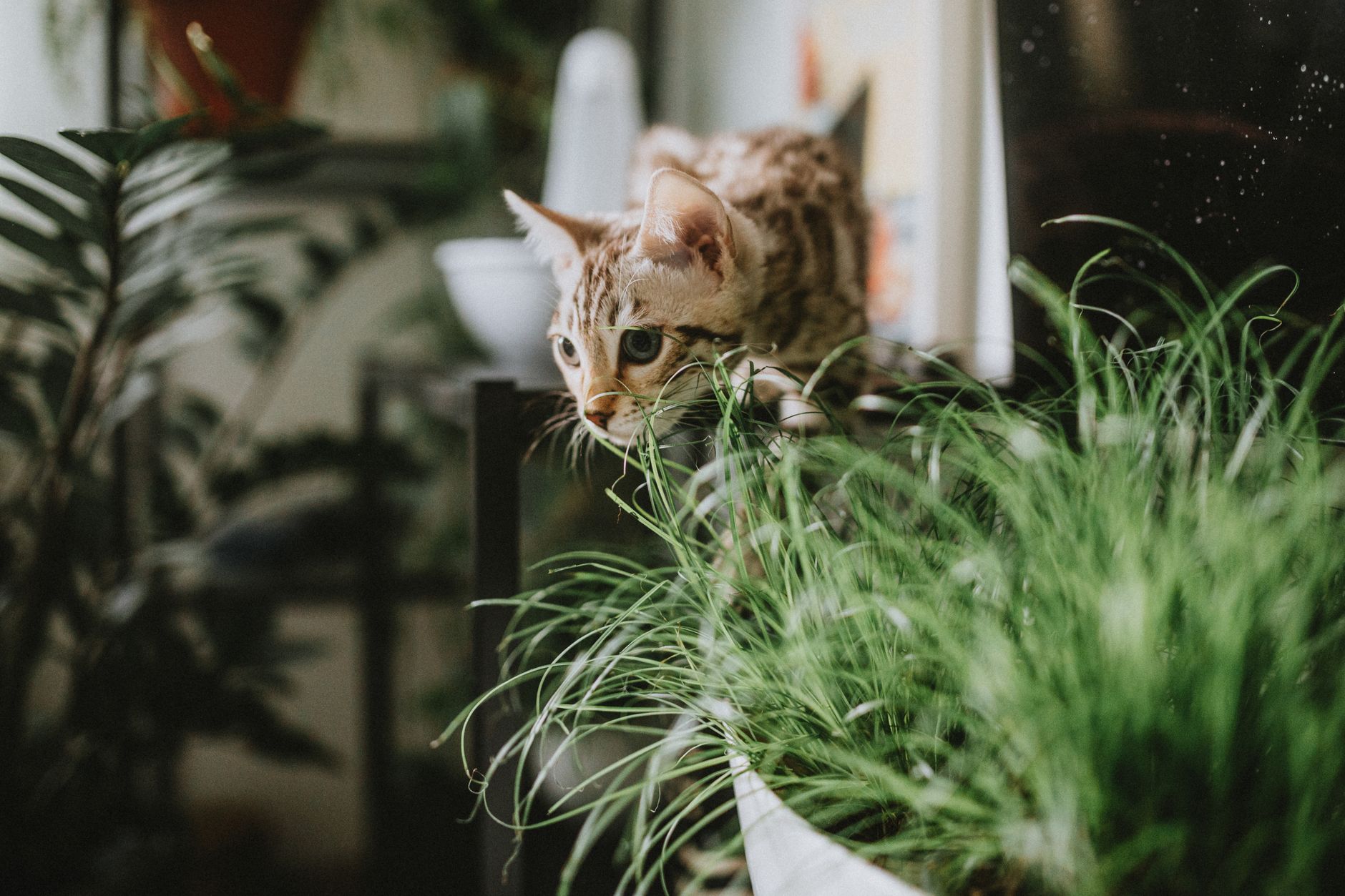 Bengal Cat Litter Box Problems: Causes and Fixes” loading=”lazy”>
Quick Summary
Bengal cat litter box issues are rarely simple behavioral defiance; they are typically rooted in their unique wild ancestry, a medical issue like Feline Idiopathic Cystitis (FIC), or environmental stressors. Resolving these challenges requires a systematic approach of ruling out pain first, optimizing box setups to match their wild instincts, and using professional-grade enzymatic cleaners to eliminate pheromone triggers.
As an Amazon Associate, we earn from qualifying purchases.
Popular with cat owners: Cat Litter · Enzyme Stain & Odor Remover · Lick Mat
In my years treating exotic and high-energy feline breeds, I have found that Bengals are in a class of their own. They are brilliant, athletic, and fiercely sensitive to their environments.
When a Bengal stops using their litter box, it is never a random act of spite. Instead, it is a flashing neon sign that something in their physical or emotional world is off-balance.
I always tell my clients that solving this issue requires a mix of veterinary medicine, environmental engineering, and behavioral detective work.
Key Takeaways
- Always rule out painful urinary tract conditions like FIC and bladder stones first.
- Bengals require exceptionally clean litter boxes due to their wild heritage and sensitive senses.
- Apply the N+1 rule: always provide one more litter box than the number of cats in the home.
- Avoid scented litters, hooded boxes, and tight corners that can make a Bengal feel trapped.
- Use professional enzymatic cleaners to completely neutralize uric acid from accidents.
- Reduce territorial stress by blocking views of outdoor feral cats and providing vertical territory.
In This Article
- The Wild Blueprint: Why Bengals Are Different
- Medical Culprits: Rule Out Pain First
- The Golden Rules of Bengal Litter Box Setup
- Substrate Sensitivities: Finding the Right Litter
- Environmental Stress and Territorial Anxiety
- Cleaning Protocols and the Science of Enzymatic Cleaners
- Behavioral Retraining: Re-Establishing Good Habits
The Wild Blueprint: Why Bengals Are Different
Bengal cats carry the genetic legacy of the wild Asian Leopard Cat (Prionailurus bengalensis). This ancestral heritage means their instincts are much closer to the wild than your average domestic tabby.
In my practice, I find that Bengals are hyper-aware of their territory. In the wild, leaving waste in the wrong spot can attract predators or challenge a rival.
When their domestic setup does not feel perfectly secure, their primal instincts kick in. This often leads to out-of-box elimination as a way to secure their boundaries.
- Highly acute sense of smell that rejects artificial scented cover-ups
- Primal drive to secure and patrol territorial boundaries
- Strong preference for large, open latrine areas with clear escape routes
- High intelligence that easily links negative experiences to the box itself
Dr. Elsey’s Ultra Premium Clumping Cat Litter, 40 lb
- ✓99.9% dust-free clay
- ✓Hard clumping for easy scooping
- ✓Unscented
- Strong odour control without perfume
- Low tracking keeps floors cleaner

Medical Culprits: Rule Out Pain First
Before we talk about behavior, we must talk about pain. When a cat associates the litter box with physical discomfort, they will naturally avoid it.
I regularly diagnose urinary tract issues in Bengals presenting with box aversion. Conditions like Feline Idiopathic Cystitis (FIC) are highly prevalent in this stress-prone breed.
FIC causes severe bladder inflammation without an active bacterial infection. This means emotional stress directly translates to physical urinary pain.
- Straining to urinate or spending excessive time in the box
- Meowing, crying, or yowling while attempting to eliminate
- Licking the genital area excessively after using the box
- Urinated spots containing visible blood or a pinkish tint
- Urinating on cool, smooth surfaces like tile, sinks, or bathtubs
The Threat of Bladder Crystals
Microscopic crystals, such as struvite or calcium oxalate, can form in a Bengal’s urine. These crystals act like tiny shards of glass, causing intense pain during urination.
I always perform a urinalysis and sediment evaluation to catch these early. In male cats, these crystals can lead to a life-threatening urethral blockage.

The Golden Rules of Bengal Litter Box Setup
If your Bengal gets a clean bill of health, we must look at the box setup. Many owners make the mistake of using standard, commercial-sized litter boxes.
Your Bengal needs a box that is at least 1.5 times their body length from nose to tail. For a large Bengal, this often means upgrading to a heavy-duty, open-top plastic storage tote instead of a standard pet-store box.
Location is just as critical as size. Bengals must feel safe and in control of their surrounding space while in the box.
- Deploy the N+1 rule: if you have 1 Bengal, you need 2 boxes; if you have 2 cats, you need 3
- Place boxes in low-traffic, quiet areas with multiple exit paths to prevent trapping
- Avoid dark, enclosed, or hooded boxes that trap ammonia smells and block peripheral vision
- Never place litter boxes near loud household appliances like washing machines or furnaces
Fresh Step Odor Shield Multi-Cat Clumping Litter
- ✓ClumpLock locks in liquid and odor
- ✓Absorbs quickly for a dry box
- ✓Made for multi-cat homes
- A low-dust, clumping litter makes scooping easy and keeps odours under control

Substrate Sensitivities: Finding the Right Litter
Bengal paws are highly sensitive. In the wild, their ancestors used soft sand or loose soil to bury their waste.
Many commercial litters are made of coarse, artificial materials that feel like walking on gravel to a Bengal. Additionally, artificial scents designed to please human noses can overwhelm a Bengal’s highly sensitive olfactory system.
This sensory overload is a frequent cause of sudden litter box rejection. Choosing the right texture can make a dramatic difference.
- Choose fine-grained, sandy textures over coarse clays, paper, or wood pellets
- Stick strictly to unscented litters to avoid overwhelming their nasal passages
- Avoid dusty formulations that can irritate their airways and eyes
- Keep a consistent litter depth of about 2 to 3 inches for comfortable digging

Environmental Stress and Territorial Anxiety
Bengals are highly emotional and easily stressed by environmental changes. A new baby, a move, or even a stray cat outside can throw them into a tailspin.
In my clinical experience, territorial anxiety is the number one behavioral cause of Bengal litter box issues. When they feel their territory is threatened, they use their urine as a chemical signpost.
This behavior is an attempt to claim their space and soothe their internal anxiety. We must address the root stressor to stop the marking.
- Introduce Feliway optimum diffusers to mimic calming feline facial pheromones
- Block lower windows if outdoor cats are visible and triggering territorial distress
- Establish a highly predictable daily routine for feeding, play, and attention
- Provide ample vertical territory like cat trees and wall shelves to build confidence
Multi-Cat Household Dynamics
In homes with multiple cats, passive bullying often occurs near the litter box. A dominant cat might block the hallway or stairwell leading to the box.
Ensure your boxes are distributed across different floors of the house. This prevents a single cat from guarding all the resources.

Cleaning Protocols and the Science of Enzymatic Cleaners
If your Bengal has an accident, standard household cleaners will not cut it. Even if you cannot smell the urine, your Bengal’s superior nose can.
Urine contains uric acid, which does not dissolve in water or standard soap. Traditional cleaners leave these crystals behind, signaling to your Bengal that the carpet is an approved bathroom.
You must use a specialized enzymatic cleaner to break down the uric acid molecules. This chemically neutralizes the scent completely.
- Soak the soiled area thoroughly with a high-quality enzymatic cleaner
- Allow the cleaner to sit and air-dry naturally; do not scrub or apply heat
- Avoid ammonia-based cleaners entirely, as ammonia is a component of urine
- Use a blacklight (UV light) in a dark room to locate hidden or dried urine spots

Behavioral Retraining: Re-Establishing Good Habits
Once you have resolved the medical and environmental issues, you may need to retrain your Bengal. This process requires patience, consistency, and absolute calm.
Never yell at, scold, or punish your Bengal for an accident. They will not associate the punishment with the accident; instead, they will learn to fear you, which increases their stress.
Focus on rebuilding a positive relationship with the box. Small, incremental steps will yield the best long-term results.
- Confine your Bengal temporarily to a small, comfortable room with their box and bedding
- Use positive reinforcement like high-value treats immediately after they use the box correctly
- Gradually expand their territory as they demonstrate consistent litter box use
- Incorporate a ‘litter attractant’ herb mixture to naturally draw them back to the substrate
-
Rocco & Roxie Enzyme Stain & Odor EliminatorEnzyme cleaners break down urine and odour completely, which stops pets re-marking the same spot
-
ChefAide Lick Mat for Dogs, 2 PackLicking is naturally calming, so a lick mat with spread-on food helps during baths, nail trims and storms
-
PETLIBRO Dockstream 2 Stainless Steel Cat Water FountainMoving, filtered water encourages pets to drink more, which supports kidney and urinary health
Related Cat Guides
Frequently Asked Questions
How often should I scoop my Bengal’s litter box?
You should scoop your Bengal’s litter box at least twice a day. Bengals are exceptionally clean animals and will often refuse to use a box that contains even a single stool.
Can I use a self-cleaning litter box for my Bengal?
Generally, I advise against it. The sudden mechanical movements and motor noises can easily terrify a sensitive Bengal, creating a strong negative association with the box.
Why is my Bengal peeing specifically on my bed or couch?
Soft, absorbent surfaces like beds and couches carry your scent strongly. Your Bengal is combining their scent with yours to feel safe, which is a classic sign of separation or territorial anxiety.
Should I take my Bengal to the vet immediately if they stop using the box?
Yes, absolutely. A sudden change in litter box habits is often the only outward sign of a painful medical condition like FIC, UTI, or bladder stones, which can quickly become life-threatening blockages in males.
Will spaying or neutering my Bengal fix their spraying issues?
Yes, in the vast majority of cases. Hormonal spraying is a mating and territorial behavior; spaying or neutering before puberty (around 5-6 months) prevents or drastically reduces this behavior.
Sources & Further Reading
- American Veterinary Medical Association (AVMA)
- Cornell University College of Veterinary Medicine
- The Cat Fanciers’ Association (CFA)
- International Cat Care
Final Thoughts
Litter box issues in Bengals can feel incredibly frustrating, but they are always a solvable puzzle. By understanding their wild heritage, ruling out underlying medical pain, and creating a stress-free environment, you can restore peace to your home.
Remember to take it step-by-step and never rush the process of rebuilding their trust. Your Bengal relies on you to decode their signals and guide them back to health.
If you are struggling to make progress, please partner with your local veterinarian to ensure your beautiful Bengal is healthy, comfortable, and thriving.