
Khao Manee Breed Guide

Quick Summary
The Khao Manee is an ancient, striking Thai breed known for its pure white coat, jewel-like eyes, and relentless, high-energy affection. As a veterinarian, I advise that these are not decorative ornament cats; they are demanding, highly social companions that thrive on human interaction and intensive play, making them perfect for active households.
Quick Facts
- origin countryThailand
- breed groupForeign
- sizeMedium, athletic, lithe
- weight range6 to 11 lbs (2.7 to 5.0 kg)
- height range10 to 12 inches (25 to 30 cm)
- lifespan10 to 15 years
- coat typeShort, smooth, close-lying with minimal undercoat
- common colorsPure white
- other namesDiamond Eye, Khao Plort, White Gem
- recognized byCFA, TICA
Caring for a Khao Manee
Living with a Khao Manee is like having a vibrant, white shadow trailing your every move. In my clinical experience, these cats do not tolerate isolation well and will vocalize their displeasure if left alone for standard workdays. They require daily cognitive stimulation, structured interactive play, and environmental enrichment like vertical climbing trees. Ensuring they are kept strictly indoors is vital, not just for safety, but specifically to protect their sensitive white skin from harmful UV rays.
Is a Khao Manee a good family pet?
Absolutely, they thrive in bustling environments. Their highly social nature means they welcome the attention of children and bond closely with multiple family members rather than just one person.
Do Khao Manees shed a lot?
No, they have a single coat with virtually no undercoat, resulting in very minimal shedding. A quick weekly brush is usually all that is needed to keep their pure white coat gleaming.
Is a Khao Manee good for first-time owners?
Only if the owner is prepared for a highly energetic and demanding cat. If you expect a quiet, low-maintenance lap cat, their intense need for stimulation and vocal communication may overwhelm a novice.
Temperament & Personality
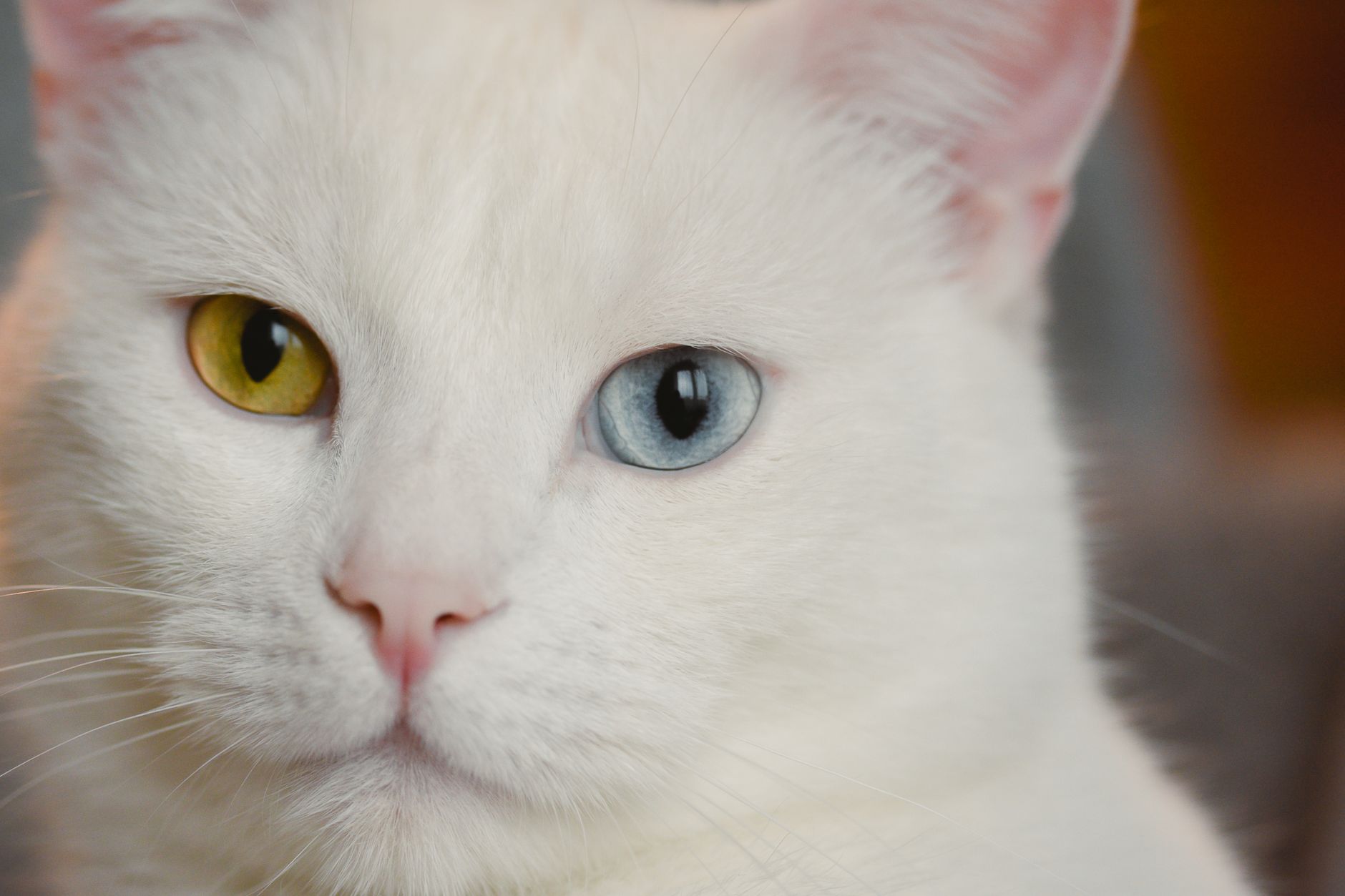
The Khao Manee is inquisitive, exceptionally active, and highly communicative. They possess an outgoing, dog-like personality, frequently greeting visitors at the door and insisting on participating in every household activity. What I see most often in practice is that these cats behave more like busy toddlers, opening cupboards and retrieving toys. They are not independent loners; they crave and demand constant human connection.
Is a Khao Manee good with other pets?
Yes, they are exceptionally gregarious and generally do very well with other cats and friendly dogs. In fact, because they dislike being alone, having a compatible animal companion is highly recommended.
How much attention does a Khao Manee need?
They require a significant amount of active daily engagement. Expect to spend at least 30 to 45 minutes daily in structured play, alongside passive cuddle time when you are resting.
Training & Behavior
Highly intelligent and motivated by human interaction, Khao Manees excel at learning tricks and commands. They respond remarkably well to positive reinforcement and clicker training, often mastering tasks faster than many dog breeds. However, their high intelligence means they can easily learn undesirable behaviors, like opening doors or cabinets, if not given proper behavioral outlets.
Training Tips
- Use positive reinforcement clicker training with high-value treats like freeze-dried chicken.
- Begin leash and harness training early to safely satisfy their outdoor curiosity.
- Keep training sessions short (3-5 minutes) and highly engaging to prevent boredom.
- Teach a reliable ‘come’ command early to help manage their mischievous roaming habits.
Fun Activities
- Playing fetch with lightweight crinkle balls or felt mice
- Navigating agility courses or jumping hoops
- Solving advanced puzzle feeders to earn their dry kibble
- Leash walking in quiet, shaded backyard areas
- Interactive wand toy play simulating bird and insect movements
Is a Khao Manee easy to train?
Yes, they are among the easiest cat breeds to train due to their high intelligence and desire to interact. They can quickly learn to fetch, sit, and walk on a leash when motivated by positive rewards.
Khao Manee Health Issues

In my clinical practice, the Khao Manee is generally a robust and structurally sound natural breed with few genetic anomalies. However, their striking white coat and occasional blue eyes link them to specific hereditary and environmental health risks that owners must actively manage.
Congenital Deafness
Linked to the pleiotropic effects of the dominant white gene (W), deafness can occur in one or both ears, particularly in blue-eyed or odd-eyed individuals. This is caused by the degeneration of the inner ear’s cochlea starting around one week of age.
Squamous Cell Carcinoma (SCC)
Because of their pure white coat and lack of protective melanin, Khao Manees are highly susceptible to solar dermatitis and subsequent squamous cell carcinoma, a malignant skin cancer, on sparsely haired areas like the ear tips, eyelids, and nose.
Patellar Luxation
This occurs when the patella (kneecap) slips out of its normal anatomical groove. While more common in toy dogs, we do diagnose this in active, athletic oriental cat breeds.
Kinked Tail
A common genetic trait in many native Thai cat breeds where the vertebrae at the tip of the tail are fused or deformed. This is purely cosmetic and does not cause pain or functional issues.
How long do Khao Manees typically live?
With excellent veterinary care, a high-quality diet, and a strictly indoor lifestyle, Khao Manees frequently live between 10 and 15 years, with some reaching up to 18 years.
What to Feed a Khao Manee
To maintain their lean, muscular physique, Khao Manees require a precisely balanced diet that supports high energy expenditure without causing obesity. As a vet, I emphasize preventing weight gain, as even one extra pound can put undue stress on their active joints.
Best Diet
A high-protein, moderate-fat diet rich in animal-based proteins (such as chicken, turkey, or salmon) is ideal. Wet food is highly recommended to ensure adequate hydration, which supports kidney and urinary tract health.
How to Feed
I strongly advise against free-feeding (leaving food out all day) for this active breed. Instead, feed measured meals twice daily, or use interactive puzzle feeders to satisfy their cognitive needs during mealtime.
How Much to Feed
Portion size should be based on target weight and activity level, typically averaging 200 to 250 calories per day for an active 8-pound adult cat. Always consult your veterinarian to calculate your specific cat’s exact caloric needs.
Nutritional Tips
Incorporate Omega-3 fatty acids (like EPA and DHA from marine oils) to support skin health and protect their joints. Avoid diets with excessive carbohydrate fillers, which can lead to unwanted fat accumulation.
Khao Manee Grooming Guide
The Khao Manee’s grooming routine is exceptionally low-maintenance due to their single coat. However, proactive care of their ears, teeth, and skin is essential to prevent common feline ailments.
Coat Care
Brush the coat once a week with a soft-bristled brush or rubber grooming mitt to remove loose hairs and distribute natural skin oils. They are naturally clean cats that rarely require bathing.
Skin Care
Monitor skin carefully for signs of sun damage. Apply pet-safe, non-toxic sunscreen to the ear tips and bridge of the nose if they enjoy sunbathing by the window.
Ear Care
Inspect ears weekly for wax buildup, redness, or odor, which can indicate infection. Clean only when necessary using a vet-approved, gentle ear flushing solution.
Nail & Dental Care
Clip nails every 2-3 weeks to protect furniture and family. Brush teeth daily (or at least 3 times a week) with veterinary enzymatic toothpaste to combat periodontal disease.
Considerations for Pet Parents
Pros
- Extremely affectionate, social, and loyal companion
- Very low-maintenance grooming requirements
- Highly intelligent and exceptionally easy to train
- Generally healthy with fewer complex genetic diseases
- Highly playful and maintains a kitten-like energy into adulthood
- Gets along beautifully with children and other household pets
Cons
- Prone to separation anxiety and cannot be left alone for long periods
- Can be highly vocal and demanding when seeking attention
- Requires intense daily mental and physical stimulation
- High susceptibility to sunburn and skin cancer if exposed to UV light
- Hard to find and can be very expensive to purchase from reputable breeders
Best For
Active households, families with older children, multi-pet homes, or individuals who work from home and want a highly interactive, dog-like feline shadow.
Not Recommended For
Busy professionals who are away from home for 10-12 hours a day, those seeking a quiet, sedentary lap cat, or households unable to secure windows against UV exposure.
Cost
- purchase price$1,500 to $3,000 USD
- monthly cost$80 to $150 USD
- initial setupExpect to spend $500 to $800 initially on high-quality vertical cat trees, scratching posts, microchip placement, BAER hearing testing, and essential pediatric veterinary visits.
Similar Breeds

Khao Manee FAQs
Are all Khao Manee cats deaf?
No, not all Khao Manees are deaf. While the dominant white gene (W) and blue eyes increase the risk of congenital deafness, many Khao Manees have normal hearing. Reputable breeders use BAER testing to screen kittens.
What color are a Khao Manee’s eyes?
A Khao Manee can have brilliant blue, gold, yellow, green, or amber eyes. The most famous and prized variation is ‘odd-eyed’ (one blue eye and one yellow/green eye), but single-colored eyes are also perfectly standard.
Are Khao Manees hypoallergenic?
No, they are not hypoallergenic. They produce the Fel d 1 protein in their saliva and dander just like other cats, though their low-shedding single coat may make symptoms slightly more manageable for some mild allergy sufferers.
Do Khao Manee cats have health problems?
They are generally a very healthy, natural breed. Their primary health risks are congenital deafness (linked to the white coat and blue eyes) and squamous cell carcinoma (skin cancer) from UV exposure.
Can Khao Manees go outside?
I strongly recommend keeping Khao Manees as strictly indoor cats. Their pure white skin burns easily in the sun, leading to skin cancer, and their trusting, highly active nature makes them vulnerable to outdoor hazards.
Why are Khao Manees so expensive?
They are exceptionally rare outside of their native Thailand. Importing lines, maintaining strict breed standards, and conducting necessary health screenings (like BAER tests) contribute to their high price point.
Are they very vocal like Siamese cats?
Yes, they are highly communicative, though their voice is typically described as slightly softer and less raspy than a traditional Siamese. They will happily hold ‘conversations’ with you to demand food or attention.
Do they get along with dogs?
Yes, their bold and social temperament makes them excellent companions for cat-friendly dogs. They often enjoy playing interactive games or cuddling up with a canine housemate.
How can I tell if my white cat is a Khao Manee?
A true Khao Manee will have pedigree registration papers tracing back to approved lines. Many domestic white cats look similar, but without registration, they are classified as domestic shorthairs.
What is the history of the Khao Manee?
They originated in Thailand, where they were considered royal cats and were mentioned in the Tamra Maew (The Cat-Book Poems) dating back to the 14th century. They were historically believed to bring good luck and fortune.
Do Khao Manee kittens have a dark spot on their head?
Yes, many Khao Manee kittens are born with a small dark smudge or spot between their ears. This is normal and typically fades completely by the time they reach one year of age, leaving them pure white.
Do they like water?
While not all do, many Khao Manees exhibit a fascination with water. It is not uncommon for them to play with running tap water, dip their paws in water bowls, or inspect the shower.
What type of toys do they like best?
They thrive on interactive toys that challenge their minds. Wand toys, automated laser toys, puzzle feeders, and small fetch balls are excellent choices to keep them physically and mentally stimulated.
Can they be left alone during the workday?
They do not tolerate long periods of isolation well. If you must work long hours, it is highly recommended to have another companion cat or pet to keep them company and prevent separation anxiety.
Are they prone to obesity?
Because they are highly active, they generally burn off calories well. However, if they are under-stimulated and over-fed, they can easily put on excess weight, which is hard on their slender joints.