
Siberian Husky Breed Guide

Quick Summary
The Siberian Husky is an energetic, highly independent, and intensely social working breed known for its striking looks and free-spirited nature. Bred for endurance sledding, they require substantial daily exercise and secure containment, making them best suited for active, experienced owners who can handle their high-maintenance shedding and mischievous intelligence.
Quick Facts
- origin countrySiberia (Russia)
- breed groupWorking Group (AKC)
- sizeMedium
- weight range35 to 60 lbs (16 to 27 kg)
- height range20 to 23.5 inches (51 to 60 cm)
- lifespan12 to 14 years
- coat typeDouble coat, medium-length dense undercoat and straight guard hairs
- common colorsBlack, grey, red, sable, or agouti with white markings; pure white
- other namesHusky, Sibe
- recognized byAKC, UKC, KC, FCI
Caring for a Siberian Husky
Living with a Siberian Husky is like sharing your home with an athletic, highly vocal roommate who never sits still. I always tell owners that a Husky is not a part-time pet; they demand at least 1 to 2 hours of vigorous, structured exercise every single day to prevent destructive behavior. In my experience, they are escape artists par excellence, capable of jumping six-foot fences or digging underneath them in minutes. Expect a home filled with expressive ‘woo-woo’ vocalizations, a backyard with a few strategic holes, and a seasonal blizzard of undercoat hair.
Is a Siberian Husky a good family pet?
Yes, they are outstandingly gentle, affectionate, and social family pets who generally adore children. However, their sheer size, high energy, and bouncy nature mean they can easily knock over toddlers, so active supervision is always required.
Do Siberian Huskys shed a lot?
Absolutely, they are notorious shedders who undergo a massive ‘blow out’ of their undercoat twice a year, lasting about 3 to 4 weeks each time. During the rest of the year, expect moderate daily shedding that requires consistent brushing and a high-performance vacuum cleaner.
Is a Siberian Husky good for first-time owners?
In my experience, I do not recommend them for first-time owners because their extreme independence, high exercise needs, and stubborn streak can quickly overwhelm a novice. They require an owner who understands working-dog psychology and can establish firm, consistent boundaries from day one.
Temperament & Personality

Huskies possess a fascinating blend of pack-oriented friendliness and fiercely independent stubbornness. They are not guard dogs; in fact, they are far more likely to welcome an intruder with an enthusiastic tail wag than bark a warning. I’ve found they have a strong, instinctual prey drive and a mischievous sense of humor that will test your patience. Their intelligence is high, but they use it to figure out how to get what they want rather than blindly obey commands.
Is a Siberian Husky good with other pets?
They usually get along wonderfully with other medium-to-large dogs, especially other northern breeds who share their play style. However, due to their exceptionally high predatory drive, they are often unsafe around cats, rabbits, and small pocket pets.
How much attention does a Siberian Husky need?
Huskies are highly social pack animals that crave constant companionship and do poorly when left alone for long periods. Without sufficient human or canine interaction, they easily develop severe separation anxiety, resulting in howling and house destruction.
Training & Behavior
Training a Husky requires a shift in mindset; you must accept that they will obey only if they see a point to it. In my experience, positive reinforcement combined with absolute consistency is the only way to succeed. They are highly sensitive to tone but will quickly exploit any weakness or inconsistency in your rules.
Training Tips
- Use high-value food rewards like freeze-dried liver to maintain their focus.
- Keep training sessions short (10-15 minutes) and highly engaging to prevent boredom.
- Never let them off-leash in an unsecured area, as their recall is notoriously unreliable.
- Establish yourself as a fair, consistent leader without using physical force.
- Begin crate training on day one to manage their destructive tendencies when unsupervised.
Fun Activities
- Urban mushing or dryland mushing (canicross, bikejoring)
- Agility training (great for mental stimulation)
- Hiking on a secure, durable long-line harness
- Sledding or weight pulling during winter months
- Scent work games to engage their tracking instincts
Is a Siberian Husky easy to train?
No, they are notoriously difficult to train for traditional obedience because of their independent working heritage. While they easily understand commands, they constantly assess whether obeying you is worth their effort at that exact moment.
Siberian Husky Health Issues

Generally, the Siberian Husky is a remarkably robust and athletic breed with few of the genetic pitfalls that plague other large purebreds. However, responsible breeders still screen for several hereditary issues that can impact their lifespan and quality of life.
Cataracts
A hereditary clouding of the eye lens that can develop as early as six months of age, potentially leading to blindness.
Progressive Retinal Atrophy (PRA)
A genetic disease that causes the slow, progressive degeneration of the retina, eventually leading to complete blindness.
Hip Dysplasia
An inherited malformation of the hip joint where the femur doesn’t fit snugly into the pelvic socket, leading to painful arthritis.
Corneal Dystrophy
An inherited condition causing small, white crystal deposits to form on the cornea, usually affecting both eyes.
Follicular Dysplasia
A genetic condition causing abnormal hair follicle development, leading to hair loss and skin infections, often starting around 3 to 4 months of age.
Zinc-Responsive Dermatosis
An inability to properly absorb zinc from their diet, which is a common metabolic issue in northern breeds.
How long do Siberian Huskys typically live?
A healthy Siberian Husky typically lives between 12 and 14 years. With excellent nutrition, routine veterinary screenings, and plenty of exercise, some can even reach 15 or 16 years.
What to Feed a Siberian Husky
Huskies are incredibly efficient keepers, bred to run long distances on minimal food. I always caution owners not to overfeed them, as they gain weight easily if their caloric intake exceeds their physical output.
Best Diet
A high-quality, high-protein diet formulated for active medium-sized breeds is ideal. Many owners and breeders find success with grain-inclusive formulas featuring real meat (like salmon or chicken) as the primary ingredient to support their thick coats.
How to Feed
Divide their daily food into two equal meals rather than one large feeding to support steady energy levels and reduce digestion issues. Avoid vigorous exercise for at least 30 to 60 minutes after eating to prevent gastric upset.
How Much to Feed
Typically, an active adult Husky requires 1.5 to 2.5 cups of high-quality dry food per day, though this varies widely depending on activity level, age, and weather. Always consult your veterinarian to calculate precise caloric requirements for your dog’s specific lifestyle.
Nutritional Tips
Incorporate wild-caught fish oil or omega-3 fatty acid supplements to maintain their skin barrier and keep their dense double coat shiny. Ensure they have constant access to fresh, cool water, especially during warm weather.
Siberian Husky Grooming Guide
Grooming a Husky is relatively straightforward for most of the year, but it becomes an intense daily chore during their seasonal shedding periods. They are naturally clean dogs with very little ‘doggy odor’ and a coat that repels dirt.
Coat Care
Brush their double coat weekly with an undercoat rake and a slicker brush to remove loose hair. During their bi-annual coat blow-out, you will need to brush them daily and consider using a high-velocity dog dryer to blow out the dead undercoat.
Skin Care
Avoid bathing them too frequently—usually, 3 to 4 times a year is plenty—as over-bathing strips the natural protective oils from their skin and coat. Always check for dry, crusty patches, which can indicate zinc-responsive dermatosis.
Eye Care
Check their eyes weekly for any redness, cloudiness, or discharge, as the breed is prone to several hereditary eye conditions.
Ear Care
Inspect their ears weekly for dirt, wax buildup, or redness, cleaning them gently with a vet-approved ear-cleaning solution and cotton balls.
Nail & Dental Care
Trim their nails every 3 to 4 weeks using a heavy-duty clipper or grinder, and brush their teeth at least three times a week with dog-safe toothpaste to prevent periodontal disease.
Considerations for Pet Parents
Pros
- Extremely friendly, affectionate, and family-oriented
- Naturally clean dogs with almost no ‘doggy odor’
- Highly athletic, making them perfect running or hiking partners
- Beautiful, striking appearance with expressive features
- Generally very healthy with a long lifespan for their size
- Rarely bark, preferring expressive vocalizations like howls and ‘talks’
Cons
- Profoundly high exercise and mental stimulation requirements
- Challenging to train due to high independence and stubbornness
- Extreme shedding twice a year that coats your home in fur
- High prey drive makes them dangerous to cats and small pets
- Master escape artists that require secure 6-foot fencing
Best For
This breed is best for highly active families, runners, or hikers who spend significant time outdoors and have a securely fenced yard. They thrive with owners who can dedicate at least two hours daily to exercise and don’t mind a house full of dog hair.
Not Recommended For
I do not recommend Huskies for apartment dwellers, inactive seniors, or owners who work long hours away from home. They are also poorly suited for those who expect a highly obedient, off-leash companion or demand a pristine, fur-free house.
Cost
- purchase price$1,000 to $2,500 USD
- monthly cost$150 to $250 USD
- initial setupExpect to spend $1,500 to $3,000 initially for high-quality crates, secure fencing upgrades, grooming tools, veterinary checkups, and training classes.
Similar Breeds
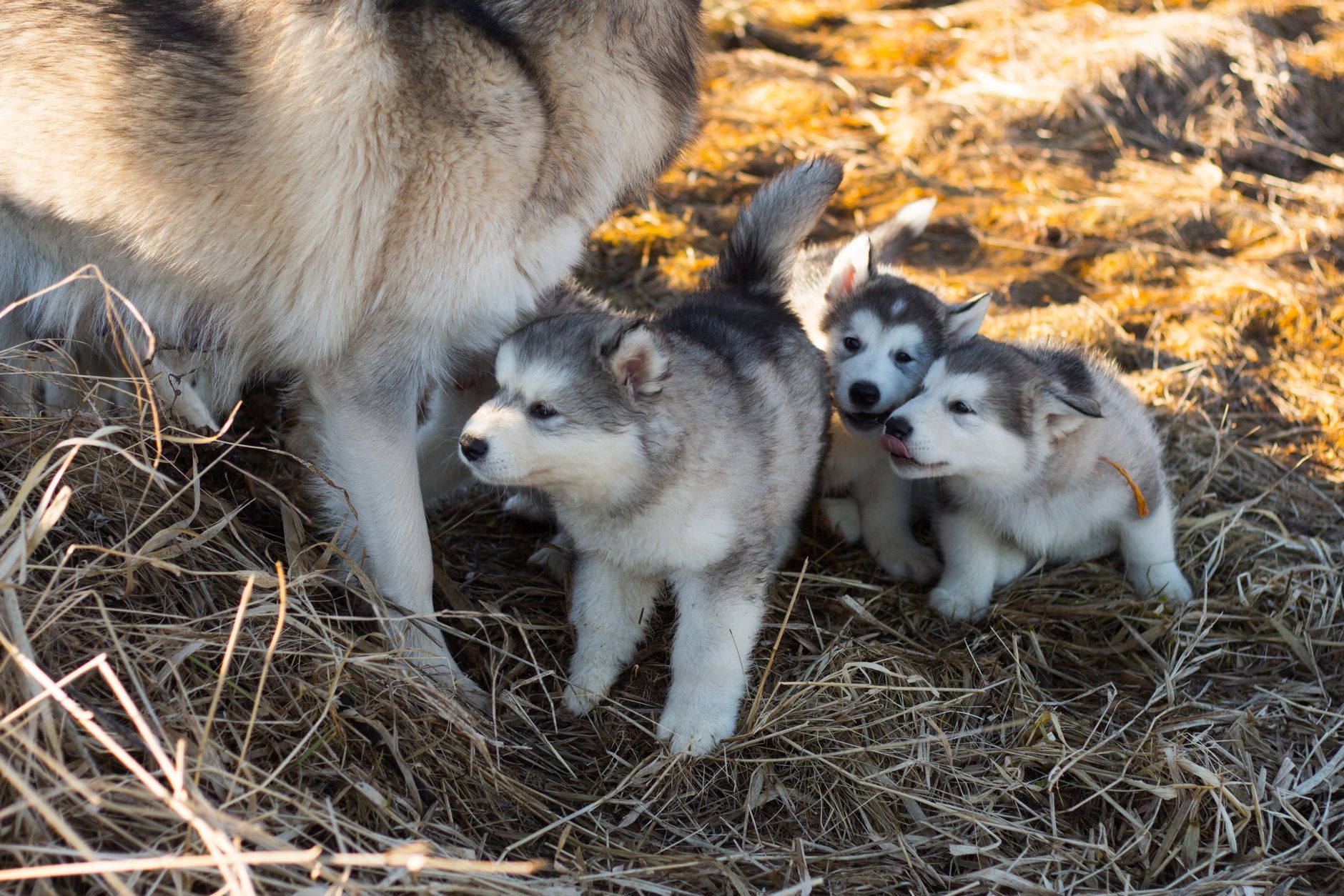
Alaskan Malamute
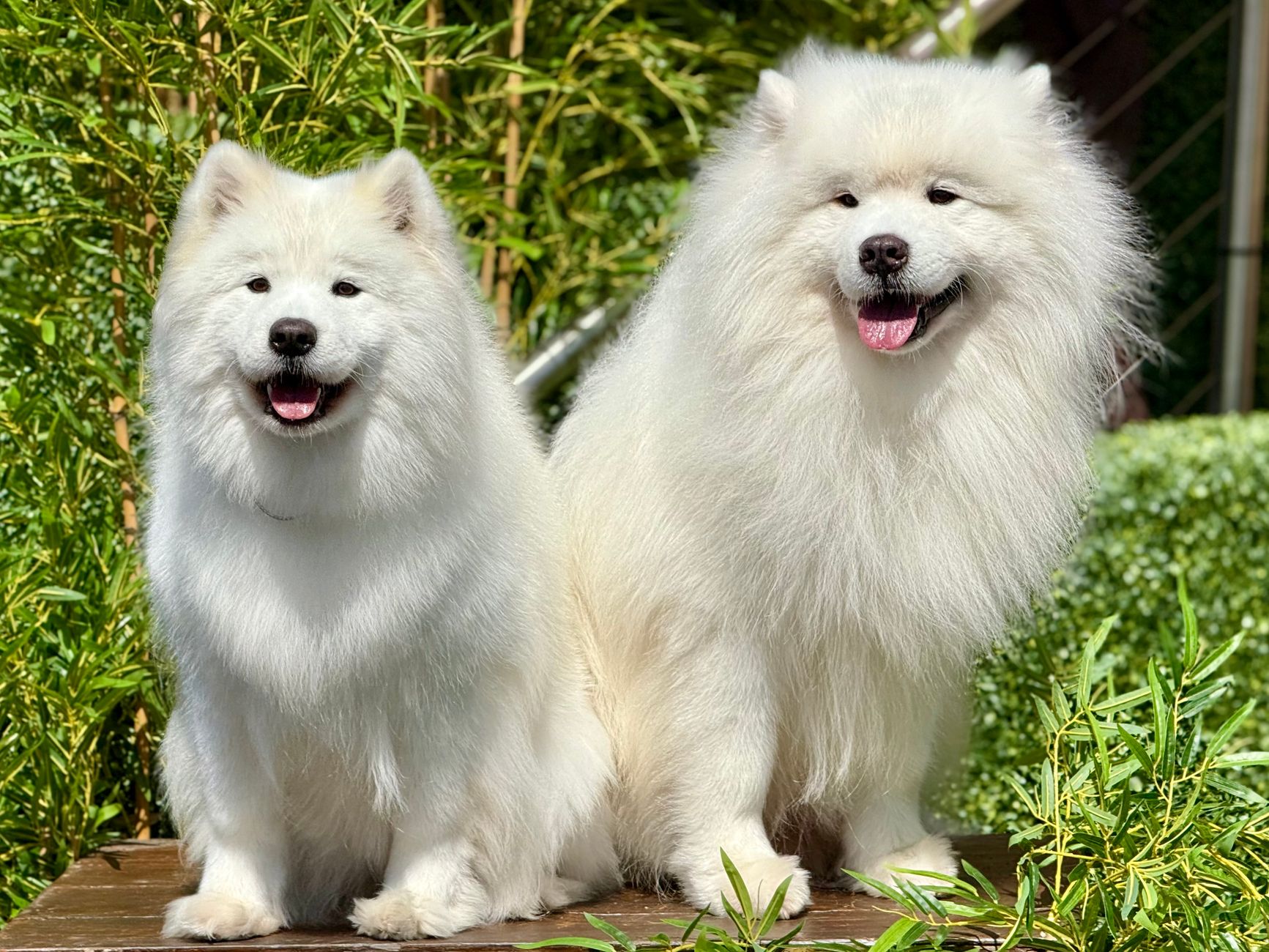
Samoyed
Siberian Husky FAQs
Can Siberian Huskies live in hot climates?
Yes, their double coat actually acts as insulation against heat as well as cold, but you must take precautions. In my experience, you should limit exercise to early mornings or late evenings, provide air conditioning, and ensure they always have access to shade and cold water.
How high can a Siberian Husky jump?
A healthy adult Husky can easily clear a 5-foot fence from a standing position, and many can clear 6 feet. I always advise owners that a secure backyard needs at least a 6-foot fence, preferably with coyote rollers or inward-facing extensions at the top.
Do Siberian Huskies bark a lot?
Huskies rarely bark in the traditional sense; instead, they are famous for ‘talking,’ whining, chirping, and howling. I’ve found that they will readily join in if they hear sirens, music, or if they feel you are ignoring them.
Are Siberian Huskies prone to separation anxiety?
Yes, they are highly social pack animals and are notorious for developing severe separation anxiety. If left alone for long stretches, they can become incredibly destructive, chewing through drywall, doors, and crates.
Can you let a Siberian Husky off-leash?
In my experience, you should never trust a Husky off-leash in an unfenced area. Their deep-rooted running instinct and high prey drive mean that if they see a squirrel or simply decide to run, they will bolt, ignoring any recall commands.
Why do Huskies dig so much?
Digging is an instinctual behavior bred into them to create cool shelters in the snow or dirt. If your Husky is digging up your yard, they are likely bored or trying to cool down, so providing a designated sandpit can help redirect this behavior.
Are all Siberian Huskies born with blue eyes?
Like many mammals, all Husky puppies are born with blue eyes, but their permanent eye color begins to show around 5 to 8 weeks of age. Adults can have blue eyes, brown eyes, one of each (heterochromia), or even split-colored eyes.
How much exercise does a Husky puppy need?
While adult Huskies need hours of exercise, puppies should not be over-exercised to protect their growing joints. I recommend the five-minute rule: five minutes of structured exercise per month of age, up to twice a day, plus free play.
Should I shave my Siberian Husky in the summer?
No, you should never shave a Husky. Their double coat is designed to protect them from both heat and sunburn; shaving them ruins their coat structure and compromises their natural temperature-regulation system.
How do you stop a Husky from howling?
Howling is a natural form of communication for them, so you cannot eliminate it entirely. However, you can manage excessive howling by ensuring they are physically tired, mentally stimulated, and by ignoring the howling while rewarding quiet behavior.
Are Huskies good with cats?
Generally, no. Huskies have an incredibly strong prey drive, and in my experience, they often view cats and other small animals as prey. While some can coexist if raised together from puppyhood, they should never be left unsupervised.
Why does my Husky ‘talk’ back to me?
Huskies are incredibly expressive and vocal, using a range of vocalizations to communicate their emotions, desires, or protests. This ‘talking’ is a characteristic trait of northern breeds used to communicate within their pack.
Do Huskies make good guard dogs?
No, Huskies make terrible guard dogs because they lack guarding instincts and generally love everyone they meet. They are far more likely to enthusiastically greet an intruder and show them where the valuables are than protect the home.
How often should I bathe my Siberian Husky?
Huskies only need a bath about 3 to 4 times a year, or when they get exceptionally dirty. Their coats are naturally oil-repellent and dirt-repellent, and bathing them too often can cause dry, irritated skin.
What is ‘blowing coat’ in Huskies?
This refers to the twice-yearly shedding event where a Husky sheds their entire dense undercoat all at once over a few weeks. During this time, massive clumps of soft, woolly fur will fall out, requiring daily brushing.