
Swedish Vallhund Breed Guide

Quick Summary
As a veterinarian, I describe the Swedish Vallhund as a big dog in a small, low-slung package. This ancient, energetic Viking herder is packed with intelligence and work ethic, making them phenomenal companions for active, outdoorsy owners who can channel their bright minds and herding instincts.
Quick Facts
- origin countrySweden
- breed groupHerding Group
- sizeSmall to Medium
- weight range20 to 35 pounds (9 to 16 kg)
- height range11.5 to 13.75 inches (29 to 35 cm)
- lifespan12 to 15 years
- coat typeDouble coat: short, harsh outer coat with a dense, soft undercoat
- common colorsGrey, greyish-brown, greyish-yellow, reddish-yellow, and reddish-brown
- other namesVästgötaspets, Swedish Cattle Dog
- recognized byAKC, UKC, FCI
Caring for a Swedish Vallhund
Living with a Vallhund is a high-energy adventure that requires structured daily engagement. In my practice, I find they thrive on at least 60 to 90 minutes of vigorous physical activity coupled with mental puzzles to prevent boredom-induced barking. Their double coat protects them in all weather, meaning they love outdoor excursions rain or shine. Because of their herding ancestry, you must actively manage their instinct to ‘heel’ and nip at moving ankles from puppyhood.
Is a Swedish Vallhund a good family pet?
Yes, they make excellent, devoted family companions for active households. However, because they are natural heel-drivers, they may try to herd running children by nipping at their heels, which requires consistent training to redirect.
Do Swedish Vallhunds shed a lot?
Yes, they are moderate shedders year-round and will ‘blow’ their dense undercoat completely twice a year. During these seasonal shifts, expect to brush them daily to manage the heavy volume of loose undercoat.
Is a Swedish Vallhund good for first-time owners?
Generally, I recommend them for experienced owners or highly committed beginners. Their high intelligence, independent streak, and intense working drive can easily overwhelm a novice who isn’t prepared for consistent training.
Temperament & Personality
The Vallhund is an exceptionally alert, lively, and self-confident breed with a massive personality. They are fiercely loyal to their human pack and possess a natural watchdog instinct that translates to keen vigilance. While affectionate at home, their working-dog heritage means they are always looking for a task to complete. This drive makes them highly engaged companions, but it also means they do not do well when left idle.
Is a Swedish Vallhund good with other pets?
They typically co-exist well with other household dogs and even cats if raised with them from a young age. However, their herding drive might prompt them to chase smaller animals, so early socialization is key.
How much attention does a Swedish Vallhund need?
They require a high level of daily interaction and do not tolerate isolation well. Left alone for long stretches without a task, they easily develop separation anxiety and destructive barking habits.
Training & Behavior
Training a Vallhund is incredibly rewarding because of their sharp intellect, but it requires a firm, positive approach. They learn commands rapidly but will invent their own entertainment if training sessions become repetitive. In my clinical experience, early impulse control training is non-negotiable to curb their innate urge to herd anything that moves.
Training Tips
- Use positive reinforcement with high-value treats
- Keep sessions short, varied, and mentally stimulating
- Focus heavily on teaching a reliable ‘quiet’ command
- Redirect heel-nipping behaviors immediately using toys
- Begin obedience and socialization classes by 10-12 weeks
Fun Activities
- Agility trials
- Herding tests
- Scent work
- Flyball
- Advanced obedience
- Hiking and jogging
Is a Swedish Vallhund easy to train?
They are highly trainable and eager to learn, but they possess an independent working mindset. They respond best to positive reinforcement and clear boundaries; harsh methods will only cause them to shut down.
Swedish Vallhund Health Issues
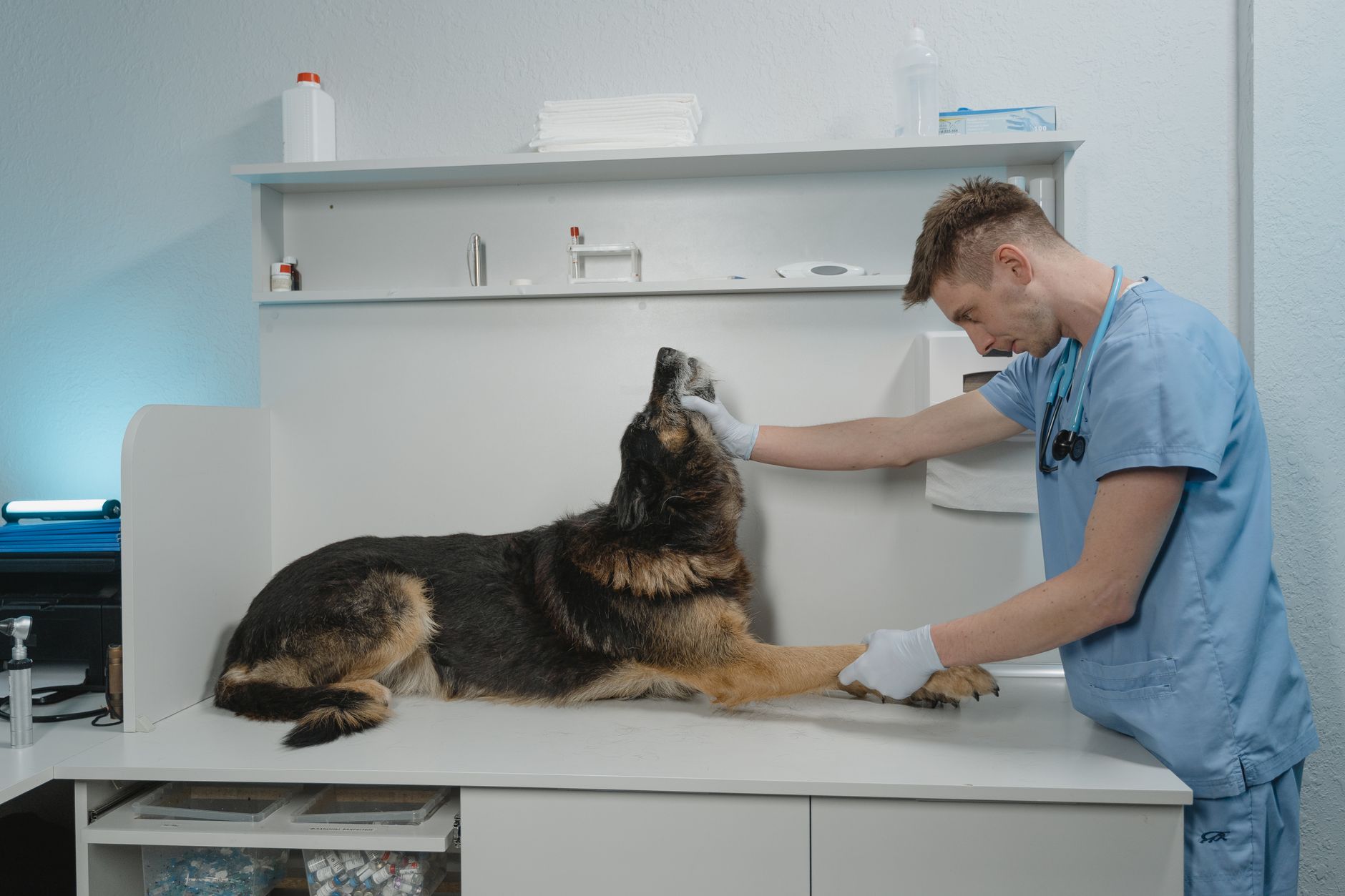
Generally, Swedish Vallhunds are a remarkably robust and long-lived breed. However, their unique dwarf-like (chondrodysplastic) conformation and genetic background make them susceptible to specific joint, spinal, and ocular conditions.
Swedish Vallhund Retinopathy (SVR)
A breed-specific, genetic form of progressive retinal atrophy that causes gradual degeneration of the retina, potentially leading to night blindness and eventual vision loss.
Hip Dysplasia
A heritable orthopedic condition where the head of the femur does not fit snugly into the pelvic socket, leading to progressive osteoarthritis.
Patellar Luxation
A condition where the kneecap slips out of its normal anatomical groove, common in shorter-legged working breeds.
Intervertebral Disc Disease (IVDD)
Due to their long backs and short legs, their spinal discs are subject to increased mechanical stress, which can lead to painful herniation or rupture.
How long do Swedish Vallhunds typically live?
They are a long-lived breed, routinely reaching 12 to 15 years of age. Maintaining a lean body weight is the single most effective way to protect their joints and extend their lifespan.
What to Feed a Swedish Vallhund
Because of their long backs and compact frames, keeping a Vallhund lean is absolutely paramount. I frequently warn owners that even one or two extra pounds puts dangerous mechanical strain on their spine and joints.
Best Diet
I recommend a high-quality, clinically tested adult kibble formulated for active medium-sized breeds. As they age or if their activity levels drop, switching to a weight-management formula is wise to prevent obesity.
How to Feed
Divide their daily caloric intake into two measured meals per day. Avoid free-feeding at all costs, and always use a measuring cup or kitchen scale to track exact portions.
How Much to Feed
Generally, an active adult Vallhund requires about 1 to 1.5 cups of kibble daily, but I always tell owners that metabolic rates vary. You must work with your vet to determine precise portions based on body condition score.
Nutritional Tips
Incorporate joint supplements containing glucosamine, chondroitin, and Omega-3 fatty acids early in life to support their hardworking joints. Keep training treats small and subtract their calories from the daily meal allowance.
Swedish Vallhund Grooming Guide
The Vallhund’s weather-resistant double coat is remarkably low-maintenance for most of the year. They do not require professional clipping, but regular maintenance is vital to manage shedding.
Coat Care
Brush them thoroughly once or twice a week with a slicker brush and undercoat rake. During their semi-annual shedding seasons, daily brushing is necessary to remove the packed undercoat.
Skin Care
Only bathe them when dirty (about every 6 to 8 weeks) using a gentle, soap-free dog shampoo to preserve the natural protective oils of their coat.
Eye Care
Wipe the corners of the eyes weekly with a damp cloth; any excessive tearing or cloudiness warrants an immediate ophthalmic evaluation.
Ear Care
Inspect their upright ears weekly for redness, debris, or yeast odor, cleaning them with a vet-approved ear cleanser as needed.
Nail & Dental Care
Trim nails every 2-3 weeks to prevent splaying, and brush their teeth daily to combat periodontal disease, which is common in smaller breeds.
Considerations for Pet Parents
Pros
- Extremely loyal and affectionate with family
- Highly adaptable to various dog sports
- Alert and excellent natural watchdogs
- Robust health and long lifespan
- Low-maintenance, wash-and-wear coat
- Compact size fits well in many living spaces
Cons
- High tendency to bark and vocalize
- Strong herding drive can lead to heel-nipping
- Requires substantial daily physical and mental exercise
- Heavy shedding twice a year
Best For
An active, structured household that can dedicate at least an hour a day to mental and physical stimulation. They excel with owners interested in dog sports or those who work from home and want an interactive partner.
Not Recommended For
Sedentary owners, those away from home for long workdays, or families unwilling to manage and train out vocalization and herding nips around toddlers.
Cost
- purchase price$1,500 – $2,500 USD
- monthly cost$100 – $180 USD
- initial setupBudget approximately $800 to $1,200 for initial veterinary exams, essential vaccinations, a sturdy crate, herding-grade toys, and professional puppy training classes.
Similar Breeds


Related Dog Guides
Swedish Vallhund FAQs
Are Swedish Vallhunds related to Corgis?
Yes, they share a striking physical resemblance due to their short legs and long bodies. Historians believe that during the Viking era, either Swedish Vallhunds were brought to Wales, or Welsh Corgis were brought to Sweden, resulting in shared ancestry.
Do Swedish Vallhunds bark a lot?
Yes, they are highly vocal dogs. Historically used to alarm-bark on farms and drive cattle, they will naturally bark at passing cars, strangers, and noises unless actively trained otherwise from puppyhood.
Are they born with tails?
The breed displays a unique variety of tail types. They can be born with a full curl, a half-tail, a natural bobtail, or no tail at all, all of which are acceptable in the breed standard.
How much exercise does a Swedish Vallhund need?
They need at least 60 to 90 minutes of active exercise daily. This should include brisk walks, off-leash running in secure areas, and structured games like fetch or agility training.
Do they tolerate cold weather?
Absolutely. Their dense, weather-resistant double coat was bred to withstand harsh Swedish winters, meaning they thrive in cold, snowy conditions but can easily overheat in hot, humid climates.
How do you stop a Vallhund from nipping heels?
Redirect the behavior immediately by offering a toy, such as a tug rope, and reward calm, non-herding behaviors. Never run away from them when they are in ‘herding mode,’ as this reinforces their chasing instinct.
Are Swedish Vallhunds hypoallergenic?
No, they are not hypoallergenic. They shed their double coat continuously and blow it heavily twice a year, releasing dander and loose fur into the environment.
Are they prone to back problems like Dachshunds?
While they are a chondrodysplastic (short-limbed) breed, their backs are structurally sturdier than Dachshunds. However, they are still at a higher risk for IVDD than proportional breeds, making weight management and preventing high leaps crucial.
Can Swedish Vallhunds live in an apartment?
They can adapt to apartment living, but only if their owners are deeply committed to meeting their high exercise needs outdoors. You must also proactively train them to curb their alert barking so they don’t disturb neighbors.
What is Swedish Vallhund Retinopathy?
SVR is an inherited eye disease unique to the breed that causes slow, progressive degeneration of the retina. Responsible breeders perform DNA testing on their breeding stock to ensure puppies do not inherit this condition.
Do Swedish Vallhunds like to swim?
Many do enjoy water, but their heavy double coats and short legs mean they are not natural, strong swimmers. Always supervise them around water and consider a dog lifejacket for deep-water activities.
Are they prone to separation anxiety?
Yes, they form incredibly strong bonds with their human family and can develop severe separation anxiety if left alone for extended periods. Crate training and building independence early are critical.
How do they handle hot weather?
Because of their thick double coats, they can easily overheat. During hot summer months, restrict vigorous exercise to the early morning or late evening, and always provide access to air conditioning and fresh water.
Are Swedish Vallhunds rare?
Yes, they are considered a rare breed, especially outside of Sweden and Northern Europe. Finding a reputable breeder in the United States or other regions may involve waiting on a list for several months to a year.
Sources & Further Reading
- American Kennel Club (AKC)
- Merck Veterinary Manual
- American Veterinary Medical Association (AVMA)
- PetMD