
Egyptian Mau Breed Guide

Quick Summary
The Egyptian Mau is a striking, naturally spotted cat famous for its cheetah-like speed, incredible jumping ability, and mesmerizing gooseberry-green eyes. Fiercely loyal and highly active, this breed thrives with owners who can provide plenty of vertical space, interactive play, and close companionship. They are best suited for active households that appreciate a high-energy, deeply affectionate feline partner.
Quick Facts
- origin countryEgypt
- breed groupShorthair / Natural Breed
- sizeMedium
- weight range6 to 14 pounds (females 6-10 lbs, males 10-14 lbs)
- height range8 to 11 inches
- lifespan12 to 15+ years
- coat typeShort, dense, silky, and resilient with natural spotting
- common colorsSilver, Bronze, and Smoke
- other namesMau
- recognized byCFA, TICA, FIFe, GCCF
Caring for a Egyptian Mau
Living with an Egyptian Mau means welcoming a miniature cheetah into your home, complete with an astonishing 30 mph top speed and a loose skin flap that lets them leap to the tops of your tallest doors. I’ve found that they are highly interactive companions who want to be involved in every household chore and daily routine. They aren’t aloof cats; they thrive on routine, deeply love their core family, and will frequently communicate with unique chortles and tail-wiggles. To keep them happy, you must provide plenty of vertical territory and daily, vigorous play sessions to burn off their immense physical energy.
Is an Egyptian Mau a good family pet?
Yes, they make fantastic family pets for active households, though they often form a primary bond with one specific person. I’ve observed that they do wonderfully with older children who understand how to respect a cat’s boundaries and handle them gently.
Do Egyptian Maus shed a lot?
They are moderate shedders with a unique, dense, and silky double coat. In my experience, a thorough weekly brushing with a rubber curry brush or a fine-toothed comb is all it takes to keep loose hairs under control and maintain that beautiful luster.
Is an Egyptian Mau good for first-time owners?
While incredibly affectionate, their high energy levels, need for intense mental stimulation, and initial wariness of strangers can be overwhelming for a complete novice. I usually recommend them to owners who have some experience with active, demanding feline breeds.
Temperament & Personality
The Egyptian Mau is a captivating mix of fierce loyalty, high intelligence, and Olympic-level athleticism. Unlike many domestic cats, they are known to be ‘one-person’ or ‘one-family’ cats, showing immense devotion to their inner circle while remaining reserved or cautious around strangers. They express their joy through a famous ‘wiggle-tail’ dance, where they vibrate their tails rapidly without actually spraying. In my years working with them, I’ve also grown to love their soft, melodic vocalizations, which sound like a mix of chirps, chortles, and clicks.
Is an Egyptian Mau good with other pets?
Generally, yes, provided they are introduced slowly and properly. I’ve seen them live peacefully with dog-friendly canines and other active cats, though their high prey drive means small pocket pets like hamsters or birds are not safe around them.
How much attention does an Egyptian Mau need?
They are highly demanding of their favorite human’s attention and do not tolerate being ignored or left alone for long periods. If you work long hours, I always tell owners to ensure they have a feline companion or plenty of interactive, automated toys to prevent boredom.
Training & Behavior
Because Maus are exceptionally intelligent and highly food-motivated, they are incredibly receptive to clicker training and positive reinforcement. However, they possess a strong, independent streak and will quickly ignore you if they find the training repetitive or boring. I’ve found that they excel at learning canine-like tricks, such as fetching toys and walking on a harness and leash, which is a great way to safely let them explore the outdoors.
Training Tips
- Use high-value, aromatic treats to keep their focus
- Keep training sessions short, under 5 minutes, to match their fast-paced minds
- Introduce a clicker early on to mark desired athletic behaviors
- Never use physical force, as Maus are sensitive and will withdraw
- Introduce a harness and leash indoors before venturing outside
Fun Activities
- Playing fetch with crumpled paper or small foil balls
- Agility courses featuring jumps, tunnels, and weave poles
- Leash-walks in quiet, grassy outdoor areas
- Interactive puzzle feeders that mimic hunting behaviors
- High-intensity feather wand chase games
Is an Egyptian Mau easy to train?
Yes, they are highly trainable due to their sharp intellect and natural curiosity. However, they require patience and a gentle, positive approach; they will shut down completely if you raise your voice or use harsh corrections.
Egyptian Mau Health Issues
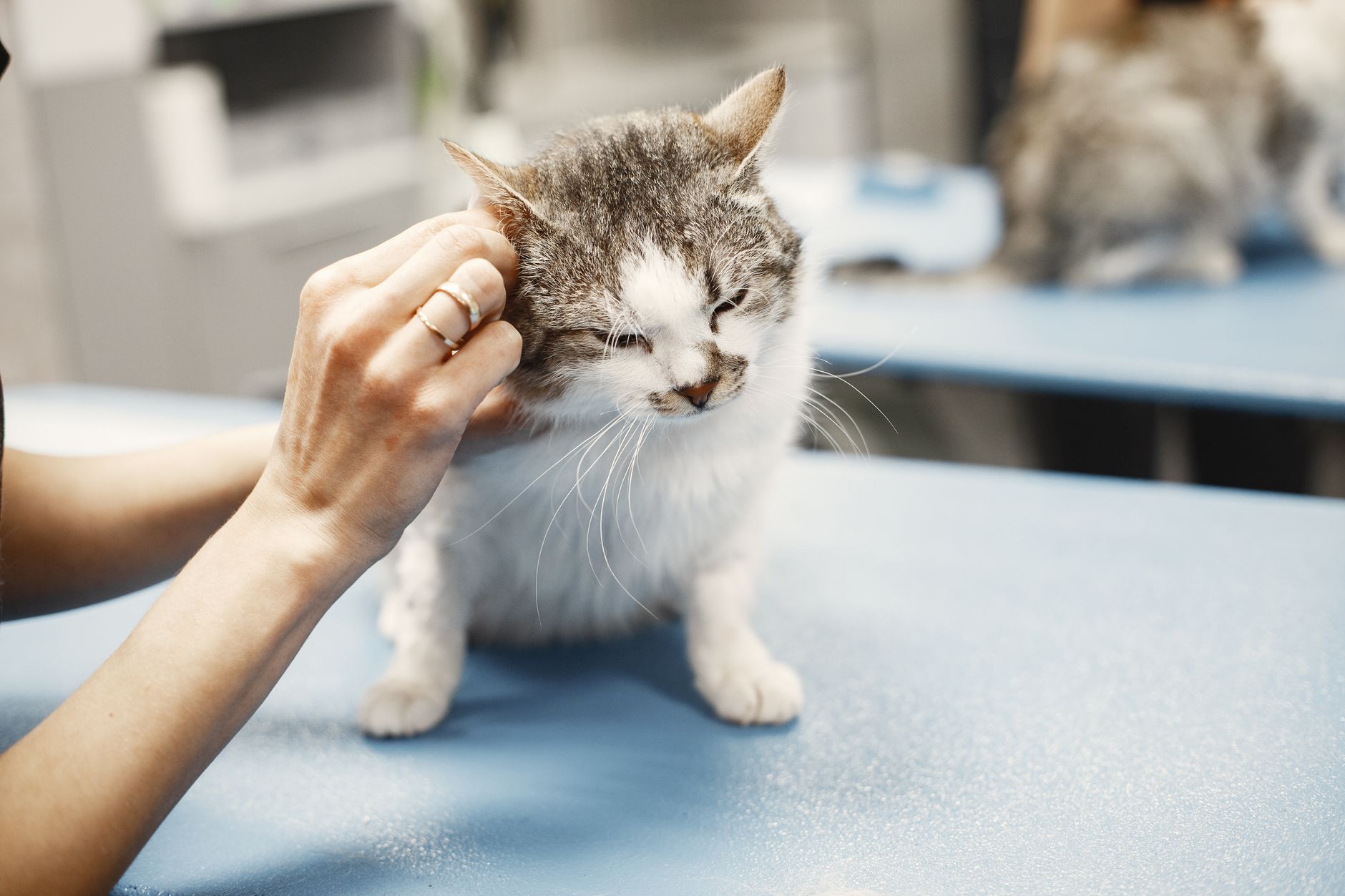
Overall, the Egyptian Mau is a robust and hardy breed, but like all pedigreed cats, they are prone to certain hereditary conditions. They are also known to be highly sensitive to anesthesia and certain medications, a crucial quirk that I always advise owners to discuss with their veterinarian prior to any surgical procedures.
Pyruvate Kinase (PK) Deficiency
An inherited genetic enzyme deficiency that causes red blood cells to break down prematurely, leading to severe anemia. It can present as intermittent lethargy or remain silent until severe.
Hypertrophic Cardiomyopathy (HCM)
The most common form of heart disease in cats, where the heart muscle thickens abnormally, reducing cardiac efficiency. Genetic screening of breeding cats is essential.
Patellar Luxation
A condition where the kneecap temporarily slips out of its normal anatomical groove, common in active jumping breeds. It can range from mild to severe, sometimes requiring corrective surgery.
Anesthetic Sensitivity
Though not a disease, Maus are clinically documented to react strongly to standard anesthetic agents and sedatives due to their unique metabolic rates and lean body composition.
Feline Lower Urinary Tract Disease (FLUTD)
A broad term for conditions affecting the bladder and urethra, to which Maus can be prone if they do not consume enough moisture or experience chronic stress.
How long do Egyptian Maus typically live?
With proper nutrition, regular veterinary care, and an indoor-only lifestyle, Egyptian Maus typically live between 12 and 15 years, with many reaching 18 years or older.
What to Feed a Egyptian Mau
Because the Egyptian Mau is incredibly active and boasts a high metabolic rate, they require a nutrient-dense diet to sustain their musculature and energy levels. However, because they are so food-motivated, they can easily become overweight if their portions are not carefully managed.
Best Diet
I highly recommend a diet rich in high-quality animal protein, with wet food making up the majority of their daily intake to ensure proper hydration. Look for formulas where real meat is the first ingredient, and avoid heavy carb fillers.
How to Feed
Establish a strict feeding schedule of 2 to 3 small, measured meals per day rather than free-feeding kibble. Utilizing puzzle feeders or slow-feed bowls can also satisfy their natural hunting instinct and slow down fast eaters.
How Much to Feed
Portion sizes should be determined by their weight, age, and activity level under the guidance of your veterinarian. A typical active adult Mau weighing 10 pounds generally requires around 250 to 300 calories per day.
Nutritional Tips
Always ensure they have access to clean, fresh water, ideally via a pet fountain, as Maus love running water. If your vet approves, supplemental omega-3 fatty acids can keep their unique spotted coats exceptionally shiny and soft.
Egyptian Mau Grooming Guide
Grooming an Egyptian Mau is remarkably straightforward, as their short coat does not mat and they are meticulous self-groomers. However, setting up a weekly grooming routine early in life helps build a close bond and gets them comfortable with necessary handling.
Coat Care
Brush their coat once a week with a soft-bristled brush or a rubber grooming mitt to remove loose hairs and distribute natural skin oils. You’ll find that their coat naturally retains a brilliant, glossy sheen with very little effort.
Skin Care
Their skin is generally healthy, but their high-activity levels mean they can get dirty; a damp cloth wipe-down is usually sufficient instead of a full bath.
Eye Care
Maus rarely have eye discharge, but if you notice any buildup, gently wipe the corners of their eyes with a damp, soft cloth, using a different section of the cloth for each eye to prevent any potential spread of infection.
Ear Care
Check their ears weekly for wax buildup, debris, or redness. If dirty, clean them using a vet-recommended ear cleaner and a cotton ball, never inserting anything directly into the ear canal.
Nail & Dental Care
Trim their nails every 2 to 3 weeks to prevent snagging on furniture, and brush their teeth daily (or at least 3 times a week) with cat-safe toothpaste to prevent periodontal disease.
Considerations for Pet Parents
Pros
- Stunningly beautiful and unique natural spotted coat
- Fiercely loyal and forms incredibly deep bonds with owners
- Extremely athletic, playful, and fun to watch
- Highly intelligent and easily trained to do tricks
- Quiet, sweet, and melodic vocalizations
- Relatively low-maintenance grooming routine
Cons
- Can be excessively shy or wary of strangers if not socialized early
- Possesses immense energy that requires daily dedication to burn off
- Prone to separation anxiety if left alone for long periods
- Known sensitivity to anesthesia requiring extra veterinary caution
- High prey drive makes them unsafe around small pocket pets
Best For
An active, dedicated household where owners are home frequently and want an interactive, dog-like feline companion. They thrive in homes with plenty of vertical space (like cat trees and shelves) and owners who enjoy training and active play.
Not Recommended For
Those looking for a quiet, low-energy lap cat that is content being left alone all day. Busy households with lots of rotating strangers, or homes with free-ranging small pets like birds or rodents, are also a poor fit.
Cost
- purchase price$1,000 – $2,500+
- monthly cost$80 – $150
- initial setupExpect to spend $400 – $800 initially on high-quality tall cat trees, interactive toys, litter boxes, genetic screening/vet visits, and high-quality food.
Similar Breeds
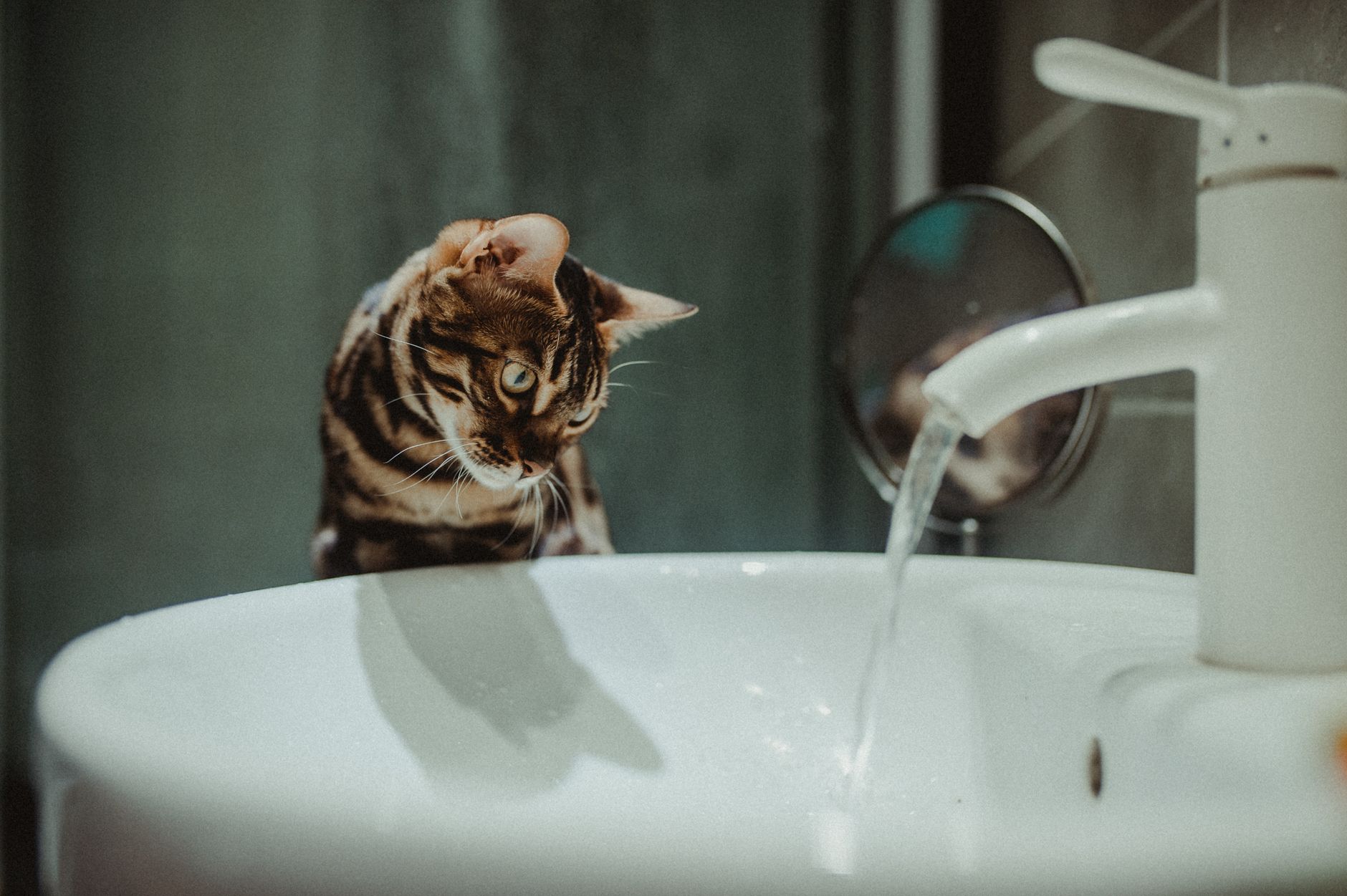
Bengal
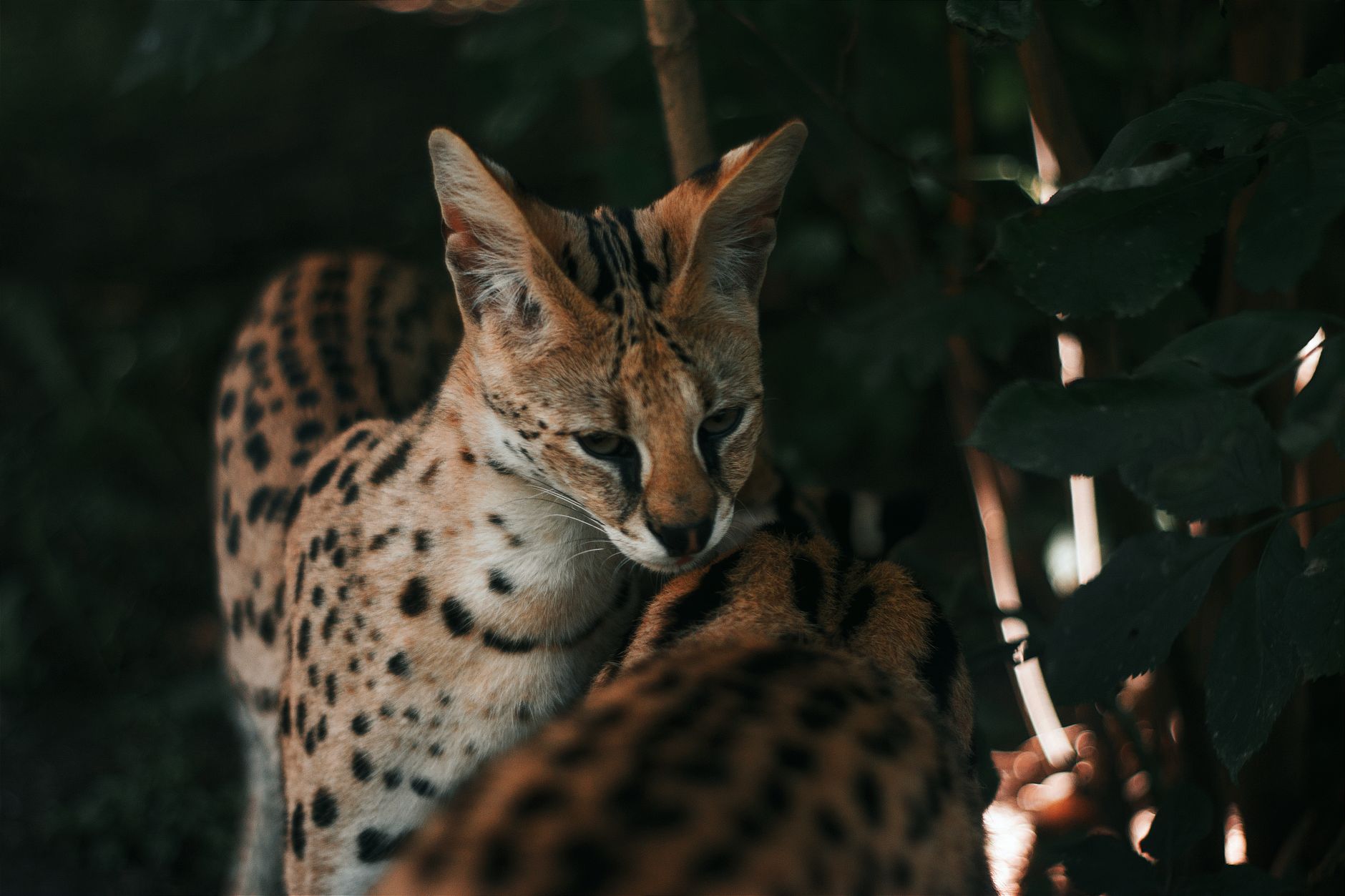
Savannah
Egyptian Mau FAQs
Are Egyptian Maus vocal?
Yes, but they are not loudly demanding like Siamese. They speak in soft, melodic chirps, clicks, and a unique ‘chortle’ sound when happy or greeting you.
Why do Egyptian Maus wiggle their tails?
Maus perform a unique behavior called the ‘wiggle-tail dance’ where they tread with their back paws and rapidly vibrate their upright tail. It is a sign of extreme excitement and joy, not a marking behavior, though it looks similar to spraying.
How fast can an Egyptian Mau run?
They are the fastest breed of domestic cat, capable of reaching speeds up to 30 miles per hour (48 km/h). This speed is aided by a unique flap of skin extending from the flank to the hind leg, which allows for an extended stride.
Do Egyptian Maus like water?
In my experience, yes! Many Maus are absolutely fascinated by water. Don’t be surprised if they dip their paws in their water dish, splash in the sink, or try to join you in the shower.
What is the ‘gooseberry green’ eye color?
This is the signature eye color of the Egyptian Mau, described as a light, translucent green resembling a gooseberry. Kittens are born with amber eyes, which transition to green as they mature, usually fully setting by 18 months of age.
Are Egyptian Maus rare?
Yes, they are considered a relatively rare breed worldwide. Because of their small gene pool, reputable breeders adhere to very strict breeding practices to maintain the breed’s health and natural spotting.
Do Egyptian Maus have a primordial pouch?
Yes, they possess a loose flap of skin that runs from their flanks to their hind knees. This flap is a breed standard trait that gives them incredible flexibility, allowing them to stretch their legs fully and jump up to six feet in the air.
Are they hypoallergenic?
No, Egyptian Maus are not hypoallergenic. They still produce the Fel d 1 protein in their saliva and skin dander, though their short, low-dander coat may cause milder reactions in some sensitive individuals compared to long-haired breeds.
Are Egyptian Maus lap cats?
They can be incredibly affectionate lap cats, but only on their own terms and usually after they have burned off their excess energy. They prefer to sit next to you or on your lap once they trust you completely.
Can Egyptian Maus live in an apartment?
Yes, they can thrive in an apartment as long as you maximize vertical space with wall shelves and tall cat trees. You must also commit to daily interactive play to compensate for the smaller running space.
How do I socialize an Egyptian Mau?
Because they can be naturally wary of strangers, early socialization is critical. Expose your Mau kitten to a variety of people, sounds, and gentle experiences between 2 and 14 weeks of age to ensure they grow into a confident adult.
What is the difference between an Ocicat and an Egyptian Mau?
While both are spotted, the Egyptian Mau is a natural breed with a leaner, more elegant build and naturally occurring spots, whereas the Ocicat is a man-made breed (created by crossing Siamese and Abyssinians) with a larger, more muscular build and a distinct thumbprint-shaped spotting pattern.
Do Egyptian Maus get cold easily?
Yes, Maus tend to be more sensitive to cold temperatures than other breeds because of their active metabolism and short coats. It is important to keep your home comfortably warm and provide warm, cozy blankets or heated pet beds during winter.
Why is their pregnancy gestation period longer?
Interestingly, Egyptian Maus are noted for having a longer gestation period than most domestic cats. While typical cats carry litters for about 63-65 days, Maus often remain pregnant for 73 days or more, which is a fascinating breed-specific quirk.