
Bambino Breed Guide

Quick Summary
The Bambino is a striking, highly active hybrid of the Sphynx and Munchkin breeds, known for its hairlessness and short-legged stature. In my clinic, I describe them as perpetual kittens who demand intensive skin-care routines and high-energy interaction, making them best suited for dedicated owners who can manage their unique grooming and health needs.
Quick Facts
- origin countryUnited States
- breed groupExperimental / Hybrid
- sizeSmall
- weight range5 to 9 pounds (2.3 to 4.1 kg)
- height range7 to 8 inches (18 to 20 cm)
- lifespan9 to 15 years
- coat typeHairless (vellus peach fuzz)
- common colorsAll colors and patterns, including black, white, cream, blue, and point
- other namesDwarf Sphynx
- recognized byTICA (as an Experimental New Breed)
Caring for a Bambino
Living with a Bambino is like having a warm, energetic toddler in a cat suit. In my years treating this breed, I’ve found that their lack of fur means they burn calories rapidly to maintain body temperature, requiring high-quality nutrition. They are incredibly agile despite their short legs, often scaling furniture using claws and sheer determination. Their skin secretes oils that would normally be absorbed by fur, meaning owners must commit to a strict, lifelong bathing and wiping routine to prevent painful skin infections.
Is a Bambino a good family pet?
Yes, their outgoing and affectionate nature makes them fantastic companions for active families. However, due to their lack of protective fur and delicate skeletal structure, they are best suited for households with older, respectful children who understand how to handle them gently.
Do Bambinos shed a lot?
Because they are hairless or covered only in a fine peach fuzz, they do not shed traditional cat hair. However, they do shed skin cells and leave oily residue on furniture and clothing if they are not bathed regularly.
Is a Bambino good for first-time owners?
Generally, I do not recommend them for novices. Their intensive grooming requirements, vulnerability to temperature extremes, and potential hereditary health issues demand a highly committed, experienced owner.
Temperament & Personality

The Bambino is a social butterfly that thrives on human companionship. They are mischievous, playful, and possess a surprisingly bold attitude that belies their small size. I often see them running around my clinic exam rooms like miniature sports cars, showing zero fear of their surroundings. They hate being left alone and will vocalize or follow you from room to room to ensure they are the center of attention.
Is a Bambino good with other pets?
Absolutely, they are highly social and generally get along wonderfully with other cats and friendly, respectful dogs. In my clinical experience, they actually benefit from having a companion pet to cuddle with for warmth and social stimulation when owners are away.
How much attention does a Bambino need?
They require an immense amount of daily attention and thrive on interaction. If left alone for long periods without stimulation or companionship, they are prone to separation anxiety and can develop destructive behavioral issues.
Training & Behavior
Highly intelligent and naturally curious, Bambinos are remarkably easy to train when positive reinforcement is used. They love learning tricks and can easily master fetch, harness-walking, and puzzle toys. However, their intelligence means they can easily figure out how to open cabinets or find hidden treats, requiring active mental stimulation.
Training Tips
- Use high-value, warm treats to keep their focus
- Keep training sessions short, around 3 to 5 minutes
- Utilize clicker training for complex behaviors
- Praise immediately to reinforce positive actions
Fun Activities
- Interactive puzzle feeders
- Feather wand chase games
- Harness and leash walks on warm days
- Learning to fetch lightweight crinkle balls
- Agility courses modified for short legs
Is a Bambino easy to train?
Yes, their eager-to-please nature and high intelligence make them highly receptive to training. I have seen clients successfully train their Bambinos to come on command, sit, and even high-five using clicker methods.
Bambino Health Issues
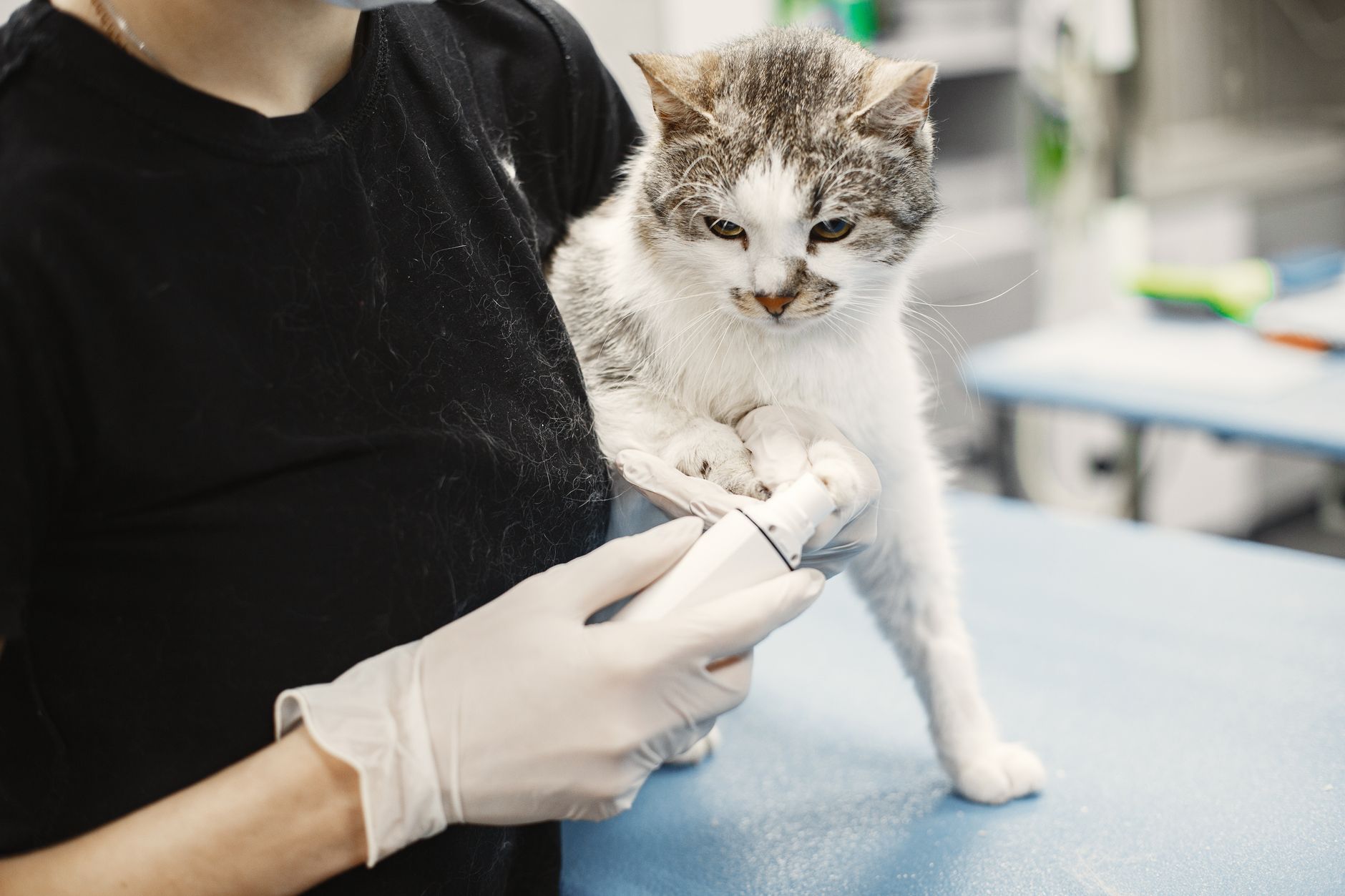
As a hybrid breed, the Bambino inherits potential genetic vulnerabilities from both the Sphynx and Munchkin. While they are energetic and often live full lives, they require vigilant veterinary monitoring for structural, cardiac, and dermatological issues.
Hypertrophic Cardiomyopathy (HCM)
A genetic heart disease inherited from the Sphynx lineage, characterized by the thickening of the left ventricular muscle wall. This is the most common cardiac disease in cats and can lead to heart failure or sudden death.
Malassezia Dermatitis (Yeast Infections)
Due to their lack of fur, sebaceous oils accumulate on the skin, creating an ideal breeding ground for yeast and bacteria. If not bathed regularly, painful and itchy skin infections can develop.
Lordosis and Pectus Excavatum
Skeletal deformities associated with the Munchkin’s dwarfism gene. Lordosis involves excessive inward curvature of the lower spine, while pectus excavatum is a funnel chest deformity that can compress the heart and lungs.
Hypothermia
Without a protective fur coat, Bambinos cannot efficiently regulate their body temperature and are highly susceptible to cold environments, even indoors during winter months.
Solar Dermatitis (Sunburn)
Direct exposure to UV rays causes rapid sunburn on their unprotected skin, which can lead to chronic solar dermatitis and significantly increases the risk of squamous cell carcinoma.
How long do Bambinos typically live?
Bambinos typically have a lifespan of 9 to 15 years. Providing excellent preventative veterinary care, keeping them strictly indoors, and conducting annual echocardiograms can maximize their lifespan.
What to Feed a Bambino
Bambinos have a remarkably high metabolic rate compared to standard domestic cats. Because they must burn calories constantly to generate body heat, they require an energy-dense, high-protein diet to thrive.
Best Diet
A premium, high-protein, moderate-to-high-fat wet food is ideal to support their metabolism and skin health. I highly recommend grain-free formulas with named meat sources as the primary ingredients.
How to Feed
Because of their fast metabolism, I recommend feeding adult Bambinos three to four small, scheduled meals a day rather than one large meal. Using microchipped or timed feeders can help regulate portions if you have multiple cats.
How Much to Feed
Portion sizes should be calculated based on calories. On average, an active 7-pound Bambino may require 250 to 300 calories per day, but you must work with your veterinarian to adjust this based on their body condition score.
Nutritional Tips
Incorporate omega-3 and omega-6 fatty acid supplements, which support skin barrier function and reduce dry skin issues. Always ensure fresh, clean water is available, as wet food diets are excellent for hydration.
Bambino Grooming Guide
Do not let the lack of fur fool you: the Bambino is one of the most high-maintenance breeds in terms of grooming. They require a rigorous, consistent routine to prevent skin, ear, and nail bed infections.
Coat Care
While they have no coat to brush, they must be bathed every 1 to 2 weeks using a gentle, vet-approved, soap-free oatmeal shampoo. Skipping baths leads to sticky, brown sebum buildup on their skin and your furniture.
Skin Care
Daily skin maintenance involves wiping down skin folds, armpits, and groin areas with hypoallergenic, unscented baby wipes to prevent yeast accumulation.
Eye Care
They lack eyelashes, meaning dust and debris accumulate quickly in their eyes. Wipe their eyes daily with a warm, damp cotton ball to prevent staining and conjunctivitis.
Ear Care
Their large, open ears produce a thick, black, waxy discharge. Clean them weekly with a veterinary ear cleaner and a cotton ball.
Nail & Dental Care
Wipe the oily buildup off their nail beds weekly when trimming claws, as this black gunk can harbor bacteria. Brush their teeth daily with feline toothpaste to prevent early-onset periodontal disease.
Considerations for Pet Parents
Pros
- Extremely affectionate and loving companions
- Low-allergen potential (though not entirely hypoallergenic)
- Highly playful and entertaining personality
- Excellent with other social household pets
- Very intelligent and responsive to training
- Unique, eye-catching appearance
Cons
- Extremely demanding grooming schedule
- Prone to genetic health issues like HCM and skeletal defects
- Vulnerable to extreme cold and sunburn
- Prone to separation anxiety if left alone
- Can be highly expensive to purchase and care for
Best For
Experienced cat owners who work from home or have multiple pets, and who are fully committed to a lifetime of intensive dermatological care, regular ear cleaning, and indoor temperature management.
Not Recommended For
Busy individuals who are away from home for long stretches, families looking for a low-maintenance pet, or those unwilling or financially unable to budget for regular veterinary cardiac screenings.
Cost
- purchase price$1,500 – $3,500 USD
- monthly cost$150 – $250 USD
- initial setupExpect to spend $500 – $1,000 initially on heated cat beds, high-quality sweaters, specialized grooming wipes, ear cleaners, and high-calorie premium diets.
Similar Breeds


Bambino FAQs
Are Bambinos completely hypoallergenic?
No cat is 100% hypoallergenic. While they don’t shed fur, they still produce the Fel d 1 protein in their saliva, dander, and sebaceous oils, which can trigger allergies in sensitive individuals.
Do Bambinos need to wear clothes?
Yes, in colder climates or air-conditioned homes, they frequently need sweaters or shirts to maintain their body temperature. Always choose soft, breathable fabrics and wash them regularly to prevent skin oil buildup.
Can a Bambino jump?
Despite their short legs, they are surprisingly agile and can jump onto couches and low tables. However, they cannot reach the heights of long-legged breeds like the Abyssinian, which helps keep them safer from high countertops.
How often should I bathe my Bambino?
I recommend bathing them every 7 to 14 days. Bathing too frequently can dry out their skin, while bathing too infrequently leads to greasy buildup, blocked pores, and yeast infections.
Why does my Bambino feel so warm?
Because they lack insulating fur, their skin radiates body heat directly. Their internal body temperature is the same as other cats (100.5 to 102.5°F), but they feel like a warm hot water bottle to the touch.
Can Bambinos go outside?
They should be strictly indoor-only cats. Their hairless skin makes them highly vulnerable to sunburn, skin cancer, insect bites, and hypothermia, and their short legs make them poor at escaping predators.
Is the Bambino recognized as an official breed?
They are recognized by TICA (The International Cat Association) as an Experimental New Breed. Major registries like the CFA do not recognize them due to ethical concerns regarding their genetic mutations.
Do Bambinos get blackheads?
Yes, they are prone to blackheads and acne, particularly on their chins and tails, due to clogged oil glands. Cleaning these areas daily with a mild veterinary-approved antiseptic can help manage breakouts.
How do I protect my Bambino’s skin from the sun?
Keep them away from sunny windows during peak UV hours, apply pet-safe, non-toxic sunscreen if recommended by your vet, or install UV-blocking films on your windows.
Why does my Bambino have sticky brown stuff on its paws?
This is a mixture of natural skin oils (sebum) and sweat that accumulates around their claw sheaths. It must be wiped away weekly to prevent painful nail bed infections.
Are Bambinos prone to back pain like Dachshunds?
While Munchkins and Bambinos have short limbs (achondroplasia), their feline spine is highly flexible, making them less prone to the intervertebral disc disease (IVDD) seen in short-legged dog breeds. However, lordosis remains a risk.
What kind of toys are best for a Bambino?
They love interactive wand toys, laser pointers, light balls they can easily bat around, and puzzle feeders that challenge their high intelligence.
Can you use baby shampoo on a Bambino?
No, baby shampoo is formulated for human skin pH (around 5.5), whereas cats have a more neutral skin pH (around 7.5). Using human shampoo can disrupt their skin barrier, leading to irritation.
Do Bambinos get cold easily?
Yes, extremely easily. They will actively seek out heat sources, such as sunny spots, heating vents, lap time, and heated pet beds, which are highly recommended for this breed.