
York Chocolate Breed Guide

Quick Summary
The York Chocolate is a rare, farm-born American breed beloved for its rich, lustrous chocolate-brown coat and deeply affectionate, ‘velcro’ personality. Ideal for active households, these highly intelligent felines crave human companionship and are known for their soft, chirping voices and surprising affinity for playing in water.
Quick Facts
- origin countryUnited States
- breed groupSemi-longhair (Rare)
- sizeMedium to Large
- weight range8 to 16 lbs (3.6 to 7.3 kg)
- height range9 to 11 inches
- lifespan13 to 15 years
- coat typeSemi-long, soft, silky, with a light undercoat
- common colorsSolid Chocolate, Solid Lavender, Chocolate & White bicolor, Lavender & White bicolor
- other namesYork
- recognized byCFF, ACFA
Caring for a York Chocolate
Living with a York Chocolate is like having a warm, purring shadow that chirps in delight whenever you enter the room. In my experience, these cats aren’t content to just sit on the sidelines; they want to assist with every household chore, from folding warm laundry to working on your laptop. I’ve found their farm-born heritage gives them a sturdy, playful resilience, but they absolutely thrive on consistent daily interaction and plenty of vertical climbing spaces. Owners should be prepared for a highly social companion that treats strangers like old friends.
Is a York Chocolate a good family pet?
Absolutely, their gentle nature and high tolerance for activity make them stellar family companions. They thrive in busy households and are patient enough to bond closely with children who know how to handle cats respectfully.
Do York Chocolates shed a lot?
They are moderate shedders, but because they have a single, silky semi-long coat with minimal undercoat, they don’t mat or shed as excessively as other long-haired breeds. A thorough twice-weekly brushing is usually more than enough to keep their rich brown coats gleaming.
Is a York Chocolate good for first-time owners?
Yes, their friendly, forgiving, and highly adaptable personalities make them an excellent choice for novice owners. However, a first-time owner must be prepared for a cat that actively demands daily interaction rather than an aloof, independent ornament.
Temperament & Personality

The York Chocolate temperament is a delightful mix of industrious farm-cat curiosity and lap-cat luxury. They are highly intelligent, remarkably social, and possess a distinct ‘chirp’ rather than a loud meow, which they use to hold actual conversations with their favorite humans. I always note that these cats form deep, intense bonds with their families, often following you from room to room to keep tabs on your day. Their playful kitten-like curiosity persists well into adulthood, ensuring there is never a dull moment.
Is a York Chocolate good with other pets?
In my years of working with them, I’ve found they do exceptionally well with other household pets, including dog-friendly dogs and other cats. Their confident, easygoing nature helps them integrate smoothly into multi-pet dynamics, provided proper, slow introductions are made.
How much attention does a York Chocolate need?
They need a significant amount of daily interaction; these are not independent, solitary cats. If left alone for long periods without toys, climbing trees, or human contact, they can easily become lonely and display minor behavioral issues like excessive trilling or clawing.
Training & Behavior
With their sharp intelligence and eager-to-please attitude, York Chocolates are surprisingly easy to train. I’ve found they respond best to positive reinforcement techniques like clicker training, often picking up tricks faster than many dog breeds. They are natural retrievers and love solving complex puzzle toys to earn their favorite treats.
Training Tips
- Use high-value, aromatic treats to keep their focus during sessions
- Keep training sessions short and playful, around 5 to 10 minutes max
- Incorporate clicker training early to channel their high intelligence
- Teach boundaries gently; they are sensitive to harsh tones and loud voices
Fun Activities
- Fetching small crinkle balls or soft toy mice
- Playing in shallow, supervised water sources like sinks
- Leash walking with a secure, H-style harness
- Solving advanced treat puzzle boards
- Agility courses built from living room furniture
Is a York Chocolate easy to train?
Yes, they are exceptionally fast learners due to their high intelligence and strong desire to bond with their owners. They can easily be taught to fetch toys, sit on command, and even walk comfortably on a leash if training starts at a young age.
York Chocolate Health Issues
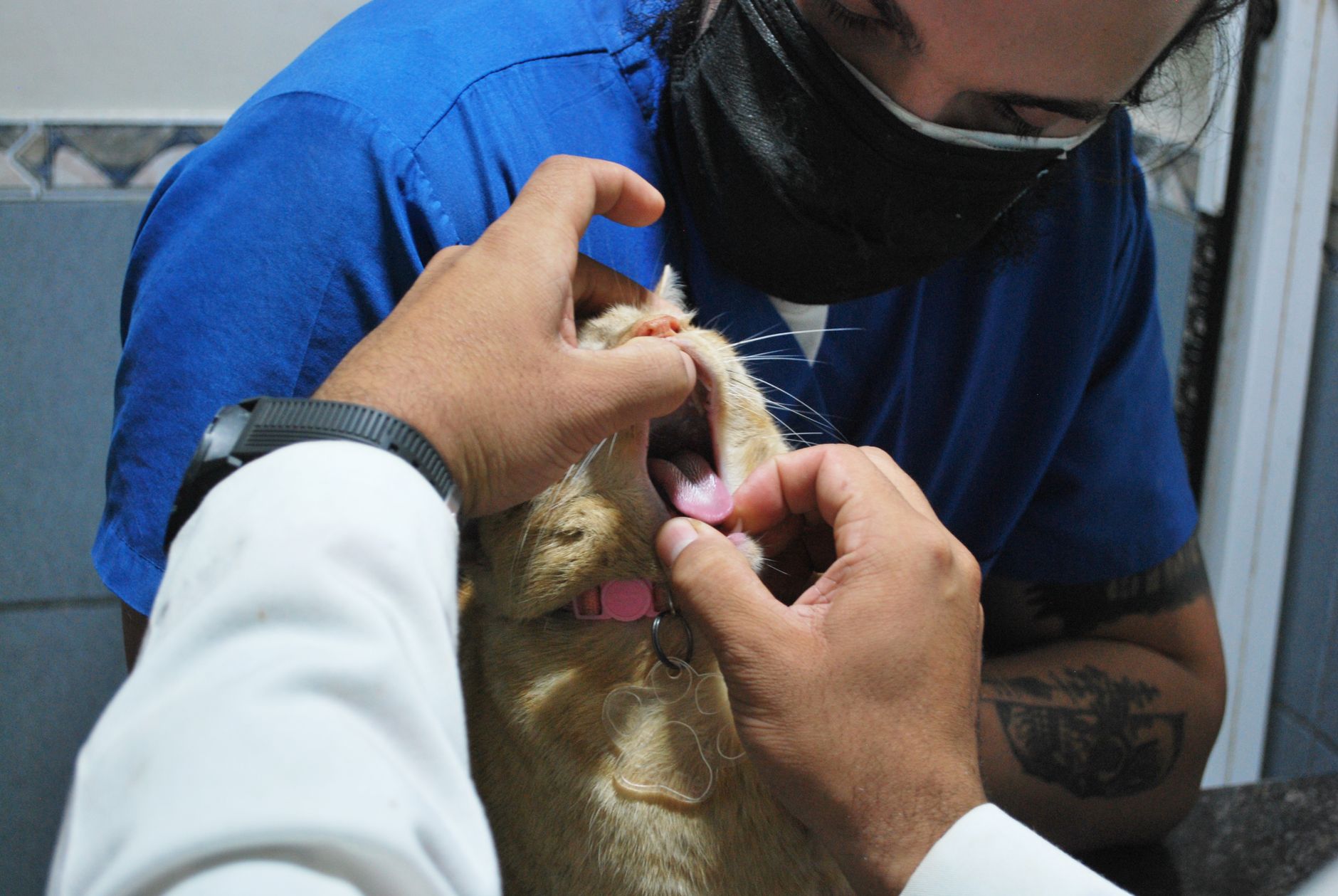
Thanks to their diverse farm-cat ancestry, York Chocolates are generally a remarkably robust and hardy breed with no known breed-specific genetic defects. However, like all domestic felines, they are still susceptible to common feline health issues that require preventative veterinary care.
Hypertrophic Cardiomyopathy (HCM)
This is the most common form of heart disease in cats, characterized by the thickening of the heart walls. In my practice, I emphasize that annual veterinary screening with echocardiograms is the gold standard for early detection.
Obesity
Because York Chocolates are highly food-motivated and love their treats, they can easily gain excess weight as they mature and their energy levels stabilize. Carrying extra weight puts unnecessary strain on their joints and cardiovascular system.
Periodontal Disease
Like many domestic cats, Yorks can suffer from plaque and tartar buildup, leading to painful gingivitis and tooth loss if left unmanaged. Daily brushing is the single best preventative measure to keep their mouths healthy.
Feline Lower Urinary Tract Disease (FLUTD)
This broad term covers conditions like bladder stones or cystitis, which can cause painful urination or dangerous blockages, particularly in male cats. Ensuring high moisture intake through wet food is highly beneficial.
Renal Insufficiency
A common condition in aging cats where kidney function gradually declines over time. Early diagnosis through regular senior blood panels can significantly extend their quality of life with diet modifications.
How long do York Chocolates typically live?
With proper nutrition, regular veterinary checkups, and a safe indoor-only lifestyle, a York Chocolate can comfortably live between 13 and 15 years, with some resilient individuals reaching up to 18 years.
What to Feed a York Chocolate
To support their high energy levels and maintain that stunning, silky chocolate coat, York Chocolates require a high-protein, nutrient-dense diet. I’ve observed that their skin and coat health directly reflects the quality of their food, meaning premium ingredients are an absolute must.
Best Diet
The ideal diet for a York Chocolate is a combination of high-quality, grain-free wet food and high-protein dry kibble formulated for active breeds. Look for real meat (such as chicken, turkey, or salmon) listed as the first ingredient, and ensure the food matches their specific life stage.
How to Feed
I recommend splitting their daily food allowance into two or three scheduled meals rather than free-feeding to prevent overeating and obesity. Using puzzle feeders for their dry kibble is a fantastic way to satisfy their natural hunting instincts and keep them mentally sharp.
How Much to Feed
On average, an adult York Chocolate weighing 10 to 12 pounds will require about 250 to 300 calories per day, though this varies based on age and activity. It is crucial to consult your veterinarian to establish a precise portion guide customized for your cat’s specific metabolic needs.
Nutritional Tips
Adding a high-quality Omega-3 fatty acid supplement, such as wild-caught salmon oil, can do wonders to keep their chocolate coat extraordinarily shiny and support joint health. Always ensure they have access to fresh, filtered water, ideally from a pet fountain, to encourage drinking.
York Chocolate Grooming Guide
Despite their luxurious, semi-long coats, grooming a York Chocolate is surprisingly straightforward and low-maintenance. Because they lack a dense woolly undercoat, their silky fur is naturally resistant to severe matting and tangling.
Coat Care
I recommend brushing your York Chocolate twice a week using a medium-toothed comb or a slicker brush to remove loose hairs and distribute natural skin oils. During the seasonal shedding periods in spring and fall, increasing this to three times a week will save your furniture from excess fluff.
Skin Care
Their skin is generally healthy, but look out for dry patches, especially during dry winter months. Regular brushing serves as a natural massage, stimulating blood flow and keeping the skin well-oxygenated.
Eye Care
Their eyes are generally clean, but occasionally you may find minor sleep crusts in the corners. Simply wipe these away gently with a damp, warm cotton ball, using a fresh pad for each eye to prevent any potential cross-contamination.
Ear Care
Check their ears weekly for any signs of wax buildup, dirt, or redness. If they look dirty, use a vet-approved ear-cleaning solution applied to a soft cotton pad to gently wipe the outer ear canal, never inserting a Q-tip directly into the ear.
Nail & Dental Care
Trim their nails every two to three weeks to prevent snagging on carpets and furniture. To keep dental disease at bay, brush their teeth with cat-safe toothpaste at least three times a week, and schedule professional veterinary cleanings annually.
Considerations for Pet Parents
Pros
- Stunning, unique rich chocolate or lavender coat
- Incredibly affectionate and loyal, true ‘velcro’ cats
- Highly intelligent and easily trained to do tricks
- Robust general health with very few genetic issues
- Great with children and other household pets
- Soft, endearing chirping vocalizations rather than loud meows
Cons
- Extremely rare and highly difficult to find from breeders
- High need for human attention; prone to separation anxiety
- Requires consistent mental stimulation to prevent boredom
- Fascinated by water, which can lead to messy sinks or toilets
Best For
An active, social household where people are home most of the day, such as remote workers or busy families who want an involved, highly interactive pet. Owners who are willing to invest time in training, daily playtime, and giving loads of affection will find their perfect match here.
Not Recommended For
Busy individuals who spend long hours away from home and don’t have other pets to keep the cat company. It is also not a good fit for someone looking for a quiet, independent, hands-off pet that will simply sleep in a corner all day.
Cost
- purchase price$600 to $1,200 (Extremely rare, which makes pricing highly variable if a breeder can even be located)
- monthly cost$80 to $130
- initial setupExpect to spend around $300 to $500 initially for essential supplies, including a high-quality scratching post, climbing tree, grooming tools, litter box, interactive toys, and your first veterinary wellness exam.
Similar Breeds

Havana Brown

Burmese
York Chocolate FAQs
Are York Chocolate cats hypoallergenic?
No, York Chocolate cats are not hypoallergenic. They produce the Fel d 1 protein in their saliva and skin just like other cats, and their semi-long coat can carry dander and pollen, which may trigger allergies in sensitive individuals.
When was the York Chocolate breed established?
The breed began in 1983 in New York state when a farm cat named Brownie gave birth to a dark chocolate-colored kitten named Cocoa. The owner, Janet Chiefari, loved the appearance and temperament, leading to the deliberate development of the breed.
Do York Chocolate cats like water?
Yes, they have a well-documented fascination with water, a trait they share with breeds like the Turkish Van. Don’t be surprised if your York tries to join you in the shower, plays in dripping faucets, or splashes water out of their drinking bowl.
How can I tell if my cat is a real York Chocolate?
Without official pedigree papers, it is extremely difficult to verify, as the breed is currently close to extinct and very rare. Many cats that look like York Chocolates are actually domestic semi-longhairs with a brown coat gene, but they are just as lovely!
How big do York Chocolate cats get?
They are medium-to-large cats with males typically weighing between 10 to 16 pounds and females slightly smaller, usually weighing between 8 to 12 pounds. They have a solid, muscular build beneath their silky coats.
Do York Chocolate kittens change color as they grow?
Yes, York Chocolate kittens are often born with lighter coats, faint tabby markings, or red/bronze tipping. As they mature over their first two years, their coats darken and rich, solid chocolate or lavender tones develop fully.
How often should I bathe a York Chocolate cat?
Baths are rarely necessary unless they get into something sticky, as they are fastidious self-groomers. Because they love water, however, if you do need to bathe them, they are generally much more cooperative than other breeds.
What is the difference between a York Chocolate and a Havana Brown?
While both are known for their beautiful brown coloration, the Havana Brown has a short, smooth coat and a very distinct, blocky muzzle shape. The York Chocolate is a semi-longhaired cat with a more moderate, rounder head and a plush tail.
Are York Chocolate cats vocal?
They are moderately vocal, but instead of demanding meows, they use a soft, sweet chirping or trilling sound to communicate. They love to hold ‘conversations’ with their owners when they want food, playtime, or cuddles.
Why is the York Chocolate breed so rare today?
The breed never achieved the widespread global popularity of others, and interest among breeders declined in the late 1990s and early 2000s. Today, there are very few active breeding programs, making them one of the rarest cat breeds in existence.
Can York Chocolate cats be left alone during the work day?
They can handle a standard workday if they have a feline companion, interactive toys, and a stimulating environment. However, if they are the only pet and left alone for 8+ hours regularly, they are highly prone to depression and separation anxiety.
Do York Chocolates make good apartment pets?
Yes, they adapt wonderfully to apartment living as long as they have vertical spaces like cat trees and plenty of interactive playtime to burn off their moderate energy levels.
Are York Chocolates prone to any specific genetic diseases?
No, because their foundation stock came from hardy, diverse American farm cats, they have an incredibly diverse gene pool with no known breed-specific genetic anomalies reported in vet literature.
What kind of toys do York Chocolates prefer?
They absolutely love interactive toys that mimic prey, like feather wands, laser pointers, and motorized toys. Due to their high intelligence, they also excel at puzzle feeders and appreciate small toys they can carry in their mouths.