
Portuguese Water Dog Breed Guide

Quick Summary
The Portuguese Water Dog is an exceptionally intelligent, athletic, and high-energy working breed that thrives on close human companionship and daily mental stimulation. Ideally suited for active, outdoor-oriented families—especially those who love water sports—this vibrant breed requires dedicated training and rigorous grooming to channel its intense work ethic and prevent behavioral issues.
Quick Facts
- origin countryPortugal
- breed groupWorking Group (AKC)
- sizeMedium
- weight range35 to 60 pounds (16 to 27 kg)
- height range17 to 23 inches (43 to 58 cm) at the shoulder
- lifespan11 to 13 years
- coat typeSingle coat, non-shedding, wavy or curly
- common colorsBlack, brown, white, or combinations of black/brown with white markings
- other namesCão de Água Português, Portie, PWD
- recognized byAKC, UKC, FCI
Caring for a Portuguese Water Dog
Living with a Portuguese Water Dog is an active partnership; they are not couch potatoes and will construct their own ‘jobs’ if not given constructive outlets. In my clinical experience, a bored Portie is a highly destructive Portie, prone to counter-surfing, chewing, and digging. They require at least 60 to 90 minutes of vigorous daily exercise, ideally incorporating swimming, fetching, or nose work to tire both body and mind. Furthermore, their high-maintenance coat demands a strict commitment to regular home brushing and professional grooming.
Is a Portuguese Water Dog a good family pet?
Yes, they make spectacular family pets for active households. They are fiercely loyal, highly affectionate, and generally patient with children, though their high energy and ‘mouthy’ nature mean they can accidentally knock over or nip at toddlers during play.
Do Portuguese Water Dogs shed a lot?
No, they do not shed in the traditional sense because they have a single coat that grows continuously like human hair. However, this means they require extensive brushing and professional clipping to prevent severe matting, as dead hair becomes trapped in their curls rather than falling out.
Is a Portuguese Water Dog good for first-time owners?
Generally, I do not recommend PWDs for novice owners. Their extreme intelligence, high energy, and manipulative tendencies mean they will quickly learn how to outsmart an inexperienced handler who is inconsistent with boundaries and training.
Temperament & Personality
The Portuguese Water Dog is famously spirited, highly intelligent, and intensely people-oriented. Often acting like a classic ‘shadow dog,’ they will follow you from room to room, demanding to be part of every household project. They possess a distinct sense of humor and a stubborn streak, meaning they will happily test rules if they find a loophole. While highly affectionate with their core family, they can sometimes be slightly aloof with strangers until properly introduced.
Is a Portuguese Water Dog good with other pets?
Most Porties coexist wonderfully with other dogs and cats, provided they are socialized from puppyhood. However, because they are working retrievers, they may display a moderate prey drive toward small pocket pets, birds, or backyard wildlife.
How much attention does a Portuguese Water Dog need?
They demand an immense amount of daily human interaction and do not tolerate isolation well. If left alone for long stretches (greater than 4 to 5 hours regularly), they are highly prone to developing severe separation anxiety and self-destructive habits.
Training & Behavior
Training a PWD requires a firm, consistent, and positive approach because they are quick to spot inconsistency and will exploit it. They learn commands incredibly fast—often within a few repetitions—but will quickly become bored with rote, repetitive drills. One of the biggest hurdles I address in my practice is their innate ‘mouthiness’; they have a physiological need to carry objects in their mouths, which must be redirected to toys early on to prevent unwanted biting or item theft.
Training Tips
- Use force-free, positive reinforcement with high-value treats to keep their fast minds engaged.
- Incorporate redirection immediately to manage their natural urge to nip and carry items.
- Vary training exercises constantly to prevent them from getting bored and tuning you out.
- Crate train early to provide a safe space and prevent destructive chewing when unsupervised.
- Teach a rock-solid ‘drop it’ and ‘leave it’ command to manage counter-surfing tendencies.
Fun Activities
- Water trials and dock diving
- Agility and flyball
- Scent work and tracking
- Advanced obedience and rally
- Canine freestyle dance
Is a Portuguese Water Dog easy to train?
Yes, they are highly trainable due to their high intelligence and eagerness to work, but they require an active partner. If you do not provide structured training, they will use their intellect to train you to get what they want.
Portuguese Water Dog Health Issues
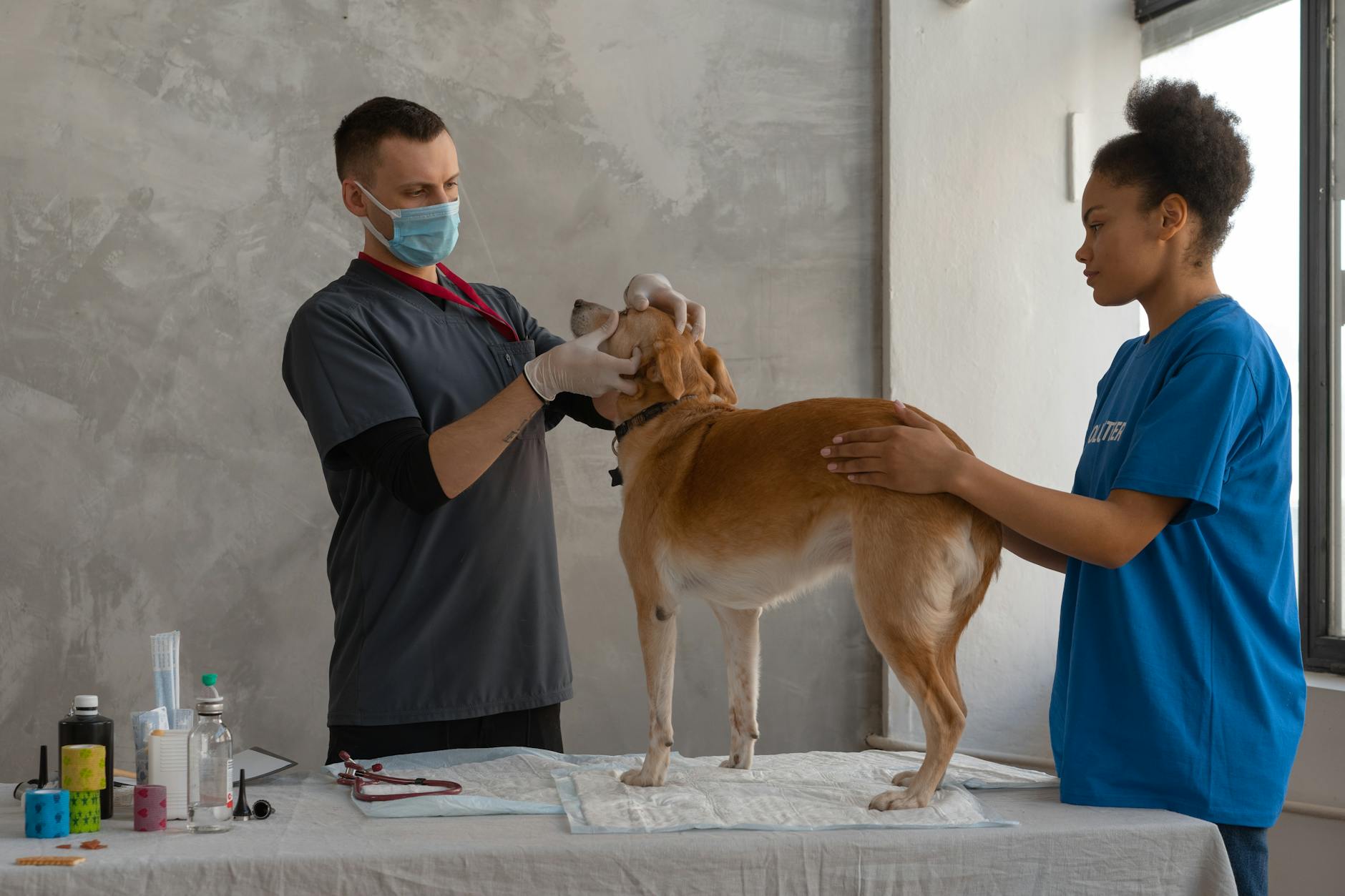
As a veterinarian, I consider the Portuguese Water Dog to be a robust and structurally sound breed, but they are genetically predisposed to several significant hereditary health conditions. Responsible breeders must perform rigorous DNA screening and orthopedic evaluations to prevent passing these serious genetic defects down to offspring.
Hip Dysplasia
A hereditary malformation of the hip joint where the femur does not fit snugly into the pelvic socket, leading to progressive arthritis and painful joint degeneration.
Progressive Retinal Atrophy (PRA-prcd)
An inherited genetic disease causing the slow, bilateral degeneration of the retina, eventually leading to complete blindness.
Juvenile Dilated Cardiomyopathy (JDCM)
An inherited, fatal cardiovascular disease occurring in young puppies (usually between 2 and 32 weeks of age) that causes sudden heart failure.
GM1 Gangliosidosis
A fatal, inherited neurodegenerative storage disease caused by a deficiency of the enzyme beta-galactosidase, leading to toxic accumulation of lipids in the brain.
Otitis Externa (Chronic Ear Infections)
Due to their narrow ear canals, heavy drop ears, and hair that grows deep inside the canal, moisture and debris are easily trapped, creating a breeding ground for yeast and bacteria.
How long do Portuguese Water Dogs typically live?
With proper nutrition, regular veterinary care, and genetic screening, a healthy Portuguese Water Dog typically enjoys a lifespan of 11 to 13 years.
What to Feed a Portuguese Water Dog
Because Portuguese Water Dogs are highly active and athletic, they require a nutrient-dense, high-quality diet to fuel their energy demands. In my clinic, I frequently warn owners that an under-exercised Portie will quickly become overweight, which puts dangerous stress on their joints.
Best Diet
An ideal diet consists of a high-quality, clinically proven commercial kibble formulated for active, medium-sized breeds. Ensure the diet is appropriate for their specific life stage (puppy, adult, or senior), and look for formulas that include joint-support ingredients like glucosamine and chondroitin.
How to Feed
I recommend dividing their daily food allocation into two equal meals fed in the morning and evening. Avoid feeding them immediately before or after strenuous exercise to minimize the risk of digestive upset or bloat.
How Much to Feed
Generally, adult PWDs require between 2 and 3 cups of high-quality dry kibble daily, depending on their weight, age, and activity level. Always consult your veterinarian to calculate your dog’s exact daily caloric requirement based on their body condition score.
Nutritional Tips
Supplementing their diet with wild-caught omega-3 fatty acids (EPA/DHA) can significantly improve coat shine, reduce dry skin, and support joint health. Avoid excessive table scraps, as this breed can easily develop a sensitive stomach or pancreatitis.
Portuguese Water Dog Grooming Guide
Grooming a Portuguese Water Dog is a demanding, non-negotiable commitment that requires both time and money. Their single-layered coat does not shed, which means dead hair wraps around live hair, forming dense, painful mats right at the skin if neglected.
Coat Care
You must brush and comb your Portie down to the skin at least 3 to 4 times a week using a slicker brush and a metal greyhound comb. They require professional clipping every 6 to 8 weeks, typically styled in either the traditional ‘Lion Cut’ (shaved muzzle and rear) or the casual ‘Retriever Cut’ (clipped evenly all over).
Skin Care
Regular bathing is necessary, especially if they swim often; always rinse them thoroughly with fresh water after they swim in pools or lakes to remove chlorine, salt, or organic debris that can cause contact dermatitis.
Eye Care
Keep the hair around their eyes trimmed short to prevent irritation, tearing, and conjunctivitis caused by stray hairs poking the globe.
Ear Care
Because hair grows inside their ear canals, you must check their ears weekly. Keep them clean and dry using a vet-approved drying solution, and discuss with your vet whether gentle plucking of ear canal hair is necessary for your specific dog.
Nail & Dental Care
Trim their nails every 3 to 4 weeks to prevent splaying of the paws, and brush their teeth daily with dog-safe enzymatic toothpaste to stave off periodontal disease.
Considerations for Pet Parents
Pros
- Extremely intelligent and quick to learn complex tasks.
- Virtually non-shedding, making them highly suitable for many allergy sufferers.
- Incredibly loyal, affectionate, and devoted to their human family.
- Excellent, robust companions for outdoor adventures and water sports.
- Generally healthy and structurally sound when sourced from reputable breeders.
Cons
- Very high energy levels that require extensive daily exercise.
- Demanding and expensive grooming requirements throughout their lives.
- Innate ‘mouthiness’ means they must be constantly redirected from chewing and nipping.
- Do not tolerate being left alone and are prone to separation anxiety.
- Can easily outsmart and manipulate passive or inexperienced owners.
Best For
Active, outdoorsy families or individuals who have the time to devote to intensive daily exercise, mental stimulation, and regular, meticulous grooming. They are perfect for owners who want a constant, interactive companion to join them on hikes, runs, and swims.
Not Recommended For
Sedentary households, apartment dwellers who cannot provide outdoor outlets, or busy families who are away from home for long stretches of the day. They are also not recommended for those looking for a low-maintenance, self-sufficient pet.
Cost
- purchase price$2,500 to $4,500 from a reputable, health-testing breeder
- monthly cost$150 to $250 (primarily driven by high professional grooming fees, high-quality food, and preventative veterinary care)
- initial setupExpect to spend $1,200 to $2,000 initially on high-quality crates, training classes, essential grooming tools (slicker brushes, combs, and professional clippers), and pediatric veterinary visits.
Similar Breeds

Standard Poodle

Lagotto Romagnolo
Portuguese Water Dog FAQs
Are Portuguese Water Dogs hypoallergenic?
While no dog is 100% hypoallergenic, the PWD is considered an excellent choice for allergy sufferers. Because they have a single coat that grows continuously and does not shed, they release far less dander and hair into the environment than shedding breeds. However, allergies can still be triggered by their saliva or urine.
What is the difference between the Lion Cut and the Retriever Cut?
The ‘Lion Cut’ is the historical working clip where the muzzle and the entire rear half of the body are shaved close to the skin, leaving a full coat on the chest and head (and a tuft on the tail tip) to protect vital organs while allowing free leg movement in the water. The ‘Retriever Cut’ is a practical clip where the coat is sheared evenly to about one inch all over the body, conforming to the dog’s outline.
Why does my Portuguese Water Dog always want to carry things in its mouth?
This is a deep-seated genetic behavior. PWDs were bred to retrieve broken nets, herd fish, and deliver messages between boats, which required them to carry items constantly. In the home, this manifests as carrying shoes, socks, or toys to welcome you, a behavior that should be embraced with safe toys rather than punished.
Do they bark a lot?
They are moderate barkers but are highly expressive. They often use a unique range of vocalizations—including multi-tonal barks, whines, and ‘hoo-hoo’ sounds—to communicate their needs, alert you to visitors, or express excitement.
How often do they need to swim?
While they do not literally need to swim every day to survive, swimming is their absolute favorite form of exercise and provides unparalleled joint-friendly cardiovascular conditioning. If you have access to safe, clean bodies of water, incorporating swimming into their weekly routine will keep them incredibly fit and happy.
How do I prevent ear infections in my Portie?
In my practice, ear care is the number one issue I treat in this breed. You must dry their ears thoroughly after every bath or swim using a vet-recommended, alcohol-based drying agent. Additionally, check their ears weekly for redness or odor, and have your veterinarian show you how to safely clean and manage the hair growing in their canals.
Are they prone to separation anxiety?
Yes. Because they are highly social working dogs bred to work closely alongside fishermen, they develop intense bonds with their families. If left isolated for long periods without stimulation, they frequently develop destructive behaviors, excessive barking, and self-harming habits like obsessive licking.
Are Portuguese Water Dogs good with children?
They are highly affectionate and playful with kids. However, because they are vigorous, highly energetic, and naturally mouthy, they can easily knock over small children or nip in excitement. Supervision is always required, and children should be taught how to interact respectfully with them.
Can they live in an apartment?
They can adapt to apartment living only if their owners are deeply committed to providing several hours of vigorous outdoor exercise and mental stimulation daily. Without this dedicated outlet, their energy will quickly make apartment life highly stressful for both the dog and the owner.
What is ‘Portie puppy crazy time’?
Many owners experience what is affectionately known as the ‘zoomies’ or ‘crazy time,’ where adolescent Porties experience sudden, intense bursts of energy. During these times, they may run in frantic circles, growl playfully, and grab items. It is a normal expression of pent-up energy that can be managed with structured play and mental puzzles.
Do their coats change color as they age?
Yes, it is quite common for PWD coats to change color. Many black or brown Porties carry a silvering or graying gene that causes their coat to gradually lighten or develop silver frosting as they mature, especially around their muzzle and legs.
What genetic health tests should I ask a breeder for?
At a minimum, you should demand proof of OFA (Orthopedic Foundation for Animals) hip evaluations, annual CERF/CAER eye exams, and DNA test results for Progressive Retinal Atrophy (PRA-prcd), GM1 Gangliosidosis, and Juvenile Dilated Cardiomyopathy (JDCM) for both sire and dam.