
Highland Fold Breed Guide

Quick Summary
The Highland Fold is a long-haired, medium-sized cat known for its sweet disposition, quiet demeanor, and signature folded ears. While they make remarkably gentle companions, their unique skeletal genetics demand highly dedicated owners who are committed to lifelong orthopedic monitoring and rigorous grooming.
Quick Facts
- origin countryScotland
- breed groupMutation group (Longhair variant of the Scottish Fold)
- sizeMedium
- weight range6 to 13 lbs (2.7 to 5.9 kg)
- height range8 to 10 inches (20 to 25 cm)
- lifespan11 to 15 years
- coat typeLong, dense, and plush double coat
- common colorsAll colors and patterns, including solids, tabbies, bi-colors, and colorpoints
- other namesScottish Fold Longhair, Longhair Fold, Coupari
- recognized byTICA, CFA, ACFA, CCA
Caring for a Highland Fold
Daily life with a Highland Fold centers on gentle handling, keeping up with their high-maintenance double coat, and proactively monitoring their joint health. In my practice, I emphasize that their calm, indoor-focused demeanor makes them incredibly easy to live with, but they rely heavily on you to manage their unique physical traits. Owners must establish a structured routine that combines careful handling, joint-friendly environmental modifications, and thorough ear hygiene.
Is a Highland Fold a good family pet?
Yes, their gentle, sweet-tempered nature makes them wonderful companions for quiet families. However, because of their delicate joints and susceptibility to pain, I advise against placing them in homes with toddlers who might handle them roughly.
Do Highland Folds shed a lot?
Yes, their dense, long double coat sheds moderately year-round, with heavy seasonal blowouts in spring and autumn. Daily combing is required to prevent painful matting close to the skin.
Is a Highland Fold good for first-time owners?
While their temperament is incredibly easygoing and forgiving, their complex genetic health risks and high grooming needs mean they are best suited for dedicated, well-researched owners rather than absolute beginners.
Temperament & Personality
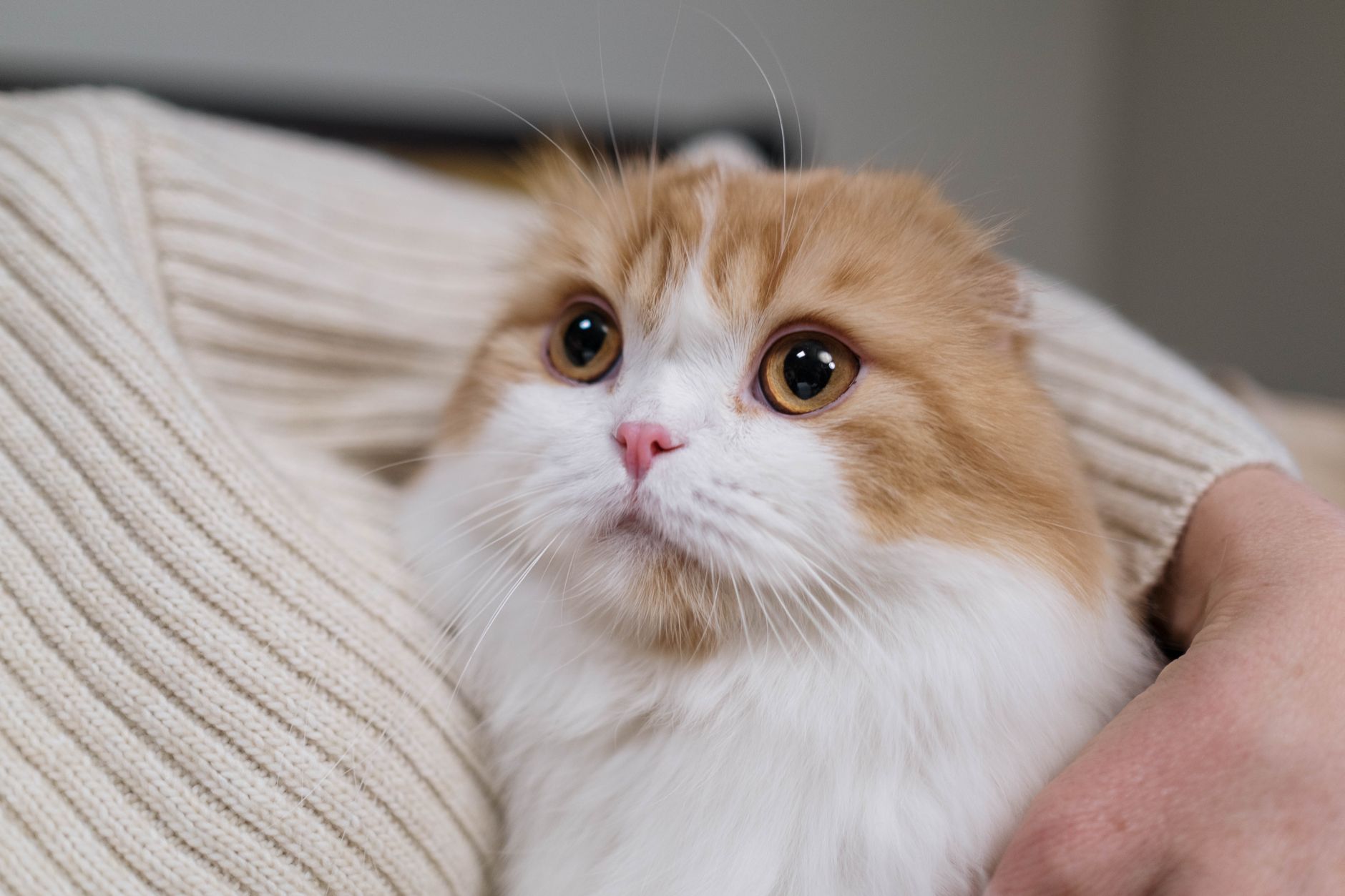
These cats are famously mellow, affectionate, and deeply attached to their human companions without being overly demanding. They are known for sitting in quirky, human-like positions, such as sitting flat on their backs in the ‘Buddha position.’ In my clinic, Highland Folds are usually the stars of the exam table because they rarely panic, preferring to observe their surroundings with quiet, wide-eyed curiosity.
Is a Highland Fold good with other pets?
Absolutely; they generally coexist beautifully with cat-friendly dogs and other peaceful felines. Their low-key, non-aggressive temperament makes them excellent at blending into multi-pet households.
How much attention does a Highland Fold need?
They crave human presence and prefer to be in the same room as you, but they are not pathologically needy. They are content to snooze near your desk rather than demanding constant, active entertainment.
Training & Behavior
Highland Folds are highly intelligent and observant, making them surprisingly receptive to positive-reinforcement training. Because they are not high-energy athletes, training should focus on mental stimulation and cooperative care behaviors rather than intense agility. I highly recommend clicker training to make their mandatory grooming routines a positive experience.
Training Tips
- Use high-value, low-calorie treats to motivate learning.
- Focus on target training to encourage gentle, low-impact movement.
- Desensitize them early to ear inspections and paw handling.
- Keep training sessions short, around 3 to 5 minutes max.
Fun Activities
- Food puzzle toys to stimulate their brain
- Gentle feather wand play to keep joints moving safely
- Clicker training simple commands like sit or high-five
- Supervised outdoor time on a secure harness and leash
Is a Highland Fold easy to train?
Yes, they are cooperative and respond well to clicker training when positive reinforcement is used. I recommend training them to tolerate routine grooming and medical checks early in life to make vet visits stress-free.
Highland Fold Health Issues
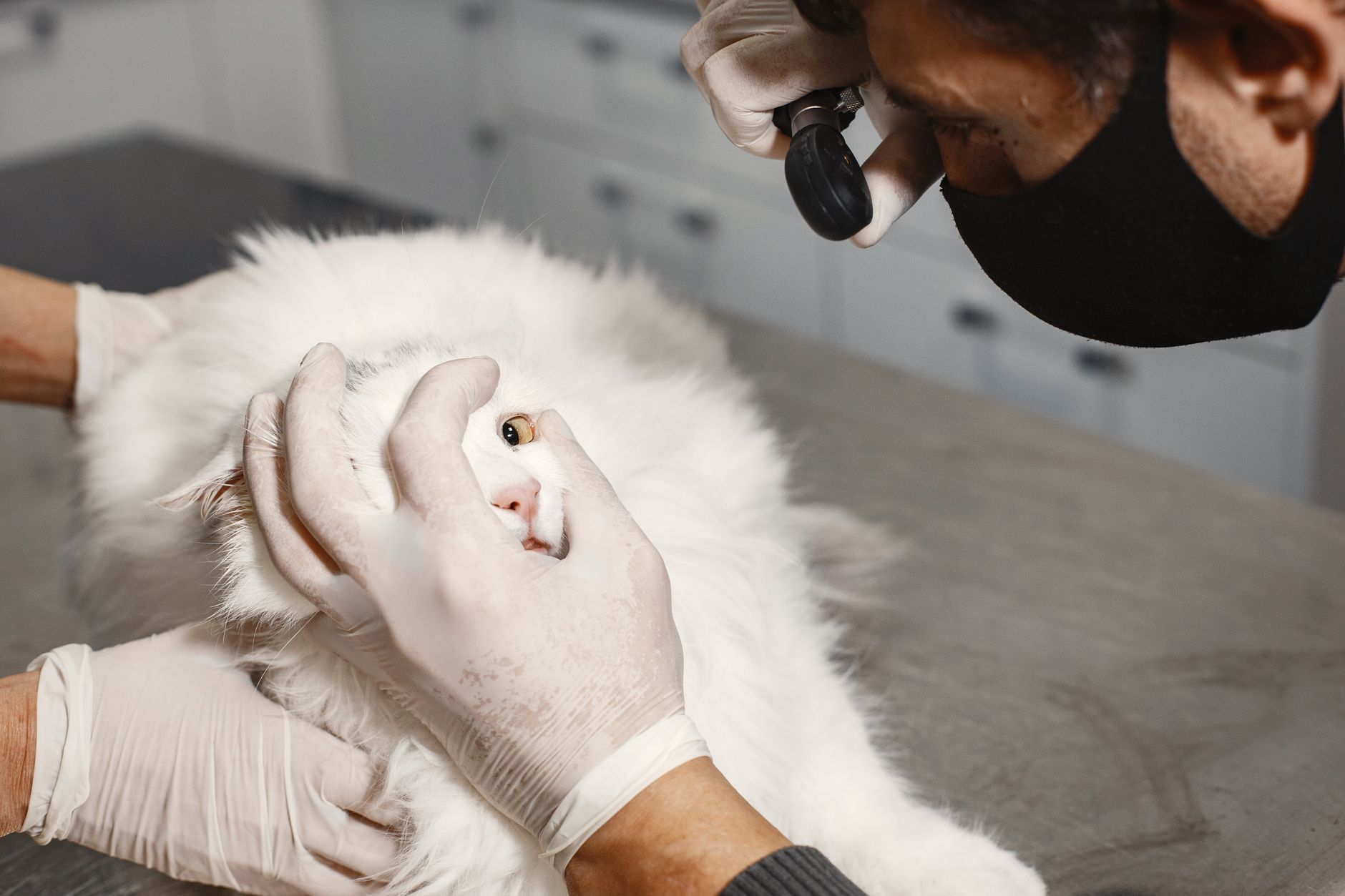
The genetic mutation that gives the Highland Fold its signature folded ears affects cartilage development throughout the entire body. Consequently, this breed requires vigilant, lifelong monitoring for skeletal issues, making regular veterinary evaluations and early intervention critical.
Osteochondrodysplasia (OCD)
This is the defining genetic issue of the breed, a degenerative joint disease affecting cartilage development. It leads to progressive, painful arthritis, fused joints, and skeletal deformities, particularly in the tail, ankles, and knees.
Polycystic Kidney Disease (PKD)
An inherited condition where fluid-filled cysts form in the renal tissue, gradually enlarging and destroying functional kidney tissue over time.
Hypertrophic Cardiomyopathy (HCM)
A primary heart disease where the muscular walls of the left ventricle become abnormally thickened, potentially leading to heart failure or blood clots.
Ear Infections and Otitis
The tightly folded ears of this breed create a warm, dark, and humid canal with restricted airflow, which is an ideal breeding ground for yeast and bacterial infections.
How long do Highland Folds typically live?
They generally live between 11 and 15 years. However, their quality of life in their senior years depends heavily on how early and aggressively we manage their chronic osteochondrodysplasia and joint discomfort.
What to Feed a Highland Fold
Due to their low-energy lifestyle and genetic predisposition to joint issues, weight management is the single most critical aspect of feeding a Highland Fold. In my clinic, I emphasize that carrying even one extra pound puts devastating mechanical stress on their already compromised joints.
Best Diet
I recommend a high-protein, low-carbohydrate wet food diet to support lean muscle mass while keeping them hydrated. Incorporating joint supplements, such as veterinary-grade Omega-3 fatty acids (EPA/DHA), glucosamine, and chondroitin early in life, is highly beneficial.
How to Feed
Feed measured, portion-controlled meals twice daily rather than free-feeding kibble. Interactive puzzle feeders are excellent for slowing down their eating and providing subtle physical exercise.
How Much to Feed
Portion sizes should be tailored precisely to your cat’s ideal body weight and activity level, not their fluffy coat size. Consult your veterinarian to calculate their exact daily caloric requirements, typically starting around 180 to 220 calories for an adult.
Nutritional Tips
Always look for diets that carry the AAFCO adequacy statement for their life stage. Avoid high-calorie commercial treats; instead, use single-ingredient freeze-dried meats as training rewards.
Highland Fold Grooming Guide
Caring for a Highland Fold is demanding due to the combination of a dense, long double coat and folded ears that trap debris. Owners must commit to a strict maintenance routine to keep their cat comfortable and free from infection.
Coat Care
Brush the long, plush coat at least three to four times a week—ideally daily—using a steel greyhound comb and a slicker brush to prevent painful matting, especially in the ruff and britches.
Skin Care
Check the skin weekly under the long fur for any hot spots, dry patches, or matting-induced irritation, which can easily hide under their thick coat.
Eye Care
Wipe the eye area gently with a damp, soft cloth if they experience mild tearing, which is common due to their rounded head structure.
Ear Care
Inspect the folded ears weekly; use a vet-approved, gentle ear cleaner and a cotton ball to clean the external canal, never inserting cotton swabs into the canal.
Nail & Dental Care
Trim claws every 2 to 3 weeks, and brush their teeth daily with cat-safe enzymatic toothpaste to combat periodontal disease.
Considerations for Pet Parents
Pros
- Extremely sweet, affectionate, and gentle temperament
- Very quiet and rarely vocalizes disruptively
- Adapts wonderfully to indoor apartment living
- Unique, adorable appearance and cute sitting postures
- Coexists peacefully with other mild-mannered pets
Cons
- High risk of painful genetic joint issues (Osteochondrodysplasia)
- Demanding long coat grooming schedule
- Prone to chronic ear infections if neglected
- Can be difficult to find from responsible, ethical breeders
Best For
Patient, attentive owners who have the financial means to support potential orthopedic veterinary care and are dedicated to daily grooming and ear hygiene.
Not Recommended For
Busy households with small, active children who might handle the cat roughly, or owners looking for a low-maintenance, highly active pet.
Cost
- purchase price$1,500 to $3,500
- monthly cost$100 to $200 (primarily for high-quality food, joint supplements, and grooming tools)
- initial setupBudget an extra $300 to $600 initially for veterinary-strength orthopedic beds, grooming supplies, and initial health screenings.
Similar Breeds
Highland Fold FAQs
Why do some Highland Folds have straight ears?
All Highland Folds are born with straight ears. The fold gene is dominant, but heterozygous inheritance means only some kittens’ ears will begin to fold around 3 to 4 weeks of age; those whose ears remain straight are known as Scottish Straight Longhairs.
What is osteochondrodysplasia, and do all folded cats get it?
Osteochondrodysplasia (OCD) is a genetic abnormality affecting cartilage and bone development. Yes, all cats with folded ears have this mutation and will develop some degree of degenerative joint disease, though the severity varies depending on their genetic makeup (heterozygous vs. homozygous).
How can I tell if my Highland Fold is in pain?
Cats are masters at hiding pain. Look for subtle behavioral shifts such as a stiff, completely rigid tail, reluctance to jump onto furniture, a hesitating or ‘bunny-hopping’ gait, hiding, decreased grooming, or subtle grimacing.
Why is breeding two folded cats together considered unethical?
Breeding two folded cats results in homozygous kittens who inherit two copies of the mutant gene. These kittens suffer from severe, rapidly progressive, and crippling osteochondrodysplasia, causing extreme pain and skeletal deformities early in life.
How do I safely clean my Highland Fold’s folded ears?
Always handle their ears with extreme gentleness as the cartilage is delicate. Squeeze a few drops of a vet-recommended, non-irritating ear cleaner into the canal, massage the base of the ear gently, then wipe away loosened debris with a cotton round; never insert Q-tips.
Are Highland Folds hypoallergenic?
No, they are not hypoallergenic. They produce the Fel d 1 protein in their saliva and skin, and their dense, shedding long hair easily spreads this dander throughout the home.
What supplements do you recommend for their joints?
In my practice, I recommend starting joint support early. High-quality marine-derived Omega-3 fatty acids (EPA/DHA), glucosamine, chondroitin, and green-lipped mussel are excellent. For advanced cases, I often prescribe disease-modifying osteoarthritis drugs like Adequan or monoclonal antibody therapies.
How do I groom a matted Highland Fold safely?
Never use scissors to cut out mats, as cat skin is incredibly thin and easily lacerated. Use a dematting rake or slicker brush with cornstarch to gently tease the mat apart, or consult a professional groomer or veterinarian for a safe sanitary shave.
Do Highland Folds suffer from breathing issues due to their round faces?
While they are not as extremely brachycephalic as some modern Persians, they do have rounder, shorter skulls. Monitor them for loud breathing, snoring, or heat intolerance, and report any respiratory concerns to your vet.
How do I handle a Highland Fold’s stiff tail?
Always handle their tail with extreme caution and never try to bend or flex it if it feels rigid. Fused caudal vertebrae are common and highly painful; forcing movement can cause immense distress and pain.
Can Highland Folds go outside?
No, they should be kept strictly indoors. Their physical agility can be compromised by progressive joint stiffness, making it difficult for them to climb, flee from predators, or defend themselves effectively.
What should I look for in an ethical Highland Fold breeder?
An ethical breeder must never breed fold-to-fold; they should always outcross to Scottish Straights or British Shorthairs/Longhairs. They must provide official DNA clearance for PKD and echocardiogram screenings for HCM, as well as a veterinary health guarantee.
Are Highland Folds prone to obesity?
Yes, their placid, low-energy nature combined with joint pain that limits activity makes them highly prone to weight gain. Strict portion control and regular, low-impact mental stimulation are vital to keep them trim.
Sources & Further Reading
- The Cat Fanciers’ Association (CFA)
- International Cat Care
- Cornell University College of Veterinary Medicine