
Arabian Mau Breed Guide

Quick Summary
The Arabian Mau is a natural, highly active desert breed celebrated for its exceptional robustness and striking athletic build. Best suited for active households, these cats possess a high-octane energy level and fierce loyalty, transforming any home into their personal jungle gym while demanding deep interactive engagement from their owners.
Quick Facts
- origin countryArabian Peninsula (UAE, Oman, Saudi Arabia, Kuwait)
- breed groupNatural / Shorthair
- sizeMedium to Large, long-legged and muscular
- weight range8 to 16 lbs (3.6 to 7.3 kg)
- height range10 to 14 inches (25 to 35 cm)
- lifespan12 to 15+ years (often reaching late teens due to natural hardiness)
- coat typeShorthair, single coat, completely lacking an undercoat
- common colorsWhite, Black, Black and White, Brown Tabby, Grey and White, Red Tabby
- other namesDesert Cat, Gulf Mau
- recognized byWCF (World Cat Federation)
Caring for a Arabian Mau
Caring for an Arabian Mau is less about high-maintenance grooming and more about meeting their immense physical and mental stimulation needs. In my years treating this breed, I have found that their desert heritage makes them exceptionally resilient, but their high metabolism demands active outlet management. Owners must provide vertical territory, such as tall cat trees, and engage them in vigorous daily play to prevent boredom-induced mischief. Providing fresh water in multiple locations is crucial, as their highly efficient desert kidneys concentrate urine intensely, making hydration monitoring a primary veterinary focus.
Is an Arabian Mau a good family pet?
Absolutely, provided the family enjoys an active household. In my practice, I find they bond incredibly well with children who respect their boundaries and participate in high-energy play sessions, though toddlers should always be supervised.
Do Arabian Maus shed a lot?
No, they shed very minimally. Because they lack an undercoat—a brilliant desert adaptation—they require only a quick weekly brush to remove loose hairs, making them exceptionally low-maintenance in the grooming department.
Is an Arabian Mau good for first-time owners?
Generally, I recommend them for experienced owners. Their high energy, intelligence, and vocal demands can overwhelm a novice owner who expects a quiet, sedentary lap cat.
Temperament & Personality
The Arabian Mau is an incredibly affectionate, fiercely loyal cat with a vibrant, commanding personality. Unlike more aloof breeds, they actively seek out their humans, trailing them from room to room and loudly announcing their thoughts. They possess a high prey drive and an insatiable curiosity, meaning they will inspect every grocery bag, cabinet, and high shelf in your home. While they love a good cuddle session at the end of the day, it is always on their terms after they have burned off their abundant energy.
Is an Arabian Mau good with other pets?
Yes, they usually get along wonderfully with other cats and dog-friendly dogs, often asserting themselves as the natural leader of the pack. However, due to their intense desert hunting instincts, I strongly advise against housing them with small rodents or birds.
How much attention does an Arabian Mau need?
They require a significant amount of daily interaction. I tell my clients to expect at least 30 to 45 minutes of direct, active play daily, alongside plenty of puzzle toys to keep their sharp minds occupied when you are away.
Training & Behavior
Training an Arabian Mau is highly rewarding due to their exceptional cognitive capacity, though they do possess a streak of desert independence. They respond beautifully to positive reinforcement and clicker training, often mastering tricks that challenge average felines. Without structured training and environmental enrichment, however, they will train themselves to open cabinet doors, turn on faucets, and retrieve hidden treats.
Training Tips
- Use clicker training with high-value treats like freeze-dried meat to channel their focus.
- Keep training sessions short, dynamic, and fun—ideally 3 to 5 minutes long.
- Leash train them early using a secure harness to safely satisfy their outdoor curiosity.
- Establish clear boundaries early, as they are clever enough to test limits systematically.
Fun Activities
- Leash walking in quiet parks
- High-jump toy fetching
- Interactive food puzzle solving
- Agility obstacle courses
- Learning commands like ‘sit’ and ‘high-five’
Is an Arabian Mau easy to train?
Yes, they are highly trainable because they love mental stimulation and working for rewards. Their eagerness to engage makes them excellent candidates for agility training and trick learning, provided you keep the training sessions fun and reward-based.
Arabian Mau Health Issues

From a clinical perspective, the Arabian Mau is one of the hardiest, most genetically robust breeds I treat in my practice. Because they evolved naturally in harsh desert climates rather than through intensive human line-breeding, they lack the long list of hereditary genetic defects plaguing many modern breeds.
Periodontal Disease
Like all domestic cats, they are prone to plaque buildup, which can lead to gingivitis and tooth loss if dental hygiene is neglected.
Feline Obesity
While highly active, Arabian Maus kept in small, unstimulating indoor environments can quickly become sedentary and prone to rapid weight gain.
Chronic Kidney Disease (CKD)
As they age, older Maus can develop renal insufficiency. Because their desert-adapted kidneys are masters at concentrating urine, early signs can be subtly masked.
Hypertrophic Cardiomyopathy (HCM)
Though not genetically predisposed like Maine Coons, any feline breed can develop this thickening of the heart muscle. Annual veterinary auscultations are vital.
How long do Arabian Maus typically live?
With proper nutrition, regular veterinary care, and an indoor lifestyle, Arabian Maus routinely live between 12 and 15 years, with many of my patients happily reaching 18 to 20 years of age.
What to Feed a Arabian Mau
Given their high energy levels and muscular stature, Arabian Maus require a nutrient-dense, high-protein diet to thrive. In my clinic, I emphasize preventing obesity while supporting their lean muscle mass.
Best Diet
An ideal diet consists of high-quality, meat-first commercial wet food, which provides essential moisture. Wet food is crucial for this desert breed to support optimal kidney health and prevent urinary tract crystals.
How to Feed
I highly recommend split feedings using puzzle feeders or microchip-activated feeders. Feeding them 2 to 3 small, measured meals a day prevents binge eating and mimics their natural hunting behaviors.
How Much to Feed
Portion control should be calculated based on metabolic weight and activity level; typically, an active 10-lb Mau requires roughly 250 to 300 calories daily. Always consult your vet to tailor these portions specifically to your cat’s body condition score.
Nutritional Tips
Avoid grain-heavy dry foods with filler carbs, which can trigger diabetes and obesity. Incorporating a water fountain can entice them to drink more, safeguarding their highly efficient renal systems.
Arabian Mau Grooming Guide
Grooming an Arabian Mau is wonderfully simple and direct. Their sleek, single coat does not trap dirt or mats, allowing you to focus your grooming routine on dental and claw care.
Coat Care
Brush their coat once a week with a soft-bristle brush or grooming glove to distribute natural skin oils and sweep away loose hairs.
Skin Care
Their skin is naturally resilient, but owners should check for dry patches during seasonal shifts, especially if indoor heating drys out the air.
Ear Care
Inspect their large ears weekly for wax buildup or mild redness; clean them gently only if necessary using a vet-approved ear flush.
Nail & Dental Care
Trim their fast-growing nails every 2 to 3 weeks, and brush their teeth daily using feline-safe enzymatic toothpaste to stave off periodontal disease.
Considerations for Pet Parents
Pros
- Exceptional natural health with minimal genetic disease risks
- Extremely low-maintenance grooming needs
- Highly intelligent and highly trainable
- Deeply loyal, affectionate, and family-oriented
- Fun-loving, playful, and energetic companion
Cons
- Can be incredibly vocal and demanding of attention
- Needs significant physical and mental stimulation daily
- High jumping and climbing ability requires cat-proofing
- Not suited for quiet, low-energy households
Best For
Active individuals or families who can dedicate daily time to interactive play and want a highly engaged, communicative companion. They do exceptionally well in homes with secure high vertical spaces and safe outdoor enclosures like a catio.
Not Recommended For
Those seeking a quiet, sedentary, low-profile lap cat, or busy professionals who are out of the house for long, uninterrupted stretches of time.
Cost
- purchase price$800 to $1,500 USD
- monthly cost$60 to $100 USD
- initial setupInitial setup costs typically range from $400 to $800, focusing heavily on sturdy, tall cat trees, interactive toys, and high-quality escape-proof harnesses.
Similar Breeds
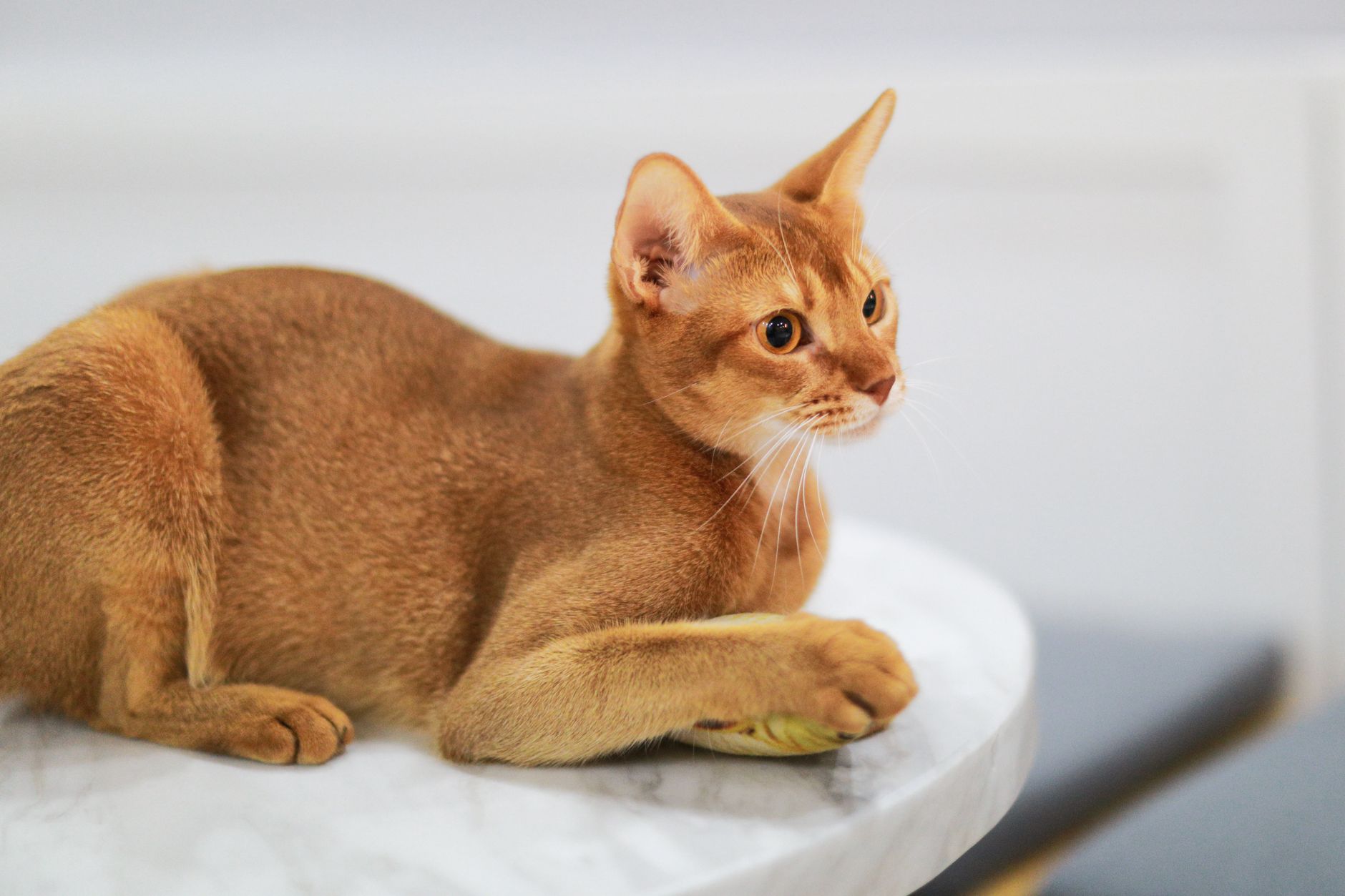

Arabian Mau FAQs
Are Arabian Maus hypoallergenic?
No, they are not hypoallergenic. While they lack an undercoat and shed very little, they still produce the Fel d 1 protein in their saliva and dander, which is the primary trigger for cat allergies.
Can Arabian Maus live strictly indoors?
Yes, and from a veterinary standpoint, they should. However, because of their immense energy, you must enrich their indoor environment with tall cat trees, window perches, and daily interactive play to keep them happy.
Do Arabian Maus have health issues?
They are incredibly healthy. Because they developed via natural selection in the wild desert, they lack the hereditary genetic diseases common in breeds heavily manipulated by human breeding programs.
How big do Arabian Maus get?
They are medium to large cats. Males typically weigh between 9 and 16 pounds, while females are slightly smaller, usually ranging from 8 to 12 pounds.
Are they vocal cats?
Yes, they are highly communicative. They will frequently chirp, trill, and meow to demand dinner, ask for playtime, or simply greet you when you walk through the door.
Do they get along with dogs?
Generally, yes. Their confident, bold nature means they are rarely intimidated by dogs, and they often form close bonds with canine companions who respect their space.
How often should I feed an Arabian Mau?
I recommend feeding adult Maus 2 to 3 times a day. Spacing out meals prevents boredom-related overeating and helps regulate their high desert metabolism.
What colors do Arabian Maus come in?
They come in various colors reflecting their desert origins, including solid white, solid black, black and white bicolors, grey and white, and red or brown tabby patterns.
Why do they have such large ears?
Their large ears are a evolutionary adaptation to desert life, acting as natural radiators to help dissipate body heat and keep them cool in extreme temperatures.
Do they tolerate cold weather well?
No. Because they have a single coat with no undercoat, they are highly sensitive to cold climates. They must be kept indoors in heated environments during winter months.
Are they escape artists?
Yes, their intelligence and athleticism make them prone to exploring. I always warn owners to secure all window screens and double-check exterior doors when entering or leaving.
Do Arabian Maus like to climb?
Incredibly so. They have very long, powerful hind legs and love to occupy the highest points in any room, including the tops of doors, refrigerators, and high shelving.