
Otterhound Breed Guide
Quick Summary
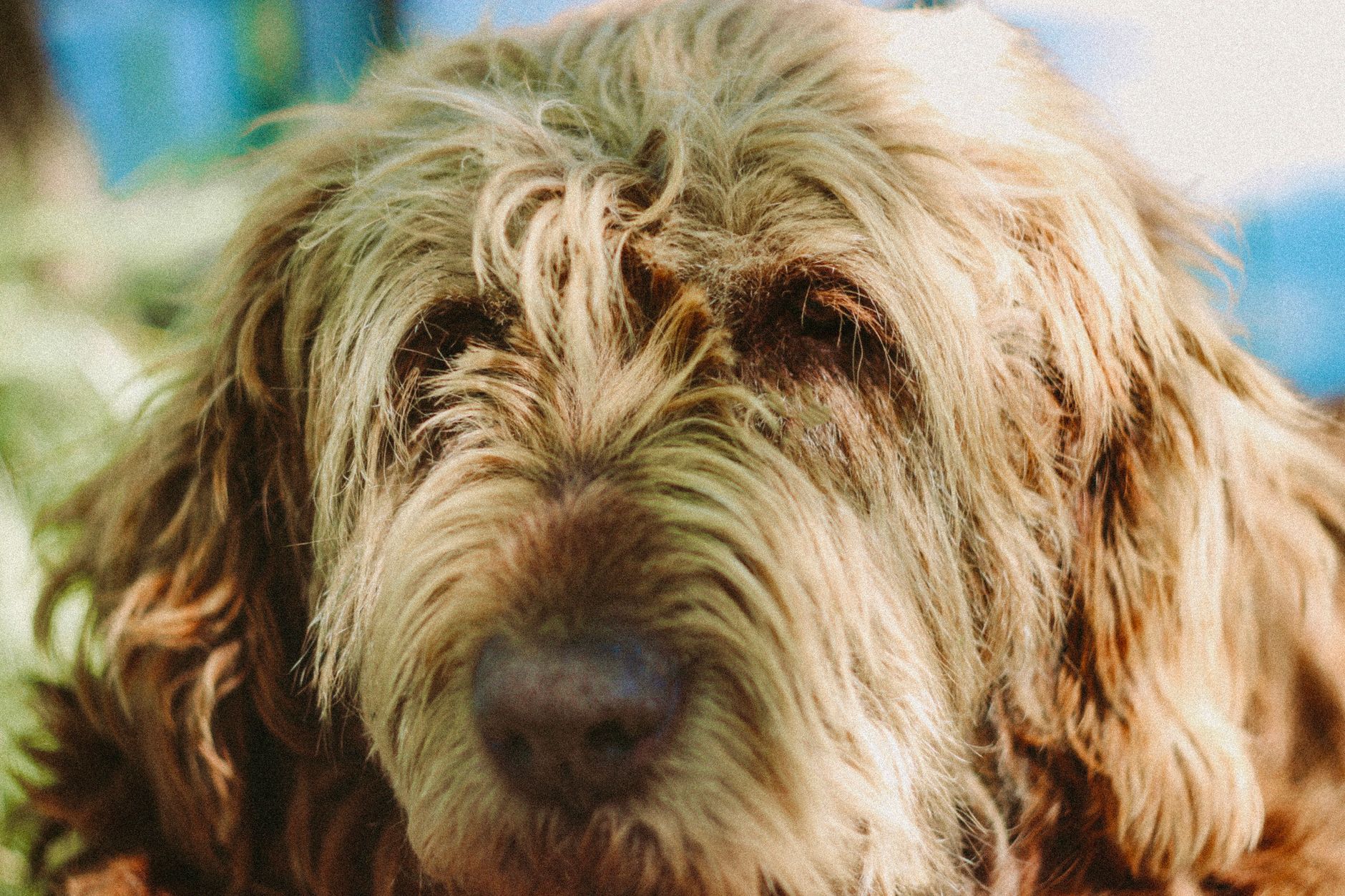
A rare, rugged, and remarkably amiable scent hound, the Otterhound is a large, shaggy athlete with a boisterous personality and an intense love for water and tracking. In my clinic, I’ve found they thrive best with active, patient owners who can manage their independent streak, high exercise needs, and massive, mud-loving double coat.
As an Amazon Associate, we earn from qualifying purchases.
Popular with Otterhound owners: Omega-3 Fish Oil · Orthopedic Dog Bed · Dog Food
Quick Facts
- origin countryGreat Britain
- breed groupHound
- sizeLarge to Giant
- weight range65 to 115 pounds
- height range24 to 27 inches
- lifespan10 to 13 years
- coat typeDense, rough, double coat with a shaggy outer coat and oily undercoat
- common colorsBlack and tan, grizzle, sandy, wheaten, blue and tan, or tri-color
- other namesNone
- recognized byAKC, UKC, KC
Caring for a Otterhound
Living with an Otterhound is an exercise in managing mud, water, and immense scent-driven curiosity. In my practice, owners who successfully cohabit with this breed accept that their houses will have a ‘wet dog’ aroma and that counters must be kept completely clear of food. Daily life requires at least an hour of vigorous, scent-focused exercise, and secure fencing is non-negotiable because their nose will lead them through any weak spot. Despite their size, they are incredibly sweet-natured housemates who love to lounge near their human pack.
Is an Otterhound a good family pet?
Yes, their amiable, easygoing nature makes them excellent family dogs who generally adore children. However, their sheer size and bouncy puppyhood mean they can accidentally knock over toddlers, so active supervision is always recommended.
Do Otterhounds shed a lot?
They are moderate to heavy shedders, but their shaggy double coat acts like a magnet for debris, dirt, and water. You will find tumbleweeds of hair around the house, and their beard holds a substantial amount of water after drinking, which they will happily shake onto your walls.
Is an Otterhound good for first-time owners?
Generally, no, as their independent hound mentality and physical size can overwhelm novices. They require consistent, positive-reinforcement training and an owner who understands how to manage a highly motivated scent hound.
Temperament & Personality
The Otterhound is characterized by an incredibly friendly, boisterous, and sometimes goofy temperament. Unlike some aloof hound breeds, they are highly affectionate with their families and generally welcome strangers with a deep, melodious bay. They possess a stubborn streak typical of independent hunters, meaning they see rules more as suggestions. In my clinic, they are known as the gentle giants who will try to climb into my lap despite weighing 100 pounds.
Is an Otterhound good with other pets?
Typically, yes, they are pack hounds by nature and generally get along well with other dogs. However, due to their historic hunting drive, smaller animals like rabbits or cats may trigger their prey instinct unless they are meticulously socialized from puppyhood.
Native Pet Omega-3 Fish Oil for Dogs
- ✓Wild Alaskan salmon and pollock oil
- ✓Leak-proof locking pump
- ✓Supports soft coats and comfortable skin
- Omega-3 fatty acids support skin, coat and joints from the inside out
How much attention does an Otterhound need?
They are highly social dogs who thrive on being part of family activities and can develop separation anxiety or destructive baying if left isolated for long periods. They don’t need constant physical pampering, but they do require your presence and active engagement.
Training & Behavior
Training an Otterhound requires immense patience, a sense of humor, and high-value treats to bypass their powerful scent drive. Because they were bred to work independently miles away from a hunter, they are not eager-to-please in the way a Golden Retriever is. In my practice, I emphasize that early socialization and obedience training are vital to prevent a 100-pound dog from dragging you down the street on a scent trail.
Training Tips
- Use extremely high-value food rewards like freeze-dried liver
- Keep training sessions short, fun, and highly varied
- Always train with a sturdy harness and leash
- Never use harsh or punitive training methods
- Focus heavily on impulse control and recall training from day one
Fun Activities
- Scent work and tracking trials
- Swimming and dock diving
- Hiking on long lines
- Agility (modified for large breeds)
- Canicross or nosework games
Is an Otterhound easy to train?
No, they are notoriously independent and easily distracted by smells. While they are highly intelligent, they will constantly assess whether your command is worth ignoring in favor of an interesting odor.
Otterhound Health Issues
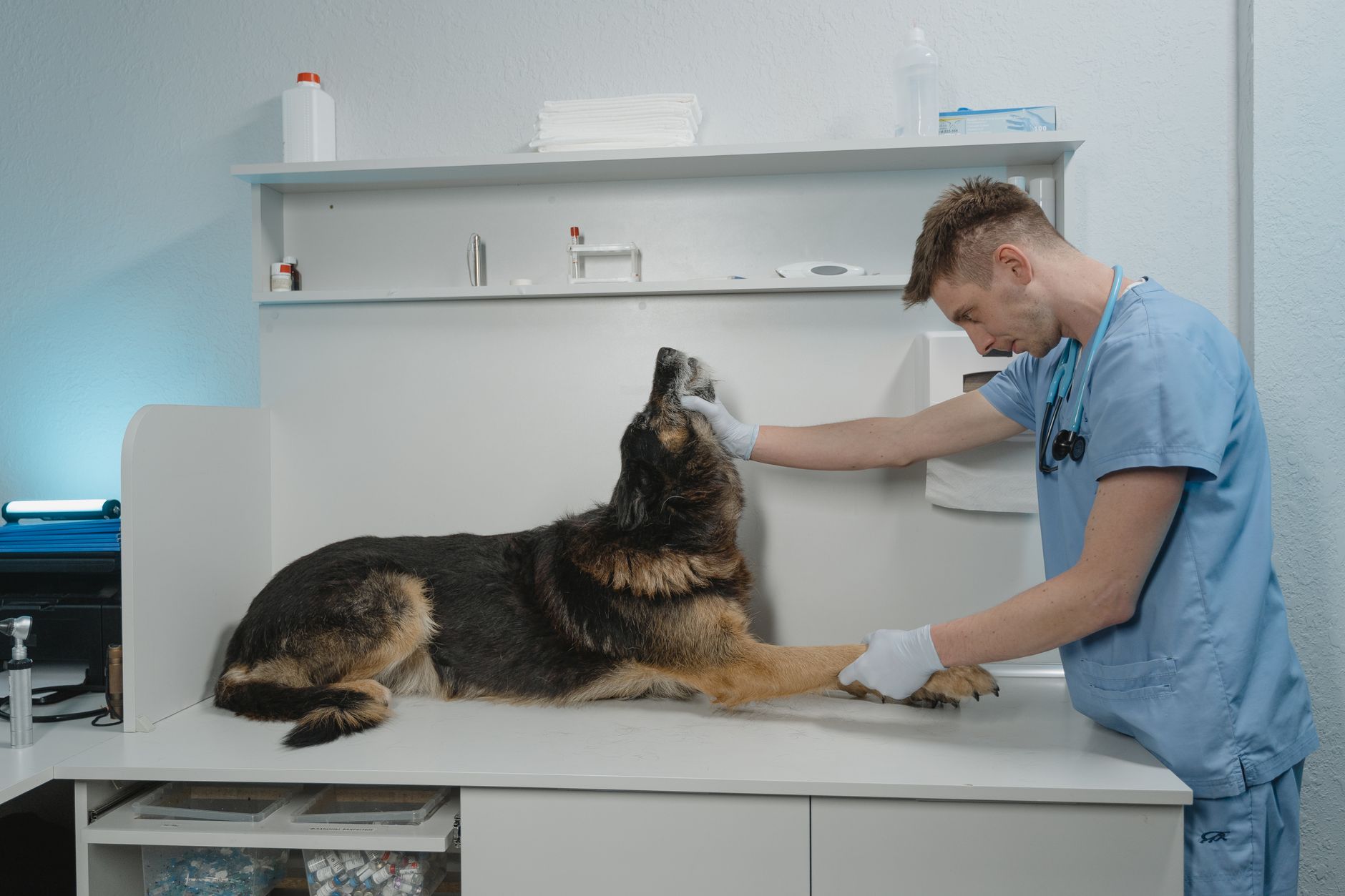
As a giant breed with a small gene pool, the Otterhound is relatively robust but suffers from several notable genetic and physical predispositions. In my years treating this breed, managing joint health, preventing bloat, and monitoring for breed-specific bleeding disorders are my primary clinical focuses.
Hip and Elbow Dysplasia
Malformed joint structures that lead to painful arthritis and mobility issues. In my practice, I recommend pelvic radiographs around two years of age to assess joint laxity.
Gastric Dilatation-Volvulus (GDV or Bloat)
A life-threatening emergency where the stomach fills with gas and twists on its axis, cutting off blood flow. This requires immediate emergency surgical intervention.
Bedsure Orthopedic Dog Bed, Egg-Crate Foam
- ✓Egg-crate orthopedic foam spreads body weight
- ✓Removable, machine-washable cover
- ✓Supports dogs up to 65 lbs
- Cushions hips and joints in large, senior or dysplasia-prone dogs
- Easy to keep clean
Thrombasthenic Thrombopathia
A breed-specific inherited bleeding disorder where platelets do not clump together properly to form clots, leading to excessive bleeding even from minor injuries.
Otitis Externa (Ear Infections)
Due to their long, heavy, folded ears and love of water, moisture and debris easily get trapped in the ear canal, promoting bacterial and yeast growth.
Subclinical Hypothyroidism
An underactive thyroid gland that slows down the dog’s metabolism, which is fairly common in senior Otterhounds.
How long do Otterhounds typically live?
They generally live between 10 and 13 years, which is a respectable lifespan for a giant breed. Keeping them lean and physically active is the single best way to maximize their healthy senior years.
What to Feed a Otterhound
Otterhounds require a high-quality diet formulated for large or giant breeds to support their heavy bone structure and active lifestyle. Because they are highly prone to life-threatening bloat, managing *how* they eat is just as important as *what* they eat.
Best Diet
A large-breed-specific dry kibble containing glucosamine and chondroitin is ideal. For puppies, a specialized large-breed puppy formula is critical to ensure slow, steady growth and prevent developmental joint diseases.
How to Feed
Divide their daily food into at least two, preferably three, smaller meals rather than one large feeding. Use slow-feeder bowls and strictly enforce a rule of no vigorous exercise or running for one hour before and after meals to mitigate bloat risk.
How Much to Feed
Adult Otterhounds typically require 3 to 5 cups of high-quality kibble daily, depending on their weight and activity level. Always consult your veterinarian to calculate exact caloric needs based on body condition score rather than relying solely on bag guidelines.
Nutritional Tips
Incorporate wild-caught omega-3 fish oil supplements to support their dense coat and joint health. Avoid high-calcium supplements in growing puppies, as this can severely disrupt skeletal development.
Otterhound Grooming Guide
The Otterhound’s coat is designed to protect them from cold water, meaning it is oily, dense, and a magnet for dirt. Grooming is a labor of love that requires regular maintenance to prevent painful matting and that distinct ‘hound’ odor.
Coat Care
Brush the double coat thoroughly at least twice a week using a slicker brush and a wide-toothed metal comb. Their beard must be washed and dried regularly, as it traps wet food and water, leading to a sour smell and bacterial buildup.
Skin Care
Bathe them every 6 to 8 weeks with a high-quality, strip-free shampoo that preserves their natural weather-resistant skin oils. Always dry them thoroughly, particularly around the armpits and groin, to prevent hot spots.
Eye Care
Inspect their eyes weekly for debris or redness, as their long facial furnishings can sometimes cause mild irritation.
Ear Care
Clean their heavy, pendulous ears weekly with a vet-approved, drying ear cleanser, especially after they go swimming, to prevent yeast infections.
Nail & Dental Care
Trimming their thick nails every 3 to 4 weeks is crucial to prevent structural splaying of their webbed feet, alongside daily brushing with dog-safe enzymatic toothpaste.
Considerations for Pet Parents
Pros
- Extremely affectionate and loving with family members
- Remarkably friendly and social with other dogs
- Excellent swimming companion and outdoor partner
- Unique, striking appearance with a beautiful shaggy coat
- Calm and relaxed indoors once physically exercised
- Fascinating breed history and highly unique vocalizations
Cons
- Prone to tracking mud, water, and debris indoors
- Extremely loud, deep baying that can annoy neighbors
- Can be stubborn and highly challenging to train
- Prone to severe, life-threatening bloat (GDV)
- Hard to find due to extremely low breed population numbers
Best For
Active families or individuals with large, securely fenced yards who love outdoor activities like hiking or swimming and don’t mind a messy, muddy household.
Not Recommended For
Apartment dwellers, pristine homeowners who cannot tolerate mud/drool, or busy owners who cannot dedicate at least an hour daily to active scent and physical exercise.
Cost
- purchase price$1,500 to $3,000
- monthly cost$150 to $250
- initial setupExpect to spend $1,000 to $1,500 initially for preventative gastropexy (bloat prevention surgery), extra-large crates, heavy-duty grooming tools, and veterinary-grade joint supplements.
-
Wag Wholesome Grains Dry Dog Food, Chicken & Brown RiceA complete, balanced diet matched to your dog’s size and age is the foundation of a healthy coat, gut and energy level
-
Burt’s Bees for Pets Oatmeal Dog ShampooA gentle, pH-balanced dog shampoo cleans without stripping the natural oils that protect skin and coat
-
Zuke’s Mini Naturals Dog Training Treats, ChickenQuick to eat, so training sessions keep moving
Similar Breeds

Otterhound FAQs
Are Otterhounds rare?
Yes, they are one of the most endangered dog breeds in the world, with fewer registered births annually than giant pandas. In my practice, I’ve only treated a handful of these wonderful dogs, making them a true conservation breed.
Do Otterhounds bark a lot?
They do not bark in the traditional sense, but they possess a massive, resonant bay and a ‘hound song’ that carries for miles. If they are bored, lonely, or catch an interesting scent, they will vocalize, which makes them unsuitable for close-quarter neighborhood living.
Do they have webbed feet?
Yes, Otterhounds have unique, highly pronounced webbed feet with thick pads, which acts like natural flippers. This adaptation, combined with their water-resistant double coat, makes them extraordinary and tireless swimmers.
What is ‘Otterhound bleeding disorder’?
Formally known as Thrombasthenic Thrombopathia, it is an inherited platelet defect unique to the breed that impairs normal blood clotting. I always advise screening breeding pairs and run a coagulation profile before performing any surgery on an Otterhound.
How much exercise do they need daily?
They require at least one to two hours of physical activity daily, ideally split between brisk walking, swimming, and mental scent tracking. Simply letting them out in a yard is not enough; their minds must be engaged through olfactory stimulation.
Can Otterhounds live in apartments?
I strongly advise against keeping an Otterhound in an apartment due to their size, scent-tracking needs, and booming vocalizations. They thrive best in homes with large, securely fenced yards where they can explore scents safely.
Are they prone to separation anxiety?
Yes, as pack hounds, they form deep attachments to their families and can become highly destructive or bay constantly if left alone for extended periods. Crate training and slowly desensitizing them to your departure from puppyhood is essential.
Should I get a preventative gastropexy for my Otterhound?
In my clinical opinion, yes. Because of their deep-chested conformation and high risk for Gastric Dilatation-Volvulus (GDV), a preventative gastropexy (tacking the stomach) during their spay or neuter can be a lifesaver.
What is their prey drive like?
They possess a highly developed tracking instinct and moderate to high prey drive, particularly for aquatic or small land animals. They should always be kept on a leash or in a securely fenced area, as a scent will easily override their training.
Are they hypoallergenic?
No, Otterhounds are not hypoallergenic. Their thick double coat sheds moderately year-round and traps dander, dust, and pollen, which can trigger allergies in sensitive individuals.
How do they handle hot weather?
Because of their heavy, oily double coat, they do not tolerate extreme heat well and are prone to heatstroke. During summer, limit their exercise to early mornings or late evenings and ensure they have access to cool water or air conditioning.
How often do they need to be bathed?
Generally every 6 to 8 weeks, but their oily coat has a natural self-cleaning property that sheds dirt once dry. However, their wet-beard odor and love for muddy water means they will often need localized rinses much more frequently.
At what age do Otterhounds mature?
Like many giant breeds, they mature very slowly, both physically and mentally. They typically do not reach full physical skeletal maturity or mental adulthood until they are 2 to 3 years old.
Are they good watchdogs?
They are excellent watchdogs in terms of alerting you to visitors with a booming, deep bay, but they are far too friendly and amiable to be effective guard dogs. They are more likely to offer a muddy paw to an intruder than to act aggressively.
Can they be off-leash in open areas?
I never recommend letting an Otterhound off-leash in an unsecured area. Their olfactory drive is so powerful that once they lock onto a scent trail, they will tune out all recall commands and run for miles.
Sources & Further Reading
- American Kennel Club (AKC)
- Merck Veterinary Manual
- American Veterinary Medical Association (AVMA)
- PetMD