
Whippet Breed Guide

Quick Summary
The Whippet is an incredibly gentle, low-maintenance sighthound that strikes a perfect balance between explosive athletic energy outdoors and absolute couch-potato docility indoors. In my clinical practice, I find they make exemplary companions for those who can provide a secure area for brief sprints but appreciate a quiet, clean, and affectionate roommate at home.
Quick Facts
- origin countryEngland
- breed groupHound (AKC)
- sizeMedium
- weight range25 – 40 lbs (11 – 18 kg)
- height range18 – 22 inches (46 – 56 cm)
- lifespan12 – 15 years
- coat typeShort, smooth, single coat
- common colorsFawn, brindle, white, black, blue, red, cream, and various parti-colored patterns
- other namesSnap Dog, English Whippet
- recognized byAKC, UKC, KC, FCI
Caring for a Whippet
Living with a Whippet means managing two distinct speeds: zero and sixty. In my practice, I find they need about 45-60 minutes of daily exercise, combining structured walks with opportunities for controlled, off-leash sprints in a securely fenced area. Because they lack a protective undercoat and subcutaneous fat, I always tell owners that they are highly sensitive to weather extremes and require coats in cold weather. Indoors, they are exceptionally clean, quiet, and polite, spending most of their day curled up on the softest available furniture.
Is a Whippet a good family pet?
Yes, they are remarkably gentle and patient with children, provided the kids are taught to respect their fragile frame. They lack the aggressive instincts of some guarding breeds and thrive in quiet, affectionate family environments.
Do Whippets shed a lot?
Whippets are very low shedders with a single, short coat that produces minimal doggy odor and dander. While they do lose some fine hairs year-round, weekly brushing with a rubber curry brush easily keeps it under control.
Is a Whippet good for first-time owners?
They can be excellent for first-time owners who understand their sighthound nature, particularly their intense prey drive and low tolerance for harsh training. If you can commit to never letting them off-leash in open areas, their docile house manners make them incredibly easy to live with.
Temperament & Personality
The typical Whippet temperament is characterized by a quiet dignity, deep affection for their family, and a distinct lack of guard dog tendencies. In my clinic, these dogs are rarely barkers or growlers; instead, they lean into you for comfort and display an almost feline cleanliness. While they are highly attached to their owners, they are not typically prone to severe separation anxiety if properly acclimated, though they do prefer human companionship over long stretches of isolation.
Is a Whippet good with other pets?
They generally cohabitate beautifully with other dogs of a similar size, but their high prey drive makes cats and small pocket pets a serious risk. I always warn owners that even a Whippet who loves the family cat indoors may instinctively chase and injure that same cat if they are outside together.
How much attention does a Whippet need?
They are deeply bonded to their humans and thrive on physical closeness, often demanding to sleep under the covers or climb onto your lap. While they don’t require constant active engagement, they do need to feel like an integrated part of your daily home life.
Training & Behavior
In my years treating this breed, I’ve observed that training a Whippet requires a gentle touch and a lot of positive reinforcement, as they are highly sensitive to harsh tones or physical corrections. I’ve watched many owners fail with traditional, heavy-handed training; Whippets will simply shut down if they feel threatened. Because of their strong prey drive, recall is notoriously unreliable outdoors, which is why I always emphasize that off-leash work should only be done in safely enclosed spaces.
Training Tips
- Use reward-based methods with high-value treats
- Keep training sessions short, fun, and varied
- Never use physical or verbal corrections
- Focus heavily on early socialization to prevent shyness
- Accept that off-leash recall is never 100% reliable
Fun Activities
- Lure coursing
- Agility trials
- Flyball
- Dock diving
- Fast CAT (Coursing Ability Test)
- Canicross
Is a Whippet easy to train?
They are highly intelligent and eager to please, making them quick to learn basic manners, but they lack the rote obedience of working breeds. They respond best to creative, game-like training sessions and will lose interest quickly if repeated excessively.
Whippet Health Issues
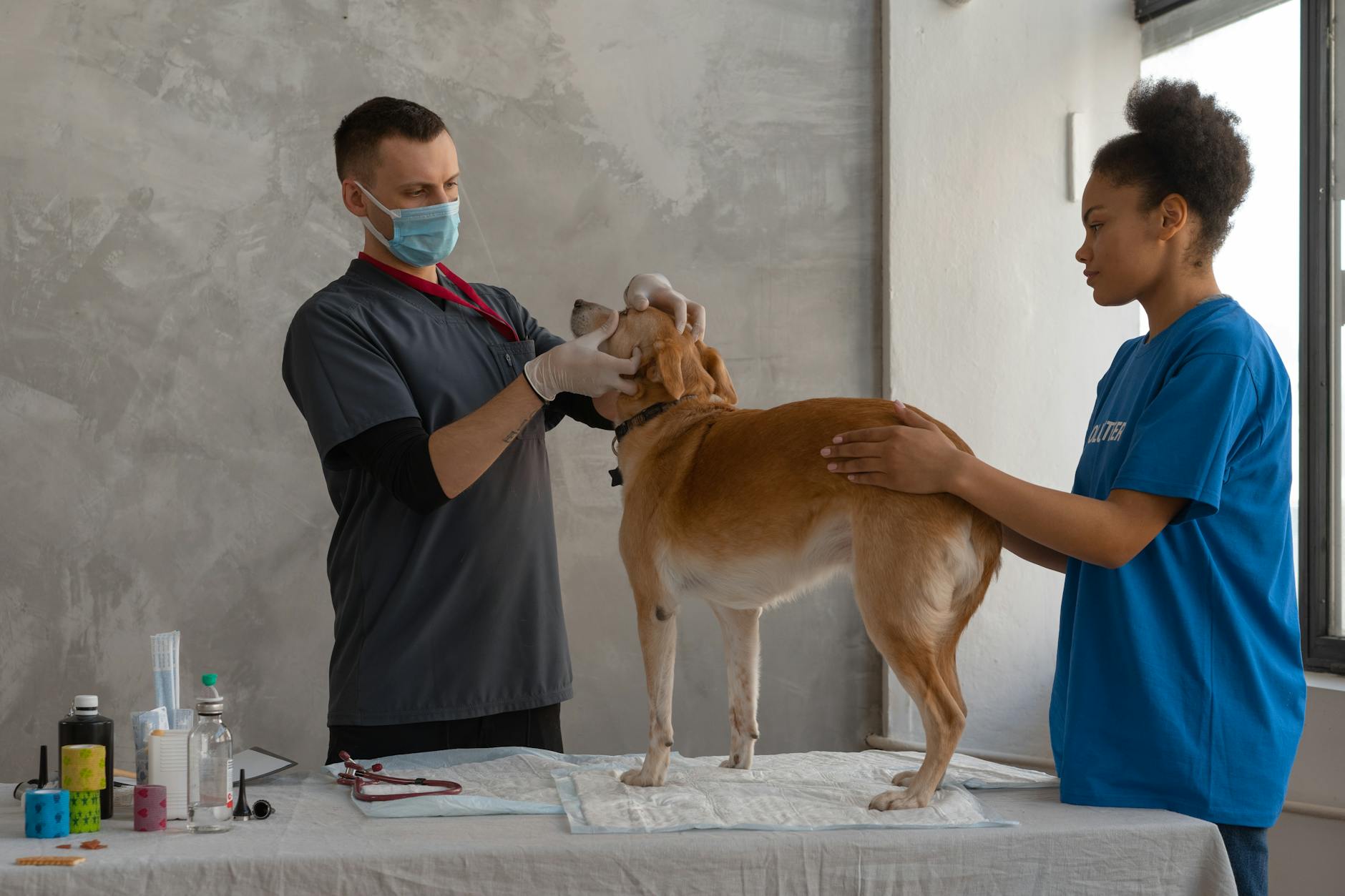
Generally speaking, Whippets are one of the healthiest purebred dogs I treat, free from many of the orthopedic issues that plague other breeds. However, their unique anatomy and physiology require specialized veterinary knowledge, particularly regarding anesthesia and cardiovascular baselines.
Anesthesia Sensitivity
Due to their low body fat and slow hepatic metabolism of certain drugs, Whippets do not process barbiturate anesthetics safely, posing severe risks during surgery.
Skin Lacerations
Lacking a protective double coat and thick fat layer, their thin skin tears easily on twigs, fences, or during rough play.
Mitral Valve Disease & Cardiac Murmurs
Whippets naturally have larger, athletic hearts that can mimic pathological murmurs, but they are also prone to degenerative mitral valve disease.
Hypothermia
With minimal body fat and a thin coat, they cannot regulate their body temperature in cold or wet conditions.
Progressive Retinal Atrophy (PRA)
An inherited eye disease that causes gradual, bilateral degeneration of the retina, leading to eventual blindness.
Hypothyroidism
A condition where the thyroid gland does not produce enough hormone, slowing down the dog’s metabolism.
How long do Whippets typically live?
Whippets are remarkably long-lived for a medium-sized breed, regularly reaching 12 to 15 years of age. With proper preventive veterinary care, excellent dental hygiene, and protection from cold weather, they often enjoy high-quality senior years.
What to Feed a Whippet
Feeding a Whippet requires careful calorie management because they are built to be lean; even an extra two pounds can place undue stress on their athletic joints. What I see most often in practice is well-meaning owners overfeeding because they mistake a Whippet’s natural rib-ribbing for starvation.
Best Diet
I recommend a high-quality, highly digestible commercial kibble formulated for medium-sized active breeds, or a veterinary-approved performance diet if they are active in sports. Avoid grain-free diets unless medically indicated, and ensure the diet matches their current life stage.
How to Feed
Divide their daily food into two distinct meals rather than free-feeding to prevent digestive upset and monitor intake. Because of their deep chests, I advise keeping them quiet for at least 45 minutes after eating to minimize the risk of bloat (GDV).
How Much to Feed
A typical adult Whippet requires between 1 to 1.5 cups of high-quality kibble per day, though this varies widely based on their activity level. Consult your veterinarian to assess your dog’s Body Condition Score (BCS)—you should easily feel, but not prominently see, their ribs and spine.
Nutritional Tips
Supplementing with wild-caught fish oil (EPA/DHA) is excellent for maintaining their thin skin and coat health. Ensure they always have access to fresh water, particularly after high-energy sprinting sessions.
Whippet Grooming Guide
From a grooming perspective, Whippets are incredibly low-maintenance, making them a favorite among busy owners. They have no strong dog odor, do not blow their coats seasonally, and dry almost instantly when wet.
Coat Care
Brush once a week with a soft rubber curry mitt or grooming glove to remove dead hairs and stimulate skin oils. Bathing is only necessary every few months or when they roll in something smelly.
Skin Care
Because their skin is thin and easily damaged, inspect them daily for small cuts, scratches, or insect bites. Use a gentle, oatmeal-based dog shampoo to prevent drying out their sensitive skin.
Eye Care
Wipe the corners of their eyes with a damp, soft cloth if any morning discharge is present. If you notice any cloudiness or increased tearing, have your vet check for corneal scratches.
Ear Care
Their rose-shaped ears are semi-erect and generally stay dry and clean, requiring only a bi-weekly wipe with a gentle veterinary ear cleanser to remove minor wax buildup.
Nail & Dental Care
Their fast-growing nails must be trimmed or dremeled every 2-3 weeks to prevent splaying of the feet. Daily toothbrushing with enzymatic dog toothpaste is vital, as sighthounds are highly prone to periodontal disease.
Considerations for Pet Parents
Pros
- Exceptionally quiet and rarely bark
- Very affectionate and thrive on human companionship
- Incredibly clean with minimal grooming needs
- Gentle, non-aggressive temperament
- Perfect balance of outdoor athleticism and indoor calm
- Excellent apartment dogs if given sprint time
Cons
- Extremely high prey drive; cannot be trusted off-leash
- Highly sensitive to cold and wet weather
- Thin skin is prone to frequent cuts and scrapes
- Cannot be left alone outdoors or in a kennel
- Sensitive to harsh training or tense environments
Best For
They are best suited for owners who live in a quiet household, have access to a safely fenced area (at least 5-6 feet high), and are willing to dress their dog in coats during winter. They thrive with gentle, patient families who appreciate an affectionate, low-maintenance indoor companion.
Not Recommended For
I do not recommend Whippets for homes with outdoor cats, small pocket pets, or families who demand a highly obedient, off-leash hiking companion. They also do not do well in households with high tension, loud yelling, or families who must leave their dog alone outdoors for long periods.
Cost
- purchase price$1,500 to $3,000 USD from a reputable breeder
- monthly cost$100 to $180 USD (includes high-quality food, flea/tick/heartworm preventive, and coat/apparel costs)
- initial setupExpect to spend $500 to $1,000 initially on sighthound-specific gear, including a martingale collar, several fleece/waterproof winter coats, a soft high-walled bed, and a secure crate.
Similar Breeds

Whippet FAQs
Do Whippets need a lot of exercise?
Contrary to their racing heritage, Whippets only need about 45 to 60 minutes of exercise daily. They are sprinters, not endurance runners, meaning they prefer a quick burst of running followed by a long nap.
Why do Whippets need a martingale collar?
Because their heads are narrower than their necks, standard buckle collars can easily slip off when a Whippet backs up. A martingale collar safely tightens when tension is applied, preventing escape without choking the dog.
Can Whippets live in apartments?
Yes, Whippets make fantastic apartment residents because they are exceptionally quiet, clean, and spend most of their day sleeping. As long as you can provide a daily walk and a secure spot for occasional sprints, they adapt beautifully.
Do Whippets get cold easily?
Absolutely. Lacking both a double coat and significant body fat, they feel the cold deeply and will shiver. I recommend a fleece or jacket when temperatures drop below 50°F (10°C).
Can Whippets be left alone for 8 hours?
While they are generally quiet house dogs, leaving them alone for a full 8-hour workday can be difficult for this highly social breed. They can develop separation anxiety or boredom behaviors if isolated without another dog or a midday walker.
Are Whippets aggressive?
No, aggression is extremely rare in this breed. In my clinical experience, they are incredibly gentle, polite, and soft-natured dogs that would rather retreat than fight if confronted.
Do Whippets bark a lot?
They are one of the quietest breeds you can own and rarely bark. When they do bark, it is usually a single, alert bark to announce a visitor rather than chronic, nuisance barking.
Are Whippets smart?
Whippets are highly intelligent sighthounds, but they possess an independent streak. They understand commands quickly but may choose not to obey if they don’t see a rewarding reason to do so.
Why are Whippets so skinny?
Their lean silhouette is a product of their genetics as sprinters, characterized by a deep chest, tucked abdomen, and minimal body fat. In my clinic, I often have to assure well-meaning neighbors that a healthy Whippet’s rib outlines should be slightly visible.
Can Whippets swim?
Generally, no, they are poor swimmers. Their low body fat makes them less buoyant, and they chill very rapidly in water, so they should always wear a life jacket around pools or deep water.
Are Whippets hypoallergenic?
No, they are not hypoallergenic. While they shed very little and have short hair, they still produce dander and saliva which can trigger allergies in sensitive individuals.
How high can a Whippet jump?
Whippets are incredibly athletic and can easily clear a 4-to-5-foot fence from a standing position. I recommend a secure fence of at least 5 to 6 feet to prevent them from leaping out after prey.
Do Whippets have a strong prey drive?
Yes, their instinct to chase moving objects is hardwired and cannot be trained out of them. They will immediately bolt after squirrels, rabbits, or outdoor cats, ignoring all commands.
What is the difference between a Whippet and a Greyhound?
The primary difference is size, with Greyhounds being significantly larger (60-80 lbs) than Whippets (25-40 lbs). Whippets also tend to be slightly more agile and, in my experience, can be slightly more demonstratively affectionate.
Are Whippets prone to separation anxiety?
They can be, as they are deeply bonded to their owners. However, with gradual crate training, crate-alternative boundary training, and a predictable routine, they usually adjust well to reasonable periods of solitude.
Sources & Further Reading
- American Kennel Club (AKC)
- Merck Veterinary Manual
- American Veterinary Medical Association (AVMA)
- PetMD