
Bengal Breed Guide
Quick Summary
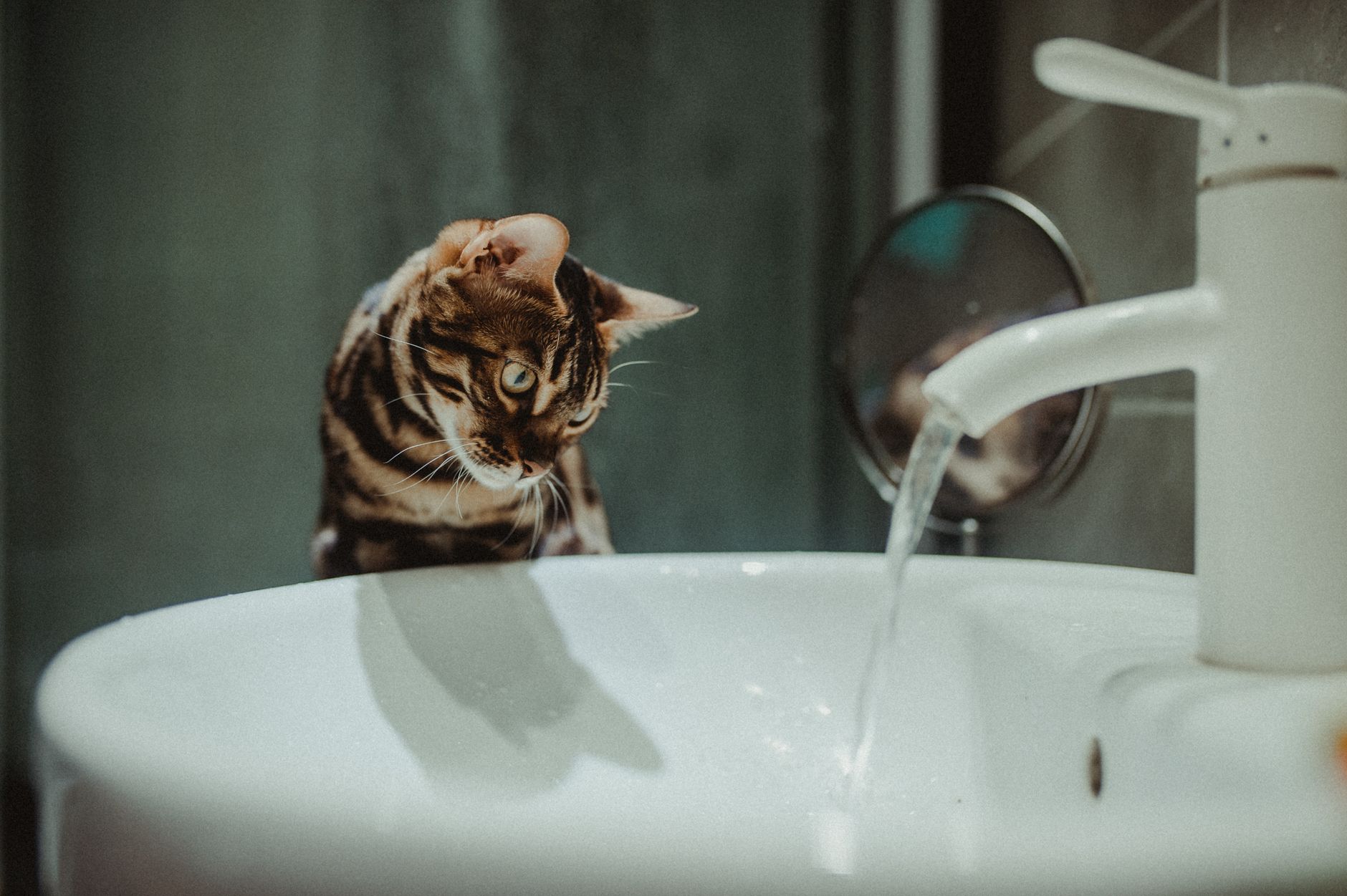
The Bengal is an extraordinarily active, highly intelligent breed that brings the wild look of a leopard right into your living room. Best suited for high-energy households, these vocal and water-loving felines require significant mental stimulation and physical play to prevent behavioral issues.
Quick Facts
- origin countryUnited States
- breed groupHybrid / Championship (TICA)
- sizeMedium to Large, long and muscular
- weight range8 to 15 lbs (3.6 to 6.8 kg)
- height range11 to 14 inches (28 to 36 cm)
- lifespan12 to 16 years
- coat typeShort, dense, uniquely soft pelt-like coat
- common colorsBrown Spotted, Snow Spotted, Silver Spotted, Marble patterns
- other namesBengal
- recognized byTICA, CFA, FIFe, GCCF, ACFA
Caring for a Bengal
Living with a Bengal is more like living with an energetic toddler who can jump six feet in the air than a typical lazy housecat. I’ve found that they thrive on routine, vertical space, and constant environmental enrichment. If you don’t give them a job to do, they will invent one—which usually involves clearing off your high shelves or figure-skating in your sink. Daily interactive play and safe boundaries are essential for keeping their wild spirits happy and constructive.
Is a Bengal a good family pet?
Yes, they make fantastic family pets for active households because they genuinely love interacting with people. However, their high energy and play-drive can sometimes overwhelm toddlers, so supervision is always recommended during playtime.
Do Bengals shed a lot?
Not at all. In my experience, Bengals are exceptionally low-maintenance shedders with a unique pelt-like coat that requires minimal grooming compared to other shorthaired breeds.
Is a Bengal good for first-time owners?
I always tell owners that Bengals are generally not ideal for first-time cat parents. Their intense physical demands, high intelligence, and need for constant stimulation can quickly overwhelm someone expecting a low-maintenance lap cat.
Temperament & Personality
Bengals are fiercely intelligent, highly confident, and deeply curious cats that command your attention. They are not passive ornaments; they want to be involved in every single thing you do, from showering to cooking dinner. In my years working with them, I’ve noticed they retain a kitten-like playfulness well into their senior years.
Is a Bengal good with other pets?
They do remarkably well with other high-energy cats and dog-friendly dogs who can match their active play style. I’ve found they thrive with a companion, but slow, proper introductions are critical to prevent territorial disputes.
How much attention does a Bengal need?
They require a significant amount of daily interaction. Expect to spend at least 1 to 2 hours of active, focused playtime every day to keep them from becoming bored and destructive.
Training & Behavior
Bengals are among the most trainable cats in the world, often described as ‘dog-like’ in their ability to learn tricks. Because of their high intelligence, I find that clicker training is an absolute game-changer for channeling their energy productively. Without structure, they will use their clever minds to open cabinets, turn on faucets, and escape rooms.
Training Tips
- Use positive reinforcement with high-value treats like freeze-dried chicken
- Introduce clicker training early to teach boundaries and commands
- Harness train them gradually indoors before venturing outside
- Keep training sessions short, fast-paced, and engaging (3-5 minutes)
Fun Activities
- Leash walking on a secure harness
- Playing fetch with crinkle balls
- Navigating indoor agility courses
- Splashing in shallow water tubs or sinks
- Exercising on a large cat running wheel
Is a Bengal easy to train?
Absolutely, they are highly receptive to training because of their intelligence and food motivation. I’ve seen them learn to fetch, sit, shake, and even walk on a leash far quicker than many dog breeds.
Bengal Health Issues
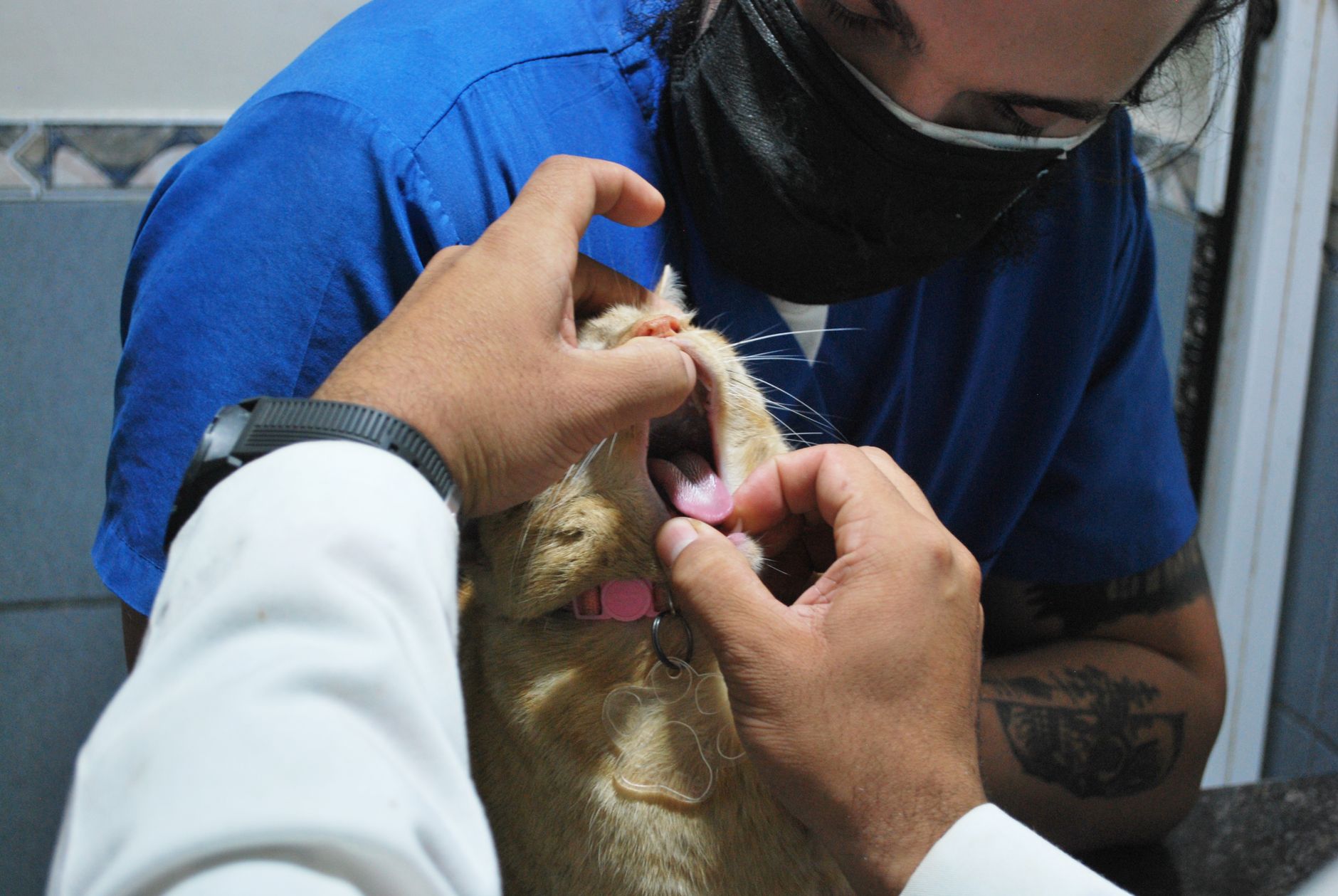
While Bengals are structurally robust and athletic, they are genetically predisposed to a few notable hereditary conditions. I always advise working with a breeder who performs rigorous genetic screening and echocardiograms on their breeding stock.
Hypertrophic Cardiomyopathy (HCM)
A hereditary condition where the heart muscle thickens, potentially leading to heart failure. Annual echocardiograms by a veterinary cardiologist are the gold standard for screening.
Progressive Retinal Atrophy (PRA-b)
An inherited genetic mutation that causes the degeneration of photoreceptor cells in the retina, eventually leading to blindness. There is a reliable DNA test available to identify carriers and affected cats.
Pyruvate Kinase Deficiency (PK Def)
An inherited hemolytic anemia caused by the lack of the pyruvate kinase enzyme, which red blood cells need to survive. A simple DNA test can identify carriers before they are bred.
Patellar Luxation
A condition where the kneecap (patella) slips out of its normal anatomical groove, causing discomfort and joint wear. It ranges from mild slips to severe, permanent dislocation requiring surgery.
Feline Infectious Peritonitis (FIP)
Some bloodlines may show a higher susceptibility to FIP, a viral disease caused by certain strains of feline coronavirus. While not exclusively genetic, stress and immune response play massive roles.
How long do Bengals typically live?
With excellent care, regular veterinary checkups, and a high-quality diet, Bengals typically live between 12 and 16 years. Keeping them strictly indoors dramatically increases their life expectancy.
What to Feed a Bengal
Bengals are active, muscular powerhouses that require a diet rich in high-quality animal proteins to maintain their lean body mass. Because of their energetic lifestyles, they have a higher metabolic rate than your average couch-potato domestic cat.
Best Diet
I highly recommend a diet consisting primarily of high-protein, low-carbohydrate wet food, or a carefully balanced commercial raw diet approved by your vet. Avoid heavy grain fillers which can lead to digestive upset in their sensitive stomachs.
How to Feed
Establish a strict feeding schedule of 2 to 3 measured meals a day rather than free-feeding kibble, which can lead to obesity. Using puzzle feeders is an excellent way to slow down eager eaters and provide mental stimulation.
How Much to Feed
Portion size depends entirely on their age, weight, and activity level. As a general rule, an active adult Bengal requires around 25 to 30 calories per pound of body weight daily, but you must consult your veterinarian to tailor this precisely.
Nutritional Tips
Always provide access to fresh, flowing water, preferably via a pet fountain, as Bengals love running water and are more inclined to drink from it. Supplementing their diet with wild-caught salmon oil can support their unique ‘glitter’ coat and joint health.
Bengal Grooming Guide
One of the absolute joys of owning a Bengal is their low-maintenance, pelt-like coat. They are meticulous self-groomers who rarely require bathing, despite their surprising love for jumping in your shower.
Coat Care
Weekly brushing with a soft slicker brush or a rubber grooming mitt is more than enough to remove dead hair and distribute skin oils. In my experience, they actually enjoy the grooming process, viewing it as a bonding session.
Skin Care
Their skin is generally healthy, but look out for chin acne, which can occur if you use plastic food bowls. Always opt for stainless steel, ceramic, or glass dishes to keep their skin clear.
Eye Care
Wipe the corners of their eyes with a soft, damp cloth if you notice any discharge, using a different section of the cloth for each eye to prevent spreading any potential infection.
Ear Care
Check their ears weekly for dirt, wax, or signs of irritation. Clean them only when necessary using a vet-recommended ear cleaner and a cotton round.
Nail & Dental Care
Trim their fast-growing nails every 2-3 weeks to protect your furniture and harness-train them early for daily enzymatic tooth brushing to prevent periodontal disease.
Considerations for Pet Parents
Pros
- Stunningly beautiful, exotic wild appearance
- Highly intelligent and incredibly trainable
- Very playful, keeping you constantly entertained
- Low-shedding, clean, pelt-like coat
- Extremely social and bond deeply with families
- Enjoys leash walking and outdoor adventures
Cons
- Requires immense mental and physical stimulation
- Can be highly vocal and demanding of attention
- Prone to destructive behavior if bored
- High initial purchase price and genetic health risks
- Not suited for quiet, low-energy households
Best For
Active, engaged owners who have the time to devote to interactive play, training, and environmental enrichment. They are perfect for families, outdoor enthusiasts who want a hiking companion, and homes with other high-energy pets.
Not Recommended For
Busy professionals who are out of the house for long hours, apartment dwellers unwilling to invest in vertical space, or anyone looking for a quiet, low-maintenance lap cat.
Cost
- purchase price$1,500 to $3,500+ USD
- monthly cost$100 to $200 USD
- initial setupExpect to spend $500 to $1,000 upfront on high-quality vertical cat trees, a cat running wheel, safety harnesses, puzzle toys, and initial vet visits/vaccinations.
Similar Breeds
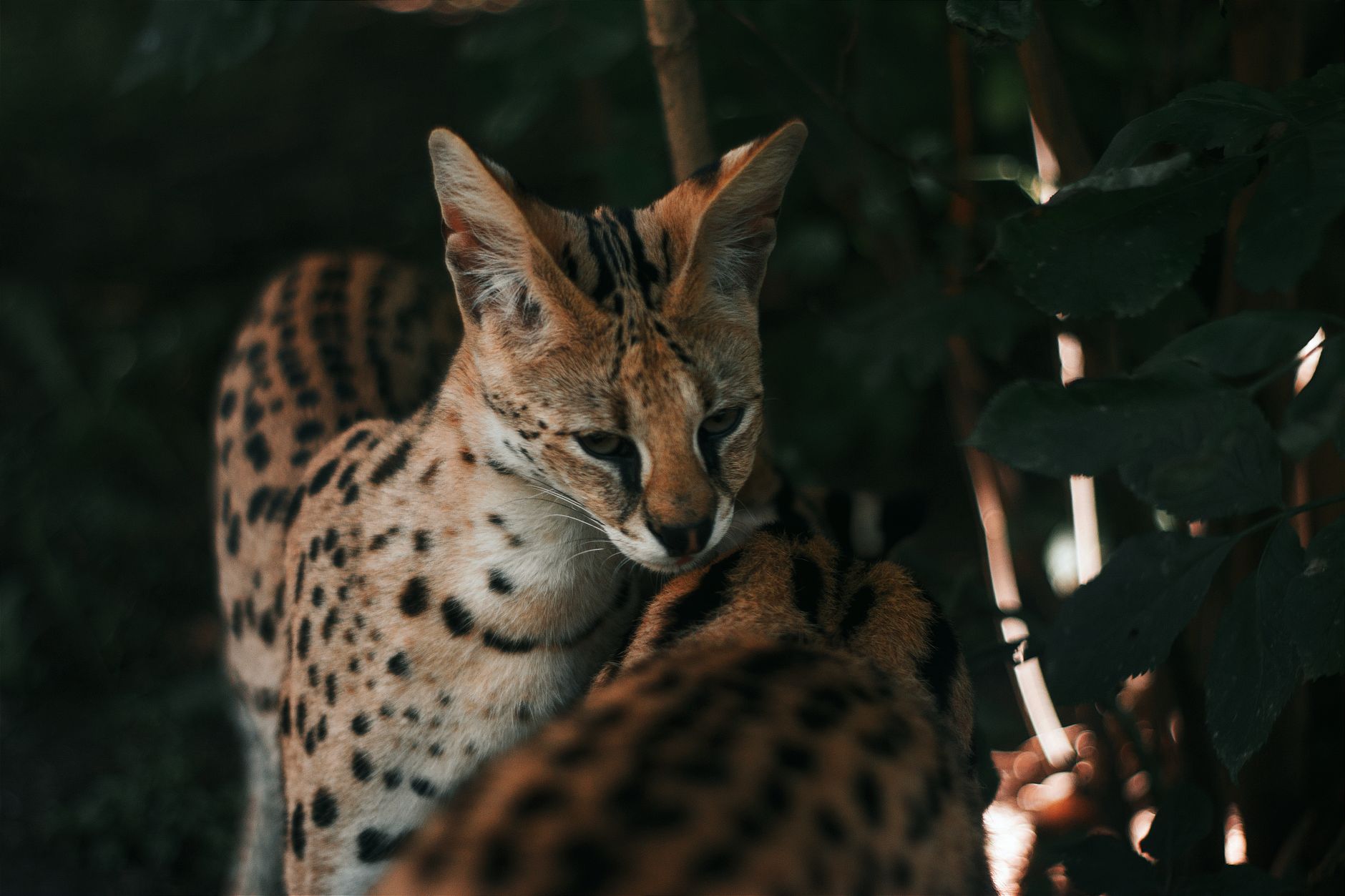
Savannah Cat

Toyger
Bengal FAQs
Do Bengal cats actually like water?
Yes, most Bengals have an unusual fascination with water. It’s not uncommon for them to join you in the shower, splash in your bathtub, play in the sink, or dip their paws into their water bowls.
Are Bengal cats hypoallergenic?
While no cat is 100% hypoallergenic, many allergy sufferers report fewer symptoms around Bengals. This is likely because their short, single-layer pelt-like coat sheds less and requires less self-grooming, which distributes less salivary protein (Fel d 1) dander.
Do Bengal cats meow a lot?
Yes, Bengals are highly vocal cats who will readily carry on a conversation with you. They have a wide range of vocalizations, from chirrups and trills to loud, raspy yowls when they want food or attention.
What is ‘glitter’ in a Bengal’s coat?
Glitter is a unique genetic trait found in some Bengals where the hair shafts are translucent and reflect light, giving the coat a shimmering, metallic sheen that looks like gold or silver dust. It is highly prized by breeders and owners alike.
Can Bengal cats live strictly indoors?
Absolutely, and they should. Keeping your Bengal indoors protects them from diseases, traffic, and predators, while also protecting local wildlife from their highly efficient hunting instincts; just ensure they have plenty of indoor climbing spaces.
How high can a Bengal cat jump?
Bengals are phenomenal athletes capable of jumping up to six feet in the air from a standing position. This means your kitchen counters, the top of your refrigerator, and high bookshelves are all easily within their reach.
Are Bengals wild animals?
No, modern Bengals are domestic cats. While they originated from crosses between domestic cats and the wild Asian Leopard Cat, reputable breeders only sell cats that are at least four generations (F4) removed from their wild ancestors, making them fully domestic in temperament.
Why is my Bengal digging in its litter box so aggressively?
Bengals retain strong instinctual behaviors, which often include digging deeply to bury their waste. This can lead to litter being kicked out of the box, so I highly recommend using a high-sided or top-entry litter box to keep your floors clean.
Do Bengal cats need a companion?
While they can survive as solo pets if you are home frequently, they do much better with a companion. Another energetic cat or a friendly dog can help burn off their boundless energy, preventing boredom-induced destructive behaviors.
What is a ‘Snow’ Bengal?
A Snow Bengal is a color variation caused by recessive genes that produce a light cream, ivory, or white background coat with soft tan or charcoal markings. They are categorized into three distinct genetic types: Seal Lynx Point, Seal Mink, and Seal Sepia.
Can I walk my Bengal cat on a leash?
Yes, Bengals are excellent candidates for leash walking due to their adventurous and confident nature. It requires patience and a secure, escape-proof H-style harness, starting with training indoors before stepping outside.
Do Bengals get along with dogs?
Yes, Bengals generally get along very well with dogs, provided the dog is cat-friendly. Their confident, active nature means they are rarely intimidated, and they will often initiate games of chase or wrestle with their canine companions.
Why does my Bengal cat carry toys in its mouth?
This is a natural expression of their strong predatory drive. Bengals love to ‘hunt’ their toys, proudly carrying them around the house, and many will naturally learn to play fetch, bringing the toy right back to your feet.
What is the difference between a spotted and a marbled Bengal?
Spotted Bengals have distinct, leopard-like spots or rosettes scattered across their coat, while Marbled Bengals have swirling, horizontal flowing patterns reminiscent of marble stone. Both patterns are highly beautiful and recognized by breed standards.