
Polish Lowland Sheepdog Breed Guide
Quick Summary
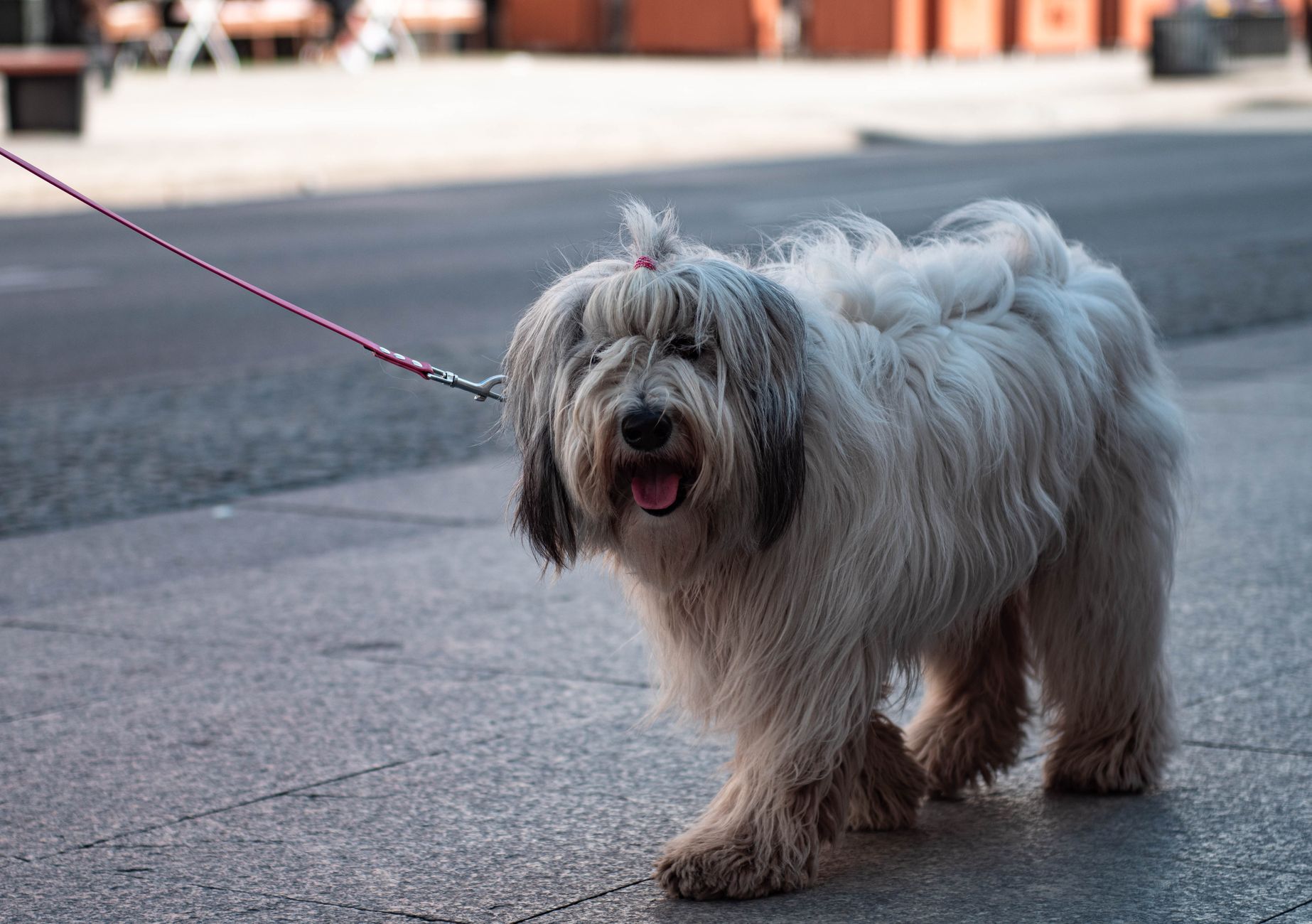
The Polish Lowland Sheepdog, or PON, is a highly intelligent, strong-willed herding breed packing a massive working-dog personality into a compact, shaggy frame. Best suited for active, engaged owners, they require consistent mental stimulation and rigorous coat maintenance to prevent painful matting. In my years treating this breed, I have found that they thrive best when integrated deeply into family activities and given clear, consistent boundaries.
As an Amazon Associate, we earn from qualifying purchases.
Popular with Polish Lowland Sheepdog owners: Puzzle Toys · Slicker Brush · Dog Food
Quick Facts
- origin countryPoland
- breed groupHerding Group
- sizeMedium
- weight range30 to 50 pounds
- height range17 to 20 inches
- lifespan12 to 14 years
- coat typeDouble coat: long, dense, shaggy outer coat with a soft, thick undercoat
- common colorsAny color or pattern, commonly white with gray, black, or tri-color patches
- other namesPolski Owczarek Nizinny, PON
- recognized byAKC, UKC, FCI
Caring for a Polish Lowland Sheepdog
Caring for a PON requires a dedicated commitment to both physical exercise and grooming. These are working dogs that need at least 60 to 90 minutes of daily activity, combined with puzzle toys to satisfy their sharp minds. In my practice, I find that keeping their brains busy is the key to preventing destructive behaviors at home. Additionally, their heavy double coat requires hours of weekly brushing to remain clean and mat-free.
Is a Polish Lowland Sheepdog a good family pet?
Yes, they make excellent, fiercely loyal family companions, though they tend to be naturally protective and may aloofly watch strangers. I always tell owners that early socialization is crucial to help them distinguish between normal guests and true threats.
Do Polish Lowland Sheepdogs shed a lot?
While they do shed, their loose hair tends to get trapped within their dense double coat rather than falling onto your furniture. This means that instead of vacuuming daily, you must brush them thoroughly down to the skin to prevent painful mats from forming.
Is a Polish Lowland Sheepdog good for first-time owners?
Generally, I do not recommend them for novice owners due to their high intelligence and stubborn, independent streak. They will easily outsmart an inexperienced owner and can become dominant or pushy without clear, confident leadership.
Temperament & Personality
The Polish Lowland Sheepdog is characterized by an astonishingly sharp intellect, a lively sense of humor, and a strong-willed disposition. They are deeply devoted to their primary family, often acting as a self-appointed guardian of the household. What I see most often in practice is a dog that is incredibly perceptive of their owner’s emotions but completely unimpressed by arbitrary demands. They require a partnership based on mutual respect rather than blind obedience.
Outward Hound Nina Ottosson Tower of Treats Puzzle
- ✓Level 4 expert puzzle
- ✓Dogs unlock each layer to find treats
- ✓Mental workout that beats boredom
- Food puzzles turn mealtime into a brain game, burning mental energy in clever, easily bored pets
Is a Polish Lowland Sheepdog good with other pets?
They can coexist wonderfully with other household pets if raised with them from puppyhood. However, their strong herding instincts may drive them to chase cats or attempt to herd passive dogs, which requires consistent management.
How much attention does a Polish Lowland Sheepdog need?
They require a high level of daily interaction and do not tolerate being left alone in a yard for long periods. Without mental stimulation and human contact, they can easily develop separation anxiety and excessive barking habits.
Training & Behavior
Training a PON is a lesson in patience, consistency, and creative engagement. Because they are highly intelligent, they learn new commands rapidly but will quickly lose interest if drills become repetitive. I always advise using positive reinforcement techniques, as harsh corrections will only cause this independent breed to shut down and refuse to cooperate.
Training Tips
- Keep training sessions short, dynamic, and fun to prevent boredom.
- Use high-value rewards like freeze-dried liver or their favorite tug toy.
- Establish gentle but unwavering boundaries from day one.
- Incorporate impulse-control games to manage their natural herding instincts.
Fun Activities
- Agility trials and obstacle courses
- Competitive obedience
- Herding trials and instinct tests
- Nosework and tracking games
- Interactive hide-and-seek with toys
Is a Polish Lowland Sheepdog easy to train?
They are highly capable of learning complex tasks, but their independent nature means they aren’t always eager to please. Successful training relies on making them believe that performing the task is actually their own clever idea.
Polish Lowland Sheepdog Health Issues
Overall, the Polish Lowland Sheepdog is a robust, hardy herding breed built to withstand tough working conditions. However, like all purebred dogs, they are genetically predisposed to specific hereditary health issues that owners should actively screen for.
Hip Dysplasia
A hereditary condition where the femur head does not fit snugly into the pelvic socket, leading to progressive, painful joint degeneration and arthritis.
Progressive Retinal Atrophy (PRA)
An inherited eye disease that causes the slow, progressive degeneration of the retina, eventually leading to complete blindness.
Depets Self-Cleaning Slicker Brush
- ✓Removes loose hair, mats and tangles
- ✓Bead-tipped pins massage without scratching
- ✓One-click button releases the hair
- Fine wire pins lift loose undercoat and work out small tangles before they turn into mats
Hypothyroidism
A condition where the thyroid gland does not produce enough thyroid hormone, slowing down the dog’s metabolism.
Otitis Externa
Inflammation and infection of the external ear canal, highly common in this breed due to their heavy, dropped ears trapping moisture and debris.
Distichiasis
The growth of extra eyelashes from the oil glands of the eyelid, which rub against the cornea and cause chronic irritation.
How long do Polish Lowland Sheepdogs typically live?
With proper nutrition, regular exercise, and proactive veterinary care, a PON typically lives between 12 and 14 years. Maintaining a lean body weight is one of the best ways to maximize their lifespan and preserve their joint health.
What to Feed a Polish Lowland Sheepdog
Feeding a PON requires careful calorie monitoring, as their thick coats can easily hide gradual weight gain. In my clinic, I frequently have to remind owners to feel through the fur to evaluate their dog’s body condition score.
Best Diet
An ideal diet is a high-quality, nutritionally balanced dry kibble formulated for medium-sized, active breeds. Ensure that the first ingredient is a whole animal protein, and avoid formulas with excessive fillers.
How to Feed
I recommend dividing their daily food ration into two equal meals served morning and evening. Avoid free-feeding, as this breed’s keen appetite and efficient metabolism make them highly prone to overeating.
How Much to Feed
Generally, an adult PON requires between 1.5 to 2.5 cups of kibble per day, depending on their activity level. However, because metabolic rates vary, you must consult your veterinarian to establish a precise portion plan.
Nutritional Tips
Incorporate joint supplements containing glucosamine, chondroitin, and omega-3 fatty acids early in life to support their joint health. Keep training treats small, using low-calorie options like freeze-dried meat or green beans.
Polish Lowland Sheepdog Grooming Guide
Grooming a PON is a serious, non-negotiable commitment that requires the right tools and patience. Without regular attention, their long double coat will quickly turn into a solid sheet of painful mats.
Coat Care
Line-brush the coat down to the skin at least two to three times a week using a high-quality slicker brush and a steel greyhound comb. Never brush a dry coat; always mist it lightly with a conditioning spray to prevent hair breakage.
Skin Care
Keep the skin clean and dry, especially after baths or swimming, to prevent hot spots. Always ensure they are rinsed thoroughly of all shampoo residues, which can cause severe contact dermatitis.
Eye Care
The hair over their eyes (the fall) must be regularly trimmed or tied back with a band to prevent mechanical irritation to the eyes and keep their vision clear.
Ear Care
Inspect and clean their ears weekly with a veterinarian-approved drying cleanser. Pluck or trim excess hair inside the ear canal to improve airflow and prevent painful yeast infections.
Nail & Dental Care
Trim their nails every 3 to 4 weeks using a grinder or clippers, and brush their teeth daily with dog-safe enzymatic toothpaste to prevent periodontal disease.
Considerations for Pet Parents
Pros
- Remarkably loyal and protective of their family.
- Highly adaptable to various climates and living spaces.
- Excellent working drive and capability in canine sports.
- Minimal shedding onto furniture when properly brushed.
- Deeply intelligent and capable of learning advanced tasks.
Cons
- Extremely demanding grooming requirements.
- Can be highly suspicious of strangers if under-socialized.
- Possesses a stubborn, highly independent streak.
- Strong herding instincts can lead to nipping at heels.
Best For
The ideal owner is an active, experienced handler who understands herding breed traits. They should be willing to dedicate several hours a week to grooming and provide daily mental and physical stimulation.
Not Recommended For
I do not recommend this breed for sedentary individuals, families with very young children who cannot manage herding nipping, or those who lack the time or resources for intensive coat maintenance.
Cost
- purchase price$1,800 – $2,800
- monthly cost$150 – $250
- initial setupInitial costs include high-quality grooming tools (high-velocity blow dryer, professional slicker brushes), crate, puppy vaccines, and spay/neuter surgery, averaging $1,200 to $2,000.
-
Purina Pro Plan Sensitive Skin & Stomach Dog Food, SalmonA complete, balanced diet matched to your dog’s size and age is the foundation of a healthy coat, gut and energy level
-
PetNC Natural Care Hip & Joint Soft ChewsGlucosamine and chondroitin chews support cartilage and mobility, especially in large, senior and dysplasia-prone dogs
-
CWAWZ Orthopedic Cooling Gel Memory Foam Dog Bed, XLSupportive foam cushions hips and joints, ideal for large, senior or dysplasia-prone dogs
Similar Breeds
Polish Lowland Sheepdog FAQs
Are Polish Lowland Sheepdogs hypoallergenic?
No, they are not hypoallergenic. While they do not shed heavily onto carpets because their loose hair traps in their coat, they still produce dander and saliva which can trigger allergies in sensitive individuals.
How often should I bathe my Polish Lowland Sheepdog?
Typically, a bath every 4 to 6 weeks is sufficient, unless they get exceptionally dirty. I always advise owners to completely brush out all mats before bathing, as water will shrink and lock existing mats, making them impossible to remove.
Do they bark a lot?
They can be very vocal watchdogs. Due to their alert nature, they will bark to announce visitors or unusual noises, which can become excessive if not managed with quiet command training early in life.
How do I stop my PON puppy from nipping my heels?
This is a natural herding instinct. Redirect this behavior immediately by stopping all movement when they nip, and offering an appropriate toy to bite instead; never yell, as they may view your excitement as a game.
Can they live in an apartment?
They can adapt to apartment living if their physical and mental exercise needs are meticulously met. However, their tendency to bark at hallway noises means they require proactive training to prevent neighbor complaints.
Do they tolerate cold weather well?
Yes, their thick double coat was developed to protect them from harsh Polish winters, making them highly cold-tolerant. Conversely, they can easily overheat in hot weather, so you must limit strenuous midday exercise during summer.
Should I shave my Polish Lowland Sheepdog in the summer?
I strongly advise against shaving them. Their double coat acts as an insulator against both cold and heat, and shaving can permanently damage the coat texture, increase the risk of sunburn, and make them more susceptible to heat stroke.
How are they with children?
They are generally devoted to children within their own family, but their herding instincts may cause them to chase and nip at running kids. Supervision is always required, and children must be taught to respect the dog’s boundaries.
What is the ‘PON walk’?
PONs have a distinct, fluid, and efficient herding gait, often characterized by an underlying bounce or a pacing gait at slower speeds. This structural movement allowed them to herd tirelessly all day without exhausting themselves.
How do you prevent matting behind their ears?
The fine hair behind their ears is highly prone to friction-induced matting. I recommend dusting the area with a small amount of cornstarch and combing it daily with a fine-toothed metal comb to prevent friction knots.
Are they prone to separation anxiety?
Yes, they form incredibly tight bonds with their owners and can become highly distressed if left alone for extended periods. Crates, puzzle toys, and gradual desensitization to departures can help mitigate this behavior.
What health clearances should I ask a breeder for?
Always demand written proof of hip evaluations from the OFA or PennHIP, annual CAER eye exams, and genetic test results for Progressive Retinal Atrophy (specifically the rcd4-PRA mutation).
Sources & Further Reading
- American Kennel Club (AKC)
- Merck Veterinary Manual
- American Veterinary Medical Association (AVMA)
- PetMD