
British Longhair Breed Guide
Quick Summary
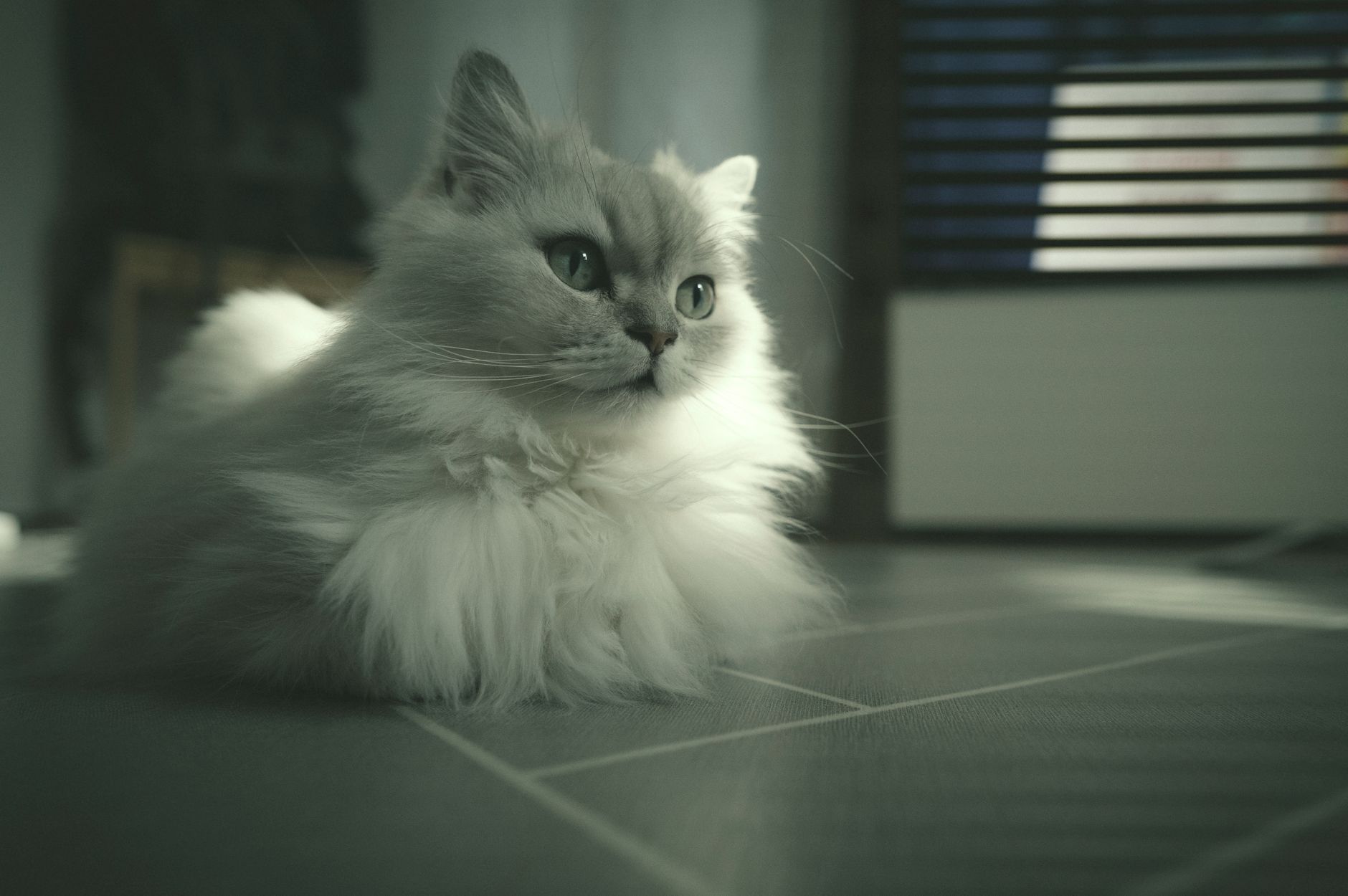
The British Longhair is a calm, dignified, and physically robust breed characterized by its stunning plush coat and easygoing temperament. Combining the independent reserve of the British Shorthair with the luxurious coat of the Persian, they are ideal for families and working professionals seeking a loving but low-demand feline companion.
Quick Facts
- origin countryGreat Britain
- breed groupLonghair
- sizeMedium to Large
- weight range9 to 18 lbs (Females: 9-12 lbs, Males: 12-18 lbs)
- height range11 to 14 inches
- lifespan12 to 15 years
- coat typeSemi-long, dense, plush double coat with a prominent ruff
- common colorsBlue (most common), black, white, red, cream, chocolate, lilac, tortie, tabby, and bi-color
- other namesLowlander, Britannica (in Europe)
- recognized byTICA, FIFe, WCF, CCA-AFC
Caring for a British Longhair
Living with a British Longhair is like sharing your home with a highly polite, fluffy aristocrat. In my practice, I find they adapt beautifully to indoor routines but require structured grooming and play to prevent sedentary habits. Because of their heavy-boned build, preventing obesity through strict portion control is a lifelong priority. They will quietly shadow you from room to room, settling nearby rather than on top of you.
Is a British Longhair a good family pet?
Yes, they possess an incredibly patient and tolerant temperament that handles the busy energy of children well. I always advise parents to teach children to respect the cat’s boundaries, as this breed strongly prefers to keep all four paws on the ground rather than being carried around.
Do British Longhairs shed a lot?
Yes, they are moderate year-round shedders with intense seasonal blowouts in the spring and autumn. In my clinic, I frequently see severe matting in patients whose owners underestimated the daily volume of dead undercoat that must be brushed out.
Is a British Longhair good for first-time owners?
They are excellent for first-time owners due to their easygoing, predictable nature and lack of behavioral demandingness. However, beginners must be fully prepared to commit to the rigorous weekly grooming schedule and strict weight management.
Temperament & Personality
The British Longhair is the epitome of British reserve—calm, sweet-tempered, and highly independent. They show deep affection quietly, preferring to lounge nearby on the sofa rather than demanding constant lap time. I rarely diagnose separation anxiety in this breed; they are perfectly content to snooze the day away while you are at work.
Is a British Longhair good with other pets?
Yes, their stable and unflappable demeanor makes them highly compatible with other cats and cat-friendly dogs. I recommend a gradual, controlled introduction over two to three weeks to allow their natural curiosity to overcome their initial reserve.
How much attention does a British Longhair need?
They require moderate emotional attention but are never clingy. Dedicating 15 to 20 minutes a day to interactive play and regular grooming sessions is more than enough to satisfy their emotional and mental needs.
Training & Behavior
While not as intensely active or demanding as a Siamese, the British Longhair is highly intelligent and capable of learning basic house rules and tricks. They respond best to positive reinforcement using high-value treats, as they are very food-motivated. In my clinical experience, they do not suffer from the destructive behaviors commonly seen in high-energy, frustrated breeds.
Training Tips
- Use high-value treats like freeze-dried chicken to motivate them.
- Keep training sessions short and focused, around 3 to 5 minutes.
- Introduce clicker training early to stimulate their minds.
- Establish strict boundaries regarding countertops early, as they prefer low ground anyway.
Fun Activities
- Interactive puzzle feeders to satisfy their food drive
- Low-intensity feather wand play sessions
- Chasing laser pointers in short bursts
- Exploring a secure outdoor catio
- Supervised training with simple agility tunnels
Is a British Longhair easy to train?
They are moderately easy to train because they are highly food-motivated, though they can have a quiet, stubborn streak. If a training session isn’t rewarding or interesting enough, they will simply walk away to find a quiet place to nap.
British Longhair Health Issues
British Longhairs are generally robust and hardy cats, but their genetic heritage leaves them susceptible to a few specific hereditary conditions. In my clinical practice, maintaining a healthy weight is the single most important factor in ensuring their longevity and preventing joint strain.
Hypertrophic Cardiomyopathy (HCM)
A hereditary heart condition characterized by the thickening of the left ventricular muscle wall, which can lead to heart failure or blood clots. I recommend annual veterinary echocardiograms for all breeding lines to catch this early.
Polycystic Kidney Disease (PKD)
An inherited genetic disorder where fluid-filled cysts form in the kidneys, eventually multiplying and growing to cause kidney failure. Fortunately, a simple DNA swab test can identify carriers before they breed.
Obesity and Joint Strain
Due to their low-energy lifestyle and heavy bone structure, British Longhairs are highly prone to obesity. This puts immense strain on their joints, exacerbating arthritis and hip dysplasia as they age.
Feline Lower Urinary Tract Disease (FLUTD)
A broad term covering conditions like cystitis and urinary stones, which are more common in sedentary, overweight, and low-water-drinking indoor cats. Promoting hydration is key to prevention.
Neonatal Isoerythrolysis (NI)
A life-threatening condition in newborn kittens that occurs when a type B queen is bred to a type A tom, causing the mother’s antibodies in colostrum to destroy the kittens’ red blood cells. Breeders must blood-type their cats before mating.
How long do British Longhairs typically live?
With proper nutrition, regular veterinary care, and an indoor lifestyle, British Longhairs typically live between 12 and 15 years. Some of my patients who have been kept strictly lean have even reached 17 or 18 years of age.
What to Feed a British Longhair
Proper nutrition is critical for the British Longhair to prevent obesity and support their dense double coat. I always advise against free-feeding dry kibble, as these cats will happily overeat out of sheer boredom.
Best Diet
An ideal diet consists of high-quality, high-protein wet food with controlled calorie counts to maintain lean muscle mass. Wet food also provides crucial hydration to protect their kidneys and urinary tract, which are common weak points.
How to Feed
I recommend feeding them on a strict schedule of two to three measured meals per day. Using puzzle feeders or scatter-feeding kibble can help slow down their eating and provide mental stimulation.
How Much to Feed
Portion sizes should be calculated based on your cat’s target weight and activity level, typically averaging 200 to 250 calories per day for a standard 12-pound adult. Always consult your veterinarian to customize these numbers based on a Body Condition Score.
Nutritional Tips
Incorporate omega-3 and omega-6 fatty acid supplements, such as wild salmon oil, to support their dense double coat and skin health. L-carnitine can also be beneficial in helping to maintain lean body mass and prevent fat deposition.
British Longhair Grooming Guide
Grooming a British Longhair is a serious commitment that cannot be neglected without risking painful matting and skin infections. Their plush undercoat is extremely dense and easily traps loose hair, dirt, and dander.
Coat Care
You must brush their dense double coat at least three to four times a week using a high-quality slicker brush and a steel greyhound comb. During the heavy shedding seasons of spring and autumn, daily brushing is non-negotiable to prevent severe matting.
Skin Care
Regularly check the skin beneath their thick fur for redness, hot spots, or dry patches, especially around the collar and tail base. Bathing is rarely necessary but can be done quarterly with a cat-safe moisturizing shampoo to manage excessive undercoat.
Eye Care
Because they have a moderately shortened muzzle, some individuals may experience mild tear staining. Gently wipe the corners of their eyes daily with a damp, warm cotton ball to keep the skin clean and dry.
Ear Care
Check their ears weekly for wax buildup, redness, or debris, which can accumulate in their dense fur. Clean them only when necessary using a vet-approved, gentle ear cleanser and a cotton pad, never a Q-tip.
Nail & Dental Care
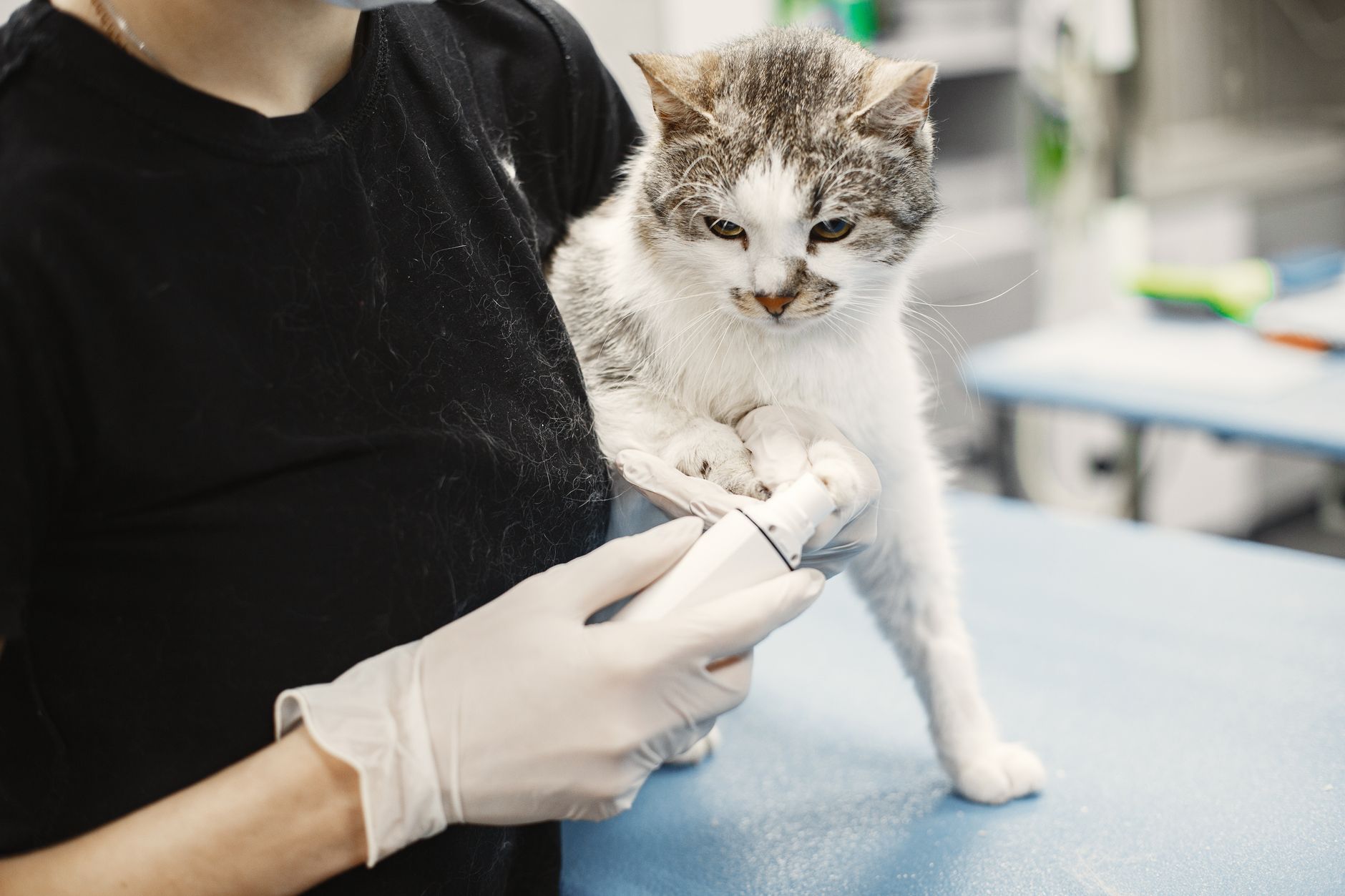
Trim their claws every two to three weeks to prevent overgrowth, especially since they are not highly active. Brush their teeth daily with veterinary enzymatic toothpaste to combat periodontal disease, which I frequently diagnose in this breed.
Considerations for Pet Parents
Pros
- Calm, patient, and incredibly sweet temperament
- Very independent and handles being alone during the workday
- Quiet and rarely vocalizes or demands attention
- Highly adaptable to apartment living
- Stunning, plush “teddy bear” appearance
- Highly tolerant of children and other family pets
Cons
- High-maintenance grooming requirements with seasonal heavy shedding
- Prone to obesity and associated joint problems
- Risk of genetic health issues like HCM and PKD
- Can be stoic, making it difficult to detect early illness
- Often dislikes being picked up or carried
Best For
The ideal owner is a calm individual, couple, or family with a stable household who can commit to a rigorous, multi-weekly grooming routine and strict dietary management. They are perfect for working professionals who want a quiet, loving companion that doesn’t mind some independent time.
Not Recommended For
This breed is not recommended for highly chaotic households where they will be constantly picked up and carried by young children, or for busy owners who cannot dedicate 20-30 minutes several times a week to thorough coat brushing.
Cost
- purchase price$1,500 – $3,500 USD
- monthly cost$80 – $150 USD
- initial setupInitial setup costs, including genetic screening, high-quality grooming tools, a large litter box, and initial vet visits, typically range from $800 to $1,500 USD.
Similar Breeds

British Shorthair

Selkirk Rex (Longhair)
British Longhair FAQs
What is the difference between a British Shorthair and a British Longhair?
The primary difference is coat length and density. The British Longhair has a semi-long, plush double coat resulting from crossing British Shorthairs with Persians in the mid-20th century, which also gives them a slightly rounder, softer appearance.
Are British Longhairs lap cats?
Generally, no. In my practice, I observe that while they are highly affectionate, they prefer to show it by sitting next to you or at your feet. They value their independence and usually find being held or kept on a lap too warm and restrictive.
How do I prevent my British Longhair from getting mats?
Preventing mats requires a consistent routine using a slicker brush to remove loose undercoat, followed by a metal comb to detangle down to the skin. Pay special attention to “high-friction” areas like the armpits, chest, and britches (back legs).
Why does my British Longhair dislike being picked up?
This is a strong breed characteristic. British Longhairs feel most secure with all four paws on the ground, likely due to their heavy, solid bone structure. I advise owners to show affection on the cat’s level rather than lifting them.
Are British Longhairs hypoallergenic?
No, they are not. They produce the Fel d 1 protein in their saliva and dander just like other cats, and their dense, long coats can trap and spread these allergens extensively throughout your home.
How often should I bathe a British Longhair?
Bathing is only necessary every 3 to 4 months, or if they get into something sticky or dirty. Because their coat is so dense, thoroughly drying them with a low-heat dryer is crucial to prevent moisture from getting trapped against the skin and causing hot spots.
Is genetic testing necessary for British Longhair kittens?
Yes, absolutely. Before purchasing a kitten, you should ask the breeder for DNA clearance certificates proving both parents are negative for Polycystic Kidney Disease (PKD) and have cleared screening for Hypertrophic Cardiomyopathy (HCM).
Do British Longhairs have a high prey drive?
They have a moderate, controlled prey drive. While they enjoy a quiet game of chasing a feather toy or a laser, they are generally too laid-back to actively hunt or obsess over pests compared to more active breeds.
What size litter box does a British Longhair need?
Because of their large size and long coats, they need an extra-large or jumbo litter box. I recommend an open-top box to prevent their long fur from brushing against dirty walls, and to ensure they have plenty of room to turn around.
Can British Longhairs live in apartments?
Yes, they are highly suited for apartment living due to their quiet nature, low vocalization, and moderate energy levels. Just ensure they have vertical spaces like sturdy cat trees and window perches to keep them stimulated.
Why is my British Longhair sleeping so much?
It is normal for adult British Longhairs to sleep up to 16-18 hours a day. However, if you notice a sudden increase in lethargy or a reluctance to engage in their normal activities, consult a vet to rule out underlying issues like arthritis or heart disease.
What are the grooming tools I must buy for this breed?
You should invest in a high-quality slicker brush, a dual-spaced steel greyhound comb, an undercoat rake, and safe claw trimmers. Avoid using de-shedding tools like the Furminator too aggressively, as they can cut the guard hairs of their beautiful coat.
Do British Longhairs get along with dogs?
Yes, they generally get along very well with calm, cat-friendly dogs. Their stable, unbothered temperament means they are unlikely to run away in panic, which helps prevent triggering a dog’s chase instinct.
At what age are British Longhairs fully grown?
Like many large breeds, British Longhairs are slow developers. They typically do not reach their full physical size, weight, and coat density until they are 3 to 5 years of age.
Are they prone to hairballs?
Yes, their dense, semi-long undercoat makes them highly susceptible to hairballs. Regular brushing is the best prevention, but I also recommend using a vet-approved hairball control paste or high-fiber diet during peak shedding seasons.
Sources & Further Reading
- International Cat Care
- The Cat Fanciers’ Association (CFA)
- Cornell University College of Veterinary Medicine