
Wirehaired Pointing Griffon Breed Guide

Quick Summary
The Wirehaired Pointing Griffon is the ultimate ‘supreme gundog’—highly energetic, deeply affectionate, and fiercely loyal to their families. Best suited for active outdoor enthusiasts, they thrive when given a daily physical job and close integration into the household dynamic.
Quick Facts
- origin countryFrance / Netherlands
- breed groupSporting Group
- sizeMedium to Large
- weight range35-50 lbs (females), 50-70 lbs (males)
- height range20-22 inches (females), 22-24 inches (males)
- lifespan12-15 years
- coat typeDouble coat: harsh, wiry outer coat and fine, dense undercoat
- common colorsSteel gray with chestnut brown markings, chestnut roan, or solid chestnut
- other namesKorthals Griffon, Griffon d’arrêt à poil dur Korthals
- recognized byAKC, UKC, FCI
Caring for a Wirehaired Pointing Griffon
In my clinic, WPG owners are some of the most active people I meet. Living with a ‘Griff’ means fully embracing an outdoor lifestyle; they need at least 60-90 minutes of vigorous daily exercise to prevent behavioral issues. They are incredibly human-centric and will follow you from room to room—I often refer to them as the ultimate ‘velcro’ sporting breed. Keeping their dense, double coat weather-resistant requires a unique grooming regimen, but their friendly, clownish disposition makes every bit of effort worthwhile.
Is a Wirehaired Pointing Griffon a good family pet?
Absolutely. In my practice, I find Griffons to be exceptionally gentle and patient with children, often acting as playful guardians. However, because of their size and high energy, I always advise monitoring them around toddlers to prevent accidental knockdowns.
Do Wirehaired Pointing Griffons shed a lot?
They shed remarkably little compared to other double-coated breeds, which is why many allergy-prone clients ask about them. That said, they are not completely hypoallergenic, and maintaining that low-shed coat requires regular brushing and hand-stripping.
Is a Wirehaired Pointing Griffon good for first-time owners?
I generally advise against a Griffon for absolute beginners unless they are fully committed to high-intensity training and exercise. Their intelligence and working drive mean they can easily outsmart an inexperienced owner if not given clear, consistent boundaries.
Temperament & Personality
The Wirehaired Pointing Griffon possesses a wonderfully balanced temperament: intensely focused in the field, yet remarkably relaxed, affectionate, and goofy at home. They crave human companionship and do not do well when left isolated in a backyard. I often see separation anxiety in this breed when their social needs aren’t met, as they truly view themselves as full family members. They are eager to please but retain a charming streak of independent intelligence.
Is a Wirehaired Pointing Griffon good with other pets?
With proper socialization, Griffs excel in multi-pet households. However, as natural hunters, they have a strong prey drive, so I always caution owners to introduce them very carefully to cats and pocket pets.
How much attention does a Wirehaired Pointing Griffon need?
They require an immense amount of attention and thrive as ‘velcro’ dogs. If you work long hours away from home, this is likely not the breed for you, as they can quickly become destructive when lonely or bored.
Training & Behavior
Training a Griffon is a rewarding experience because of their high intelligence and innate desire to work alongside their human partner. However, they are sensitive dogs that shut down under harsh correction; positive reinforcement is the golden rule in my practice. They can be prone to independent thinking if they sense a lack of leadership, so starting structured training on day one is critical.
Training Tips
- Use positive reinforcement and high-value rewards
- Keep training sessions short, engaging, and varied
- Socialize early to prevent wariness of strangers
- Establish a consistent ‘quiet’ command early
- Avoid harsh physical corrections or loud reprimands
Fun Activities
- Field trials and pointer training
- Dock diving and swimming
- Agility and obedience trials
- Scent work and tracking
- Daily hiking and jogging
Is a Wirehaired Pointing Griffon easy to train?
Yes, they are highly trainable due to their keen intelligence and eagerness to please. However, because they are sensitive, you must use gentle, reward-based methods; heavy-handed training will destroy their confidence and ruin their working drive.
Wirehaired Pointing Griffon Health Issues
As a veterinarian, I consider the Wirehaired Pointing Griffon to be a remarkably robust and healthy breed. However, like all large, active sporting dogs, they are genetically predisposed to specific joint, ear, and endocrine issues that we monitor closely.
Hip Dysplasia
This is an inherited orthopedic condition where the hip joint doesn’t fit properly, leading to arthritis. I recommend screening breeding dogs via PennHIP or OFA, and starting joints on omega-3 fatty acids early.
Otitis Externa (Ear Infections)
Their heavy, pendant, hairy ears trap moisture and debris, creating a perfect breeding ground for yeast and bacteria. I routinely treat Griffs for ear infections, making regular cleanings essential.
Entropion and Ectropion
These are eyelid abnormalities where the eyelid rolls inward (irritating the cornea) or sags outward (exposing the eye to debris). Surgical correction is often necessary in severe clinical cases.
Hypothyroidism
An underactive thyroid gland that slows down the dog’s metabolism. It is easily managed with daily oral hormone replacement therapy once diagnosed via blood panels.
Gastric Dilation-Volvulus (GDV/Bloat)
A life-threatening condition where the stomach fills with gas and twists. Because of their deep chests, Griffs are at risk, and I often discuss prophylactic gastropexy during spay/neuter.
How long do Wirehaired Pointing Griffons typically live?
With proper veterinary care, high-quality nutrition, and adequate exercise, they typically live between 12 and 15 years. This is a wonderfully long lifespan for a breed of their size, which I attribute to their athletic build and responsible breeding pools.
What to Feed a Wirehaired Pointing Griffon
Feeding a working sporting dog like a Griffon requires careful attention to caloric intake versus activity level. Underfeeding can lead to poor muscle development, while overfeeding puts dangerous stress on their joints.
Best Diet
I recommend a high-quality, large-breed formula appropriate for their life stage (puppy, adult, or active/sporting). Look for diets formulated to meet AAFCO standards that list whole meats as the first ingredient.
How to Feed
To minimize the risk of bloat, I advise feeding their daily ration split into two equal meals, rather than one large feeding. Avoid vigorous exercise for at least 60 minutes before and after meals.
How Much to Feed
An average adult WPG requires between 2.5 to 3.5 cups of high-quality dry kibble daily, depending on their weight and activity level. Always consult your veterinarian to calculate exact caloric needs based on body condition score.
Nutritional Tips
Ensure they have access to fresh water at all times, but manage consumption right after intense field work. Adding joint supplements like glucosamine, chondroitin, and EPA/DHA omega-3s early in life can support long-term joint health.
Wirehaired Pointing Griffon Grooming Guide
Grooming a Griff is unique because their classic ‘shaggy’ appearance is functional, protecting them from briars and water. Their coat is low-shedding but requires consistent maintenance to keep its weather-resistant texture.
Coat Care
Weekly brushing with a slicker brush and metal comb is essential to prevent mats. To maintain the harsh, wiry texture, they must be hand-stripped twice a year; clipping the coat softens it and ruins its water-repellent qualities.
Skin Care
Bathe them only when necessary, using a mild oatmeal-based dog shampoo. Over-bathing strips the coat of natural, protective oils that keep the skin healthy.
Eye Care
Keep the long facial hair around their eyes trimmed slightly if it causes irritation, and gently wipe away any morning discharge with a damp cloth.
Ear Care
Check ears weekly for debris. Because they have hairy ear canals, I often recommend pluck-grooming ear hair and using a vet-approved drying cleanser after swimming.
Nail & Dental Care
Trim nails every 3-4 weeks to prevent splaying, and brush their teeth daily with dog-safe enzymatic toothpaste to combat periodontal disease.
Considerations for Pet Parents
Pros
- Highly affectionate ‘velcro’ companion
- Superb, versatile hunting and retrieving partner
- Low-shedding coat ideal for indoor living
- Generally healthy and long-lived for a large breed
- Excellent, gentle temperament with children
- Intelligent and highly responsive to positive training
Cons
- Extremely high exercise and mental stimulation needs
- Requires specialized coat care (hand-stripping)
- Prone to separation anxiety if left alone too much
- Strong prey drive requires careful management
- Can be sensitive and wary of strangers if undersocialized
Best For
An active family or individual who loves outdoor adventures like hiking, running, or hunting, and has the time to dedicate to training and daily grooming. They thrive in homes where they are treated as full family members.
Not Recommended For
Sedentary owners, apartment dwellers with busy work schedules, or those who cannot commit to regular hand-stripping and rigorous daily physical exercise.
Cost
- purchase price$1,500 to $2,500 USD
- monthly cost$150 to $250 USD
- initial setupExpect to spend $1,000 to $1,800 initially on high-quality crates, veterinary wellness plans, professional hand-stripping tools, and high-quality hunting or training gear.
Similar Breeds
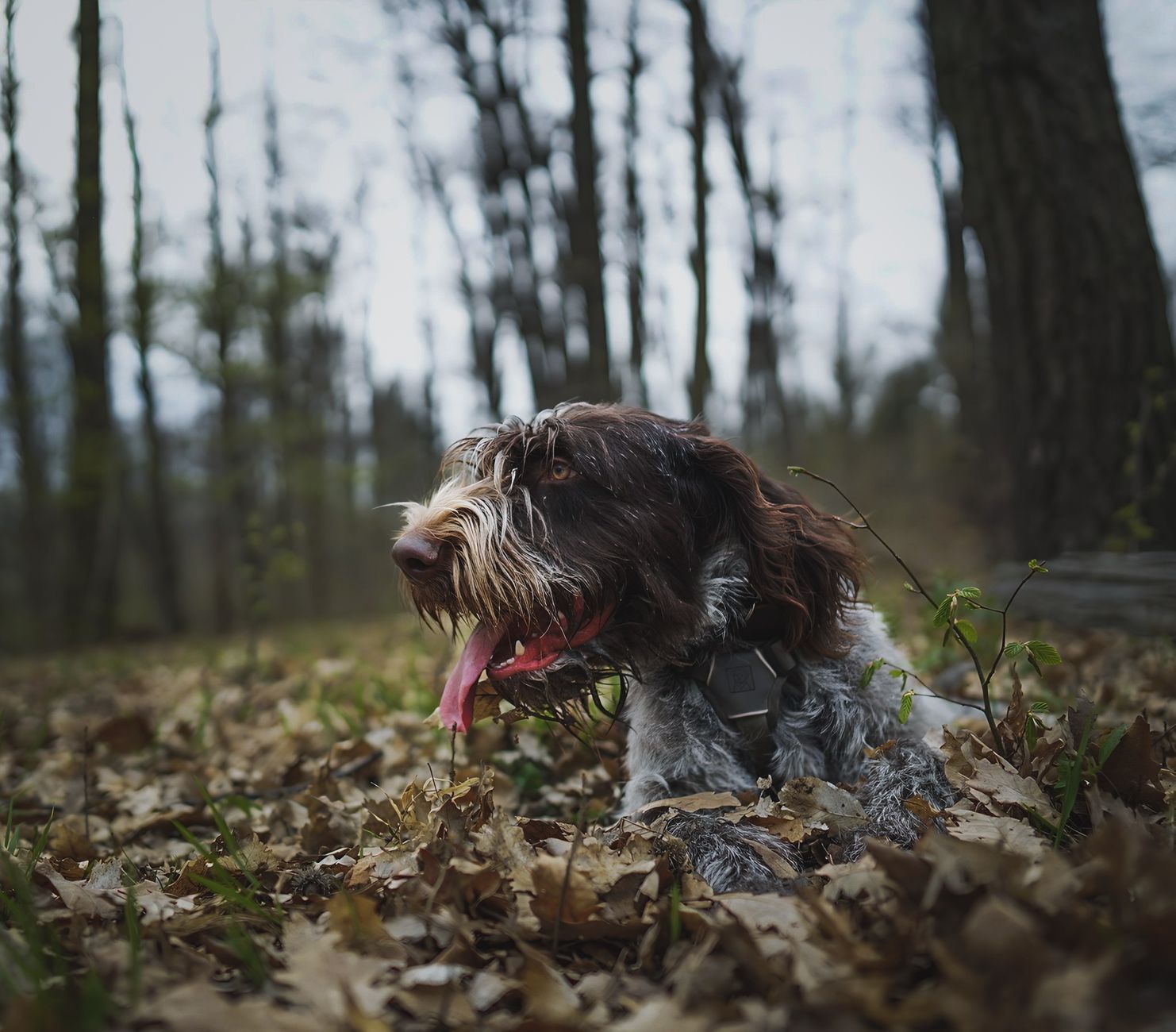
German Wirehaired Pointer
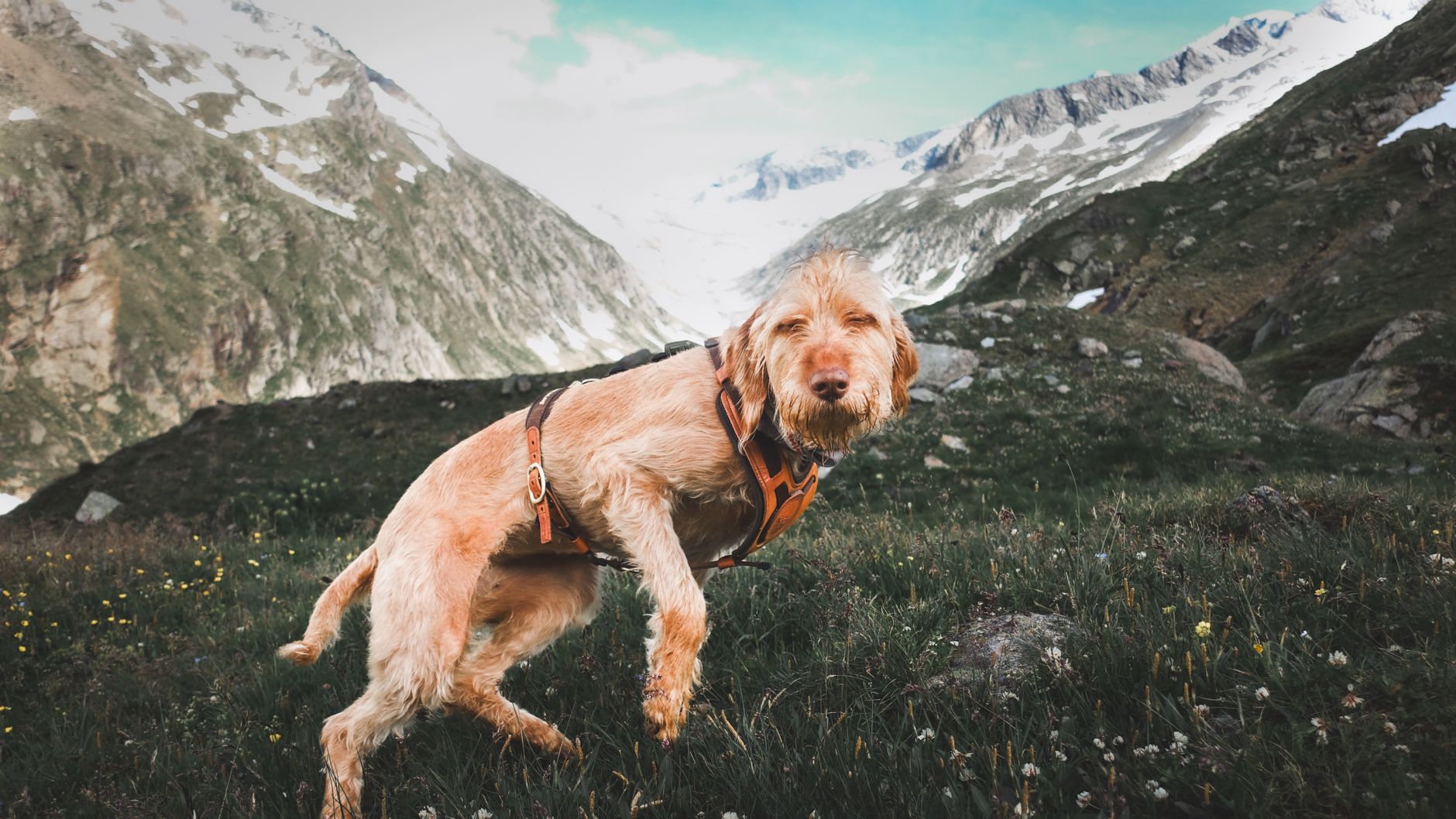
Spinone Italiano
Wirehaired Pointing Griffon FAQs
Are Wirehaired Pointing Griffons hypoallergenic?
While they are very low-shedding and often tolerated well by allergy sufferers, no dog is truly 100% hypoallergenic. They still produce dander and saliva, so I recommend spending time with the breed before committing.
Do they smell bad or have a ‘doggy’ odor?
Generally, no, but their dense undercoat can trap moisture and odor if they swim frequently. Regular ear cleaning and ensuring they dry thoroughly after swimming will keep odors to a minimum.
Do I have to hand-strip their coat?
If you want to maintain the breed’s signature harsh, weather-resistant wire coat, hand-stripping is necessary. Shaving or clipping the coat alters the texture, making it soft, faded, and more prone to trapping burrs.
Are they good apartment dogs?
Typically, I do not recommend them for apartment living. They are high-energy working dogs that need space to run, and they thrive best in a home with a large, securely fenced yard.
How much exercise do they need daily?
They require at least 60 to 90 minutes of vigorous physical activity every day. This should include off-leash running, retrieving, swimming, or mental work like tracking and puzzle toys.
Can they be left alone during the workday?
They do not tolerate long periods of isolation well due to their ‘velcro’ nature. Leaving them alone for 8+ hours a day often leads to severe separation anxiety and destructive behavior.
Do they bark a lot?
They are not nuisance barkers, but they will vocalize to alert you to strangers or when they are bored. Proper mental stimulation and training can easily keep alert barking under control.
Are they good swimmers?
Yes, they are outstanding swimmers with webbed feet designed for retrieving waterfowl. Most Griffs naturally love the water and will jump into any lake, river, or pool they find.
How do they handle hot or cold weather?
Their double coat is designed to protect them from extreme cold and wet brush, making them excellent cold-weather dogs. However, they can overheat in summer, so exercise them during the cooler parts of the day.
When do they stop growing?
They typically reach their full height by 12 months of age, but they will continue to fill out and gain muscle mass until they are about 2 years old.
Are they protective of their home?
They are naturally vigilant and will alert bark when someone approaches, but they are not aggressive guard dogs. They are generally too friendly and people-oriented to serve as true protectors.
Do they have a high prey drive?
Yes, they have a strong innate hunting drive. They will chase birds, squirrels, and potentially neighborhood cats, so a secure fence and solid recall training are absolute musts.
What is the difference between a Wirehaired Pointing Griffon and a German Wirehaired Pointer?
While they look similar, Griffons are generally more laid-back, affectionate, and family-oriented (‘velcro’ dogs), whereas German Wirehaired Pointers tend to be slightly larger, more intense, and independent in their working style.
Sources & Further Reading
- American Kennel Club (AKC)
- American Veterinary Medical Association (AVMA)
- Merck Veterinary Manual
- PetMD