
Best Cat Breeds for Apartments
Quick Summary
Selecting the best cat breeds for apartments depends heavily on matching a feline’s natural temperament, energy level, and vocalization tendencies to your square footage. As a veterinarian, I recommend focusing on low-energy, highly adaptable breeds that thrive with vertical space rather than sprawling acreage. This guide highlights my top veterinary-approved recommendations for cozy living.
In my veterinary practice, I often counsel urban pet owners about selecting the right companion for high-rise living. Many people assume cats automatically thrive in small spaces, but individual breed genetics play a massive role in their adaptability.
Choosing the best cat breeds for apartments requires evaluating more than just physical size; we must look at activity level, social needs, and vocal tendencies. Let us explore how to select a feline companion that will truly flourish in your cozy home.
Why Temperament Trumps Size in Small Spaces
Many clients assume small cats are best for apartments, but this is a common clinical misconception. High-energy, pocket-sized cats can quickly develop behavioral issues from cabin fever if they lack room to sprint.
Instead, we look for ‘couch potato’ traits, low-frequency vocalizers, and high emotional resilience.
- Low vocalization: Breeds that do not constantly vocalize prevent neighbor noise complaints.
- Moderate to low energy: Breeds that sleep up to 18 hours a day adapt beautifully to single rooms.
- Adaptability: Cats that tolerate routine changes without experiencing high stress.
The Best Cat Breeds for Apartments: My Top Veterinary Recommendations
These specific breeds consistently demonstrate the calm temperament and structural adaptability needed for smaller living environments. They balance moderate grooming needs with highly affectionate, laid-back personalities that suit indoor life.
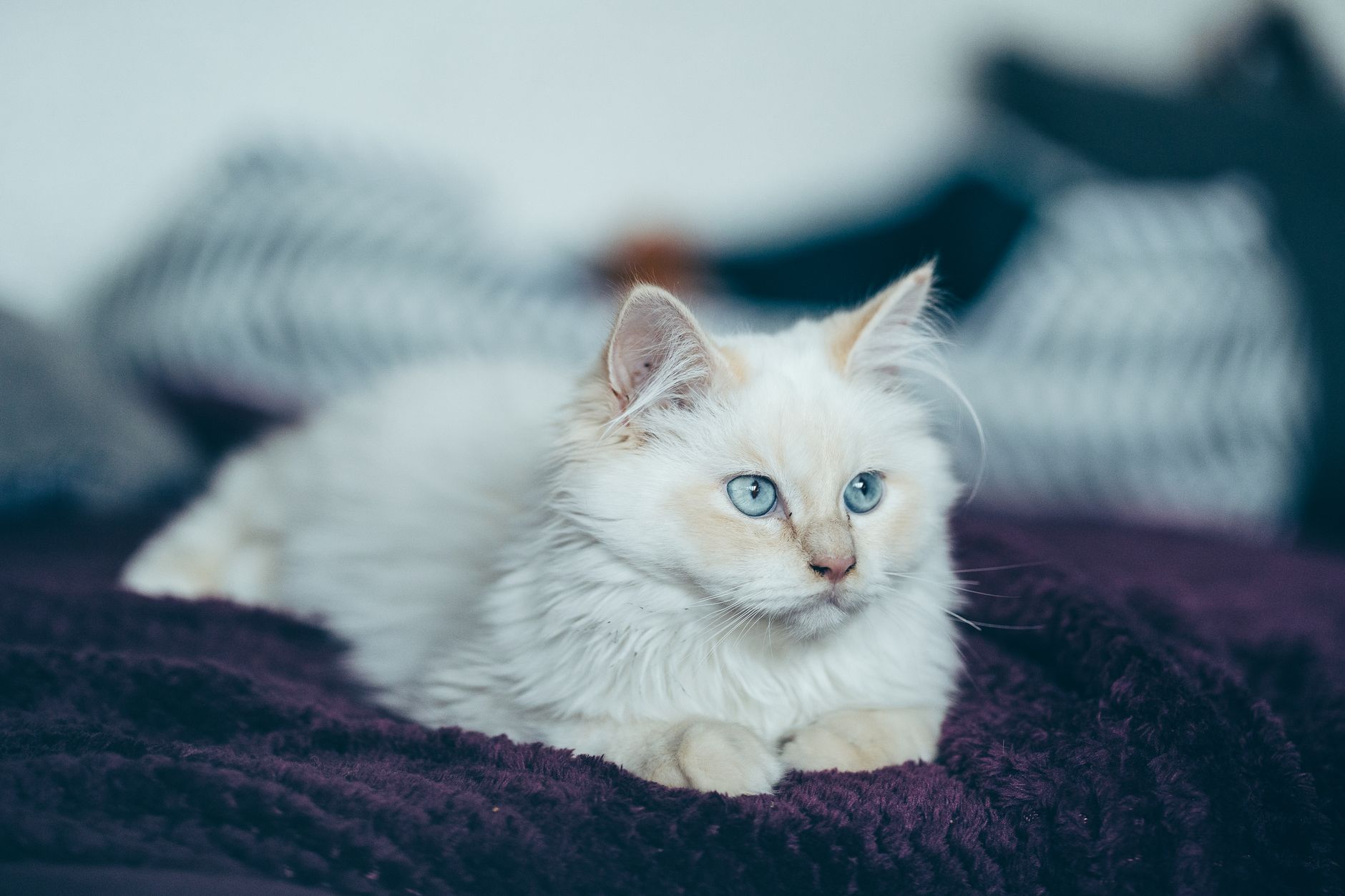
- Ragdoll: Extremely docile, rarely jump to high shelves, and possess a gentle, quiet voice.
- British Shorthair: Independent and placid, they enjoy their own company and do not require constant attention.
- Russian Blue: Quiet, reserved, and highly clean, making them perfect for close quarters.
- Persian: Low-energy sweethearts who prefer lounging on the sofa to scaling your window drapes.
Addressing Environmental Enrichment and Vertical Space
No matter the breed, your apartment must be optimized to satisfy your cat’s natural climbing and hunting instincts. I advise my clients to focus on vertical real estate rather than floor space to expand their territory.
A well-placed cat tree can double your feline’s active living area instantly.
- Window Perches: Provides critical mental stimulation from watching birds and outdoor movement.
- Scratching Posts: Vertical sisal posts prevent stress and protect your furniture.
- Puzzle Feeders: Simulates hunting behaviors to prevent obesity and boredom-induced behaviors.
Managing Grooming and Litter Boxes in Tight Quarters
Living in close proximity means litter box hygiene and shedding management are critical for both your health and your cat’s. Daily scooping and high-quality HEPA air purifiers are non-negotiable in small layouts.
Regular brushing also minimizes airborne dander and painful feline hairballs.
- Use open, high-walled boxes to contain litter scatter without trapping toxic odors inside the dome.
- Brush your cat daily to reduce shedding on furniture by up to eighty percent.
- Place the litter station away from noisy household appliances like washing machines.
Frequently Asked Questions
Do apartment cats get lonely if left alone during the workday?
Some breeds, like the British Shorthair, tolerate solitude well, while highly social breeds like the Siamese do not. I recommend leaving interactive puzzle toys and keeping a consistent routine to ease separation anxiety.
How often should I play with my apartment cat?
I advise scheduling two fifteen-minute active play sessions daily using feather wands or laser pointers. This mimics natural hunting cycles, burns excess energy, and ensures they sleep through the night.
Is a balcony safe for my apartment cat?
Only if it is completely enclosed with cat-safe netting or sturdy screens. ‘High rise syndrome’ is a very real clinical emergency where cats fall from balconies while chasing birds or insects.
Final Thoughts
With the right preparation and breed selection, feline companions can live incredibly rich, healthy lives in smaller homes. Focus on providing vertical stimulation, maintaining strict environmental hygiene, and choosing a breed that matches your daily rhythm.
My clinic is always here to help you navigate your pet’s wellness journey, no matter your square footage.