
Abyssinian Breed Guide
Quick Summary
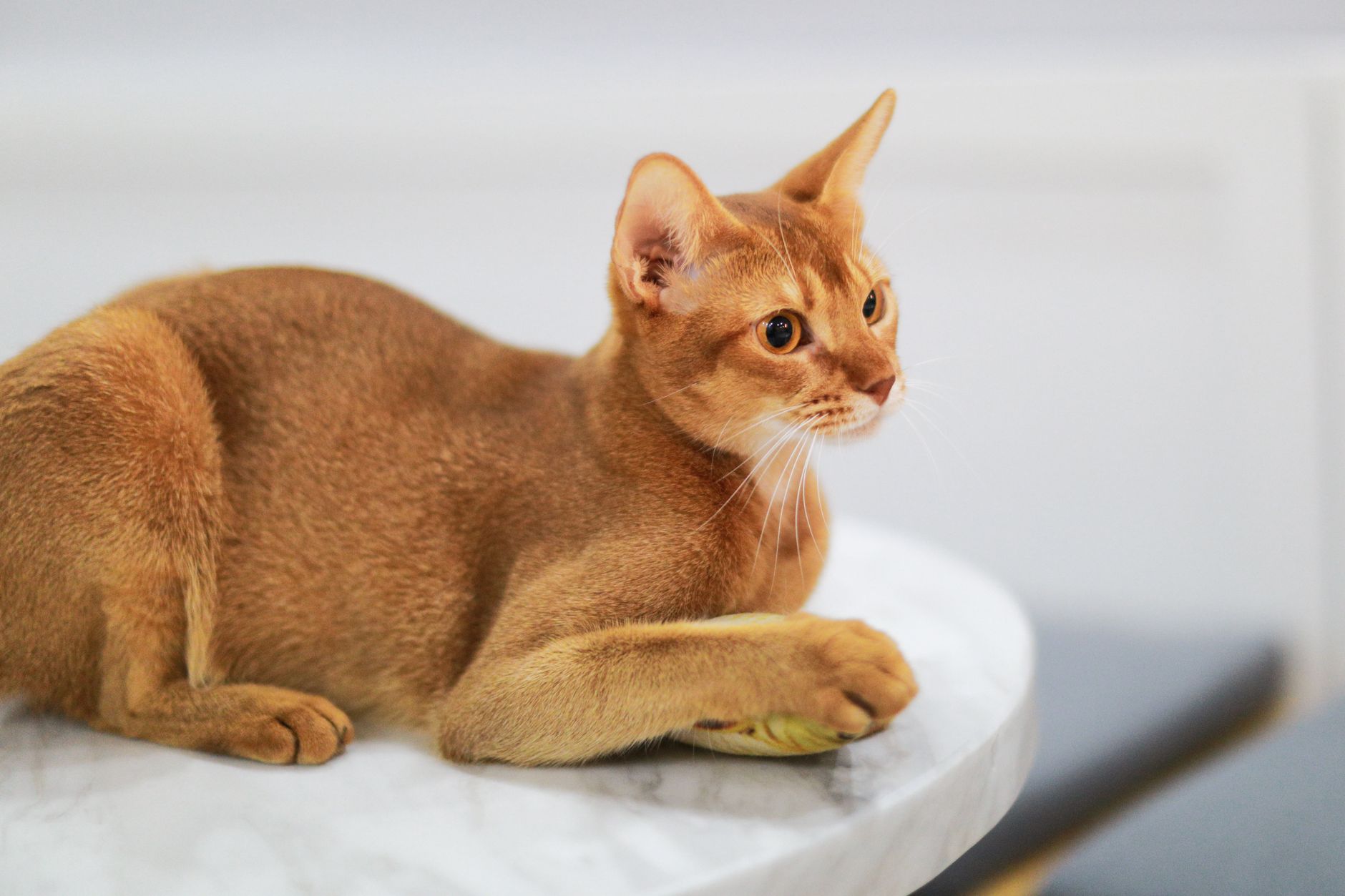
The Abyssinian is a highly active, fiercely intelligent, and athletic feline that lives life in three dimensions, constantly seeking vertical heights. Often described as the ‘clowns of the cat kingdom,’ they are ideal for dynamic households that can offer plentiful mental stimulation, interactive play, and companionship.
Quick Facts
- origin countryEthiopia (formerly Abyssinia)
- breed groupShorthair
- sizeMedium
- weight range6 to 10 pounds (2.7 to 4.5 kg)
- height range8 to 10 inches (20 to 25 cm)
- lifespan12 to 15 years
- coat typeShort, fine, close-lying, with distinct agouti ticking
- common colorsRuddy, Sorrel (Red), Blue, and Fawn
- other namesAby, Bunny Cat
- recognized byCFA, TICA, FIFe, GCCF, ACFA
Caring for a Abyssinian
Living with an Aby is like sharing your home with a tiny, elegant monkey; they are constantly on the move, scaling door frames and supervising your household from the top of the refrigerator. In my experience, they don’t just coexist with you—they actively join in on whatever you are doing, from typing on keyboards to folding laundry. To keep them happy, you must provide plenty of vertical real estate like ceiling-height cat trees and dedicate time to interactive play daily. Without adequate physical and mental outlets, their natural curiosity can quickly morph into creative, and sometimes destructive, mischief.
Is an Abyssinian a good family pet?
Yes, they are fantastic family pets for active households with older, respectful children who understand how to interact with an energetic cat. They love having playmates who will throw toys for them, but they can be too fast-moving and self-directed for very young toddlers. I always advise supervising initial interactions to ensure the cat’s boundaries are respected.
Do Abyssinians shed a lot?
No, they are relatively low-shedding cats due to their short, single-layered coat. While they do lose a small amount of fine hair year-round, a simple weekly brushing session is usually more than enough to keep their coat gleaming and your furniture clean. They tend to shed slightly more during seasonal transitions in the spring and fall.
Is an Abyssinian good for first-time owners?
Generally, I do not recommend them for novice owners unless you are fully prepared for a highly demanding, high-energy pet. If you are expecting a quiet, lazy lap cat that sleeps sixteen hours a day, an Aby will leave you feeling overwhelmed. They require the same level of mental engagement and activity as many active dog breeds.
Temperament & Personality
The Abyssinian temperament is a captivating mix of relentless curiosity, brilliant intelligence, and affectionate loyalty. They are incredibly people-oriented but express their love through shared activities rather than quiet cuddles. I’ve found that they are highly extroverted, easily bored, and possess a remarkable sense of humor, often performing silly antics to get your attention.
Is an Abyssinian good with other pets?
Absolutely, they thrive in multi-pet homes and generally love the company of active cats and cat-friendly dogs. In my years of working with this breed, I’ve seen that having a playmate is one of the best ways to keep an Aby mentally stimulated and physically exercised, reducing the likelihood of boredom-induced behaviors.
How much attention does an Abyssinian need?
They need a significant amount of daily interaction and do not do well when left entirely alone for long periods. If you work long hours away from home, you will need to provide them with a companion pet, puzzle toys, and a highly enriched environment to prevent separation anxiety and depression.
Training & Behavior
Abyssinians are highly trainable and often compared to dogs in terms of their responsiveness to commands and clicker training. They love having a ‘job’ to do and will quickly figure out how to solve complex tasks to get a treat. However, their intelligence means that if you don’t train them, they will train you—often learning how to open cabinets, turn on faucets, and retrieve hidden toys on their own terms.
Training Tips
- Use positive reinforcement and high-value treats like freeze-dried meat.
- Keep training sessions short, fast-paced, and fun to prevent boredom.
- Introduce clicker training early to teach complex tricks and behaviors.
- Train them to walk on a harness and leash for safe outdoor exploration.
Fun Activities
- Playing fetch with small crinkle balls or felt toys
- Navigating home agility courses made of stools and boxes
- Solving level-2 and level-3 food puzzle toys
- Leash walking in quiet, grassy outdoor areas
Is an Abyssinian easy to train?
Yes, they are exceptionally easy to train because they are highly motivated by play, curiosity, and food. They can quickly learn to sit, retrieve toys, fetch, high-five, and even walk on a harness, provided you keep the training sessions fun and rewarding.
Abyssinian Health Issues
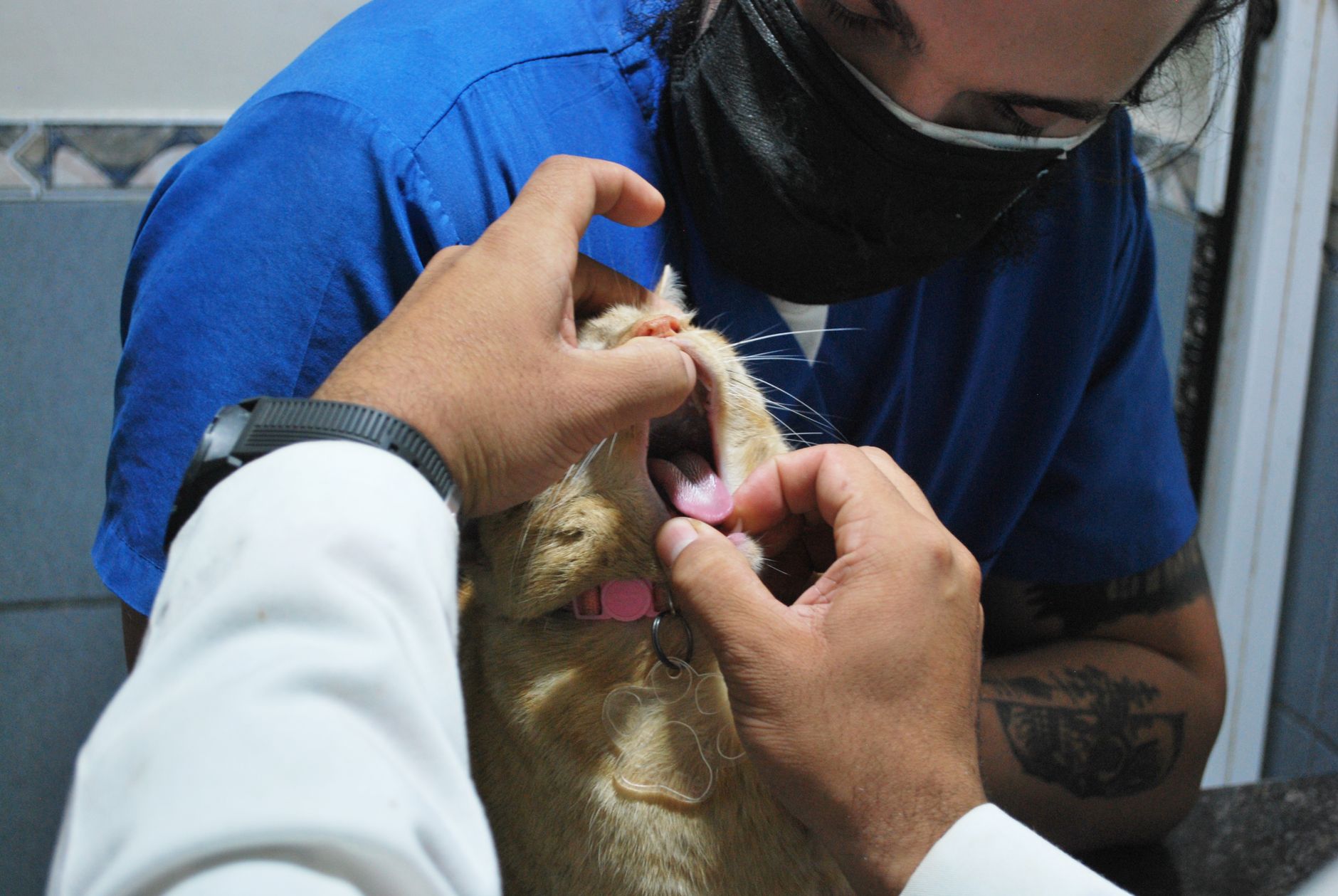
While Abyssinians are generally robust and athletic, they are genetically predisposed to several hereditary health conditions. Responsible breeders screen their lines for these genetic markers, so it is crucial to ask for DNA clearances before purchasing a kitten.
Pyruvate Kinase (PK) Deficiency
An inherited genetic enzyme defect that causes red blood cells to break down prematurely, resulting in chronic, fluctuating hemolytic anemia.
Progressive Retinal Atrophy (PRA)
A genetic eye disease that causes progressive degeneration of the photoreceptors in the retina, leading to gradual, irreversible blindness.
Renal Amyloidosis
A hereditary disease where an abnormal protein called amyloid builds up in the kidneys, leading to chronic kidney disease and eventual renal failure.
Patellar Luxation
A condition where the kneecap slips out of its normal anatomical groove, causing discomfort and predisposing the cat to arthritis.
Periodontal Disease
Abyssinians are exceptionally prone to early-onset gingivitis and dental disease, which can lead to tooth loss and systemic infections.
How long do Abyssinians typically live?
Abyssinians generally live between 12 and 15 years. With high-quality nutrition, regular preventative veterinary care, and keeping them strictly indoors to prevent accidents, many Abys comfortably live into their late teens.
What to Feed a Abyssinian
Because Abyssinians have an incredibly high metabolic rate and lead highly active lifestyles, they require premium, nutrient-dense food to fuel their daily antics. They are lean, muscular cats, and maintaining this optimal body condition is key to their long-term joint and organ health.
Best Diet
I highly recommend a diet consisting primarily of premium wet food that is high in protein and low in carbohydrates. This ensures they stay hydrated, which is vital for kidney health, and helps maintain their lean muscle mass without adding unnecessary fat.
How to Feed
Establish structured meal times, feeding them 2 to 3 times a day, rather than free-feeding kibble. Free-feeding can easily lead to boredom-eating and subsequent weight gain if they are not getting enough physical exercise.
How Much to Feed
Portion sizes should always be determined in consultation with your veterinarian, taking into account their exact weight and activity level. Generally, an active 8-pound adult Aby will require roughly 200 to 240 calories per day, divided across their meals.
Nutritional Tips
Incorporate food puzzles and foraging toys for their dry treats to satisfy their natural hunting drive. Additionally, consider using a pet water fountain, as many Abys prefer running water and it encourages them to drink more.
Abyssinian Grooming Guide
Grooming an Abyssinian is incredibly straightforward, as their short, single coat is highly efficient at self-cleaning. Your primary focus will not be brushing their hair, but rather managing their dental health and claw growth.
Coat Care
Brush their coat once a week with a soft slicker brush or a rubber grooming glove to remove loose hair and distribute skin oils. During their minor seasonal shedding periods, a quick rubdown with a damp chamois cloth will keep their coat looking spectacularly glossy.
Skin Care
Their skin is generally resilient, but ensuring their diet contains adequate omega-3 fatty acids will help prevent dry skin and maintain the lustrous shine of their ticked coat.
Eye Care
Check their eyes weekly and gently wipe away any minor buildup at the corners with a soft, damp cloth, using a clean section of the cloth for each eye.
Ear Care
Inspect their ears weekly for dirt, debris, or redness; if necessary, clean them using a veterinarian-recommended ear cleanser and a cotton pad, never inserting cotton swabs into the ear canal.
Nail & Dental Care
Trim their claws every 2 to 3 weeks, and brush their teeth daily with feline-safe enzymatic toothpaste to combat their high genetic susceptibility to periodontal disease.
Considerations for Pet Parents
Pros
- Incredibly intelligent and highly responsive to training
- Extremely entertaining, playful, and interactive companion
- Stunningly beautiful, wild, agouti-ticked appearance
- Very low grooming and coat maintenance requirements
- Thrives in households with other active pets and dogs
- Affectionate, loyal, and loves being involved in your day
Cons
- Demands constant mental stimulation and physical play
- Can become destructive or vocal if bored or left alone
- Will climb to the highest, most inconvenient points in your home
- Not a calm, quiet lap cat for peaceful households
- Prone to several expensive genetic health issues
Best For
An active individual or family who wants a highly interactive, dog-like cat, has plenty of time for daily play, and is willing to cat-proof their home for a feline that loves high-altitude climbing.
Not Recommended For
Busy professionals who are away from home for 10-12 hours a day without other pets, or anyone looking for a quiet, low-energy lap cat that prefers to sit peacefully on the sofa.
Cost
- purchase price$1,200 to $2,500 USD
- monthly cost$100 to $180 USD
- initial setupPlan to spend an extra $600 to $900 initially on high-quality, tall cat trees, interactive puzzle toys, a sturdy carrier, claw clippers, dental care kits, and initial veterinary vaccinations and microchipping.
Similar Breeds

Somali
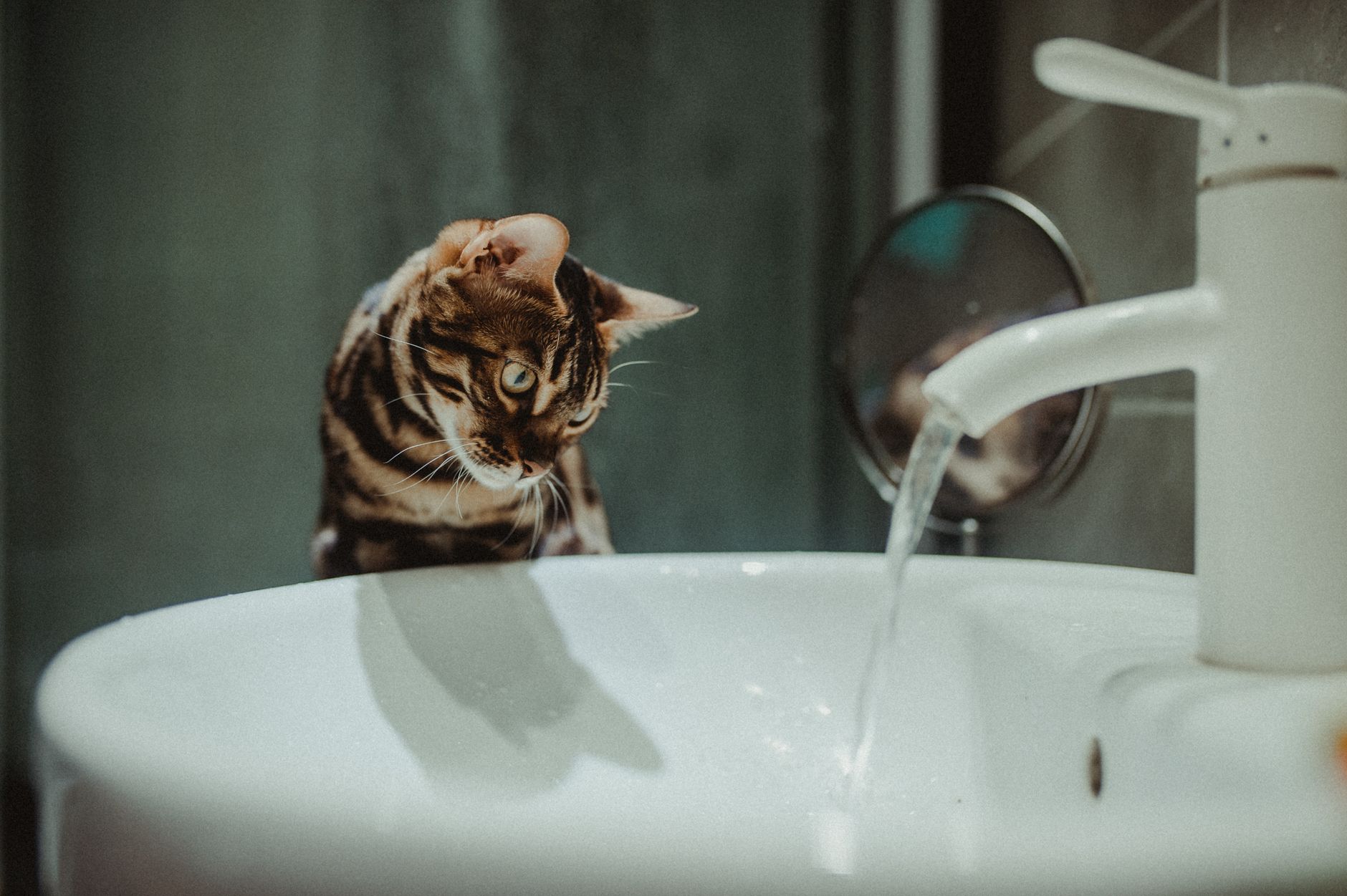
Bengal
Abyssinian FAQs
Are Abyssinians cuddly lap cats?
Generally, no. While they are deeply affectionate and loyal, they prefer to show love by being in the same room, sitting on your shoulder, or inviting you to play. They are usually too energetic to sit on a lap for long, preferring to cuddle briefly when they are completely exhausted.
Why are they called ‘ticked’ cats?
Their unique ‘ticked’ or agouti coat means that each individual hair has multiple bands of dark and light pigment, ending in a dark tip. This gives them a beautiful, shimmering appearance that closely resembles wild rabbits or African wildcats.
Do Abyssinians like water?
Yes, many Abyssinians have a fascinating obsession with water. Do not be surprised if they try to join you in the shower, splash in their water bowl, or sit on the sink waiting for you to turn on the faucet so they can play with the stream.
Can Abyssinians live happily in an apartment?
Yes, they can live happily in an apartment, but only if you maximize the vertical space. You must provide tall cat trees, window perches, and wall shelves, alongside plenty of interactive toys, to compensate for the limited floor space.
How high can an Abyssinian jump?
They are incredible athletes capable of leaping up to six feet in the air from a standing position. I always warn owners that standard countertops, refrigerators, and the tops of open doors are easily within their reach.
Are Abyssinians vocal cats?
They are not quiet, but they are not loudly demanding like the Siamese. They communicate with a very soft, sweet, and quiet chirp or trill, which they use to get your attention or let you know it is dinner time.
Why does my Abyssinian follow me everywhere?
Abys are shadow cats; they are intensely curious and want to be involved in everything you do. If you are cooking, cleaning, or typing, they feel it is their job to supervise, help, and investigate every movement.
Do Abyssinians get separation anxiety?
Yes, they can suffer from separation anxiety if left alone for long periods without stimulation. They are highly social and crave companionship, which is why I strongly recommend having a second cat or a friendly dog if you work away from home.
Are Abyssinians hypoallergenic?
No, they are not hypoallergenic. While they have short coats and shed less than some other breeds, they still produce the Fel d 1 protein in their saliva, dander, and urine, which is the primary cause of cat allergies.
How do I stop my Abyssinian from scratching my furniture?
Provide them with tall, sturdy scratching posts made of sisal rope, placed near their favorite sleeping areas. Because they are vertical scratching specialists, the posts must be tall enough for them to stretch out fully while scratching.
What is the difference between an Abyssinian and a Somali?
The Somali is simply the long-haired version of the Abyssinian. They share the same energetic temperament, intelligence, and ticked coat patterns, but the Somali has a medium-long coat, a ruff around the neck, and a bushy tail.
Can I train my Abyssinian to walk on a leash?
Yes, they are excellent candidates for leash training. Because of their confident nature, they often enjoy exploring the outdoors on a harness, provided you start training them indoors as kittens and use positive reinforcement.
How do I keep my Abyssinian entertained when I am busy?
Invest in electronic motion toys, window bird feeders, advanced food puzzle toys, and automated laser toys. Leaving cardboard boxes and paper bags around the house can also provide hours of self-directed exploration.
Are they prone to obesity?
No, because of their high activity levels, they rarely become obese. However, if they are under-stimulated, bored, or free-fed poor-quality dry kibble, they can gain weight, which places unnecessary strain on their joints.