

Quick Summary
Highly active cat breeds require structured daily play and environmental enrichment to prevent behavioral issues. As a veterinarian, I recommend breeds like the Abyssinian, Bengal, and Savannah for active homes, provided owners can commit to mental and physical stimulation. Proper vertical space, interactive toys, and post-play feeding cycles are essential for keeping these athletic felines healthy.
As an Amazon Associate, we earn from qualifying purchases.
Popular with cat owners: Cat Tree · Cat Tunnel · Cat Treats
In my clinical practice, I often consult with clients who are shocked by their new cat’s energy levels. Many people expect a quiet lap warmer, but some breeds function more like working border collies in feline suits.
Matching your household’s daily rhythm to your cat’s natural drive is crucial for preventing chronic stress and behavioral issues. Let us look at the most playful, high-octane cat breeds that thrive in active homes.
Key Takeaways
- High-energy cat breeds require at least 30 to 60 minutes of active, interactive play daily.
- Without proper mental stimulation, active cats are prone to destructive behaviors and stress-induced medical conditions.
- Vertical space is non-negotiable for athletic breeds like Abyssinians, Bengals, and Savannahs.
- Implementing a structured play-and-feed cycle helps mimic natural hunting behaviors to calm hyperactive felines.
- Clicker training and harness walking are highly effective ways to channel the intelligence of active breeds.
In This Article
- 1. The Abyssinian (The Dynamic Athlete)
- 2. The Bengal (Wild Grace and Water Play)
- 3. The Savannah (The Ultimate High-Jumper)
- sphynx-high-metabolism-high-playfulness”>4. The Sphynx (High Metabolism, High Playfulness)
- 5. The Devon Rex (The Mischievous Pixie)
- siamese-the-vocal-playmate”>6. The Siamese (The Vocal Playmate)
- 7. The Japanese Bobtail (The Social Butterfly)
- ocicat-the-wild-looking-domestic”>8. The Ocicat (The Wild-Looking Domestic)
- 9. Clinical Signs of Boredom in Active Cats
- 10. Veterinary-Approved Play Strategies
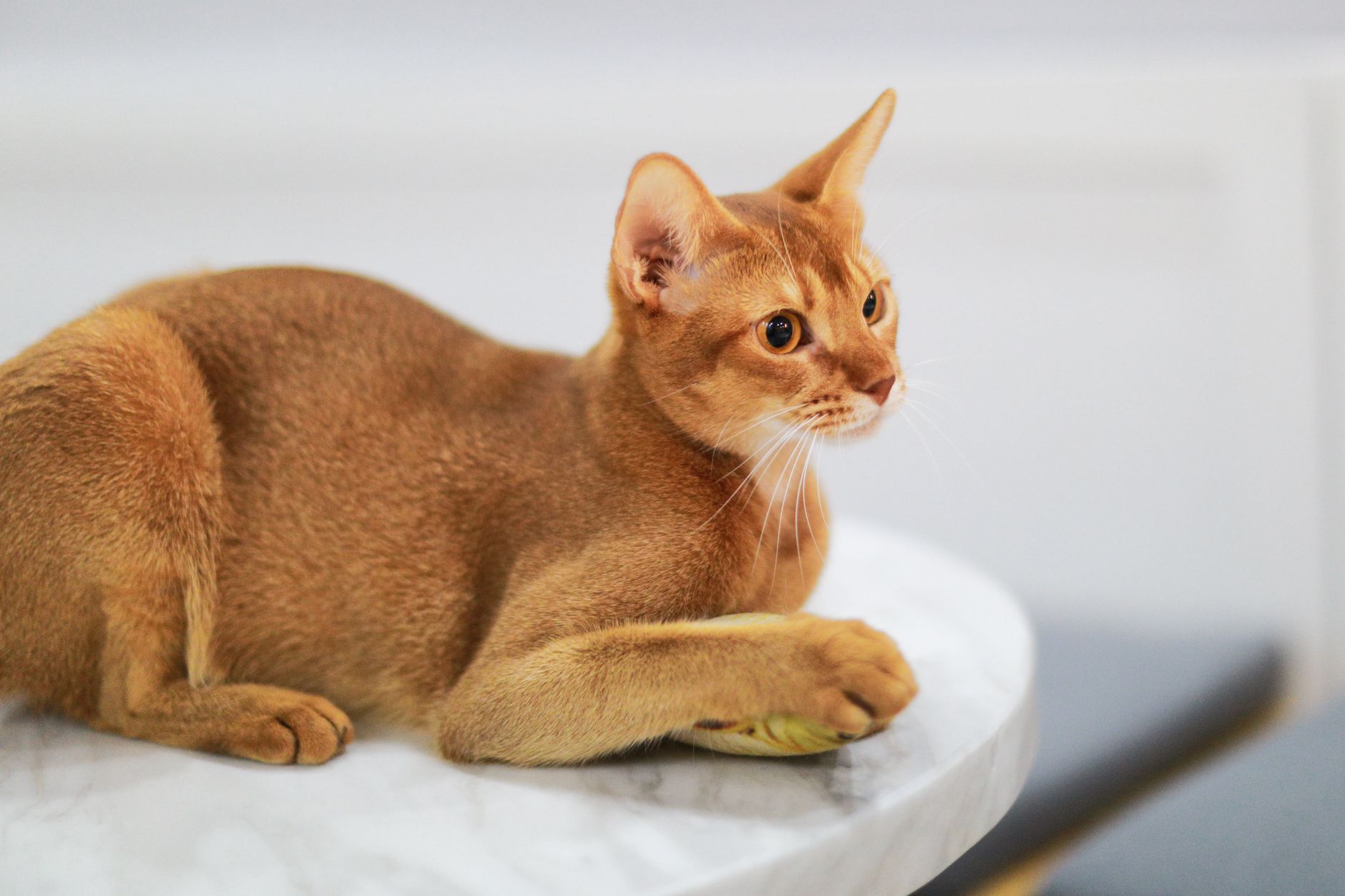
1. The Abyssinian (The Dynamic Athlete)
Abyssinians are not quiet lap cats. In my clinic, I call them ‘the felines in constant motion’ due to their endless curiosity and athletic build.
If you do not provide them with structured stimulation, they will quickly find their own. This often means clearing off your highest bookshelves, opening closed cabinets, or scaling your drapes.
I always tell my clients that ‘Aby’ owners must invest heavily in vertical territory. These cats need high vantage points to feel secure and satisfied in their environment.
In my experience, their intelligence is both their greatest asset and their owner’s biggest challenge. They can easily learn to turn on light switches or open doors if left to their own devices.
- Provide tall cat trees (at least 6 feet high) placed near windows.
- Rotate puzzle toys weekly to keep their sharp minds occupied.
- Engage them in interactive wand play for 15 minutes twice daily.
- Watch for signs of frustration, like compulsive pacing or shadow-chasing.
2. The Bengal (Wild Grace and Water Play)
Bengals are visually striking, but they represent a major domestic commitment. Their wild ancestry gives them an incredibly high prey drive and an unusual love for water.
I frequently treat Bengals for stress-related cystitis when they do not get enough physical exercise. Physical exhaustion is key to their mental well-being and urinary health.
Globlazer F70 Pro Heavy Duty Cat Tree
- ✓Spacious square hammock and condo
- ✓4 scratching posts plus a scratch board
- ✓For large adult cats
- Gives cats vertical space to climb, scratch and nap, which reduces stress and keeps them off your shelves
You must be prepared for a cat that might jump into your bath or wash their toys in your water bowl. They require a lot of interactive play to prevent destructive boredom.
I often recommend them only to households that have experience with high-energy working dogs. They operate on a completely different level of intensity than standard domestic shorthairs.
- Set up a dripping faucet or buy a high-quality pet fountain.
- Use heavy-duty toys, as their strong jaws can easily shred cheap plastic.
- Consider a feline exercise wheel to burn off excess cardiovascular energy.
- Avoid using laser pointers as the sole toy; they need a physical ‘catch’ to prevent mental frustration.

3. The Savannah (The Ultimate High-Jumper)
Savannahs are an exotic hybrid breed known for their incredible leg length and leaping ability. I have seen Savannahs jump eight feet in the air from a standing position.
This breed is best suited for highly experienced owners who can handle a large, powerful, predator-like personality. They are intensely loyal but demand constant engagement from their human companions.
In my clinical experience, an under-stimulated Savannah can become destructive to furniture and household fixtures. They need space to run, jump, and climb safely.
Many owners do not realize how large these cats can get, especially in the early generations. Their physical size combined with their energy level requires a highly structured home environment.
- Install sturdy wall shelves specifically rated for heavy felines.
- Begin leash training early using a secure, H-style harness.
- Provide raw-supplemented or high-protein diets under veterinary supervision.
- Secure all window screens, as their high jump makes escapes easy.

4. The Sphynx (High Metabolism, High Playfulness)
People often overlook the Sphynx when thinking of athletic cats. However, their lack of fur means they have a very high metabolic rate to maintain body temperature.
This high metabolism translates directly into relentless, bouncy energy. In my practice, I find Sphynx cats to be incredibly acrobatic, warm, and socially demanding.
They love to perform for an audience and will climb your body like a tree trunk if you let them. They thrive on physical contact and will constantly seek out active play.
Because they generate so much body heat, their energy levels can seem almost exhaustless. They will play hard, sleep deeply under a blanket, and then wake up ready to sprint again.
- Feed a high-calorie, premium diet to match their intense metabolic needs.
- Bathe them weekly to prevent skin oils from building up on toys and furniture.
- Keep heated pet beds available for post-play recovery sessions.
- Use soft fabric toys that are gentle on their hairless skin.

5. The Devon Rex (The Mischievous Pixie)
The Devon Rex is often described as a monkey in a cat suit. With their massive ears and wavy coats, they are highly social and love interactive play.
Sheldamy S-Shaped 2-Way Cat Tunnel
- ✓S-shape suits cats’ love of hiding
- ✓Waterproof, scratch-resistant fabric
- ✓Collapsible
- A crinkly play tunnel gives cats somewhere to hide, pounce and race through
I often see these cats perched on their owners’ shoulders, supervising every household chore. They are exceptionally food-motivated, which makes training them a joy.
I highly recommend clicker training for this breed to channel their intelligence constructively. It keeps their minds sharp and builds a deep bond with their owners.
Their play style is goofy and relentless. They will invent games of their own, such as dropping toys into your shoes or retrieving small objects from the trash.
- Teach basic commands like ‘sit’ and ‘high-five’ using high-value treats.
- Provide crinkle balls and lightweight toys they can easily carry in their mouths.
- Clean their large ears regularly, as they are prone to yeast buildup.
- Expect them to share your bed; they seek out human warmth constantly.

6. The Siamese (The Vocal Playmate)
Siamese cats are famous for their voices, but they are also incredibly playful. They form intense bonds with their humans and demand to be part of every single activity.
A bored Siamese will vocalize loudly to tell you about their displeasure. I often recommend getting them in pairs so they can keep each other entertained during the day.
They excel at learning tricks and will happily play fetch for hours if you train them. Their high intelligence means they need mental stimulation just as much as physical exercise.
If left alone for long periods, they are highly prone to separation anxiety. This can manifest as destructive behavior or inappropriate urination outside the litter box.
- Use fetch toys like small felt balls or plastic spring toys.
- Consider a companion animal if you work outside the home for long hours.
- Provide complex food puzzles to slow down their eating and challenge their brains.
- Schedule designated ‘talking’ and play sessions to satisfy their social needs.

7. The Japanese Bobtail (The Social Butterfly)
The Japanese Bobtail is an ancient breed known for its pom-pom tail and highly dog-like behavior. They are incredibly fond of water and love playing fetch.
In my clinic, these cats are always the favorites because of their confident, outgoing nature. They adjust well to busy, chaotic households with children and other pets.
Their play style is highly interactive, involving carrying toys around and splashing in water dishes. They are also incredibly agile and love to leap after feathered toys.
I always note how well they integrate into multi-pet homes. Their confident nature means they rarely feel threatened by friendly dogs or other cats.
- Introduce them to safe water play with shallow trays or running sinks.
- Keep a basket of small plush toys handy for fetch sessions.
- Provide plenty of opportunities for socializing with visitors.
- Monitor their weight closely, as their active nature requires precise caloric management.
8. The Ocicat (The Wild-Looking Domestic)
The Ocicat looks like a miniature wild leopard but is entirely domestic in temperament. They are incredibly athletic, highly social, and thrive on interactive games.
I often see Ocicats that have been successfully trained to walk on a leash and harness. They possess a dog-like devotion and will follow you from room to room.
They are highly sensitive to their environment and need plenty of toys that challenge their cognitive abilities. A bored Ocicat can become quite vocal and demanding of your time.
I always recommend them for families who want a highly interactive, intelligent pet without the wild hybrid traits of a Bengal.
- Introduce interactive food puzzles to challenge their problem-solving skills.
- Provide sturdy scratching posts that allow them to stretch their long bodies fully.
- Schedule daily outdoor harness walks to satisfy their curiosity safely.
- Offer a variety of textured toys, including crinkle and feather toys.
9. Clinical Signs of Boredom in Active Cats
When high-energy cats do not get enough play, they do not just sleep more. Instead, they often develop serious behavioral and medical issues.
In my clinical practice, I frequently diagnose stressed cats with psychogenic alopecia, which is compulsive hair-pulling due to boredom.
Understanding these warning signs can help you intervene before your cat requires veterinary behavior modification or prescription medication.
Destructive and Aggressive Behaviors
Bored cats will often target furniture, drapes, or even your ankles. They may hide behind corners and pounce on your feet, which is a misdirected predatory drive.
Compulsive Grooming and Vocalizing
Over-grooming, especially on the belly and legs, is a common stress response. Excessive vocalizing, particularly at night, also indicates unspent physical energy.
10. Veterinary-Approved Play Strategies
To keep these athletic breeds happy, you must move beyond static toys. Active cats need dynamic play that mimics the natural feline hunting cycle.
This cycle consists of stalking, chasing, pouncing, killing, eating, grooming, and sleeping.
If you skip the ‘eating’ part of the cycle by not feeding them after play, they may remain hyper-aroused. Providing a small meal after play tells their nervous system that the hunt was successful.
- Always offer a small meal or high-protein treat immediately after a vigorous play session.
- Use wand toys to mimic the unpredictable movements of birds or mice.
- Create a ‘cat highway’ using wall shelves so they can traverse the room safely.
- Introduce leash walking early to safely expose them to the sensory stimulation of the outdoors.
-
Temptations MixUps Crunchy and Soft Cat TreatsA tasty treat makes training, grooming and vet-carrier practice far easier
-
rabbitgoo Cat Harness and Leash Set, Escape ProofLets curious cats explore outdoors safely
-
Stainless Steel Cat Water Fountain, 2.2LMoving, filtered water encourages pets to drink more, which supports kidney and urinary health
Related Cat Guides
Frequently Asked Questions
How much play does an active cat breed need daily?
Active breeds generally require at least 30 to 60 minutes of play daily. It is best to split this into two or three short, high-intensity interactive sessions.
Can active cat breeds live happily in small apartments?
Yes, but you must maximize your vertical space. Utilizing wall shelves, cat trees, and window perches allows them to express their energy upward.
Why does my active cat keep knocking things off the counters?
This behavior is typically a bid for attention or a way to satisfy their natural curiosity. Providing structured play and puzzle feeders can redirect this instinct.
Should I get a second cat to help burn off my active cat’s energy?
Often yes, but only if the second cat has a similar energy level and age. Introducing a high-energy kitten to a senior cat will only cause stress for both.
What are the best toys for self-play when I am at work?
Electronic motion toys, complex food puzzle feeders, and secure window perches with bird feeders outside are excellent for solitary stimulation.
Sources & Further Reading
- The Cat Fanciers’ Association (CFA)
- Cornell University College of Veterinary Medicine
- International Cat Care
- PetMD
Final Thoughts
Welcoming a high-energy cat into your home is a rewarding but demanding journey. These active breeds will keep you constantly entertained, but they require a serious daily commitment to mental and physical enrichment.
As a veterinarian, I always emphasize to my clients that a tired cat is a happy, healthy cat. By understanding their unique instinctual needs, you can easily prevent behavior issues and build an unbreakable bond.
Make sure you have the time, space, and patience before bringing one of these athletic felines into your life.