

Quick Summary
Choosing an affectionate cat breed involves looking at genetic temperaments that favor close human bonding. Breeds like the Ragdoll, Sphynx, and Maine Coon are clinically recognized for their high sociability and physical attachment to their owners. Understanding these breed-specific needs ensures a harmonious, cuddle-filled relationship in your home.
As a practicing veterinarian, I hear the same complaint from frustrated pet owners week after week. They adopted a kitten hoping for a warm, purring lap companion, but ended up with a beautiful, aloof roommate who prefers the top of the refrigerator to human contact.
In my years running a busy feline-friendly practice, I have learned that feline affection is not a myth. It is simply highly dependent on genetics, early socialization, and breed temperament.
If your primary goal is to find a cat that actively craves physical touch, choosing the right breed makes an enormous difference. Let me guide you through the most naturally loving breeds I treat every single day.
Key Takeaways
- Genetic traits play a massive role in a cat’s baseline affection level and desire for human contact.
- Ragdolls are famous for going limp when held, making them the ultimate docile lap companions.
- Sphynx cats crave physical touch both for emotional bonding and to regulate their body temperature.
- Maine Coons offer a loyal, dog-like presence, preferring constant proximity over demanding lap-sitting.
- Highly social breeds like the Burmese and Siamese are prone to separation anxiety and need extra mental stimulation.
- Docile breeds may mask pain easily, requiring vigilant veterinary monitoring and regular checkups.
In This Article
- 1. The Ragdoll: The Docile, Floppy Dream Cat
- 2. The Sphynx: The Heat-Seeking Velcro Companion
- 3. The Maine Coon: The Gentle Giants of Feline Love
- 4. The Burmese: The Unapologetic Attention Seekers
- birman-the-serene-gentle-soul”>5. The Birman: The Serene, Gentle Soul
- 6. The Siamese: The Passionate, Chatty Shadow
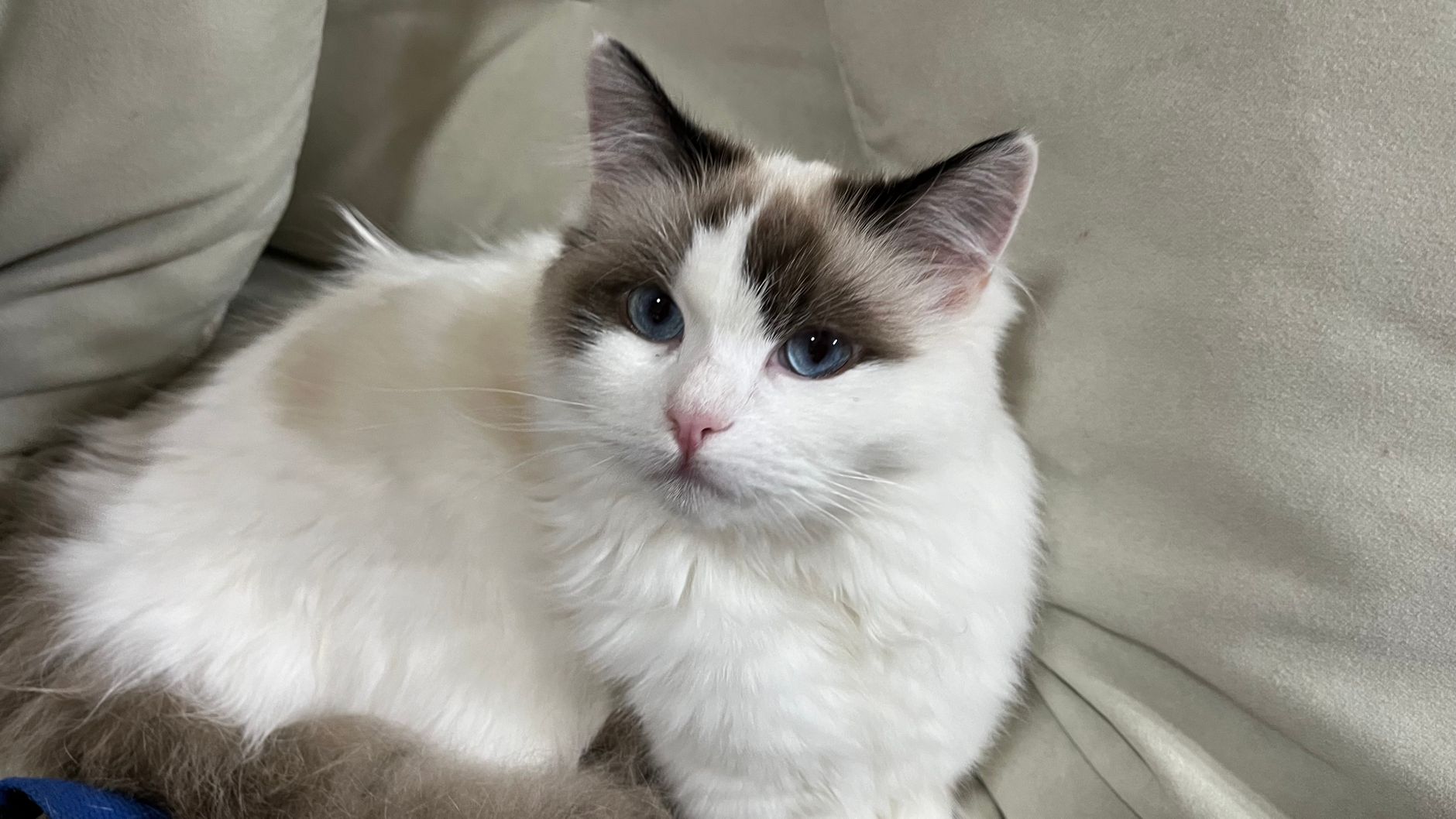
1. The Ragdoll: The Docile, Floppy Dream Cat
In my clinic, Ragdolls are famous for their unique physical reaction to being held. True to their name, they tend to go completely limp in your arms, melting into your chest with absolute trust.
I often tell my clients that if you want a cat that functions as a living, purring scarf, this is the breed for you.
From a clinical perspective, their docile nature means they handle veterinary exams with surprising ease. They rarely show aggression, preferring to de-escalate stress by simply relaxing.
However, this placid demeanor means they can easily hide pain, so regular wellness checks are vital.
Because they are so mellow, they are perfect for families with children or other pets. They do not startle easily and actively seek out human laps the moment you sit down.
- Going completely limp when picked up or held in your arms
- Following owners from room to room like a quiet, fluffy shadow
- Soft, chirping vocalizations to greet you when you arrive home
- Preferring low ground and comfortable laps over high shelves
A Note on Hypertrophic Cardiomyopathy (HCM)
Ragdolls are genetically predisposed to HCM, a serious heart condition. In my practice, I always recommend DNA testing for the genetic mutation before adoption to help us catch and manage this condition early.
2. The Sphynx: The Heat-Seeking Velcro Companion
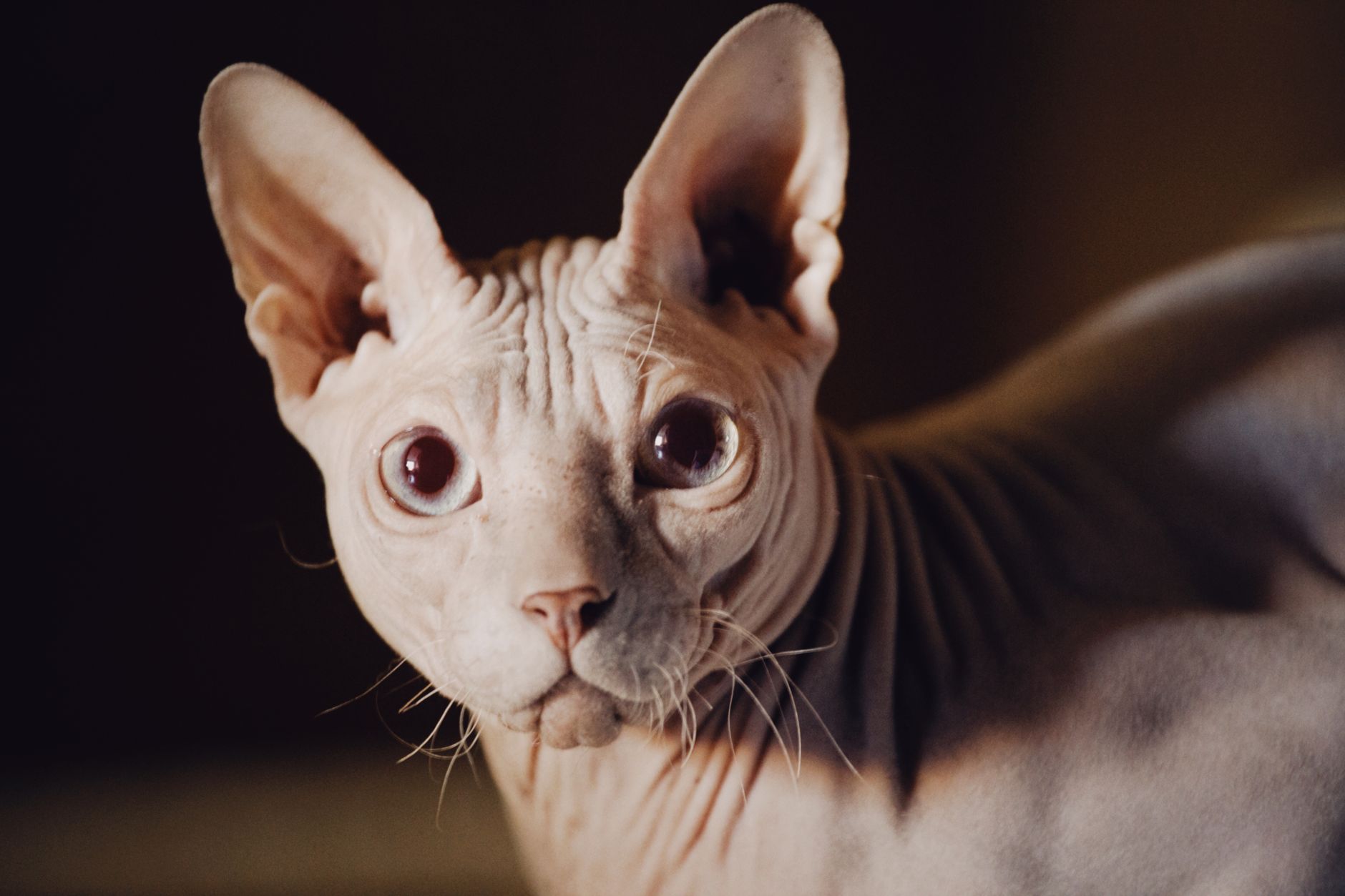
Do not let their hairless appearance fool you into thinking they are aloof. In fact, Sphynx cats are hands-down the most physically clingy breed I treat.
Because they lack a protective fur coat, their body temperature runs slightly higher, and they are constantly seeking external warmth.
In my exam rooms, a Sphynx will immediately climb up my lab coat to perch on my warm neck. They do not just tolerate physical contact; they actively demand it to regulate their body heat.
If you own a Sphynx, expect to share your bed, your sweaters, and your lap daily.
Their affectionate nature is also highly social and inquisitive. They love being the center of attention and will perform goofy antics just to keep your eyes—and hands—on them.
- An intense desire to crawl under blankets or inside your sweaters
- A warm, suede-like skin texture that radiates heat directly to your hands
- Extremely high energy levels combined with intense cuddle sessions
- Frequent, affectionate headbutting to mark you as their favorite human
The Reality of Hairless Skin Care
Sphynx cats secrete natural body oils that are normally absorbed by fur. Without it, they require weekly baths with gentle, vet-approved shampoo to prevent skin infections and stained furniture.
3. The Maine Coon: The Gentle Giants of Feline Love
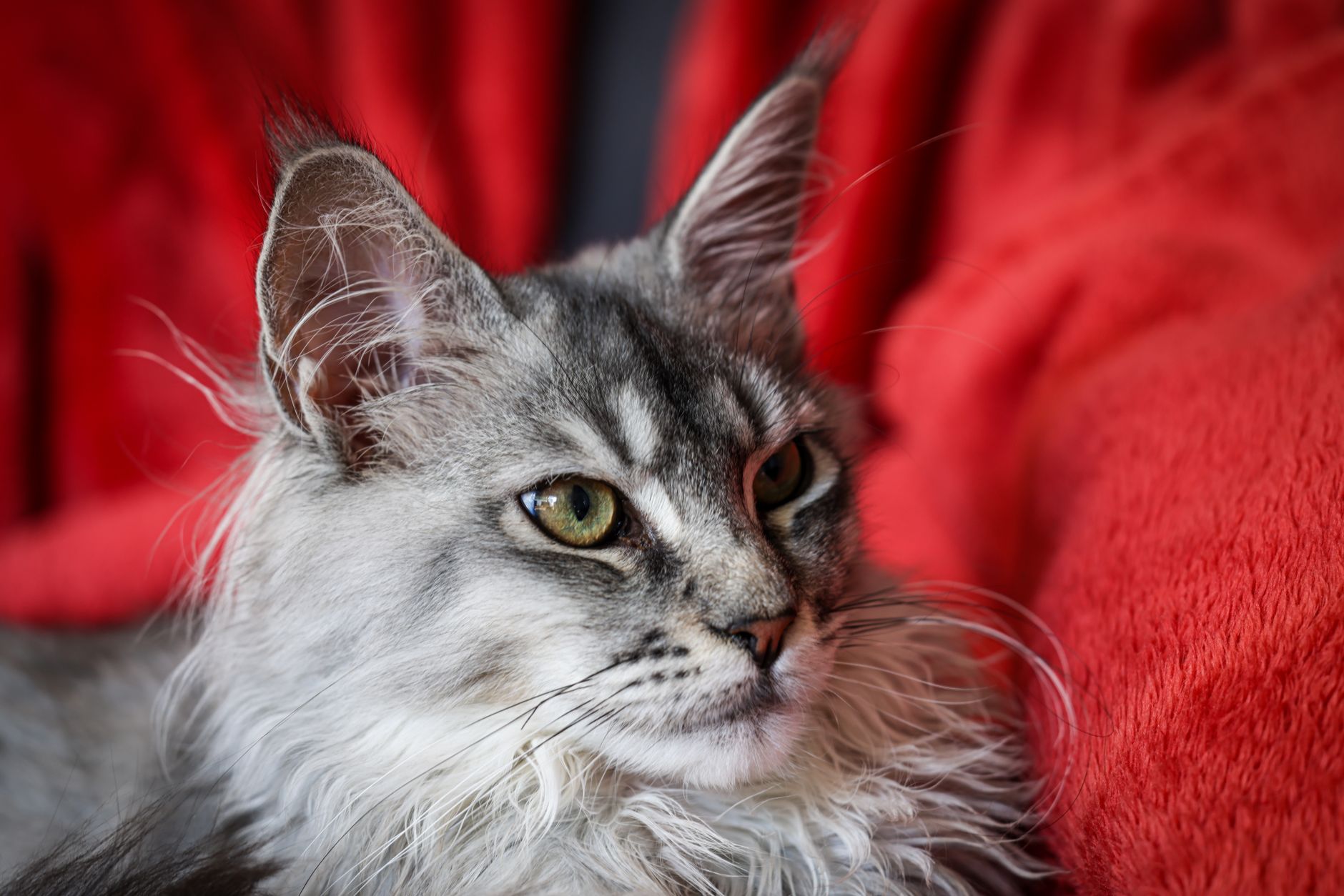
Maine Coons are the largest domesticated cat breed, but their hearts are even bigger than their massive frames. I often describe them as the ‘dogs of the cat world’ because of their loyal, people-oriented personalities.
They prefer to be in the same room as you, gently observing or leaning their heavy bodies against your leg.
In my practice, I find that Maine Coons show a very mature, companionable type of affection. They are rarely demanding or frantic, but they are incredibly consistent in their devotion.
They will happily curl up next to you on the couch, purring like a small outboard motor.
Because of their size, their displays of affection are hard to miss. A headbutt from a fifteen-pound Maine Coon is a serious, heartwarming gesture of true love.
- Quiet, trilling chirps used to converse with their owners throughout the day
- A habit of resting their chin or heavy paws on your arm while you work
- Extreme tolerance and patience with children and busy household environments
- A love for water, often dipping their paws in your glass while sitting with you
Monitoring Heavy Joints
Due to their massive size, Maine Coons are prone to hip dysplasia and arthritis. I always advise my clients to keep them at a lean, healthy weight and start joint supplements early in life.
4. The Burmese: The Unapologetic Attention Seekers
If you want a cat that respects your personal space, do not get a Burmese. These cats are intensely devoted to their humans and have zero concept of personal boundaries.
I often tell my clients that Burmese cats view humans as their personal, warm property.
In my clinical experience, Burmese cats are highly expressive and will literally cry if they feel ignored. They do not want to just sit near you; they want to sit directly on your chest, staring into your eyes.
They are incredibly soft, heavy, and warm, making them excellent therapy-style companions.
Their playful, kitten-like energy persists well into their senior years. This means their affection is dynamic, shifting from wild playtime to intense cuddle sessions in a matter of seconds.
- Insistent pawing at your hands or phone to demand petting
- Highly vocal, raspy purrs and meows to communicate their emotional needs
- A strong preference for sleeping directly on your pillow or chest
- A tendency to follow you into the bathroom and wait patiently outside
5. The Birman: The Serene, Gentle Soul
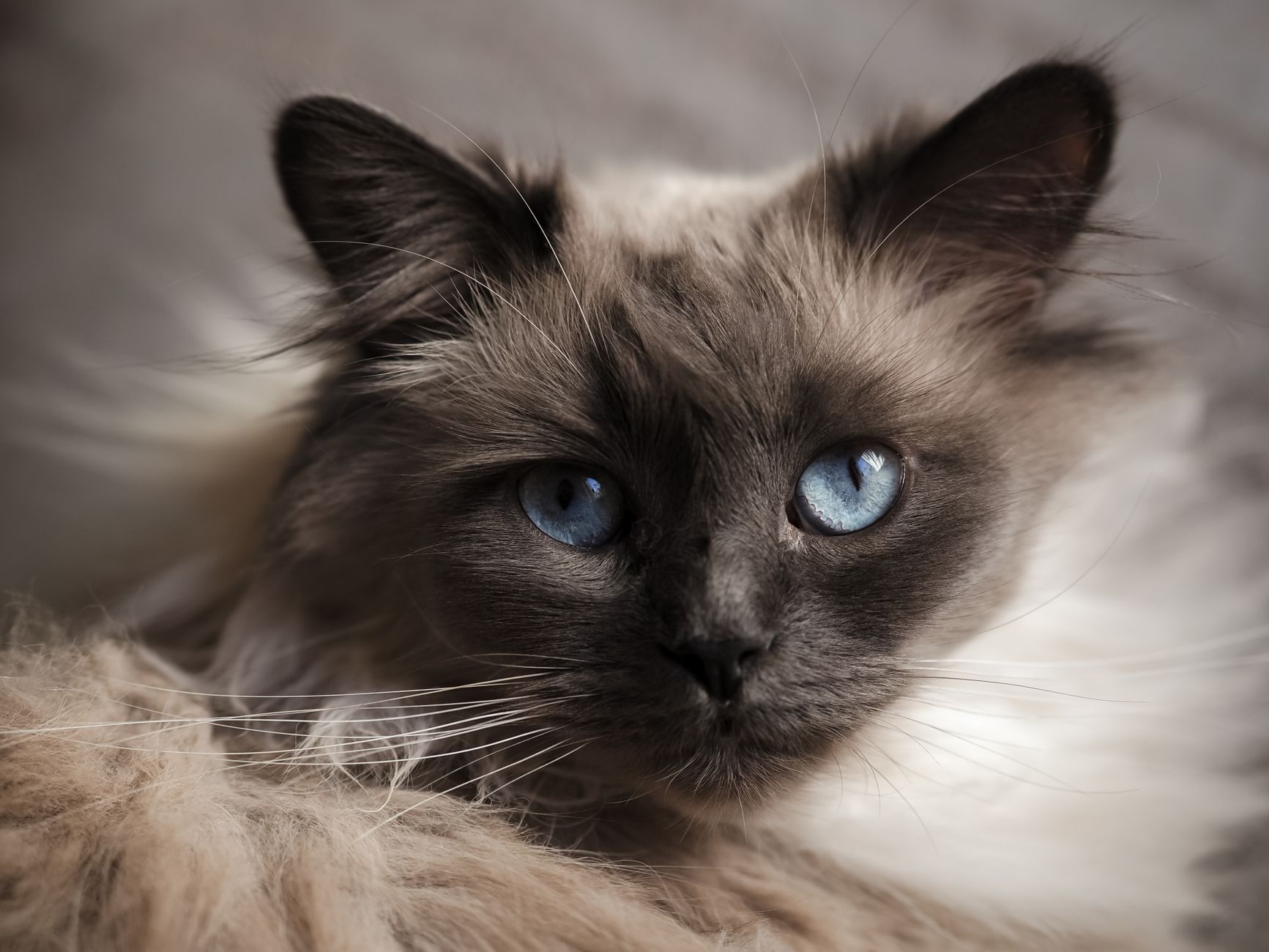
The Birman is a quiet, striking breed with deep blue eyes and silky pointed coats. While some cats show affection through high-energy play or constant vocalizing, the Birman shows love through quiet, steadfast companionship.
They are incredibly soft-spoken and have a calming presence that I find highly therapeutic.
When I treat Birmans in my clinic, I am always struck by their placid, cooperative temperaments. They do not get easily rattled by loud noises or busy waiting rooms.
Instead, they lean into their owners for comfort, demonstrating a deep, trusting bond.
They are highly adaptable and excel in quieter households where they can be the primary focus of attention. They will patiently wait for you to sit down so they can curl up in your lap for hours on end.
Preventing Feline Loneliness
Birmans are so people-oriented that they can become depressed if left alone for long periods. If you work long hours, I strongly recommend adopting them in bonded pairs to keep their spirits up.

6. The Siamese: The Passionate, Chatty Shadow
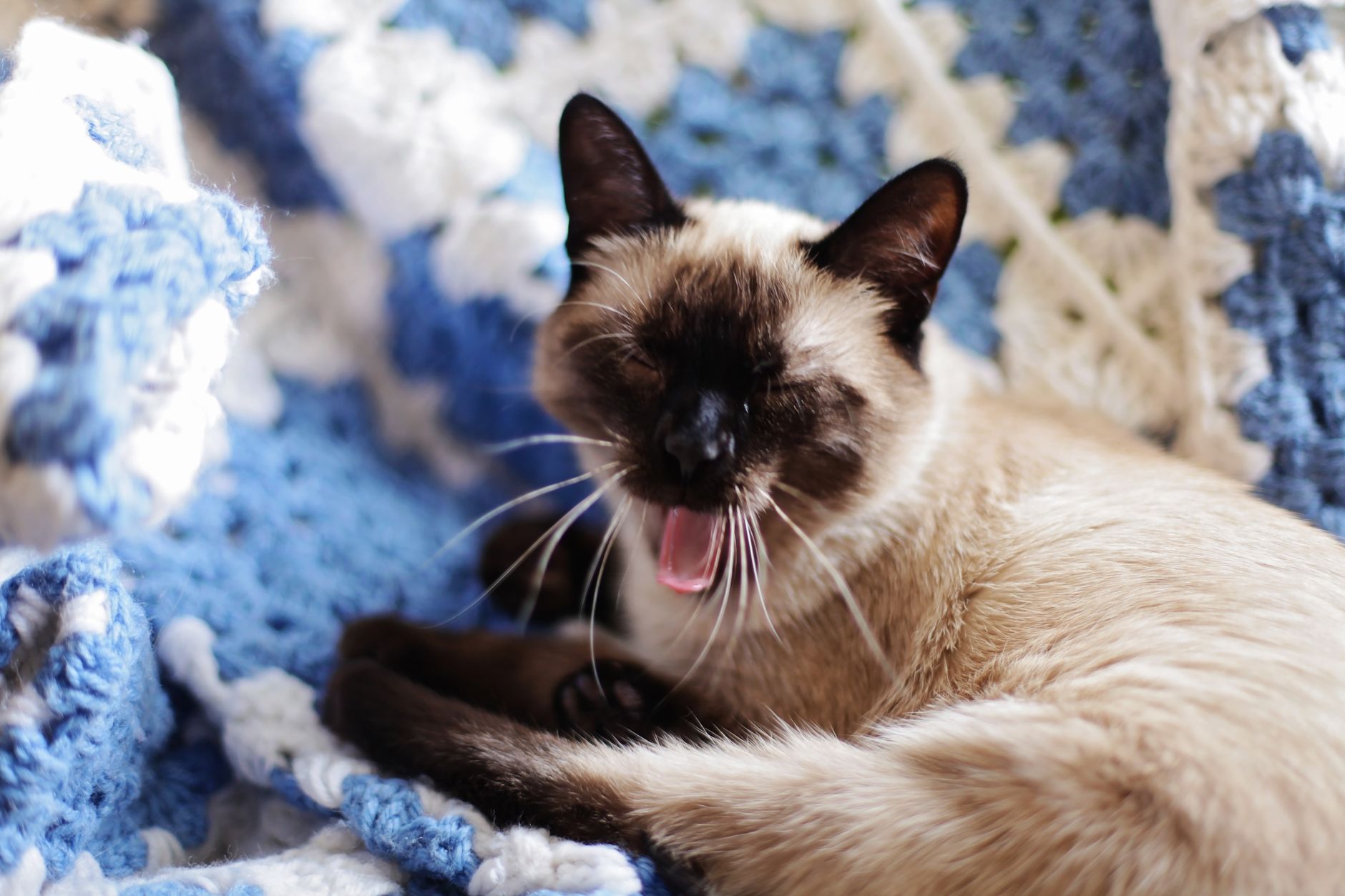
Siamese cats are famous for their distinct, loud voices, but they are equally famous for their profound devotion to their chosen humans. They do not spread their love around casually; they usually bond intensely with one or two key family members.
Once you are chosen by a Siamese, you have a friend for life.
What I see most often in practice is the sheer intelligence of this breed. They do not just want physical touch; they want active, mental engagement with you.
They will talk to you, fetch toys, and demand that you participate in their daily routines.
Their affection is highly active and expressive. They will wrap their paws around your neck, rub their cheeks against your face, and purr loudly enough to be heard in the next room.
- Loud, raspy meows that sound remarkably like a human infant demanding attention
- Using their paws to gently touch your face or direct your hands to pet them
- An intense, intelligent gaze that follows your every move across the room
- A strong desire to participate in whatever you are doing, from cooking to typing
Frequently Asked Questions
Are male or female cats more affectionate?
In my practice, I find that neutered males tend to be slightly more outgoing and physically affectionate than females. However, individual personality, early socialization, and breed play a much larger role than biological sex.
How do I know if my cat actually loves me?
Cats express love through subtle behaviors like slow-blinking, headbutting (bunting), purring, and keeping physical proximity. If your cat sleeps near you or exposes their belly when relaxed, they trust you completely.
Can an aloof cat be trained to be a lap cat?
You cannot force a naturally independent cat to love cuddles, but you can build trust slowly. Use high-value treats to reward them for sitting near you, and always let them initiate and end physical contact on their terms.
Do affectionate breeds get lonely easily?
Yes, highly affectionate breeds like the Burmese and Siamese are prone to separation anxiety. If you are away for long hours, providing interactive puzzle toys or adopting a second companion animal is highly recommended.
How can I make my kitten more affectionate as they grow?
Gentle, positive socialization between 2 and 7 weeks of age is critical. Handle their paws, rub their ears, and reward calm, cuddly behavior with healthy treats to build a strong, lifelong bond.
Sources & Further Reading
- The Cat Fanciers’ Association (CFA)
- Cornell University College of Veterinary Medicine
- PetMD
- International Cat Care
Final Thoughts
Welcoming a cat into your home is a deeply rewarding experience, especially when you find a breed that matches your emotional needs. While genetics provide a strong foundation for affection, remember that love is a two-way street that must be nurtured.
Providing a safe environment, proper veterinary care, and respecting your cat’s boundaries will bring out their sweetest side. Whether you choose a floppy Ragdoll or a chatty Siamese, the bond you build will be entirely unique.
Treat them with patience, and they will reward you with a lifetime of purrs and warm cuddles.