
Bulldog Breed Guide

Quick Summary
The Bulldog is a deeply affectionate, delightfully goofy companion known for its calm demeanor and steadfast loyalty. Ideal for apartment dwellers and families seeking a low-energy sidekick, this breed thrives on human companionship but requires diligent care to manage its unique anatomical and health needs.
Quick Facts
- origin countryUnited Kingdom
- breed groupNon-Sporting Group (AKC)
- sizeMedium
- weight range40 to 50 lbs (18 to 23 kg)
- height range14 to 15 inches (36 to 38 cm)
- lifespan8 to 10 years
- coat typeShort, smooth, and glossy
- common colorsBrindle, white, red, fawn, fallow, piebald
- other namesEnglish Bulldog, British Bulldog
- recognized byAKC, UKC, KC (UK)
Caring for a Bulldog
Living with a Bulldog is a lesson in slow-paced devotion; they are the ultimate homebodies who love nothing more than a soft sofa and a cool breeze. Because of their brachycephalic (flat-faced) structure, you must actively protect them from overheating and overexertion. I’ve found that keeping a strict daily routine for skin wrinkle cleaning is non-negotiable to prevent painful infections. They are low-maintenance regarding exercise but high-maintenance regarding daily hygiene and environmental temperature controls.
Is a Bulldog a good family pet?
Yes, Bulldogs are exceptional family pets known for their gentle, patient, and highly protective nature around children. They form strong bonds with all family members and are generally very tolerant of kids’ high-energy play, though supervision is always recommended.
Do Bulldogs shed a lot?
Despite their short coats, Bulldogs shed a moderate amount year-round, which peaks during seasonal changes. Regular brushing with a rubber curry brush twice a week will easily keep the dead hair under control and off your furniture.
Is a Bulldog good for first-time owners?
While their sweet temperament is forgiving, I don’t always recommend them to complete beginners due to their complex medical and grooming needs. A novice owner must be prepared for the financial commitment of veterinary care and the daily discipline of cleaning their skin folds.
Temperament & Personality
Bulldogs possess a unique blend of stubborn determination and sweet, goofy affection. They are incredibly people-oriented, often acting like giant lap dogs who have no concept of their own substantial weight. In my years of working with them, I’ve noticed they rarely show aggression, preferring to resolve conflicts with a stoic, unbothered attitude. However, once they make up their mind about something, changing it requires patience and a pocket full of high-value treats.
Is a Bulldog good with other pets?
Generally, yes; they tend to get along well with other household dogs and cats when properly socialized from a young age. Some intact males can exhibit same-sex dog aggression, so early socialization and neutering are key steps I always advise.
How much attention does a Bulldog need?
They are highly social dogs that thrive on human presence and can develop separation anxiety if left alone for long periods. They don’t need constant physical play, but they absolutely need to be in the same room as you, ideally leaning against your legs.
Training & Behavior
Training a Bulldog requires a good sense of humor and absolute consistency, as their reputation for stubbornness is well-earned. They are intelligent but motivated entirely by ‘what’s in it for me,’ meaning traditional forceful methods will cause them to shut down completely. I’ve found that short, fun training sessions lasting no more than five to ten minutes work best to keep their limited attention span engaged. Focus heavily on positive reinforcement and early socialization to prevent resource guarding, which can occasionally occur.
Training Tips
- Keep sessions brief and fun
- Use high-value, smelly treats
- Avoid repetitive, boring drills
- Start crate training early
- Be patient but highly consistent
Fun Activities
- Short scent work games
- Low-impact trick training
- Leisurely neighborhood sniffari walks
- Stuffed puzzle toy solving
- Gentle tug-of-war
Is a Bulldog easy to train?
No, they are generally considered moderately difficult to train due to their independent streak and low motivation to please. However, using positive reinforcement, patience, and irresistible treats like freeze-dried liver will yield great results over time.
Bulldog Health Issues

The Bulldog is a structurally extreme breed, meaning they face a higher number of inherited health challenges than the average dog. Responsible ownership requires working closely with a veterinarian who understands brachycephalic breeds and maintaining pet insurance from day one.
Brachycephalic Obstructive Airway Syndrome (BOAS)
A combination of physical abnormalities including stenotic nares (narrow nostrils) and an elongated soft palate, which severely restricts airflow.
Hip and Elbow Dysplasia
Genetic malformation of the joint sockets, leading to painful arthritis, joint wear, and lameness over time.
Cherry Eye
The prolapse of the gland of the third eyelid, causing a red, swollen mass to protrude from the inner corner of the eye.
Skin Fold Dermatitis
Infections caused by trapped moisture, friction, and bacteria or yeast within the deep facial and tail folds.
Patellar Luxation
A condition where the kneecap slips out of its normal anatomical groove, common in medium and small breeds.
Hypothyroidism
Underactive thyroid gland leading to a slow metabolism, which can exacerbate the breed’s natural tendency toward obesity.
How long do Bulldogs typically live?
Bulldogs have a shorter lifespan compared to other breeds of their size, typically living 8 to 10 years. You can maximize their years by keeping them lean, protecting them from heatstroke, and staying ahead of chronic inflammatory conditions.
What to Feed a Bulldog
Bulldogs are notorious food lovers with a slow metabolism, making them highly prone to obesity, which puts dangerous pressure on their joints and respiratory systems. I always advise owners to treat every calorie seriously and use a kitchen scale to weigh meals rather than guessing with a measuring cup.
Best Diet
A high-quality, lean kibble formulated for medium-sized dogs is ideal, preferably with added joint support like glucosamine and chondroitin. Because of their flat faces, kibbles with a unique shape (like three-sided or clover shapes) are easier for them to pick up and chew.
How to Feed
Divide their daily food into two equal meals to prevent bloat and maintain steady blood sugar levels. Avoid using elevated bowls unless recommended by your vet, as flat-faced breeds can swallow excessive air, leading to flatulence and gas.
How Much to Feed
Generally, an adult Bulldog requires 1,000 to 1,300 calories daily, which translates to roughly 2 to 3 cups of high-quality dry food per day. This varies greatly by individual activity levels and age, so always consult your vet to tailor portions.
Nutritional Tips
Incorporate omega-3 fatty acids (like wild-caught salmon oil) to support their skin barrier and reduce joint inflammation. Limit treats to 10% of their daily intake, and use low-calorie options like green beans or baby carrots.
Bulldog Grooming Guide
While they don’t require fancy haircuts, Bulldogs demand consistent, daily maintenance to keep their skin healthy. It is a hands-on commitment that, if neglected, quickly leads to painful, costly veterinary visits.
Coat Care
Brush their short coat twice a week with a rubber grooming mitt or a soft bristle brush to remove dead hair and distribute natural skin oils. Bathe them every 4 to 6 weeks using a gentle, hypoallergenic oatmeal-based shampoo, ensuring they are completely dried afterward.
Skin Care
Wipe out their facial wrinkles and tail pocket daily using unscented, alcohol-free grooming wipes, then dry the areas thoroughly with a clean cloth to prevent yeast infections.
Eye Care
Wipe away tear stains daily with a damp, soft cloth to prevent bacterial growth and staining around their eyes.
Ear Care
Clean their ears weekly with a veterinarian-approved ear cleaner to remove wax buildup, keeping an eye out for redness or yeast odors.
Nail & Dental Care
Trim their nails every 3 to 4 weeks using a heavy-duty grinder, and brush their teeth daily with dog-safe enzymatic toothpaste to combat rapid tartar buildup.
Considerations for Pet Parents
Pros
- Extremely loyal and affectionate family companion
- Low-energy level makes them perfect for apartment living
- Gentle, patient, and highly tolerant of children
- Minimal barking compared to other watchdog breeds
- Relatively low daily exercise requirements
Cons
- Highly prone to complex and expensive health issues
- Extremely sensitive to hot and humid weather
- Prone to heavy snoring, wheezing, and flatulence
- Requires daily skin wrinkle and tail pocket cleaning
Best For
A Bulldog is best for indoor-oriented owners, apartment dwellers, or families who can commit to daily grooming routines and have the financial flexibility to manage potentially high veterinary expenses.
Not Recommended For
I do not recommend this breed for outdoor enthusiasts, those living in extremely hot or humid climates without air conditioning, or anyone who expects a highly active, athletic running partner.
Cost
- purchase price$1,500 to $4,500 USD
- monthly cost$150 to $300 USD (excluding major medical events)
- initial setupBudget at least $800 to $1,500 for initial crate, high-quality harness, cooling mats, and first-year vet visits, plus high-tier pet insurance.
Similar Breeds

French Bulldog
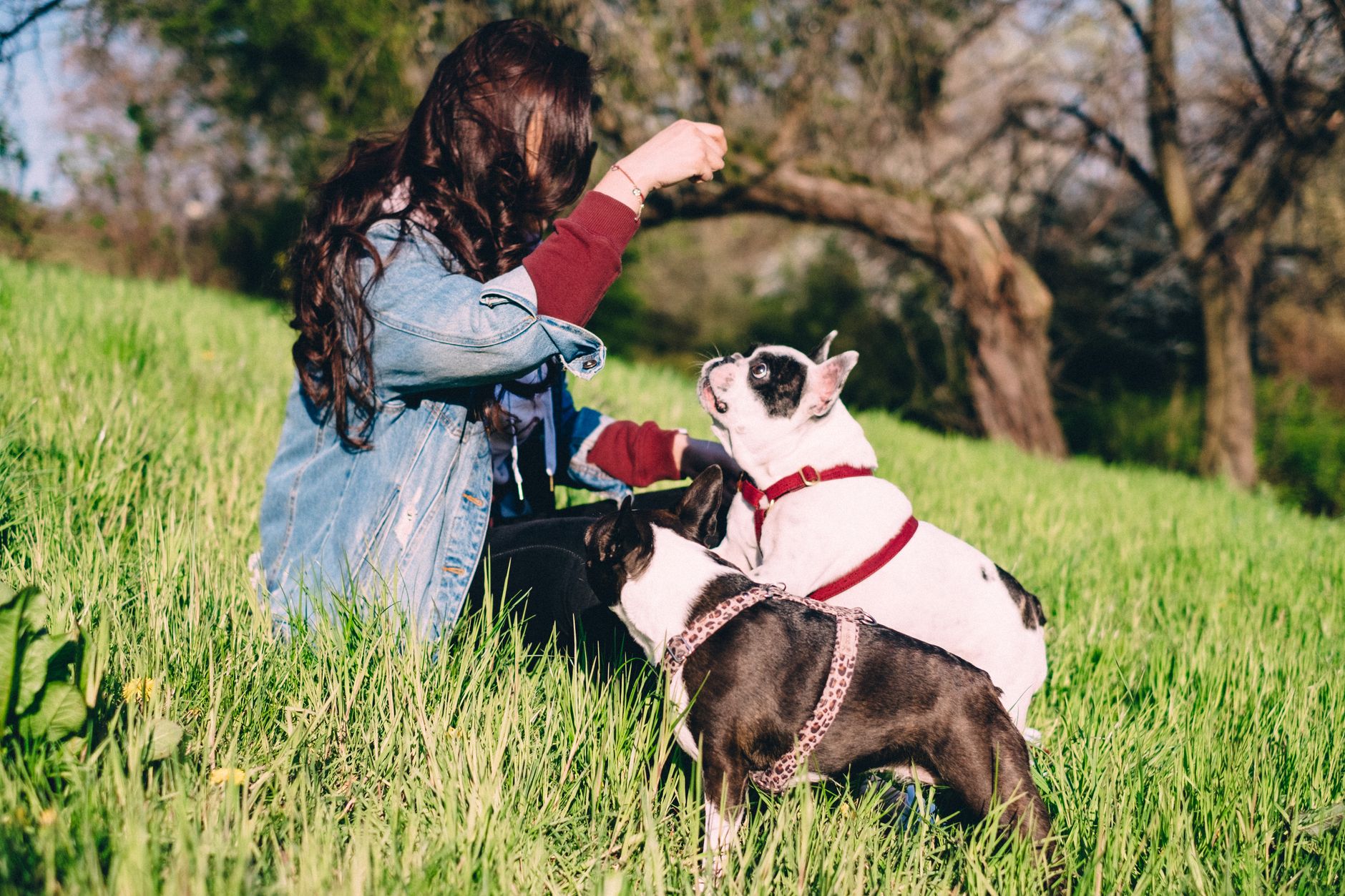
Boston Terrier
Bulldog FAQs
Why do Bulldogs fart so much?
Bulldogs are brachycephalic, meaning they swallow a lot of air when they eat and breathe, which naturally escapes as gas. Feeding them a high-quality, easily digestible diet and using slow feeder bowls can help reduce flatulence.
Can Bulldogs swim?
No, Bulldogs are anatomically incapable of swimming due to their dense, heavy bones, large heads, and short legs. They will sink quickly, so they must always wear a life jacket around pools, lakes, or beaches.
How do I keep my Bulldog cool in the summer?
Keep your Bulldog in an air-conditioned room, limit outdoor activities to early morning or late evening, and use cooling mats. Never leave them outside in hot weather, as they can succumb to heatstroke in minutes.
Why does my Bulldog have a ‘tail pocket’ and how do I clean it?
Many Bulldogs have a tight indentation under their tail known as a tail pocket. You must wipe this pocket out daily with a damp wipe and dry it thoroughly to prevent painful yeast and bacterial infections.
Are Bulldogs aggressive?
Despite their historical origins in bull-baiting, modern Bulldogs are bred to be exceptionally gentle, calm, and friendly. They are rarely aggressive, though early socialization is still crucial for a well-rounded pet.
Why does my Bulldog snore so loudly?
Their short, flat faces mean they have compressed airways, resulting in heavy snoring, snorting, and wheezing. While some snoring is normal for the breed, sudden increases in noise or labored breathing should be evaluated by a vet.
How much exercise does a Bulldog need?
They only need about 20 to 30 minutes of low-impact exercise daily, split into two short, leisurely walks. Avoid running or intense play, especially during warm or humid days.
What is ‘cherry eye’ in Bulldogs?
Cherry eye is a common condition where the gland of the third eyelid prolapses, appearing as a red, fleshy mass in the corner of the eye. It usually requires a simple surgical procedure by a vet to reposition the gland.
Do Bulldogs drool a lot?
Yes, their loose flews (lips) make them prone to drooling, especially after drinking water, eating, or during excitement. I always keep a ‘slobber cloth’ handy around the house to wipe their faces.
Can Bulldogs live in hot climates?
They can, but only if they have constant access to 24/7 air conditioning and are kept strictly indoors during the heat of the day. If you cannot provide air conditioning, this is not the right breed for you.
Why is my Bulldog scratching their face?
This is usually a sign of trapped moisture, yeast, or bacteria inside their facial wrinkles, or an underlying food or environmental allergy. Clean their wrinkles immediately and consult your vet if the scratching continues.
How do I stop my Bulldog from chewing on furniture?
Bulldogs have strong jaws and love to chew, so provide them with durable, heavy-duty rubber chew toys. Redirect unwanted chewing to these toys immediately and ensure they have plenty of mental stimulation.
Do Bulldogs suffer from separation anxiety?
Yes, they form incredibly strong bonds with their owners and can become highly distressed when left alone. Gradual crate training and leaving them with puzzle toys can help build their confidence.
Why do Bulldogs need C-sections to give birth?
Due to their selectively bred anatomy—specifically their massive heads and narrow hips—nearly 80% to 90% of Bulldog litters must be delivered via planned Caesarean section to ensure the safety of the mother and puppies.