
Staffordshire Bull Terrier Care: Exercise, Diet and Socialization
 Staffordshire Bull Terrier Care: Exercise, Diet and Socialization” loading=”lazy”>
Quick Summary
Staffordshire Bull Terriers are muscular, affectionate dogs that require dedicated care to thrive. To ensure their long-term health, owners must balance structured, low-heat physical exercise with strict weight management to protect their joints. Early, positive-association socialization and proactive management of genetic skin and joint conditions are key to raising a happy, stable Staffy.
As an Amazon Associate, we earn from qualifying purchases.
Popular with dog owners: Puzzle Toys · Orthopedic Dog Bed · Hip & Joint Supplement
In my fifteen years as a veterinarian, few breeds have stolen my heart quite like the Staffordshire Bull Terrier.
Often misunderstood due to their powerful, muscular build, ‘Staffies’ are actually some of the most affectionate, people-oriented dogs I treat in my practice.
However, their physical strength and high energy levels mean they require deliberate, informed care. Today, I want to share my clinical insights on tailoring their exercise, diet, and socialization for a long, healthy life.
Key Takeaways
- Staffordshire Bull Terriers require structured daily exercise but are highly prone to overheating due to their muscle density and shorter airways.
- A diet rich in high-quality protein with controlled fat content is vital to prevent obesity and protect their joints from dysplasia.
- Early, positive-association socialization is non-negotiable to manage their naturally high prey drive and potential dog-directed reactivity.
- They are genetically predisposed to specific health conditions like L-2-HGA, hereditary cataracts, and severe atopic skin allergies.
- Mental stimulation through puzzle toys and heavy-duty chew items is just as important as physical exercise to prevent destructive behaviors.
In This Article
- Physical Exercise and the Risk of Exertional Heatstroke
- Diet, Joint Health, and Weight Management
- The Critical Window of Early Socialization
- Managing Prey Drive and Dog-Directed Reactivity
- Breed-Specific Genetic Conditions to Monitor
- Mental Stimulation and Combating Separation Anxiety
- Skin Care and Allergen Management
Physical Exercise and the Risk of Exertional Heatstroke
Staffies are high-energy athletes packed into a compact frame. In my clinic, I frequently treat Staffies for acute heat exhaustion because their enthusiasm often overrides their self-preservation.
Because of their dense muscle mass and slightly shortened skull structure, they do not cool down as efficiently as other breeds. I advise clients to limit intense physical activity when temperatures exceed 75 degrees Fahrenheit.
- Provide 45 to 60 minutes of daily physical exercise, split into cooler morning and evening sessions.
- Avoid intense fetch games during midday heat, as Staffies will literally run themselves into heatstroke.
- Always carry fresh water and a collapsible bowl, offering small sips every 15 minutes during activity.
- Invest in a cooling vest or utilize wet towels if you must be outdoors during warmer months.
Outward Hound Nina Ottosson Tower of Treats Puzzle
- ✓Level 4 expert puzzle
- ✓Dogs unlock each layer to find treats
- ✓Mental workout that beats boredom
- Food puzzles turn mealtime into a brain game, burning mental energy in clever, easily bored pets
Recognizing Heatstroke in Your Staffy
A Staffy experiencing heatstroke is a medical emergency. You must act immediately before organ damage occurs.
- Dark red, tacky, or dry gums
- Excessive, thick drool and heavy, frantic panting
- Vomiting or bloody diarrhea
- Glazed eyes and unsteadiness on their feet

Diet, Joint Health, and Weight Management
In my practice, I often see Staffies carrying an extra three to five pounds. While that might not sound like much, on a thirty-five-pound dog, it is a massive strain on their skeletal frame.
This breed is structurally prone to hip dysplasia, elbow dysplasia, and cranial cruciate ligament (CCL) tears. Keeping your Staffy lean is the single most effective way to protect their joints and extend their lifespan.
- Feed a high-quality, meat-first kibble formulated for active, medium-sized breeds.
- Strictly measure every meal using a standard measuring cup, rather than eye-balling the portion.
- Incorporate joint supplements containing glucosamine, chondroitin, and green-lipped mussel early in life.
- Limit treats to no more than ten percent of their daily caloric intake, opting for baby carrots or green beans.
The Critical Window of Early Socialization
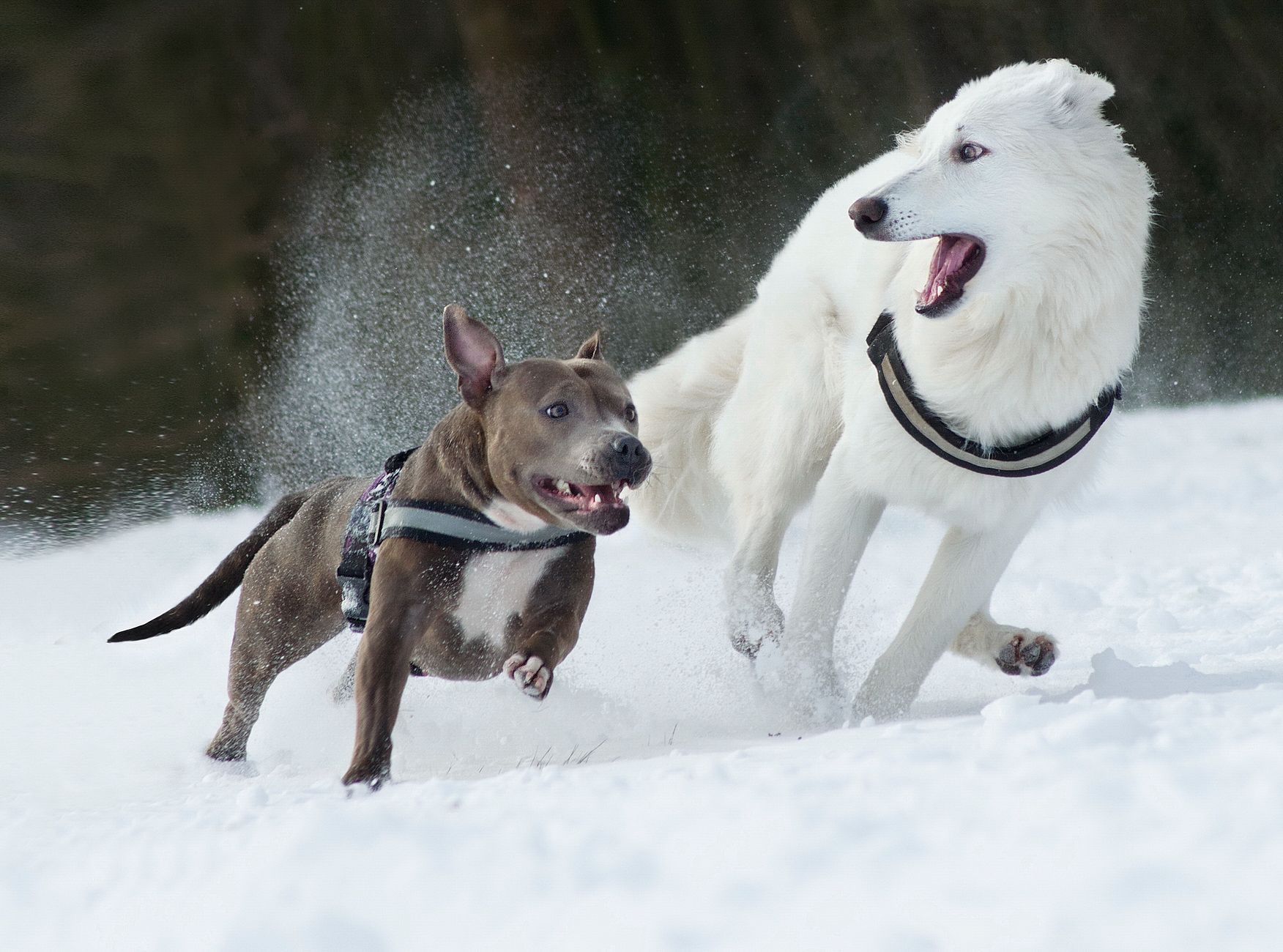
From a clinical behavioral perspective, the socialization window between 3 and 16 weeks of age is paramount. Staffies are naturally people-oriented, but they can develop dog-directed reactivity if not carefully guided.
I always tell my clients that socialization does not mean letting your puppy play with every dog they see. It means teaching your Staffy to remain calm and neutral in the presence of other animals and novel stimuli.
- Expose your puppy to at least twenty different types of people, sounds, and surfaces during the golden socialization window.
- Prioritize controlled, one-on-one playdates with vaccinated, socially mature, well-behaved adult dogs.
- Avoid dog parks, as one negative or aggressive interaction can traumatize a sensitive young Staffy for life.
- Use high-value treats like freeze-dried liver to build positive associations with veterinary handling and grooming.
PETSTA Treat-Dispensing Dog Puzzle Toy
- ✓Spin, slide and seek-and-hide games
- ✓Squeak button in the middle
- ✓Mental enrichment for bored dogs
- Food puzzles turn mealtime into a brain game, burning mental energy in clever, easily bored pets

Managing Prey Drive and Dog-Directed Reactivity
We must respect the genetic heritage of the Staffordshire Bull Terrier. Historically bred for bull-baiting and pit sports, they possess an inherently high prey drive and can easily over-arouse.
In my years treating this breed, I have found that reactive behavior is rarely born from malice, but rather from frustration or fear. Proper leash training and threshold management are absolute requirements for responsible ownership.
- Use a high-quality, front-clip harness to redirect their forward momentum safely.
- Train a bulletproof ‘look at me’ command to redirect their attention before they lock onto a trigger.
- Keep a safe distance from other dogs on walks to stay below your dog’s reactivity threshold.
- Never punish growling, as this removes their warning signal and can lead to unexpected bites.
Why Traditional Punishment-Based Training Fails
Staffies are incredibly sensitive to human emotions. Using slip leads, choke chains, or prong collars on a Staffy can exacerbate reactivity and damage their windpipe.
Breed-Specific Genetic Conditions to Monitor
Responsible breeding has reduced many genetic diseases, but there are still several conditions I screen for in my clinic. When choosing a Staffy puppy, always ask the breeder for official health clearances.
If you have rescued a Staffy, I highly recommend running a canine DNA health panel. Early detection of genetic predispositions allows us to implement preventative treatment plans.
- L-2-hydroxyglutaric aciduria (L-2-HGA), a devastating neurometabolic disorder causing seizures and ataxia.
- Hereditary Cataracts (HC), which can lead to juvenile blindness if both parents carry the mutated gene.
- Atopic Dermatitis, a chronic inflammatory skin disease triggered by environmental allergens.
- Persistent Hyperplastic Primary Vitreous (PHPV), a congenital eye defect that must be screened by a veterinary ophthalmologist.

Mental Stimulation and Combating Separation Anxiety
Staffies are incredibly intelligent and emotionally sensitive dogs. Because they bond so intensely with their human families, they are highly prone to separation anxiety.
When a Staffy gets bored or anxious, their powerful jaws can decimate dry wall or a sofa in minutes. Mental exercise is just as exhausting as physical exercise and is crucial for their emotional stability.
- Provide tough, durable puzzle toys and stuffed Kongs frozen with peanut butter or wet food to keep them occupied.
- Incorporate daily training sessions of 10 to 15 minutes to keep their minds sharp and build their confidence.
- Practice short, graduated departures from day one to teach them that your absence is temporary and safe.
- Provide veterinary-approved heavy chews, like synthetic chew bones, to safely satisfy their intense urge to gnaw.

Skin Care and Allergen Management
If there is one thing I treat Staffies for more than anything else, it is skin issues. Their short, single coat offers very little protection against environmental allergens, yeast, and bacterial infections.
I regularly diagnose Staffies with atopic dermatitis, food allergies, and contact allergies. If your dog is constantly licking their paws or scratching their belly, they are likely suffering from chronic inflammation.
- Wipe your Staffy’s paws and belly with hypoallergenic wet wipes after every walk to remove pollen and grass.
- Bathe them with a veterinarian-prescribed medicated shampoo containing chlorhexidine or ketoconazole if they are prone to infections.
- Consider a high-quality omega-3 fish oil supplement to support and repair the natural skin barrier.
- Consult your veterinarian about modern allergy therapies like Apoquel or Cytopoint if seasonal itching becomes severe.
-
BFPETHOME Orthopedic Washable Large Dog BedSupportive foam cushions hips and joints, ideal for large, senior or dysplasia-prone dogs
-
Nutramax Cosequin Joint Supplement for DogsGlucosamine and chondroitin chews support cartilage and mobility, especially in large, senior and dysplasia-prone dogs
-
Gobeigo 2-Cup Magnetic Treat Pouch with ClickerA clip-on treat pouch keeps rewards at hand so you can mark good behaviour instantly
Related Dog Guides
Frequently Asked Questions
How much exercise does a Staffordshire Bull Terrier need daily?
A healthy adult Staffy needs about 45 to 60 minutes of physical exercise daily, split into morning and evening sessions. This should be paired with plenty of mental enrichment, like puzzle toys or obedience training, to prevent destructive behaviors.
Are Staffies prone to skin allergies?
Yes, they are highly susceptible to atopic dermatitis and food allergies due to their short single coat and genetic predispositions. You will often see them licking their paws, scratching their armpits, or developing red, inflamed skin on their bellies.
Can Staffordshire Bull Terriers live peacefully with other dogs and cats?
Yes, but it requires diligent, early socialization and a realistic understanding of their high prey drive. While many Staffies live harmoniously with other family pets, they should always be supervised, and introductions must be handled gradually and safely.
Why is my Staffy panting so heavily after a short walk?
Staffies have dense muscle mass and slightly shortened airways, making it difficult for them to regulate their body temperature. Heavy, frantic panting can be an early warning sign of heatstroke, so you should move them to an air-conditioned room and offer cool water immediately.
What is L-2-HGA, and should I test my Staffy for it?
L-2-HGA is a genetic neurometabolic disorder specific to Staffies that causes seizures, tremors, muscle stiffness, and behavioral changes. Yes, you should absolutely screen for it via a DNA test, or ensure your breeder has provided clear DNA certificates for both parent dogs.
How long do Staffordshire Bull Terriers typically live?
With proper nutrition, regular veterinary care, and appropriate exercise, Staffies typically have a lifespan of 12 to 14 years. Keeping them at a lean, healthy weight is one of the most critical factors in ensuring they reach their senior years comfortably.
Sources & Further Reading
Final Thoughts
Caring for a Staffordshire Bull Terrier is an incredibly rewarding journey, but it requires a dedicated, proactive owner. By keeping them lean, managing their body temperature, prioritizing positive socialization, and staying on top of their skin health, you can prevent the most common clinical issues I see in my practice.
These dogs are fiercely loyal and live to please their humans. Give them the structured care they need, and they will reward you with boundless love and companionship for years to come.
If you ever have concerns about your Staffy’s joints, skin, or behavior, never hesitate to reach out to your local veterinarian for guidance.