
Turkish Angora Breed Guide

Quick Summary
The Turkish Angora is a highly intelligent, elegant, and energetic companion that thrives on human interaction and interactive play. Perfect for active households, these ‘velcro’ cats love to supervise your daily routine from the highest point in the room and form incredibly deep bonds with their chosen families.
Quick Facts
- origin countryTurkey
- breed groupNatural Breed
- sizeMedium
- weight range5 to 10 pounds (Females: 5-8 lbs, Males: 7-10 lbs)
- height range9 to 12 inches
- lifespan12 to 18 years
- coat typeSemi-long, silky single coat with no undercoat
- common colorsWhite is historically prized, but they also come in black, blue, red, cream, tortoiseshell, and various tabby patterns
- other namesAnkara Kedisi
- recognized byCFA, TICA, FIFe, ACFA
Caring for a Turkish Angora
Living with a Turkish Angora is an interactive, highly engaging experience. In my years working with them, I’ve found they do not tolerate being ignored; they want to participate in every household activity, from sitting on your shoulders as you work to investigating the groceries. You must provide them with vertical space, such as sturdy cat trees or wall perches, to satisfy their intense climbing instincts. Providing a mix of mental stimulation and physically demanding play is non-negotiable for keeping this clever breed out of mischief.
Is a Turkish Angora a good family pet?
Absolutely, they thrive in active family environments and form deep bonds with all family members. I always tell families that these cats love to be the center of attention, making them great playmates for respectful children who know how to play gently.
Do Turkish Angoras shed a lot?
They shed moderately, but because they have a single coat with no dense undercoat, it is much easier to manage than other long-haired breeds. I’ve found that a quick weekly combing is usually all it takes to keep their silky coat free of mats and minimize loose fur around the house.
Is a Turkish Angora good for first-time owners?
They can be, but only if the owner is prepared for an incredibly active, needy, and highly intelligent cat. If you are looking for a quiet, low-maintenance lap cat that sleeps all day, this energetic breed will likely overwhelm you.
Temperament & Personality
The Turkish Angora is a fascinating mix of regal elegance and childlike playfulness. They are intensely curious, extroverted, and highly vocal when they want to communicate their desires to you. I’ve noticed they have a unique way of ‘supervising’ their humans, often perching on high doors or shoulders to watch your every move. They are incredibly loving, but they do expect that love to be a two-way street, demanding affection and playtime on a daily basis.
Is a Turkish Angora good with other pets?
Yes, they generally get along very well with other cats and cat-friendly dogs, often establishing themselves as the undisputed ‘boss’ of the household. In my experience, they prefer having a playmate over being left alone, provided proper, slow introductions are made.
How much attention does a Turkish Angora need?
They need a high amount of daily interaction and do not do well when left alone for long periods. If you work long hours, I strongly recommend getting them a feline companion or providing plenty of automated, interactive puzzle toys to keep their active minds occupied.
Training & Behavior
Training a Turkish Angora is an absolute joy because of their high-level problem-solving skills and desire to interact. They are frequently compared to dogs due to their ability to learn tricks, fetch toys, and walk on a harness and leash. However, their intelligence can be double-edged; I’ve seen many Angoras teach themselves how to open cabinets, turn on faucets, and open doors if they feel like exploring.
Training Tips
- Use positive reinforcement and high-value treats like freeze-dried chicken.
- Keep training sessions short, fast-paced, and fun to prevent boredom.
- Incorporate clicker training to teach complex tricks like ‘sit’, ‘high-five’, or ‘spin’.
- Baby-proof your cabinets and doors early, as they will quickly figure out how to open them.
Fun Activities
- Leash training and outdoor exploration in safe areas
- Playing fetch with crinkle balls or lightweight springs
- Navigating custom-built indoor agility or obstacle courses
- Solving advanced level 3 food puzzle toys
- Splashing in shallow water or playing with dripping faucets
Is a Turkish Angora easy to train?
Yes, they are highly trainable and eager to learn when motivated by play or treats. I’ve found that they pick up basic commands and trick training much faster than the vast majority of other cat breeds.
Turkish Angora Health Issues
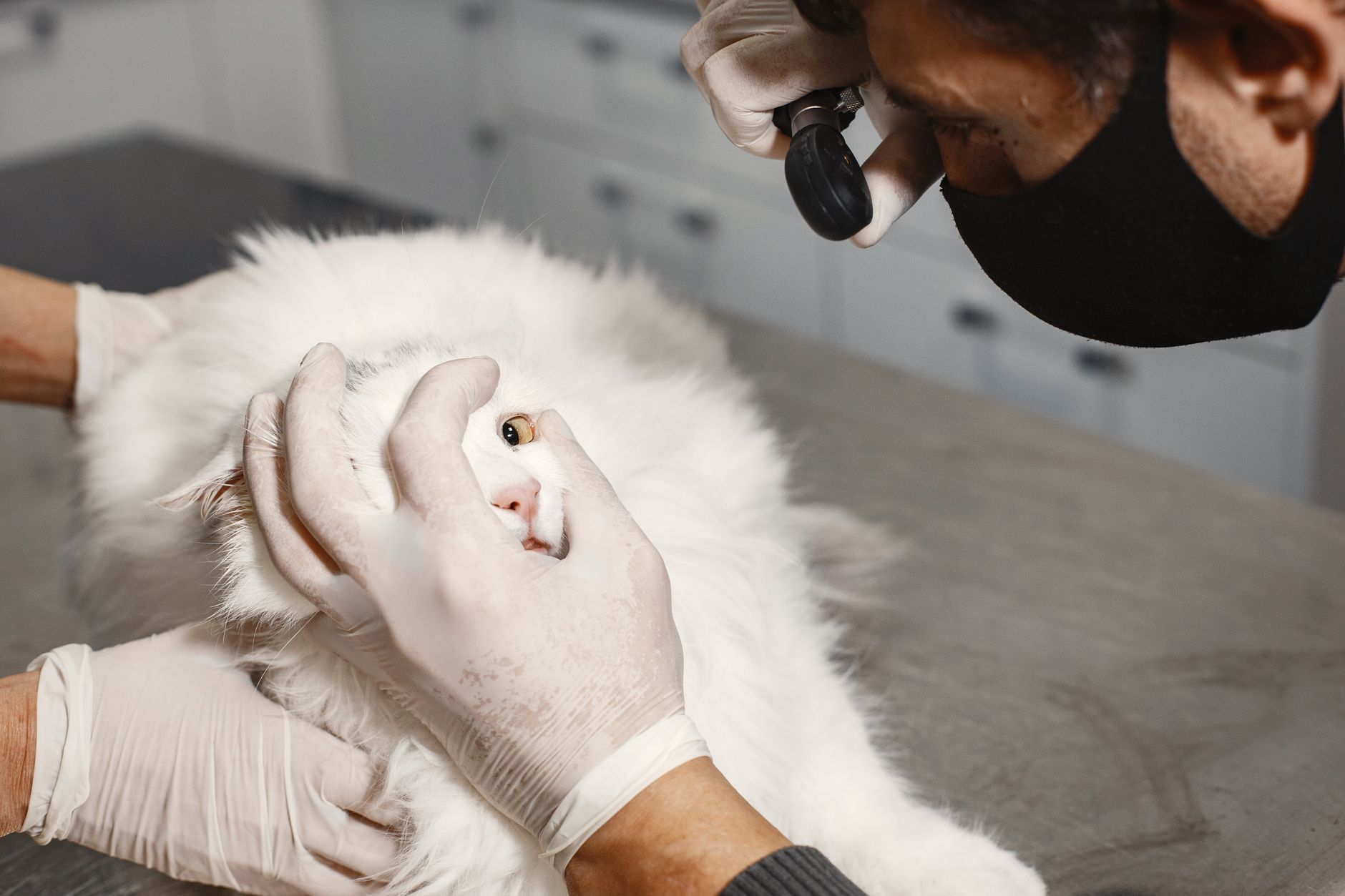
The Turkish Angora is a naturally occurring, historic breed that is generally robust and healthy, but like all breeds, they are susceptible to a few specific genetic conditions. Working closely with a reputable breeder who screens their breeding stock is vital to ensuring a healthy kitten, and regular vet checkups are a must throughout their lives.
Hypertrophic Cardiomyopathy (HCM)
The most common form of heart disease in cats, which causes the heart walls to thicken and can lead to heart failure or blood clots. It is diagnosed via an echocardiogram, and reputable breeders screen their adult cats annually.
Congenital Deafness
An inherited condition strongly linked to the dominant white gene and blue eyes. Cats can be deaf in one ear (unilateral) or both ears (bilateral), though deaf Angoras still lead very happy, full lives indoors.
Hereditary Ataxia
A rare, fatal neurological condition affecting young kittens, usually developing between 2 and 4 weeks of age. It affects their voluntary muscle coordination and balance, and there is unfortunately no cure, making genetic screening crucial.
Patellar Luxation
A condition where the kneecap slips out of its normal position, causing temporary lameness or a skipping gait. Mild cases can be managed with joint supplements, while severe cases may require corrective surgery.
How long do Turkish Angoras typically live?
With proper indoor care, a high-quality diet, and regular veterinary checkups, Turkish Angoras typically live between 12 and 18 years, with many reaching their early twenties.
What to Feed a Turkish Angora
Due to their high energy levels, Turkish Angoras require a nutrient-dense diet to sustain their active lifestyle. I always warn owners that because they have a fine, elegant bone structure, keeping them at an ideal body weight is crucial to prevent unnecessary stress on their joints.
Best Diet
A high-protein, low-carbohydrate wet diet is ideal to mimic their natural carnivorous needs and keep them well-hydrated. I highly recommend grain-free canned formulas or balanced raw/fresh diets formulated for active life stages, transitioning to a senior formula as they age.
How to Feed
I recommend feeding them portion-controlled meals twice a day rather than free-feeding dry food. Using puzzle feeders for dry kibble or treats is an excellent way to slow down their eating while providing essential mental stimulation.
How Much to Feed
The exact portion size depends entirely on their weight, age, and individual activity level, but generally, an adult Angora needs about 200 to 250 calories per day. Always consult your veterinarian to establish a precise feeding plan tailored to your cat’s specific metabolic needs.
Nutritional Tips
Incorporate Omega-3 fatty acids (like wild-caught salmon oil) into their meals to support their skin health and keep their single, silky coat glistening. Always ensure they have access to clean, running water, preferably from a cat fountain, as they love running water.
Turkish Angora Grooming Guide
Grooming a Turkish Angora is surprisingly straightforward and far less demanding than grooming other long-haired cats. Because they do not have a dense undercoat, they rarely get severe mats, making the grooming process a quick, pleasant bonding experience for both of you.
Coat Care
Comb their silky coat once or twice a week with a high-quality steel greyhound comb to remove loose hairs. During their seasonal shedding periods in the spring and fall, you may want to increase this to daily combing to keep loose fur off your furniture.
Skin Care
Their skin is generally healthy, but regular combing helps distribute natural skin oils throughout their coat, preventing dry patches.
Eye Care
Because white and light-colored Angoras can occasionally develop mild tear staining, gently wipe the corners of their eyes daily with a soft, damp cloth.
Ear Care
Check their ears weekly for dirt, wax buildup, or redness, and clean them with a vet-approved ear cleaner and a cotton ball if necessary.
Nail & Dental Care
Trim their nails every 10 to 14 days to prevent them from snagging on carpets or furniture, and brush their teeth at least three times a week with pet-safe toothpaste to prevent periodontal disease.
Considerations for Pet Parents
Pros
- Incredibly intelligent and highly trainable
- Very affectionate and intensely loyal to their owners
- Silky, single coat is easy to groom and maintain
- Highly playful and maintains a kitten-like attitude into senior years
- Generally gets along great with other pets and active children
Cons
- Can be highly demanding and prone to separation anxiety
- Very active and requires significant daily playtime
- Loves high places and will climb curtains, shelves, and doors
- Can be vocal and persistent when they want attention
Best For
Active families, remote workers, or households with other pets who want a highly interactive, intelligent, and affectionate companion to share their daily lives and activities.
Not Recommended For
Those looking for a quiet, independent, low-maintenance lap cat, or busy professionals who are away from home for long stretches of the day without other pets.
Cost
- purchase price$800 – $2,500+
- monthly cost$80 – $150
- initial setupExpect to spend $400 – $700 initially on high-quality vertical cat trees, interactive puzzle toys, a scratching post, litter box, and initial vet visits.
Similar Breeds
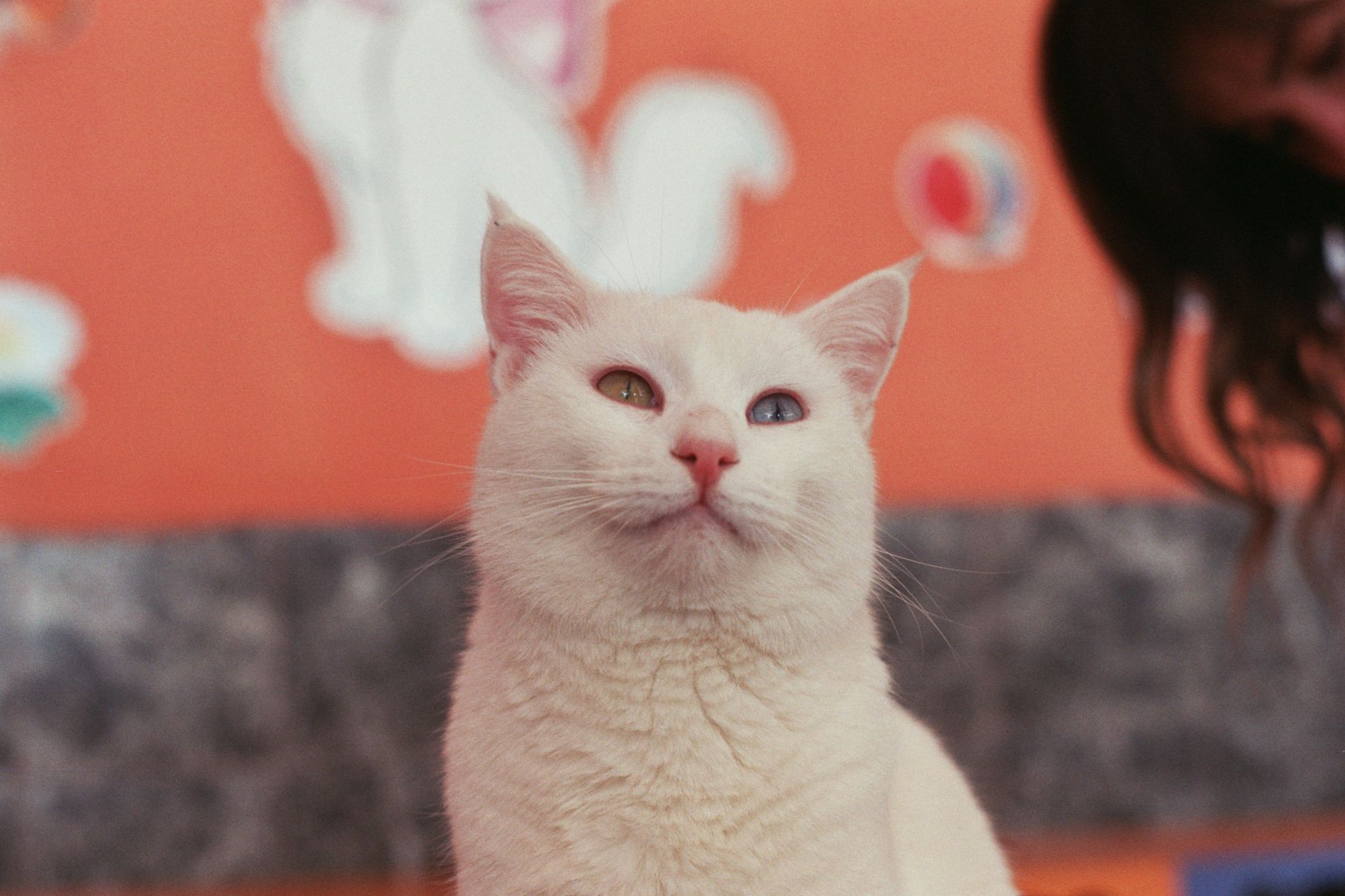
Turkish Van
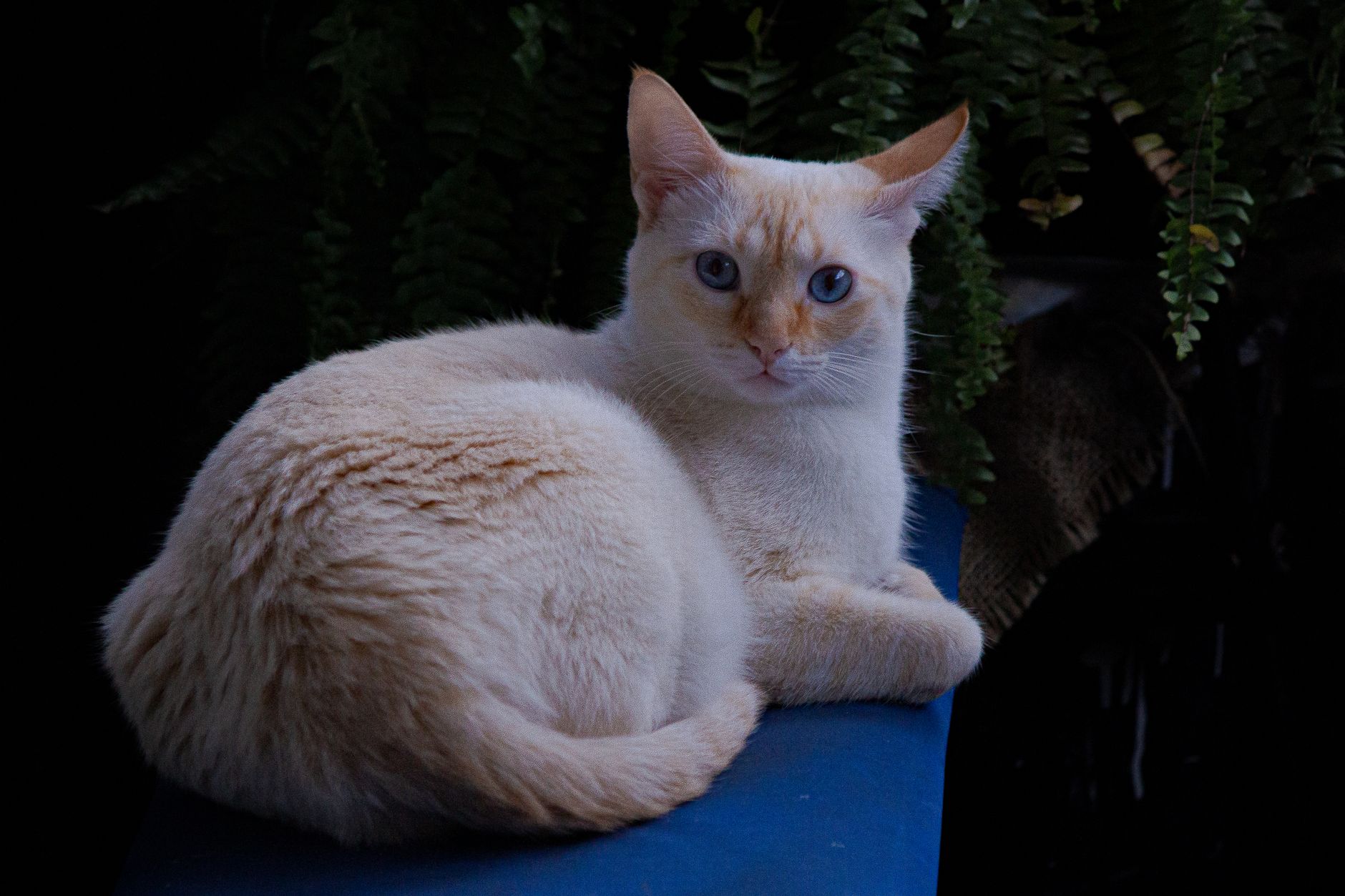
Balinese
Turkish Angora FAQs
Are all Turkish Angoras white?
No, while pure white is the most famous and historically prized color, Turkish Angoras come in a wide variety of colors and patterns, including black, blue, red, cream, tortoiseshell, and various tabby patterns. In modern cat registries, all colors are accepted.
Are Turkish Angoras hypoallergenic?
No, they are not hypoallergenic. While they lack an undercoat and may produce slightly less dander than some other breeds, they still produce the Fel d 1 protein in their saliva and skin oils, which is the primary trigger for cat allergies.
Do Turkish Angoras love water?
Yes, many Turkish Angoras have a fascinating affinity for water, much like their Turkish Van cousins. It is not uncommon for them to play with dripping faucets, join you near the shower, or dip their paws into water bowls.
How can I tell if a Turkish Angora is deaf?
Deafness is linked to the dominant white gene and blue eyes. You can test your cat by making a loud noise (like clapping or shaking keys) out of their field of vision to see if they turn their head; however, a definitive diagnosis requires a BAER (Brainstem Auditory Evoked Response) test at a veterinary clinic.
Do they get along with dogs?
In my experience, Turkish Angoras do exceptionally well with cat-friendly dogs. Because of their confident and assertive personalities, they often quickly establish themselves as the household leader and love having a canine friend to play with.
Are they vocal cats?
Yes, they are moderately to highly vocal. They will not hesitate to use chirps, trills, and soft meows to greet you, demand their dinner, or voice their disapproval if you aren’t paying enough attention to them.
How high can a Turkish Angora jump?
They are incredible athletes capable of jumping up to six feet in the air from a standing position. I always warn new owners that they will easily clear high kitchen countertops, bookshelves, and even the tops of open doors.
Are they prone to separation anxiety?
Yes, because they form such intense, social bonds with their owners, they can become lonely, stressed, or destructive if left alone for long periods. Having another cat or dog companion in the house helps immensely.
What is the difference between a Turkish Angora and a Turkish Van?
While both originate from Turkey, the Turkish Van is a larger, stockier cat with a distinct color pattern restricted to the head and tail, and a water-resistant coat. The Turkish Angora is more elegant, fine-boned, and can be fully colored.
Are they lap cats?
They are highly affectionate, but they prefer to cuddle on their own terms. Rather than sitting calmly on your lap for hours, they are more likely to cuddle up next to you after a vigorous play session, or drape themselves across your shoulders.
Do they need a lot of toys?
Yes, they require a constant rotation of mentally stimulating toys. Because of their intelligence, standard plush mice will bore them quickly; instead, opt for interactive puzzle feeders, electronic toys, and wand toys.
Are they indoor-only cats?
Yes, it is highly recommended to keep Turkish Angoras strictly indoors. Their striking appearance makes them targets for theft, and their fearless, curious nature puts them at a very high risk from traffic, predators, and infectious diseases.
Do Turkish Angoras eye colors change?
Like all kittens, Turkish Angoras are born with blue eyes, which gradually transition to their permanent color (which can be green, gold, amber, blue, or odd-eyed with one blue and one green/gold eye) by the time they are 12 weeks old.