
Norfolk Terrier Breed Guide

Quick Summary
The Norfolk Terrier is a big dog in a small, compact package, characterized by its signature dropped ears, tireless work ethic, and remarkably affectionate nature. Best suited for active individuals or families who can channel their high terrier energy, they are hardy, loving companions that require committed coat maintenance.
As an Amazon Associate, we earn from qualifying purchases.
Popular with Norfolk Terrier owners: Training Treats · Orthopedic Dog Bed · Hip & Joint Supplement
Quick Facts
- origin countryUnited Kingdom
- breed groupTerrier Group
- sizeSmall
- weight range11 to 12 pounds (5.0 to 5.4 kg)
- height range9 to 10 inches (23 to 25 cm) at the shoulder
- lifespan12 to 15 years
- coat typeHard, wiry, straight double coat
- common colorsRed, wheaten, black and tan, or grizzle
- other namesNone (previously grouped with the Norwich Terrier)
- recognized byAKC, UKC, KC, FCI
Caring for a Norfolk Terrier
Living with a Norfolk Terrier means embracing a whirlwind of joyful energy, high intelligence, and an intense prey drive. In my years treating this breed, I find these dogs thrive when given daily structured exercise alongside mental puzzles to keep their busy minds occupied. Because of their history as ratters, they must always be kept on-leash or in a securely fenced yard, as they will bolt after small animals instantly. Their double coats require regular, specific maintenance, but their adaptable size makes them fantastic companions for both apartments and sprawling suburban homes.
Is a Norfolk Terrier a good family pet?
Yes, they are exceptionally good family pets due to their outgoing, affectionate, and resilient nature. Unlike some more aloof terrier breeds, Norfolks genuinely thrive on human companionship and are typically wonderful with respectful children.
Do Norfolk Terriers shed a lot?
They are minimal shedders, but this comes with a distinct catch. To maintain their weather-resistant, wiry texture, their dead hair must be hand-stripped twice a year; clipping them instead will make the coat soft, faded, and prone to shedding.
Is a Norfolk Terrier good for first-time owners?
They can be, provided the owner understands the tenacity of the terrier temperament. While more agreeable and social than many of their cousins, they still possess a stubborn streak and a strong prey drive that requires consistent, patient training.
Temperament & Personality
The Norfolk Terrier is widely regarded as one of the most gregarious and least quarrelsome of the terrier breeds. They are pack-oriented, deeply loving, and possess an infectious joie de vivre that lights up any clinical exam room. However, do not mistake their sweetness for passivity; they are fearless, alert, and possess a solid dose of independent determination. They are vigilant watchdogs who will vocalize when someone approaches, though they quickly warm up to welcomed guests.
Is a Norfolk Terrier good with other pets?
They generally get along well with other household dogs, especially if raised together. However, due to their intense, instinctual hunting drive, they should never be trusted around small pocket pets like hamsters, guinea pigs, or rabbits.
Zuke’s Mini Naturals Training Treats, Peanut Butter & Oats
- ✓Soft, bite-size training treats
- ✓No corn, wheat or soy
- ✓Added vitamins and minerals
- Small, soft treats are quick to eat, so you can reward the right moment and keep training sessions moving
How much attention does a Norfolk Terrier need?
They are highly social animals that do not tolerate isolation well and can develop separation anxiety or destructive digging habits if left alone for long periods. They need to be closely integrated into daily family activities to remain mentally balanced.
Training & Behavior
Training a Norfolk Terrier is a lesson in consistency, patience, and positive reinforcement. In my clinical experience, these dogs shut down immediately under harsh correction, but they will work tirelessly for food rewards, play, and praise. They are highly intelligent and learn cues quickly, but they will constantly test boundaries to see what they can get away with.
Training Tips
- Use high-value food rewards and short, engaging training sessions to combat their short attention span.
- Begin socialization early, exposing them to various sights, sounds, and people by 12 weeks of age.
- Teach a bulletproof ‘leave it’ command early to help manage their innate chasing instincts.
- Avoid off-leash training in unfenced areas; their prey drive almost always overrides recall commands.
- Incorporate crate training early to prevent separation anxiety and aid in housebreaking.
Fun Activities
- Earthdog trials (testing their natural underground den-hunting instincts)
- Agility courses to burn physical energy and stimulate their minds
- Scent work and nose work games
- Interactive puzzle toys and hide-and-seek games with treats
- Structured daily neighborhood ‘sniffari’ walks
Is a Norfolk Terrier easy to train?
They are highly intelligent and eager to please, which makes them easier to train than many other terriers. However, they possess a classic stubborn streak, meaning they require a handler who is patient, creative, and highly consistent.
Norfolk Terrier Health Issues
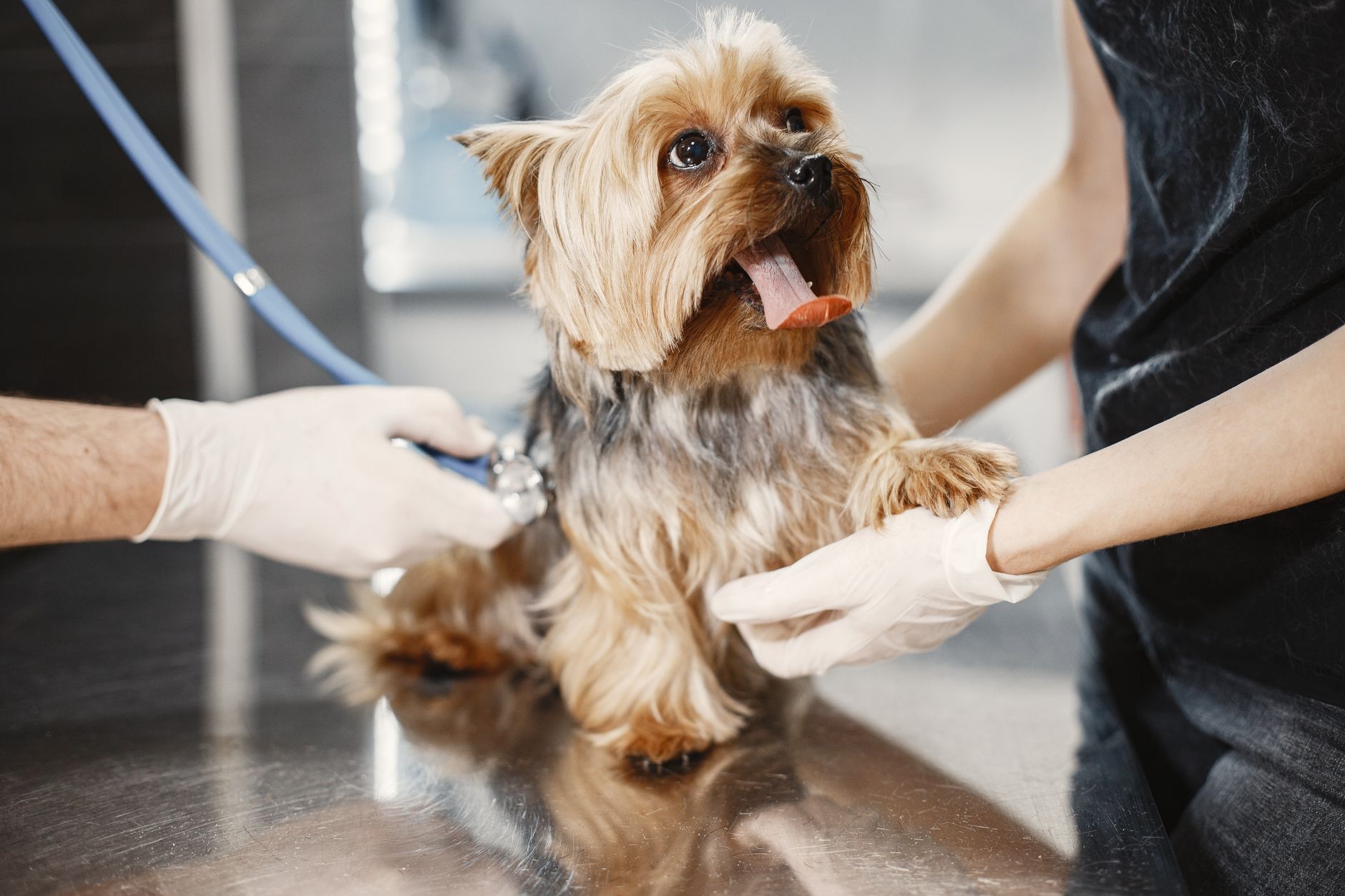
Generally, the Norfolk Terrier is a remarkably robust and long-lived breed, but they are genetically predisposed to several specific conditions. In my practice, I emphasize early screening and proactive management to ensure these small dogs live their longest, healthiest lives.
Mitral Valve Disease (MVD)
A degenerative heart condition where the mitral valve weakens over time, leading to a heart murmur and eventually congestive heart failure. This is one of the most common cardiac issues seen in the breed.
Patellar Luxation
A condition where the kneecap (patella) slips out of its normal anatomical groove. This is common in small breeds and can range from mild, asymptomatic cases to severe alignment issues requiring surgery.
BFPETHOME Orthopedic Washable Large Dog Bed
- ✓High-density egg-crate foam for senior dogs
- ✓U-shaped bolster for head support
- ✓Waterproof inner layer; removable cover
- Supportive foam cushions hips and joints, ideal for large, senior or dysplasia-prone dogs
Hip Dysplasia
An inherited orthopedic condition where the hip joint doesn’t fit together perfectly, leading to progressive arthritis and joint degeneration. Early screening via OFA or PennHIP radiographs is highly recommended.
Atopic Dermatitis (Allergies)
Norfolks are prone to environmental allergies, where their immune system overreacts to pollen, dust mites, or molds, manifesting primarily through their skin.
Periodontal Disease
Due to their small mouths crowding 42 adult teeth, plaque and tartar accumulate rapidly, leading to severe gum disease, tooth loss, and systemic infections if left untreated.
How long do Norfolk Terriers typically live?
With excellent veterinary care, proper nutrition, and a healthy lifestyle, Norfolk Terriers routinely live between 12 and 15 years. Many of my patients remain active and spirited well into their early teens.
What to Feed a Norfolk Terrier
Norfolk Terriers are notorious food lovers with a high metabolic rate, but their small stature means even a few extra ounces can strain their joints and heart. I frequently treat overweight Norfolks, so strict portion control is vital to their longevity.
Best Diet
I recommend a high-quality, small-breed dry kibble formulated for their current life stage. Look for diets with concentrated nutrients and kibble sizes designed to help mechanically clean their crowded teeth.
How to Feed
Divide their daily caloric allowance into two distinct meals per day rather than free-feeding. Use measuring cups or a digital kitchen scale to ensure exact portions, and factor any training treats into their daily calorie budget.
How Much to Feed
Generally, an adult Norfolk Terrier weighing 11 to 12 pounds requires roughly 1/2 to 3/4 cup of high-quality dry food daily, split into two meals. Because this estimate varies wildly based on activity level, metabolism, and age, you should consult your veterinarian to calculate their exact caloric needs.
Nutritional Tips
To keep them mentally stimulated, feed meals in puzzle toys or snuffle mats instead of bowls. Additionally, supplementing their diet with omega-3 fatty acids (EPA/DHA) can support their joint health and help manage allergic skin flare-ups.
Norfolk Terrier Grooming Guide
The Norfolk’s weather-resistant double coat requires dedicated, hands-on care to maintain its signature look and protective properties. I always advise owners that grooming is not just about looks—it is a critical part of their dermatological health.
Coat Care
Weekly brushing with a slicker brush and metal comb prevents painful matting. To preserve the hard, dirt-repellent texture and vibrant color of the wire coat, it must be hand-stripped every 4 to 6 months; clipping ruins the coat’s natural texture.
Skin Care
Avoid frequent bathing with harsh soaps, which strips the natural protective oils from their wire coat; bathe only when dirty using a gentle, hypoallergenic dog shampoo.
Eye Care
Gently wipe away any daily tear discharge with a damp cloth to prevent staining and irritation in their prominent eyes.
Ear Care
Because their ears drop forward, they trap moisture and debris easily. Clean them weekly with a vet-approved, drying ear cleanser and keep them free of excess hair.
Nail & Dental Care
Trim nails every 3 to 4 weeks to prevent splaying, and brush their teeth daily with dog-safe enzymatic toothpaste to combat their high risk of periodontal disease.
Considerations for Pet Parents
Pros
- Affectionate, outgoing, and highly social personality
- Convenient, portable size suitable for apartment living
- Generally less dog-aggressive than other terrier breeds
- Extremely loyal and thrives as a family companion
- Robust and generally healthy with a long lifespan
- Highly intelligent and capable of learning complex tasks
Cons
- High grooming demands, requiring manual hand-stripping
- Strong prey drive that limits off-leash freedom
- Prone to nuisance barking if not properly trained
- Highly prone to destructive digging when bored
- Rare and difficult to find, often with long breeder waitlists
Best For
An active individual, couple, or family who wants a big-dog personality in a small package and is committed to regular, hands-on grooming, consistent mental stimulation, and keeping their dog on a leash.
Not Recommended For
Sedentary owners, those who are away from home for long hours daily, or homes with small pocket pets like rodents or rabbits where the dog’s high predatory drive could pose a constant threat.
Cost
- purchase price$2,500 to $4,500
- monthly cost$100 to $200 (excluding professional hand-stripping costs)
- initial setupInitial setup costs, including high-quality crates, puppy vaccines, spaying/neutering, microchipping, and professional grooming tools, typically range from $1,000 to $1,800.
-
VetIQ Glucosamine Hip & Joint ChewsGlucosamine and chondroitin chews support cartilage and mobility, especially in large, senior and dysplasia-prone dogs
-
TKENPRO 2K Pet Camera with Treat DispenserLets you check in, talk to your pet and spot problems while you’re out
-
Purina Pro Plan Sensitive Skin & Stomach Dog Food, SalmonA complete, balanced diet matched to your dog’s size and age is the foundation of a healthy coat, gut and energy level
Similar Breeds

Related Dog Guides
Norfolk Terrier FAQs
What is the difference between a Norfolk Terrier and a Norwich Terrier?
The primary difference lies in their ear carriage. Norfolk Terriers have dropped ears that fold forward, while Norwich Terriers have prick ears that stand erect. Historically, they were considered the same breed until they were officially separated in 1979.
Are Norfolk Terriers hypoallergenic?
No, they are not hypoallergenic. While they shed very little if they are properly hand-stripped, they still produce dander and saliva which can trigger allergies in sensitive individuals.
Do Norfolk Terriers bark a lot?
Yes, like most terriers, they can be vocal watchdogs and will alert you to any changes in their environment. Training them from puppyhood to stop barking on cue is essential to prevent this alert behavior from becoming a nuisance.
Why is hand-stripping necessary for a Norfolk Terrier?
Hand-stripping removes dead hairs from the follicle, allowing a new, hard, vibrant wire coat to grow back. Clipping cuts the hair shaft, leaving the dead root inside, which softens the coat, dilutes its color, and diminishes its dirt- and water-resistant properties.
Can Norfolk Terriers be left alone during the day?
They do not tolerate long periods of isolation well. Because they are highly social, they are prone to separation anxiety, which can manifest in destructive digging, chewing, and excessive barking if left alone for more than a few hours.
Are Norfolk Terriers good with cats?
It depends heavily on early socialization and individual temperament. If raised together from puppyhood, many Norfolks can coexist peacefully with household cats, but outdoor cats and strange felines will almost certainly trigger their chase instinct.
How much exercise does a Norfolk Terrier need?
They need at least 45 to 60 minutes of daily physical exercise combined with mental stimulation. This should include brisk walks, fetching games, and interactive puzzle toys to prevent them from becoming bored and destructive.
Why do Norfolk Terriers love to dig?
Digging is an instinctual behavior bred into them for hunting den-dwelling rodents. If you do not provide a designated digging spot, like a sandbox, they will eagerly excavate your garden or lawn to satisfy this urge.
Are Norfolk Terriers prone to weight gain?
Yes, they have hearty appetites and a genetic tendency to pack on weight easily. Obesity in this breed significantly increases their risk of orthopedic issues like patellar luxation, as well as cardiac diseases.
Is it easy to find a Norfolk Terrier puppy?
No, they are a relatively rare breed with small litter sizes, typically yielding only 2 to 4 puppies. Reputable breeders often have waiting lists extending from 6 to 18 months.
Can Norfolk Terriers live in apartments?
Yes, their small size makes them excellent apartment dwellers, provided their daily physical and mental exercise needs are met and they are trained to manage their alert barking.
What health tests should a Norfolk Terrier breeder perform?
Reputable breeders should provide clearances for cardiac health (mitral valve disease), patellar luxation, eye health (CAER/CERF exam), and hip dysplasia to ensure the genetic soundness of their puppies.
At what age is a Norfolk Terrier fully grown?
They typically reach their full physical height and weight by 10 to 12 months of age, though they may continue to fill out and mature mentally until around 18 months.
Are Norfolk Terriers sensitive to vaccines?
Some small toy and terrier breeds can occasionally show mild, transient vaccine reactions. I always discuss tailored vaccine protocols with owners and sometimes space out vaccines to minimize the potential for immune reactions.
Sources & Further Reading
- American Kennel Club (AKC)
- Merck Veterinary Manual
- American Veterinary Medical Association (AVMA)
- PetMD