
Greyhound Breed Guide

Quick Summary
Often called the ’45-mile-per-hour couch potato,’ the Greyhound is a gentle, low-maintenance companion that balances explosive athletic speed with an incredibly quiet, affectionate indoor disposition. In my clinic, I’ve found they thrive in peaceful households, making excellent pets for both apartment dwellers and suburban families who understand their unique physiological and safety needs, such as their high prey drive.
Quick Facts
- origin countryGreat Britain
- breed groupHound
- sizeLarge
- weight range60 – 88 lbs
- height range27 – 30 inches
- lifespan10 – 14 years
- coat typeShort, single coat
- common colorsBlack, blue, fawn, red, white, brindle, or combinations with white
- other namesEnglish Greyhound
- recognized byAKC, UKC, FCI
Caring for a Greyhound
Living with a Greyhound is surprisingly peaceful because they spend about 18 hours a day sleeping. In my practice, I find they adjust beautifully to indoor life, provided they have a soft bed to protect their bony prominences from pressure sores. While they need a chance to sprint in a securely fenced area a few times a week, their daily exercise needs are met with two moderate 20-to-30 minute walks. It is critical to remember they are sighthounds; they must never be off-leash in unfenced areas due to their intense, instinctual prey drive.
Is a Greyhound a good family pet?
Yes, they are incredibly gentle, quiet, and rarely bark, making them wonderful companions. However, due to their thin skin and lack of protective fat, they prefer calm households and do best with older children who respect their personal space.
Do Greyhounds shed a lot?
They are light to moderate single-coat shedders who lack an undercoat, meaning they do not blow their coats seasonally. A weekly brush with a rubber grooming mitt is usually all it takes to keep their shedding to an absolute minimum.
Is a Greyhound good for first-time owners?
Surprisingly, yes, their mellow and independent nature makes them highly manageable for novices. The primary learning curve for first-time owners is mastering sighthound safety, including the absolute necessity of using a Martingale collar and never letting them off-leash.
Temperament & Personality
Greyhounds possess a quiet, polite, and almost cat-like dignity that makes them very easy roommates. They are incredibly affectionate with their inner circle but tend to be somewhat reserved or aloof around strangers. In the clinic, I often observe their highly sensitive nature; they react strongly to tension in the home and require gentle, positive reinforcement.
Is a Greyhound good with other pets?
They generally cohabitate wonderfully with other medium-to-large dogs, but their powerful predatory chase instinct makes them risky around cats, rabbits, and small toy breeds. I always recommend careful, muzzled introductions and strict supervision if small animals are in the home.
How much attention does a Greyhound need?
They love being near their humans and will lean against your legs for affection, but they are not excessively needy or prone to clinginess. They are perfectly content to snooze on their orthopedic bed while you work from home, making them highly adaptable.
Training & Behavior
Greyhounds are intelligent but possess an independent streak, meaning they do not have the eager-to-please drive of a retriever. In my years of clinical observation, they respond best to short, fun, reward-based training sessions using high-value treats. Harsh corrections will cause this sensitive breed to shut down completely.
Training Tips
- Use positive reinforcement and high-value treats
- Keep training sessions short (5-10 minutes) and engaging
- Always use a Martingale collar to prevent slipping out
- Focus heavily on recall, but never rely on it off-leash
- Socialize early to prevent timidity or aloofness
Fun Activities
- Lure coursing
- Fast CAT (Coursing Ability Test)
- Low-impact agility
- Decompression walks on a long line
- Scent work
Is a Greyhound easy to train?
They are moderately easy to train for basic household manners, but they are independent thinkers who may ignore commands if they are distracted or bored. Patience, consistency, and positive, reward-based techniques are essential to keep them engaged.
Greyhound Health Issues
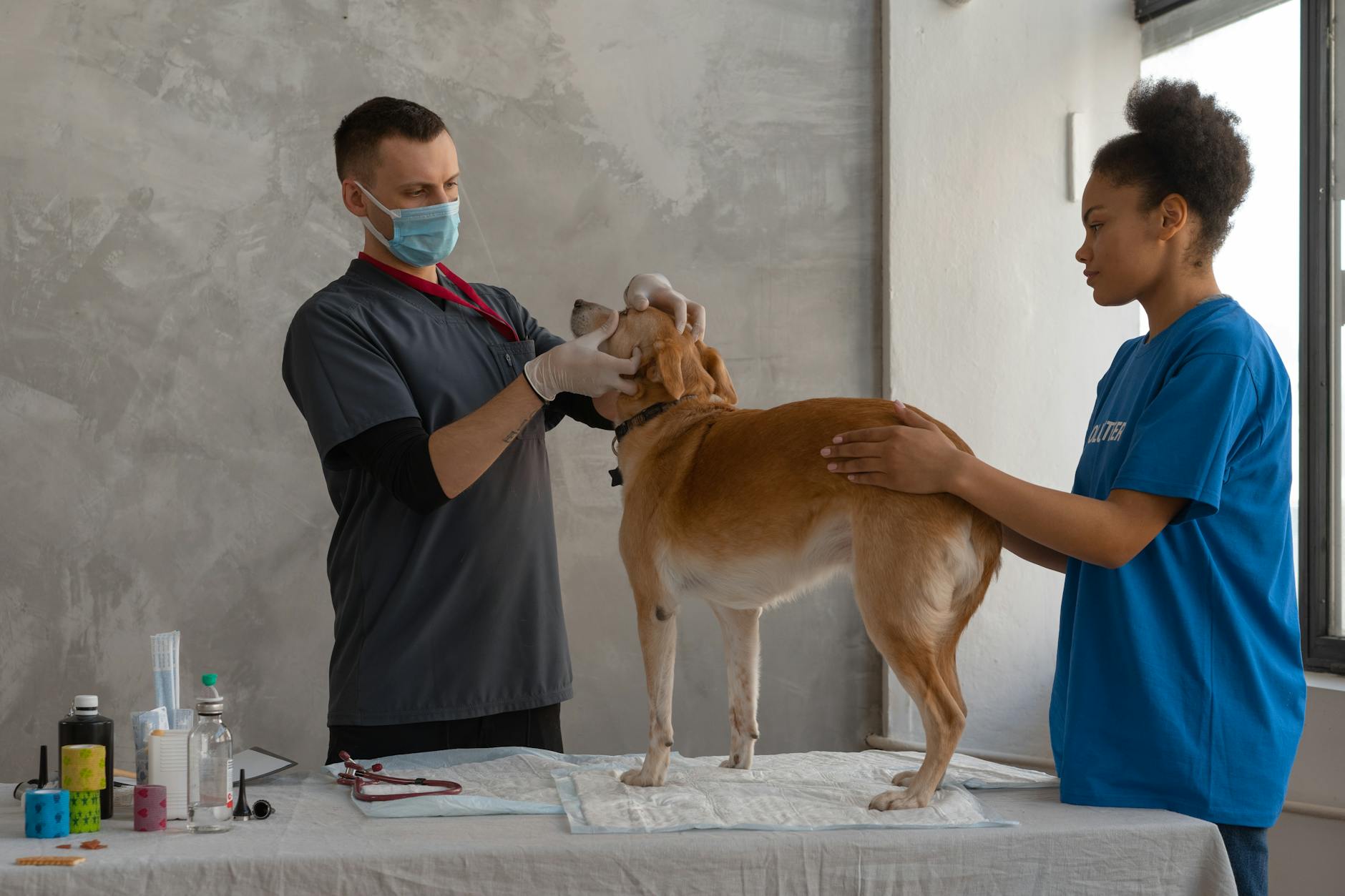
While structurally athletic and generally robust, Greyhounds have unique physiological differences, such as a larger heart and lower thyroid levels than other breeds, which must be interpreted carefully by a veterinarian. They also possess a genetic hypersensitivity to certain anesthetics, making it vital to work with a vet experienced in sighthound medicine.
Gastric Dilatation-Volvulus (GDV or Bloat)
A life-threatening emergency where the deep-chested stomach fills with gas and twists on its axis, cutting off blood supply. This requires immediate surgical intervention to untwist the stomach and perform a gastropexy.
Anesthetic Sensitivity
Due to their low body fat percentages and unique liver metabolic pathways, Greyhounds metabolize barbiturate anesthetics and certain other drugs very slowly. Modern, sighthound-safe anesthetic protocols (like propofol and isoflurane) must be strictly utilized.
Osteosarcoma (Bone Cancer)
This aggressive bone cancer is unfortunately common in large breeds, particularly retired racing Greyhounds, often localized in the long bones of the limbs. Early diagnosis is key, usually involving amputation and chemotherapy.
Sighthound Hematology & Thyroid Variations
Greyhounds naturally have higher packed cell volumes (PCV/hematocrit) and lower platelet and white blood cell counts than other breeds. They also have lower baseline T4 thyroid levels, which are frequently misdiagnosed as hypothyroidism.
Periodontal Disease
Greyhounds are notoriously prone to severe tartar buildup, gingivitis, and early tooth loss due to their narrow jaw structure and dry kibble dynamics. Daily brushing and regular professional dental cleanings under anesthesia are essential.
Greyhound Dermatopathy (Alabama Rot/Cutaneous and Renal Glomerular Vasculopathy)
An uncommon but severe vascular disease leading to skin lesions and potentially fatal acute kidney injury. While rare, it is a known concern in the breed.
How long do Greyhounds typically live?
Greyhounds typically enjoy a lifespan of 10 to 14 years. Ensuring they maintain a healthy weight, protecting them from bloat, and keeping up with dental hygiene are critical factors in maximizing their senior years.
What to Feed a Greyhound
Greyhounds are deep-chested dogs, meaning their feeding routine must be structured to mitigate the risk of life-threatening bloat (GDV). They have a high metabolic efficiency, meaning retired racers can quickly gain excess weight once they transition to a sedentary pet lifestyle.
Best Diet
I recommend a high-quality, large-breed adult kibble that is highly digestible and contains moderate protein (22-26%) and fat (12-16%). Avoid grain-free diets unless clinically indicated, as they have been linked to nutritional cardiac issues.
How to Feed
Always split their daily food allowance into at least two distinct meals to reduce gastric volume. I strongly advise using a slow-feeder bowl and keeping them resting quietly for at least one hour before and after meals.
How Much to Feed
Generally, adult Greyhounds require 2.5 to 4 cups of kibble daily, depending on their sex, weight, and activity level. You should always consult your veterinarian to calculate exact caloric needs based on a Body Condition Score of 4 out of 9 (where some rib outline is visible).
Nutritional Tips
Adding joint supplements like glucosamine, chondroitin, and Omega-3 fatty acids early in life helps protect their athletic joints. Ensure they always have access to fresh water, but limit heavy drinking immediately after vigorous exercise.
Greyhound Grooming Guide
Grooming a Greyhound is incredibly straightforward, making them one of the lowest-maintenance breeds in this category. Their thin skin and single coat require a gentle touch, as they lack a protective undercoat.
Coat Care
Brush weekly with a soft rubber grooming mitt or curry brush to remove loose hairs and distribute skin oils. Bathing is rarely needed—typically once every 3 to 4 months, or only when they roll in something unpleasant.
Skin Care
Because of their thin skin, they are highly prone to scrapes, tears, and pressure sores on their hocks and elbows. Inspect their skin daily for cuts, and always provide thick, orthopedic bedding to prevent calluses.
Ear Care
Their folded ‘rose’ ears should be checked weekly for redness, odor, or wax buildup, and cleaned with a vet-approved ear cleanser if debris is present.
Nail & Dental Care
Their nails grow quickly and must be trimmed or dremeled every 2-3 weeks to prevent splaying of the toes. Dental care is critical: brush their teeth daily with dog-safe enzymatic toothpaste to combat their high risk of periodontal disease.
Considerations for Pet Parents
Pros
- Incredibly quiet and rarely bark
- Very gentle, polite, and clean housemates
- Low-maintenance coat and minimal grooming needs
- Adaptable to apartment living if walked daily
- Highly affectionate yet respectful of boundaries
- Beautiful, athletic, and elegant appearance
Cons
- Extremely high prey drive (dangerous around small pets)
- Must never be let off-leash in unfenced areas
- Highly sensitive to cold and wet weather
- Prone to dental disease and serious bloat
- Thin skin tears and scrapes very easily
Best For
A calm, predictable household with owners who understand sighthound safety. They are fantastic for apartment dwellers, retired couples, or families with older, respectful children who want a quiet, loving, low-shedding companion.
Not Recommended For
Homes with outdoor-only lifestyles, households with free-roaming small pets like rabbits or outdoor cats, or highly active families looking for an off-leash hiking or fetching partner.
Cost
- purchase price$1,500 – $3,500 (from reputable breeders)
- monthly cost$150 – $250
- initial setupBudget $500 – $800 for essential gear, including high-quality orthopedic dog beds, cold-weather coats/fleece jackets, and specific Martingale collars.
Similar Breeds

Greyhound FAQs
Why do Greyhounds wear muzzles when racing or playing?
They wear plastic basket muzzles during play or racing to prevent accidental skin tears. Their skin is exceptionally thin, and even friendly, high-speed play can lead to severe lacerations from a simple nip.
Do Greyhounds get cold easily?
Yes, because they have virtually no body fat and a very thin single coat, they get cold very easily. I advise owners to put a fleece or windproof coat on them when temperatures dip below 50°F (10°C).
Why do Greyhounds need a Martingale collar?
Their heads are narrower than their muscular necks, meaning they can easily slip out of standard buckle collars. A Martingale collar tightens gently when pulled, preventing escape while avoiding choking.
Can Greyhounds sit comfortably?
Due to their tight hamstring muscles and unique skeletal structure, many Greyhounds find the standard ‘sit’ position physically uncomfortable or awkward. They prefer to go straight from standing to lying down on a soft surface.
Are retired racing Greyhounds house-trained?
Retired racers have lived in crates and are ‘kennel trained,’ meaning they naturally avoid fouling their sleeping areas. They must be taught how to navigate stairs, glass doors, and house-training routines, but they typically catch on within a few weeks.
How fast can a Greyhound run?
A Greyhound can reach top speeds of up to 45 miles per hour (72 km/h) within just a few strides. Because of this explosive acceleration, they should never be allowed off-leash in unsecured areas.
Do Greyhounds make good therapy dogs?
Absolutely. Their quiet, gentle demeanor, height (which makes them easy to pet from a wheelchair or bed), and polite nature make them exceptionally well-suited for visiting hospitals, nursing homes, and schools.
Why do Greyhounds shiver or tremble?
Greyhounds may tremble due to excitement, cold temperatures, or stress. Because they have very little insulating fat, even a minor chill or emotional shift can manifest as physical shivering.
Are Greyhounds hypoallergenic?
No, they are not hypoallergenic. While they shed very little and have a single coat with no undercoat, they still produce dander and saliva, which can trigger allergies in sensitive individuals.
Can Greyhounds swim?
Generally, no. Their dense bone structure, lack of body fat, and highly concentrated muscle mass make it very difficult for them to stay afloat. They should always wear a canine life jacket around deep water.
Why does my Greyhound ‘roor’ or make funny noises?
Greyhounds are famous for unique vocalizations, including ‘rooing’ (a soft, melodic howl of excitement) and teeth chattering. Teeth chattering is typically a sign of deep contentment or anticipation, not cold.
Are Greyhounds prone to separation anxiety?
They can be, particularly retired racers who are accustomed to constant canine companionship in racing kennels. Proper crate training and gradual departures can help them adjust to being alone.
What is ‘statueing’ in Greyhounds?
Statueing is a common behavioral quirk where a Greyhound freezes in place during a walk and refuses to budge. This is usually triggered by confusion, fear, or sensory overload, and should be handled with gentle encouragement, not force.
Do they need a lot of space?
No, despite their large size, they are incredibly compact when sleeping and do exceptionally well in small apartments. As long as they get their daily walks and occasional sprints, they do not require a large yard.
Sources & Further Reading
- American Kennel Club (AKC)
- American Veterinary Medical Association (AVMA)
- Merck Veterinary Manual
- PetMD