

Quick Summary
Successfully introducing a new puppy to a senior dog requires a structured, multi-week process centered around neutral territory meetings, strict resource management, and respecting your senior dog’s physical limitations. By allowing your older dog to set healthy boundaries and ensuring they have a safe, puppy-free sanctuary, you can prevent defensive aggression and foster a peaceful, lifelong relationship.
In my twenty years of clinical practice, I have witnessed countless families bring a bouncy new puppy into a home ruled by a dignified senior dog.
While we envision immediate best-friend status, the reality is often much more tense.
A senior dog has established routines, declining joint health, and a lower tolerance for chaotic puppy energy.
Key Takeaways
- Always conduct the very first introduction on neutral outdoor territory to prevent territorial aggression.
- Do not punish your senior dog’s warning growls; they are a vital, healthy form of canine communication.
- Set up a dedicated, physically blocked safe zone where your older dog can escape puppy energy entirely.
- Schedule a veterinary arthritis check for your senior dog to ensure physical pain isn’t driving defensive behaviors.
- Feed both dogs in separate rooms with closed doors to prevent dangerous food-guarding incidents.
- Maintain your senior dog’s exact daily walking, feeding, and sleeping routines to minimize stress.
In This Article
- The Pre-Introduction Preparation: Setting Up the Sanctuary
- The Neutral Territory Meeting: First Impressions Matter
- Deciphering Canine Body Language and Warning Signs
- Managing the First Week: Separate But Equal Schedules
- Growling, Snapping, and Corrective Behaviors
- Protecting Your Senior Dog’s Aging Body
- Maintaining Individual Connections and Mental Well-being
- The Slow Integration Phase: Weeks Two to Four
The Pre-Introduction Preparation: Setting Up the Sanctuary
Before you even bring the puppy home, you must prepare the physical environment. In my clinic, I often treat senior dogs who suffer from stress-induced colitis simply because their home environment was suddenly disrupted.
You must establish clear boundaries where your older dog can escape the puppy’s relentless energy. This means setting up physical barriers like extra-tall baby gates or playpens before the puppy arrives.
- Scent swapping: Rub a clean towel on the puppy at the breeder or shelter, and place it near your senior dog’s sleeping area a few days before the homecoming.
- Remove all high-value items: Pick up all favorite toys, bones, and food bowls to prevent resource guarding on day one.
- Establish a safe zone: Dedicate a quiet room exclusively for your senior dog where the puppy is strictly forbidden from entering.
- Verify vaccination status: Ensure your senior dog is fully vaccinated and on active parasite preventatives to protect the unvaccinated puppy.
The Neutral Territory Meeting: First Impressions Matter
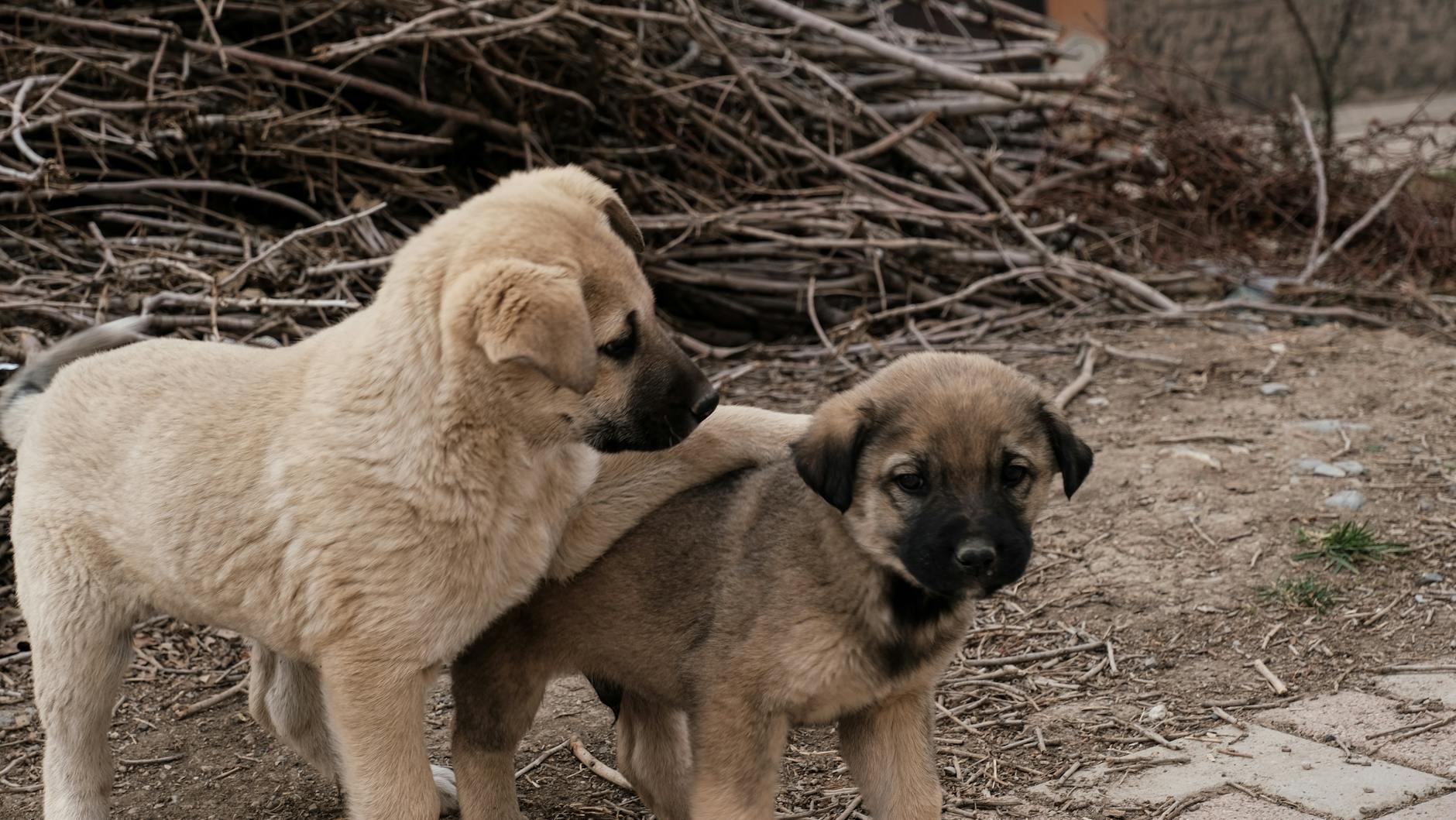
Never conduct the initial introduction inside your home or in your backyard. Your older dog views these areas as their personal territory, which can instantly trigger defensive behavior.
Instead, choose a quiet, neutral outdoor location like a quiet park or a neighbor’s driveway. Ensure you have two handlers so each dog is on a separate, loose leash at all times.
- Keep leashes loose: Tight leashes transmit tension directly to the dogs, which can trigger a reactive fight.
- Parallel walking: Start by walking the dogs in the same direction, about ten feet apart, without letting them interact directly.
- Let them sniff briefly: Once both dogs show relaxed body language, allow a brief, three-second sniff of the rear ends.
- Break it up early: Interrupt the interaction after three seconds with happy voices and high-value treats, then walk away.
- Watch the tail position: Look for loose, sweeping tail wags rather than stiff, upright, fast-wagging flags.

Deciphering Canine Body Language and Warning Signs
In my practice, I often hear owners say, ‘They were fine, and then suddenly my senior dog attacked!’ When we review video footage, the senior dog was actually pleading for space for minutes before reacting.
Dogs communicate subtle discomfort long before they resort to growling or biting. Learning to read these quiet signals is your absolute best tool for preventing a serious altercation.
- Whale eye: The senior dog shows the white crescent parts of their eyes while looking away from the puppy.
- Yawning and lip-licking: These are classic displacement behaviors indicating high stress or anxiety in a dog.
- Stiffening of the body: A sudden freeze or rigid posture means the dog is highly alert and potentially preparing to strike.
- Play bows: A front-end down, rear-end up posture is a fantastic green light showing both dogs are relaxed and ready to play.
- Licked lips or panting: If either dog starts panting heavily without physical exertion, they are feeling overwhelmed.
Managing the First Week: Separate But Equal Schedules
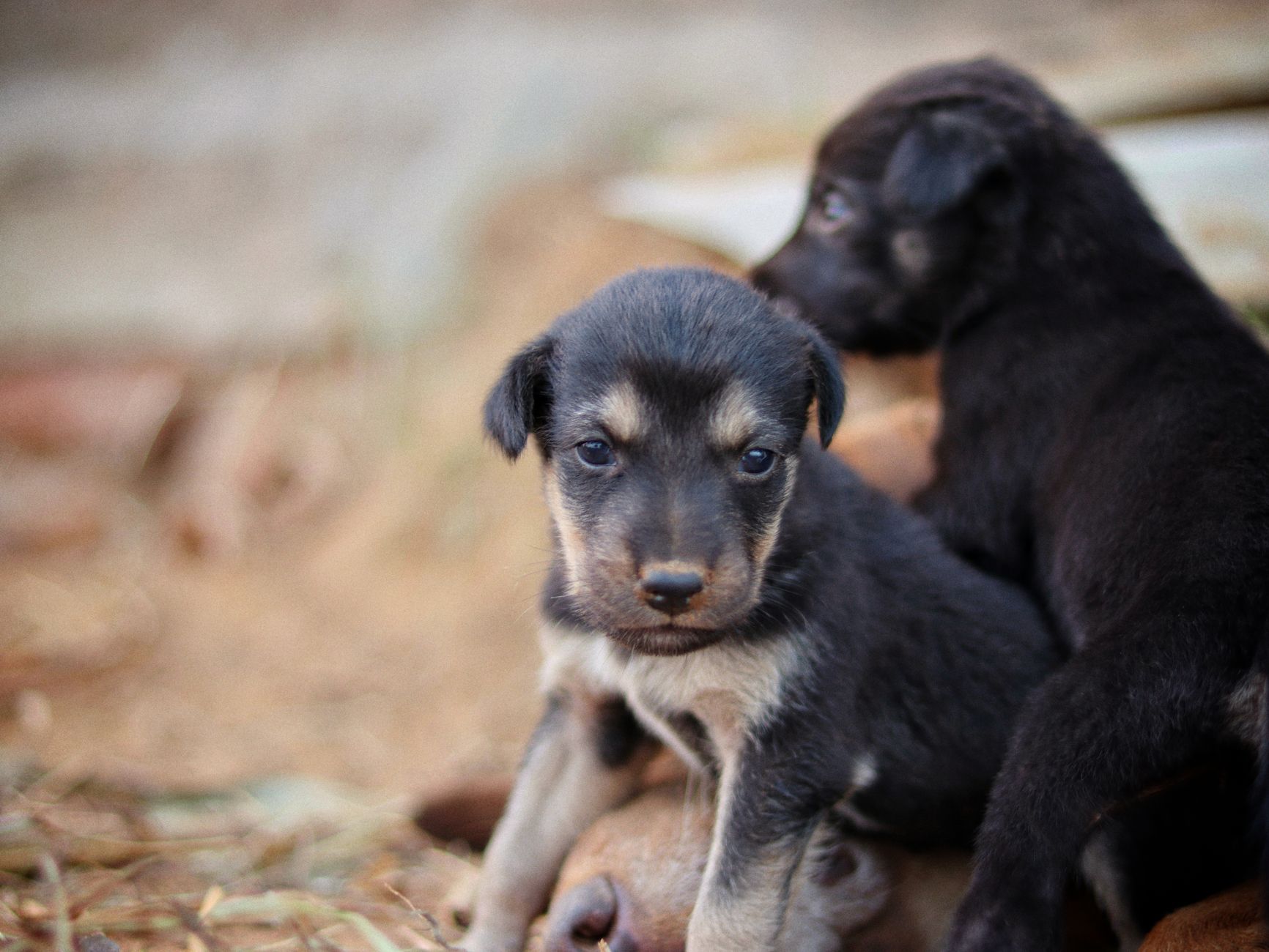
The first seven days are about establishing safety and predictable routines. I always tell my clients that routine is a senior dog’s security blanket.
Keep your older dog’s feeding, walking, and sleeping schedule exactly the same as it was before the puppy arrived. This consistency reduces cortisol levels and prevents the senior from associating the puppy with negative life changes.
Feeding Separation
Always feed your senior dog and puppy in entirely separate rooms with closed doors. Even the most docile senior can react aggressively if a clumsy puppy tries to steal food from their bowl.
Forced Puppy Naps
Puppies need up to 18 hours of sleep a day but rarely want to stop playing. Use a crate or playpen to enforce scheduled nap times every two hours, giving your senior dog much-needed peace.

Growling, Snapping, and Corrective Behaviors
It shocks many pet parents when I tell them that growling is actually a good thing. A growl is a warning; if you punish a growl, you teach the dog to bite without warning next time.
Senior dogs have a right to teach puppies manners. However, you must learn to distinguish between a healthy, measured correction and dangerous aggression.
- Healthy correction: A quick, sharp growl or an air-snap that does not make physical contact, followed by the senior moving away.
- Dangerous aggression: Repeated snapping, locking eyes, pursuing the puppy when it tries to retreat, or biting with force.
- When to step in: Immediately intervene if the puppy ignores the senior’s warning and continues to jump on or bite them.
- The clipboard trick: Keep a large piece of cardboard or a baby gate nearby to safely slide between fighting dogs without risking your hands.

Protecting Your Senior Dog’s Aging Body
This is a critical veterinary point that many families overlook. Most senior dogs over the age of seven suffer from some degree of osteoarthritis or degenerative joint disease.
A heavy puppy launching onto a senior’s painful lower back or arthritic hips can cause excruciating pain. This pain can turn a gentle senior dog into a defensive biter out of pure self-preservation.
Pain Management Checks
Schedule a physical exam with your vet to check for hidden arthritis before bringing the puppy home. Your older dog may benefit from starting daily joint supplements or non-steroidal anti-inflammatory drugs.
- Glucosamine and chondroitin
- Omega-3 fatty acid supplements
- Injectable joint protectants like Adequan
Physical Barriers on Slick Floors
Place non-slip runners or yoga mats over hardwood floors. A senior dog trying to escape a puppy on slick floors can easily slip, causing severe muscle strains or ligament tears.
Maintaining Individual Connections and Mental Well-being
It is incredibly easy to get swept up in the excitement and demands of a new puppy. But your senior dog needs to know they have not been replaced or sidelined in their own home.
Spend dedicated, one-on-one time with your older dog away from the puppy every single day. This preserves your bond and gives your senior dog the reassurance they desperately crave.
- Solo walks: Take your senior dog on their usual walk alone so they can sniff and stroll at their own relaxed pace.
- Special attention sessions: Spend ten minutes brushing, massaging, or cuddling your senior in a room closed off from the puppy.
- Mental stimulation: Give your senior dog food puzzle toys in their safe zone to keep their mind sharp and distracted.
- Keep sleeping spots sacred: Do not let the puppy sleep in the senior’s bed or occupy their favorite resting spot.
The Slow Integration Phase: Weeks Two to Four
Once the initial week of separation has passed, you can slowly begin to increase supervised interactions. Do not rush this process; slow integrations always yield the most stable, lifelong bonds.
Keep both dogs dragging light training leashes during supervised interactions in the house. This allows you to step on a leash to stop a chase without having to grab the dogs physically.
- Limit interactive sessions: Start with five to ten minutes of supervised co-existence twice a day.
- Praise positive neutrality: Reward both dogs with small, tasty treats when they are simply lying down near each other calmly.
- Never leave them alone: Do not leave the puppy and senior dog unsupervised in the same room, even for a minute, during the first month.
- Watch for exhaustion: An exhausted senior dog is much more likely to lash out; end interactions before they get tired.
Related Dog Guides
Frequently Asked Questions
How long does it typically take for an older dog to accept a new puppy?
On average, it takes about two to four weeks for an older dog to adjust to a new puppy, though complete acceptance can take up to six months. Patience is key during this transition period.
Should I let my older dog growl at the new puppy?
Yes, you should allow normal, measured growls as they are a healthy form of communication. Punishing a growl can cause your dog to bite without warning next time.
What should I do if my senior dog gets depressed after the puppy arrives?
Make sure your senior is getting plenty of one-on-one time and their routine remains unchanged. If lethargy or appetite loss persists, visit your vet to rule out physical pain or underlying medical issues.
Can a puppy make an older dog feel younger or more active?
Sometimes, but it must be managed carefully. While some seniors enjoy the mental stimulation, excessive puppy energy can easily overwhelm an older dog suffering from painful joints.
How do I stop my puppy from constantly biting my older dog’s ears and tail?
Keep your puppy on a house leash or in a playpen during interactions. Instantly redirect the puppy with a chew toy or put them in their crate for a quiet nap whenever they start biting your senior.
Sources & Further Reading
Final Thoughts
Bringing a new puppy home is an exciting milestone, but your senior dog’s comfort and safety must remain your top priority. By moving slowly, respecting physical limits, and managing resources carefully, you will build a foundation of trust.
Remember that relationship-building takes time, and you cannot force a friendship overnight. Trust the process, keep your vet in the loop regarding your senior’s joint health, and celebrate the small steps of peaceful coexistence.