

Quick Summary
Dog zoomies, clinically known as Frenetic Random Activity Periods (FRAPs), are sudden, natural releases of built-up physical or emotional energy. While they are a completely normal and healthy canine behavior, pet parents should ensure their dog zooms in a safe, slip-free environment to prevent joint and ligament injuries. If FRAPs become obsessive or occur constantly, they may point to an underlying lack of mental stimulation, sleep deprivation, or anxiety.
If you have ever watched your dog suddenly morph from a sleeping rug into a furry blur racing around your living room, you have witnessed the zoomies. In the veterinary world, we do not just call this cute; we call it a Frenetic Random Activity Period, or FRAP.
In my years treating dogs, I have found that these sudden bursts of energy are one of the most common—and misunderstood—behaviors pet parents ask me about in my clinic.
Let me assure you right off the bat: in the vast majority of cases, this behavior is completely normal, healthy, and a wonderful sign of a happy, comfortable dog.
Key Takeaways
- FRAPs (Frenetic Random Activity Periods) are natural, healthy releases of accumulated physiological and emotional energy.
- Common triggers include the relief of a post-bath shake-off, the excitement of a owner returning home, or the physical relief after defecating.
- Slick indoor surfaces like hardwood and tile pose a severe orthopedic risk during a zoomie episode.
- Puppies and working breeds experience zoomies more frequently due to their developing nervous systems and higher drive.
- Overtiredness and lack of sleep can trigger frantic hyper-activity in dogs, much like a toddler throwing a tantrum.
- If zoomies become impossible to interrupt or turn into repetitive spinning, they may indicate a compulsive behavioral issue rather than simple play.
In This Article
- What Exactly Are FRAPs? The Science Behind the Zoomies
- The Physiology of Sudden Energy Bursts
- Common Triggers: When and Why Do They Happen?
- Age and Breed Susceptibility: Who Zooms the Most?
- Is It Ever a Cause for Concern? Physical Safety Risks
- Zoomies vs. Compulsive Behaviors: Red Flags to Watch For
- How to Manage Zoomies Safely
- Channeling That Energy: Proactive Mental Stimulation
- The Role of Sleep and Rest in Preventing Hyper-Arousal
What Exactly Are FRAPs? The Science Behind the Zoomies
From a clinical standpoint, a Frenetic Random Activity Period is exactly what it sounds like. It is a sudden, highly concentrated release of accumulated energy that your dog simply cannot contain any longer.
In my practice, I explain this as a physiological pressure-valve release. Dogs do not have a steady, slow-drip way to release built-up physical or emotional tension, so they let it out all at once in a spectacular, rapid display of speed.
You will typically see your dog tuck their rear end, lower their posture, and sprint in wide, frantic circles. This distinct body language tells us they are not running to escape or hunt, but rather for the sheer joy of movement and emotional discharge.
- Tucked tail or lowered hindquarters during the run
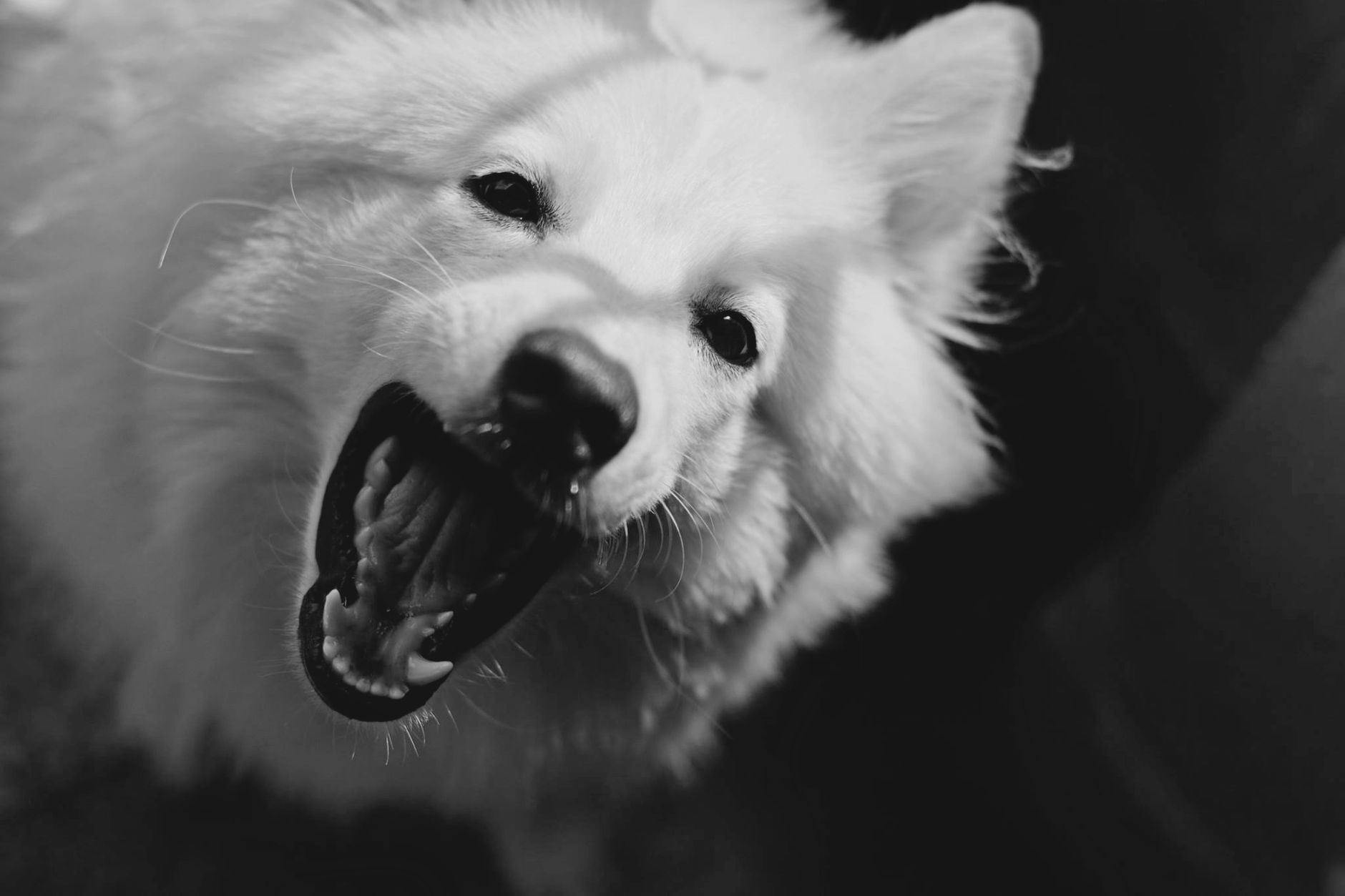
- Dilated pupils and an open-mouthed ‘play grin’
- Sudden, sharp changes in direction with high agility
- Exaggerated leaps, bounds, or play bows during brief pauses
The Physiology of Sudden Energy Bursts
Behind every zoomie is a complex cascade of hormones and neurological signals. When a dog experiences excitement, anticipation, or even mild stress, their body releases chemicals like adrenaline and cortisol.
This biochemical buildup primes their cardiovascular and muscular systems for immediate action. If they do not have an active physical outlet, those stress hormones pool in the nervous system, creating a state of high arousal.
Once the environmental trigger occurs, the brain signals that it is safe to discharge this energy. The result is a sudden, explosive physical effort that burns off the chemical buildup almost instantly, returning their system to a state of calm equilibrium.
The Adrenaline Rush
When adrenaline floods a dog’s bloodstream, their heart rate increases and their airways dilate. This prepare-for-action response is an evolutionary survival mechanism that modern dogs now repurpose for play.
The Post-Zoomie Crash
You will likely notice your dog collapses into a deep sleep immediately after a FRAP session. This dramatic shift occurs because the rapid physical exertion has successfully cleared the stress hormones from their system, triggering a profound relaxation response.

Common Triggers: When and Why Do They Happen?
In my clinical experience, dogs rarely zoom completely out of the blue. There is almost always an environmental or psychological trigger that sets off this intense chain reaction.
Understanding these triggers helps you anticipate when your dog might suddenly take flight, which is key to preventing accidents. It also allows you to manage their environment before they start bouncing off the walls or furniture.
I always tell my clients to look for patterns in their dog’s daily routine. Zoomies are highly predictable once you know what to look for, and identifying the triggers is the first step in effective management.
- The Post-Bath Burst: Water and towel rubbing trigger an intense desire to dry off, raise body temperature, and shake off sensory stress.
- The ‘Welcome Home’ Celebration: Your return after a long workday triggers a massive release of pent-up excitement and social anticipation.
- The Poop Zoomies: Many dogs feel a sudden sense of physical relief and lightness after defecating, leading to a quick celebratory sprint.
- The Evening Release: Twilight often triggers a natural instinct (crepuscular activity) to burn off the day’s remaining energy before sleep.

Age and Breed Susceptibility: Who Zooms the Most?
While any dog can experience FRAPs, certain patients of mine are much more prone to these outbursts than others. Age plays a massive role in the frequency, duration, and sheer intensity of these episodes.
Puppies and young adult dogs have developing nervous systems and incredibly high baselines of daily energy. They lack the self-regulation skills of mature dogs, meaning their pressure valves release much more frequently throughout the week.
Breed genetics also dictate how energy is stored and expended. High-drive working, herding, and sporting breeds are structurally and mentally wired for sustained activity, making them prime candidates for intense, daily FRAPs.
- Puppies and adolescents under two years of age
- Herding breeds like Border Collies, Australian Shepherds, and Shelties
- Sighthounds like Whippets and Greyhounds who are built for explosive sprinting
- Terriers with high prey drives and rapid arousal thresholds
- Working breeds like Boxers who thrive on physical expression and play

Is It Ever a Cause for Concern? Physical Safety Risks
While most zoomies are joyful, there are times in my practice where I have to advise caution and intervention. A dog zooming in a confined space with slick hardwood or tile floors is a recipe for orthopedic disaster.
I regularly treat torn cranial cruciate ligaments, patellar luxations, and severe muscle strains caused by a dog losing traction during an indoor FRAP. These injuries can be incredibly painful and often require expensive surgical correction to resolve.
Furthermore, what looks like a zoomie can sometimes be a manifestation of physical discomfort, skin allergies, or cognitive dysfunction. It is crucial to look closely at your dog’s facial expression and body language to ensure they are actually having fun rather than reacting to a sudden sting of pain.
- Slick indoor flooring like hardwood, laminate, or polished tile
- Cluttered rooms with sharp table corners or unstable furniture
- Strictly structured play immediately after eating, which poses a risk of GDV (Bloat) in large, deep-chested breeds
- Uncontrolled zooming in dogs with pre-existing joint issues like hip dysplasia or arthritis

Zoomies vs. Compulsive Behaviors: Red Flags to Watch For
It is vital to distinguish between a healthy FRAP and a compulsive, anxiety-driven behavior. Zoomies are brief, joyful, and easily interrupted if a high-value treat, toy, or familiar cue is introduced.
Compulsive behaviors, on the other hand, are highly repetitive, rigid, and incredibly difficult to stop once they begin. These behaviors often stem from chronic stress, sensory deprivation, or genetic predispositions rather than a simple surplus of physical energy.
If your dog seems distressed, panting heavily while wide-eyed, or if these episodes occur constantly throughout the day, it is time to schedule a clinical evaluation with your veterinarian. We need to rule out underlying neurological or behavioral disorders.
- Tail chasing that leads to growling, biting, or self-mutilation
- Repetitive, tight spinning in circles without the playful, loose posture of a normal FRAP
- Obsessive shadow or light chasing on walls and floors
- Episodes that cannot be interrupted even with high-value food or toys
- Sprinting that occurs as a direct response to fear, loud noises, or stressful triggers

How to Manage Zoomies Safely
I never recommend trying to physically stop a healthy zoomie mid-stride. Grabbing a speeding dog or stepping in their path can cause severe impact injuries to both you and your pet.
Instead, your goal should be proactive environmental management and steering. I teach my clients how to direct that explosive energy into safe, designated areas where the risk of slipping or crashing is minimized.
By taking simple, practical steps, you can let your dog enjoy their natural release of energy without worrying about an emergency trip to my clinic. Safety and fun can easily coexist with the right setup.
- Open the back door immediately to let them transition the sprint to a grassy, fenced-in yard.
- Place non-slip area rugs over high-traffic hardwood zones to prevent traction loss.
- Avoid chasing your dog, as they will perceive this as a high-speed game and run even faster.
- Keep a favorite toy handy to redirect indoor zooming away from fragile household items.
- Use a calm, low-pitched voice and a relaxed posture to help de-escalate the high-arousal state when they begin to slow down.
Channeling That Energy: Proactive Mental Stimulation
If your dog is zooming multiple times a day, it is often a sign that their daily physical and mental stimulation needs are not being met. Physical exercise alone is rarely enough for high-energy breeds.
In my practice, I find that structured mental enrichment is far more exhausting for a dog than a simple game of fetch. Mental work challenges their brain, lowering their overall baseline arousal levels and reducing the frequency of frantic energy spikes.
I advise my clients to incorporate brain games into their dog’s daily routine. This helps them achieve a more balanced, peaceful state of mind and reduces the biological need for sudden, explosive releases.
Scent Work and Sniffing
Allowing your dog to sniff extensively on walks activates their olfactory cortex, which burns significant mental energy. A twenty-minute ‘sniffari’ can be more tiring than a two-mile run.
Interactive Puzzle Feeders
Ditch the standard food bowl and transition to puzzle toys or stuffed, frozen rubber toys. Making your dog work for their meals naturally channels their focus and drains excess energy.
Short, High-Focus Training Sessions
Engaging in five to ten minutes of trick training or obedience work forces your dog to concentrate. This mental effort directly targets the brain, helping to prevent the build-up of frantic tension.
The Role of Sleep and Rest in Preventing Hyper-Arousal
Interestingly, a lack of quality sleep can also trigger frequent FRAPs, particularly in young puppies. Just like toddlers, overtired dogs often become hyperactive when they are actually desperate for rest.
When a dog does not get enough sleep, their cortisol levels remain elevated, putting them in a chronic state of low-level stress. This makes them highly reactive to minor triggers, causing frequent zoomie episodes as their system tries to shed the tension.
In my practice, I often recommend scheduled crate time or quiet rest periods for dogs that seem unable to settle down on their own. Ensuring your dog gets 12 to 14 hours of sleep daily is critical for their emotional regulation.
- Set up a quiet, darkened resting area free from household foot traffic and noise.
- Introduce a consistent daily schedule with designated nap times to encourage self-settling.
- Avoid overstimulating your puppy with continuous play sessions that stretch past their physical limits.
- Provide a calming, long-lasting chew toy like a stuffed rubber toy to encourage settling behavior.
Related Dog Guides
Frequently Asked Questions
Are zoomies a sign of a happy dog?
Yes, in the vast majority of cases, zoomies are an indicator of a happy, healthy, and stress-free dog. It means they feel safe and comfortable enough in their environment to let their guard down and express pure joy.
Why do dogs get the zoomies after a bath?
The post-bath zoomies are triggered by a combination of relief, adrenaline, and sensory overload. Dogs find the bathing process stressful, and sprinting afterward helps them shake off the residual stress, raise their body temperature, and dry their fur.
Can older dogs still get the zoomies?
Yes, older dogs can and do get the zoomies, though they typically occur less frequently and last for shorter durations. If your senior dog suddenly starts zooming, it is a great sign that their cognitive function and joint health are in good shape.
Should I try to stop my dog when they get the zoomies?
Generally, you should not try to stop a healthy zoomie, as doing so can cause frustration or accidental impact injuries. Instead, focus on guiding them to a safe, carpeted or grassy area and removing any immediate physical hazards from their path.
How often should a dog get the zoomies?
It varies by age and breed, but once or twice a day is standard for puppies and young dogs. If an adult dog is having multiple intense zoomie sessions every day, they likely need more structured mental enrichment or a boost in physical exercise.
Can anxiety cause a dog to get the zoomies?
Yes, sometimes zoomies are used as a coping mechanism to burn off cortisol caused by mild anxiety or frustration. If your dog’s zoomies are accompanied by a stiff posture, whining, or hyper-vigilance, consult your veterinarian to evaluate for anxiety.
Sources & Further Reading
Final Thoughts
Ultimately, the zoomies are a beautifully natural expression of canine vitality and joy. As a veterinarian, seeing a dog zoom tells me that they feel safe, healthy, and deeply comfortable in their environment.
My main goal is to help you ensure these episodes remain safe by managing their physical surroundings and meeting their daily mental and physical needs. Cherish these goofy moments, keep an eye out for slick floors, and enjoy the wonderful spectacle of a happy dog being a dog.
If you ever have concerns about their safety, joint health, or behavior, your veterinary team is always here to help you navigate your dog’s unique needs.