
Spinone Italiano Breed Guide
Quick Summary
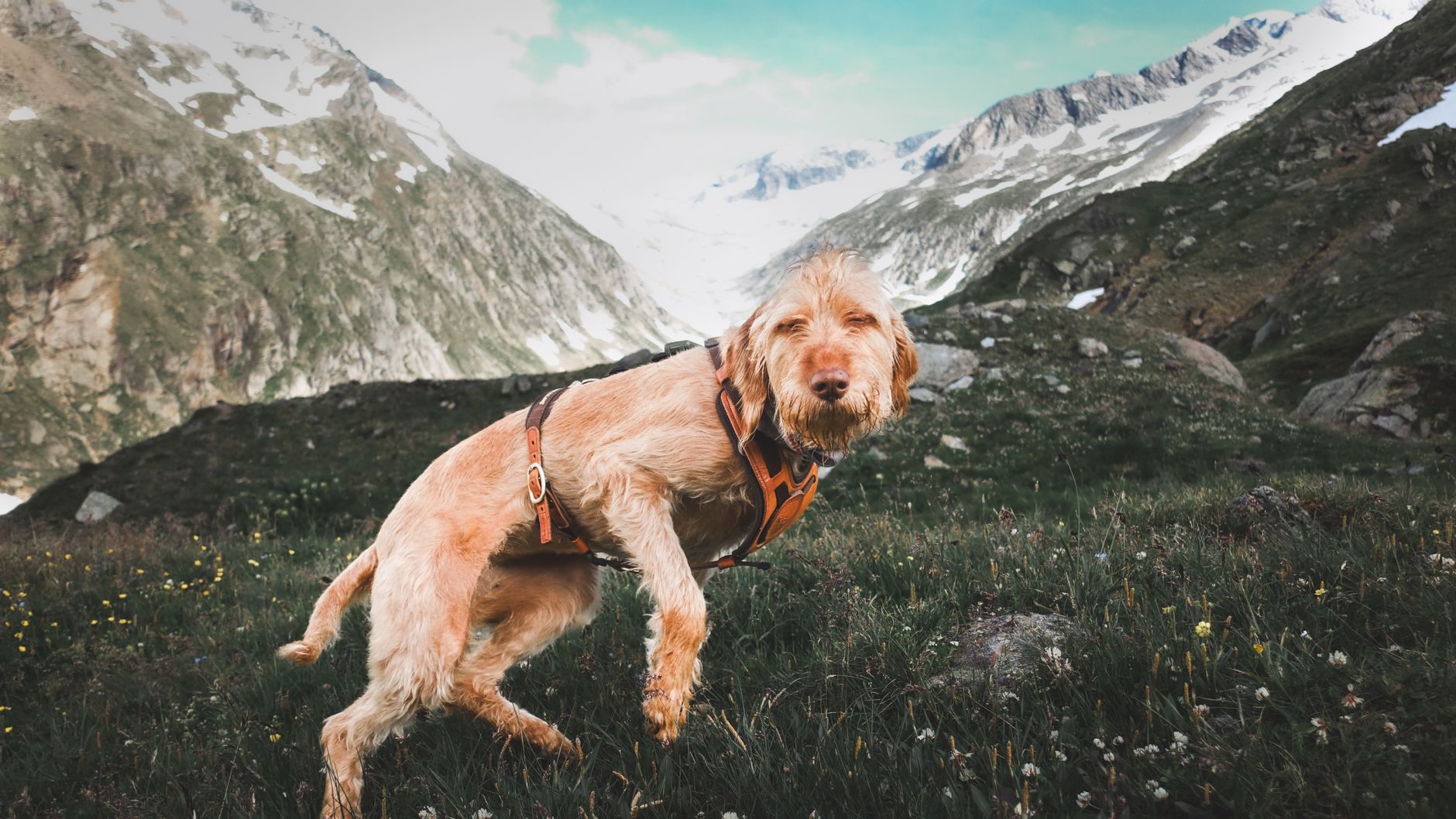
The Spinone Italiano is a soulful, heavy-boned gundog renowned for its close-working hunting style, sweet-tempered disposition, and distinctive wiry coat. Ideal for active families and outdoor enthusiasts, this breed combines the endurance of a field worker with the gentle, patient personality of a devoted family companion.
Quick Facts
- origin countryItaly
- breed groupSporting (AKC), Gundog (UK)
- sizeLarge
- weight range64 – 86 lbs (29 – 39 kg)
- height range22 – 27 inches (56 – 69 cm)
- lifespan10 – 12 years
- coat typeDense, stiff, and wiry single coat, roughly 1.5 to 2.5 inches long
- common colorsSolid white, white and orange, orange roan, white with brown markings, brown roan
- other namesItalian Spinone, Spinone, Italian Coarse-haired Pointer
- recognized byAKC, UKC, FCI, KC
Caring for a Spinone Italiano
In my years treating this breed, I have found that living with a Spinone means embracing a beautifully messy, slow-paced partnership. Unlike high-strung pointers, the Spinone operates with a methodical cadence, but they do track mud, drool, and water everywhere via their signature beard. They require roughly an hour of daily active exercise but are ultimately couch potatoes indoors, provided they are kept close to their human pack.
Is a Spinone Italiano a good family pet?
Absolutely. In my clinical experience, they are exceptionally patient, docile, and tolerant of children, often displaying a gentle empathy that makes them excellent candidates for therapy work.
Do Spinone Italianos shed a lot?
They are moderate shedders, but their wiry hair tends to fall out in clumps rather than a constant fine mist. Weekly brushing and occasional hand-stripping keep dead coat under control.
Is a Spinone Italiano good for first-time owners?
They can be, provided the owner understands their soft temperament. Harsh training methods will completely shut them down, so a first-time owner must commit to positive-reinforcement techniques.
Temperament & Personality
The Spinone Italiano is celebrated for its remarkably sweet, companionable, and almost human-like expression. They are deeply affectionate, sometimes to the point of being shadow dogs who want to touch you at all times. While they possess a stubborn streak, their default setting is cooperative, gentle, and remarkably laid-back for a sporting breed.
Is a Spinone Italiano good with other pets?
Yes, they generally cohabitate exceptionally well with other dogs and can live peacefully with cats if introduced properly, though they do retain some natural field instincts.
How much attention does a Spinone Italiano need?
They are highly social and prone to separation anxiety if left alone for long periods. They thrive when integrated fully into daily family life and activities.
Training & Behavior
Training a Spinone requires a soft touch and plenty of patience, as they are highly sensitive to their handler’s tone of voice. They are not mindless executors of commands; they are thinking dogs who will evaluate your requests. If pushed too hard, they will simply sit down and look at you with soulful, sorrowful eyes.
Training Tips
- Use high-value food rewards and enthusiastic praise.
- Keep training sessions short, fun, and varied to prevent boredom.
- Never yell or use physical corrections, as this ruins their trust.
- Focus on early socialization to prevent teenage shyness.
- Incorporate scent-work games to engage their natural tracking instincts.
Fun Activities
- Field trials and hunt tests
- Scent work and tracking
- Therapy dog work
- Hiking and swimming
- Canicross or low-impact jogging
Is a Spinone Italiano easy to train?
They are highly intelligent and eager to please, but their stubborn streak and slow processing speed mean they train at a leisurely pace compared to a Golden Retriever.
Spinone Italiano Health Issues
As a veterinarian, I consider the Spinone Italiano to be a relatively robust and healthy large breed, but they are genetically predisposed to several significant conditions that prospective owners must screen for. Responsible breeding practices have thankfully reduced the incidence of several of these conditions.
Cerebellar Ataxia (CA)
A fatal, inherited neurological disease causing progressive incoordination and motor control loss. A simple DNA test exists, and puppy buyers must ensure both parents are cleared.
Gastric Dilatation-Volvulus (GDV or Bloat)
A life-threatening emergency where the deep chest allows the stomach to fill with gas and twist on its axis. I frequently recommend prophylactic gastropexy (stomach tacking) during spay or neuter.
Hip and Elbow Dysplasia
Developmental malformations of the joints leading to painful arthritis. I manage this clinically with early weight management, joint supplements, and mandatory PennHIP or OFA screenings.
Otitis Externa (Ear Infections)
Their heavy, drop ears are lined with hair, trapping moisture and wax. This creates an ideal breeding ground for yeast and bacterial infections that I treat on an almost weekly basis in my practice.
Ectropion and Entropion
Conformational eyelid defects where the eyelids roll outward (ectropion) or inward (entropion), leading to corneal irritation, conjunctivitis, and scarring.
How long do Spinone Italianos typically live?
On average, they live 10 to 12 years. Maintaining a lean body weight is the single most effective way to protect their joints and extend their lifespan.
What to Feed a Spinone Italiano
Feeding a large, deep-chested breed like the Spinone requires careful attention to volume, pacing, and nutrient balance to avoid rapid growth in puppyhood and life-threatening bloat in adulthood.
Best Diet
A high-quality, large-breed formula that supports joint health with added glucosamine and chondroitin. Puppies must be fed a slow-growth, large-breed puppy food to prevent rapid bone development.
How to Feed
Always split their daily food into at least two separate meals. Avoid using raised bowls unless medically advised, and strictly prohibit vigorous exercise for one hour before and after eating.
How Much to Feed
Typically 3 to 5 cups of kibble daily, split between meals, depending heavily on the dog’s weight, age, and activity level. Always consult your vet to tailor portions to your dog’s body condition score.
Nutritional Tips
Incorporate high-quality omega-3 fatty acids (like wild-caught fish oil) to support their skin health and keep their coarse, wiry coat properly nourished from the inside out.
Spinone Italiano Grooming Guide
The Spinone’s coat is designed to be weather-resistant and protective in harsh brush, which means it requires specific care rather than frequent clipping to maintain its unique texture.
Coat Care
Do not clip the coat with clippers, as this ruins the harsh, protective texture and makes it soft and fuzzy. Instead, hand-strip the coat twice a year to remove dead hair, and brush weekly with a pin brush.
Skin Care
Clean the beard daily. The long facial furnishings act like a sponge for water and wet food, which can lead to bacterial lip-fold dermatitis if left damp.
Eye Care
Because of their slightly loose facial skin, wipe away morning eye debris daily to prevent tear-staining and conjunctival irritation.
Ear Care
Inspect and clean ears weekly using a veterinarian-approved drying cleanser. Pluck or trim excess hair from the canal entrance if it blocks airflow.
Nail & Dental Care
Trimming thick, strong nails every 3 to 4 weeks is essential to prevent splayed toes. Brush teeth daily, as their beard can harbor bacteria that speeds up periodontal disease.
Considerations for Pet Parents
Pros
- Extremely gentle, patient, and phenomenal with children.
- Less frantic and hyperactive than other hunting/pointer breeds.
- Highly adaptable, transition easily from outdoor trail to indoor couch.
- Sturdy and robust, built for cold weather and rugged terrain.
- Minimal odor and relatively low shedding compared to double-coated breeds.
Cons
- The beard collects water, mud, and food, creating a constant drip hazard.
- Can be stubborn and independent during formal training.
- Highly prone to separation anxiety if left alone frequently.
- Requires careful ear and skin hygiene to prevent chronic infections.
Best For
Active, outdoorsy families, hikers, or hunters who want a devoted, soft-tempered house dog that can handle rugged terrain by day and snuggle on the rug by night.
Not Recommended For
Neat freaks who cannot tolerate drool, wet beards, or mud; or families where the dog will be left alone in a backyard for long stretches of the day.
Cost
- purchase price$1,800 – $3,000 USD from a reputable, health-testing breeder.
- monthly cost$150 – $250 USD, factoring in high-quality food, joint supplements, and preventative veterinary care.
- initial setupInitial costs will range from $1,200 to $2,500 for high-quality crates, gastropexy surgery (if elected during desexing), and diagnostic health screenings.
Similar Breeds

Related Dog Guides
Spinone Italiano FAQs
Do Spinone Italianos drool?
Yes, they are a drooling breed. While they don’t produce as much volume as a Mastiff, their long beards trap saliva and water, which they will inevitably fling onto your walls, furniture, and clothes when they shake.
Are they hypoallergenic?
No, they are not hypoallergenic. While they do not have a dense undercoat and shed moderately, they still produce dander, saliva, and trap allergens in their long facial hair.
Can they live in an apartment?
They can adapt to apartment life if their owners are highly active. However, because of their size, love for the outdoors, and potential for separation vocalizations, they thrive best in a home with a fenced yard.
Do they bark a lot?
Generally, no. Spinoni are not nuisance barkers. When they do bark, it is usually a deep, booming alert bark, or they may use soft, expressive whines and ‘woo-woos’ to communicate with you.
How are they with water?
They are natural, strong swimmers. Historically used to retrieve from marshes, they have webbed feet and a water-resistant coat, making them love lakes, pools, and muddy puddles.
How fast do they run compared to other pointers?
They are slower and more methodical. While a German Shorthaired Pointer runs in high-speed, wide patterns, the Spinone works close to the hunter at a steady, tireless trot.
How do you stop their beard from smelling?
Wash their beard with a gentle dog shampoo weekly, dry it thoroughly after they drink, and use stainless steel food bowls that are washed after every meal to prevent bacterial growth.
What is the difference between a Spinone and a Wirehaired Pointing Griffon?
The Spinone is larger, heavier-boned, and generally has a calmer, more laid-back energy level. The Griffon is smaller, quicker in the field, and often more high-energy.
Are they prone to separation anxiety?
Yes. They form incredibly tight bonds with their families and can become destructive, howl, or pace if left alone for longer than 4 to 5 hours at a time.
Can they cope with hot weather?
Because of their thick, protective skin and dense coat, they can overheat in high humidity. In summer, restrict heavy exercise to early mornings and late evenings, and always provide fresh water.
At what age do they mature?
They are a slow-maturing breed, both physically and mentally. They often do not reach full physical development or mental maturity until they are about 2 to 3 years old.
Is it safe to let them off-leash?
Only in secure areas or after intensive recall training. While they work close to their handlers, they are still hunting dogs with a strong nose and will follow interesting scent trails.