

Quick Summary
Dogs follow their owners due to a combination of evolutionary pack instincts, operant conditioning, and deep emotional bonding driven by oxytocin. While this ‘Velcro’ behavior is usually a harmless sign of affection, a sudden onset or accompanying distress can signal underlying separation anxiety, chronic pain, or cognitive decline that requires veterinary evaluation.
In my fifteen years of clinical practice, one of the most common questions pet parents ask me during wellness exams isn’t about diet or vaccines. It is: ‘Dr.
Heller, why does my dog follow me into the bathroom?’
We laugh about it, but this intense shadowing behavior is actually a fascinating window into canine psychology and physiology.
Understanding why your dog acts like a furry second shadow helps you strengthen your bond and, more importantly, spot when this behavior points to an underlying medical or behavioral issue.
Key Takeaways
- Canine shadowing is often driven by positive reinforcement; dogs learn that following you leads to rewards like treats, affection, or walks.
- The ‘Velcro dog’ phenomenon is deeply rooted in evolution, as domesticated dogs are pack animals bred to cooperate closely with human handlers.
- Oxytocin, the ‘love hormone,’ spikes in both dogs and humans during close contact, chemically reinforcing physical proximity.
- Certain herding and working breeds, like German Shepherds and Border Collies, are genetically predisposed to shadow their owners.
- A sudden change in following behavior can indicate hidden medical issues, such as vision loss, osteoarthritic pain, or early cognitive dysfunction.
- Distinguishing between healthy attachment and pathologic separation anxiety is critical for your dog’s long-term mental well-being.
In This Article
- The Evolutionary Bond: Pack Instincts and Domestication
- The ‘Velcro Dog’ Phenotype: Breed Predispositions
- Operant Conditioning: How We Accidentally Reward the Shadow
- The Chemistry of Love: Oxytocin and Emotional Security
- When Shadowing Turns Sour: Identifying Separation Anxiety
- Medical Triggers: Why Your Dog Might Suddenly Start Shadowing
- How to Encourage Healthy Independence
- The Role of Age: Puppies vs. Senior Dogs
The Evolutionary Bond: Pack Instincts and Domestication
Dogs are descendants of wild canids who relied on a highly structured pack dynamic for survival. Throughout domestication, humans selectively bred dogs to pay close attention to our movements, gestures, and vocalizations.
In my clinic, I often remind owners that this isn’t just about survival; it is about shared history. Your dog views you as their primary resource provider and pack leader.
This genetic programming is why your dog feels a biological imperative to keep you in their line of sight.
- Cooperative pack instincts that translate to modern family supervision
- Selective breeding for working, herding, and guarding tasks over thousands of years
- A natural desire for safety and protection found within a stable group dynamic
- An innate curiosity about human activities and micro-movements

The ‘Velcro Dog’ Phenotype: Breed Predispositions
Not all dogs follow their owners with the same level of intensity. In my years of practice, I have treated what we veterinarians informally call ‘Velcro dogs’—breeds that seem physically attached to their owners’ hips.
These are typically breeds bred to work in close partnership with humans, either herding livestock, retrieving game, or guarding property.
Understanding your dog’s breed history can explain why their shadowing instinct is so profoundly set.
- Herding Breeds: Border Collies, Australian Shepherds, and German Shepherds who naturally want to keep the ‘herd’ together
- Working and Toy Breeds: Doberman Pinschers and Chihuahuas who form exclusive, intense bonds with a single person
- Retriever Breeds: Golden Retrievers and Labrador Retrievers who are highly motivated by human praise, eye contact, and cooperation
The Working Group Dynamics
Working breeds often view shadowing as their primary daily job. If they do not have a flock to guard or a field to clear, they will redirect that working energy toward tracking your daily household movements.
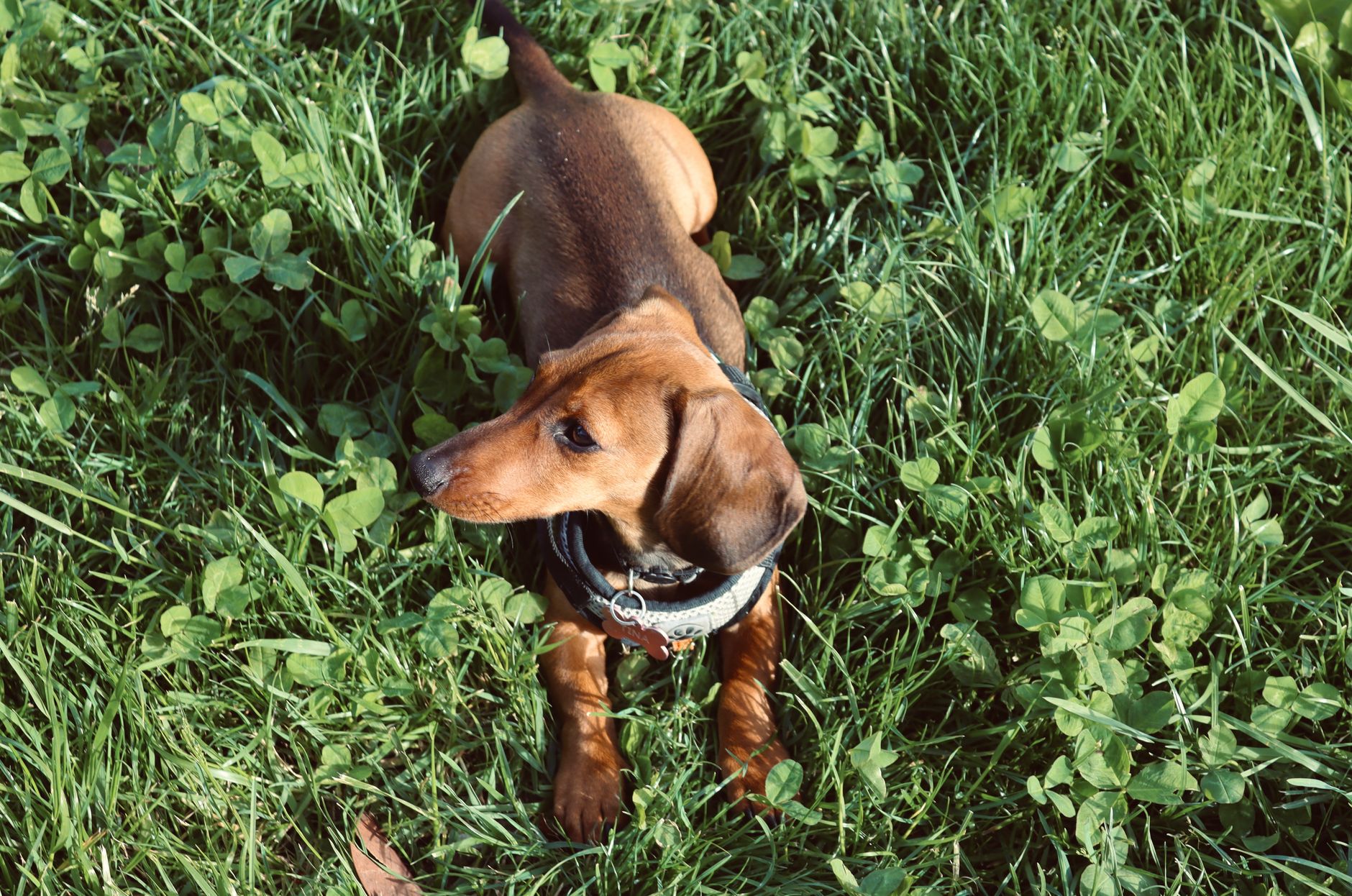
Operant Conditioning: How We Accidentally Reward the Shadow
What I see most often in practice is that owners unknowingly train their dogs to follow them. This happens through a process called operant conditioning.
Every time you look down, smile, talk to, or drop a piece of food for your dog while they are trailing you, you are reinforcing the behavior.
To a dog, even negative attention—like telling them to go lie down in a frustrated voice—can be seen as a rewarding interaction.
- Accidental food drops in the kitchen during your daily meal prep
- Affectionate head scratches when they sit directly under your desk
- Eye contact and verbal praise when you move from room to room
- Predictable routines where your movement signals an impending walk or feeding time

The Chemistry of Love: Oxytocin and Emotional Security
There is a genuine chemical basis for your dog’s desire to be near you. Clinical studies have shown that mutual gazing between a dog and their owner triggers a release of oxytocin in both species.
This is the same hormone responsible for maternal bonding and trust in humans.
Your dog is not just looking for a handout; they are actively seeking the chemical comfort and emotional security that your physical presence provides.
- Reduced heart rates and lower cortisol levels during close contact
- A profound sense of safety that allows your dog to rest deeply when nearby
- Reinforcement of the social bond every time you share a quiet, close moment together

When Shadowing Turns Sour: Identifying Separation Anxiety
There is a fine line between a healthy, loving shadow and a dog suffering from separation anxiety. As a veterinarian, I look closely at the dog’s emotional state while they are following you.
If your dog follows you with a relaxed posture, soft eyes, and a loose tail, it is likely healthy bonding.
However, if they display signs of distress or panic when a door closes between you, we are dealing with a behavioral issue that needs intervention.
- Whining, pacing, or panting as you prepare to leave the house
- Destructive chewing near exit points like doors and windows
- Inability to settle or rest in a different room even when other family members are present
- Salivating or vocalizing excessively when separated by a baby gate or door
How to Assess Your Dog’s Stress
Try closing the bathroom door for exactly two minutes. A healthy dog may wait outside calmly or wander off, while an anxious dog will scratch, whine, or show physiological signs of panic.

Medical Triggers: Why Your Dog Might Suddenly Start Shadowing
I always tell my clients that any sudden change in a dog’s behavior warrants a thorough veterinary checkup. If your independent dog suddenly transforms into a Velcro dog, do not assume it is just behavioral.
Pain, sensory loss, and cognitive decline are classic medical reasons why a dog might seek constant physical closeness.
They are looking to you to act as their primary guide and protector when their own body or mind feels unreliable.
- Early-stage vision loss or cataracts making them depend on your movements for navigation
- Osteoarthritis or chronic pain causing them to seek comfort and safety near their trusted human
- Hearing loss that makes them startle easily, leading them to rely on visual tracking of your body
- Canine Cognitive Dysfunction (CCD), which is similar to dementia in humans and causes severe confusion
Canine Cognitive Dysfunction (CCD) Signs
In older dogs, CCD often manifests as aimless wandering, getting stuck in corners, and a sudden, anxious need to stay pressed against your legs at all times.

How to Encourage Healthy Independence
If your dog’s shadowing behavior is driven by mild anxiety or over-attachment, you can take practical steps to rebuild their confidence. Our goal is not to break the bond, but to make your dog feel safe when they are a few feet away.
I recommend starting with small, incremental changes to your daily home routine.
Teaching your dog that independence is rewarding will significantly reduce their overall stress levels.
- Establish a designated ‘place’ or bed where they are trained to stay while you move around
- Provide high-value, long-lasting puzzles or chew toys (like a stuffed KONG) exclusively when you are in another room
- Practice desensitizing your departure cues, such as picking up your keys without actually leaving the house
- Avoid making a big fuss when leaving or returning home to keep transitions calm and low-key
The Role of Age: Puppies vs. Senior Dogs
The age of your dog plays a massive role in why they are following you. Puppies and senior dogs shadow for entirely different developmental and physiological reasons.
Recognizing these age-specific motivations helps you tailor your care and expectations.
Let’s break down how developmental stages dictate this common behavior.
- Puppies (under 6 months): They are in their critical socialization window and rely heavily on you for security as they learn about the world
- Adolescent Dogs (6-18 months): May show renewed clinginess during fear periods or as hormonal changes occur
- Senior Dogs (8+ years): Often follow due to age-related physical vulnerability, seeking safety, warmth, and reassurance
Related Dog Guides
Frequently Asked Questions
Is it bad that my dog follows me into the bathroom?
Generally, no. Your dog follows you to the bathroom because it is a confined space where you are stationary, making you an easy target for affection and attention. However, if they scratch frantically or whine at the closed door, it indicates separation anxiety that should be addressed.
Does my dog follow me because they think they are the ‘alpha’?
No, this is a myth. The ‘alpha’ or dominance theory has been thoroughly debunked by modern veterinary behaviorists. Your dog follows you because they view you as a source of safety, resources, and emotional security, not because they are trying to assert dominance over you.
Can a sudden increase in clinginess mean my dog is sick?
Yes, absolutely. A sudden shift from an independent lifestyle to constant shadowing can be a warning sign of pain, vision or hearing loss, or systemic illness. If this behavior change occurs abruptly, schedule an appointment with your veterinarian for a comprehensive physical exam.
How do I know if my dog is attached or has separation anxiety?
A healthy, attached dog is relaxed while following you and can easily settle down in another room or sleep when you are gone. A dog with separation anxiety displays physiological signs of panic, such as panting, drooling, vocalizing, or destructive behavior, the moment they are separated from you.
Why does my dog follow me but not my spouse or other family members?
Dogs often identify a primary bond holder—the person who feeds them most often, trains them, or provides the most consistent positive reinforcement. If you are the primary source of high-value resources and stimulating activities, your dog will naturally shadow you more closely.
How can I stop my dog from tripping me up when they follow me?
To prevent tripping hazards, train your dog to execute a reliable ‘heel’ or ‘go to place’ command using positive reinforcement. Consistently reward them for keeping a safe distance of one to two feet, and avoid rewarding them when they cut directly in front of your walking path.
Sources & Further Reading
Final Thoughts
In the vast majority of cases, having a canine shadow is a testament to the beautiful, historic bond we share with our dogs. It is their way of saying that you are their safe harbor in a big, noisy world.
However, as responsible pet owners, we must remain observant of the subtle shifts in this behavior over time. If your dog’s following comes with signs of stress, panic, or physical discomfort, please do not hesitate to reach out to your local veterinary team.
Together, we can ensure your dog’s close attachment remains a source of joy and comfort, rather than a symptom of underlying distress.