
Skookum Breed Guide
Quick Summary
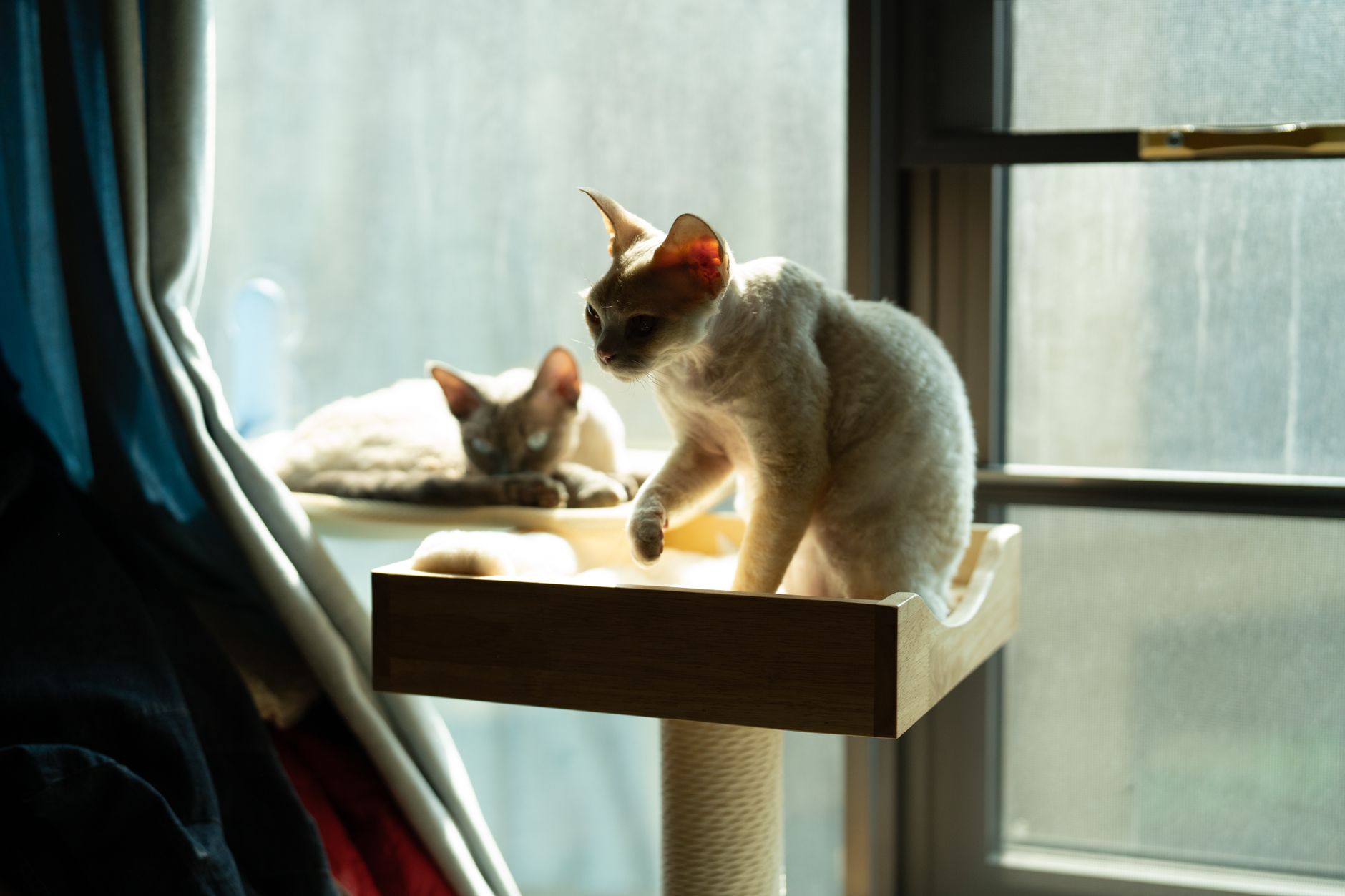
The Skookum is an enchanting, pocket-sized feline that combines the short legs of the Munchkin with the soft, curly coat of the LaPerm. In my practice, I find these ‘feline Shirley Temples’ to be highly affectionate, surprisingly agile, and best suited for families who can dedicate time to active play and regular coat maintenance.
Quick Facts
- origin countryUnited States
- breed groupDwarf / Rex Mutation
- sizeSmall
- weight range3 to 7 lbs (1.4 to 3.2 kg)
- height range6 to 8 inches (15 to 20 cm)
- lifespan10 to 15 years
- coat typeShort or long, curly/wavy, soft texture
- common colorsAll colors and patterns, including pointed, solid, tabby, and tortie
- other namesCurly-Coated Munchkin
- recognized byTICA, TDCA
Caring for a Skookum
Living with a Skookum is a joyful but active commitment; despite their short legs, they do not realize they are small and will attempt to jump onto countertops and high shelves. In my clinic, I emphasize to owners that their low-slung structure requires joint support from an early age and careful weight management to prevent spinal strain. You will need to balance their high energy levels with safe, low-impact climbing alternatives like ramp-accessible cat trees. Their unique curly coat also demands consistent, mindful grooming to prevent painful matting near the skin.
Is a Skookum a good family pet?
Absolutely. In my practice, I’ve watched Skookums form deep, playful bonds with children who understand how to handle small animals gently. Because of their short legs, they can be easily injured if dropped, so supervision with younger children is highly recommended.
Do Skookums shed a lot?
They are moderate shedders, but their loose hairs tend to get trapped within their curly locks rather than falling onto your furniture. This means that while you won’t find masses of hair on your carpet, you must brush them regularly to prevent those trapped hairs from forming painful mats.
Is a Skookum good for first-time owners?
They can be wonderful for first-time owners who are willing to commit to their unique grooming and joint-health needs. However, if you are looking for a low-maintenance, ‘set-it-and-forget-it’ cat, their grooming and active play requirements might be overwhelming.
Temperament & Personality
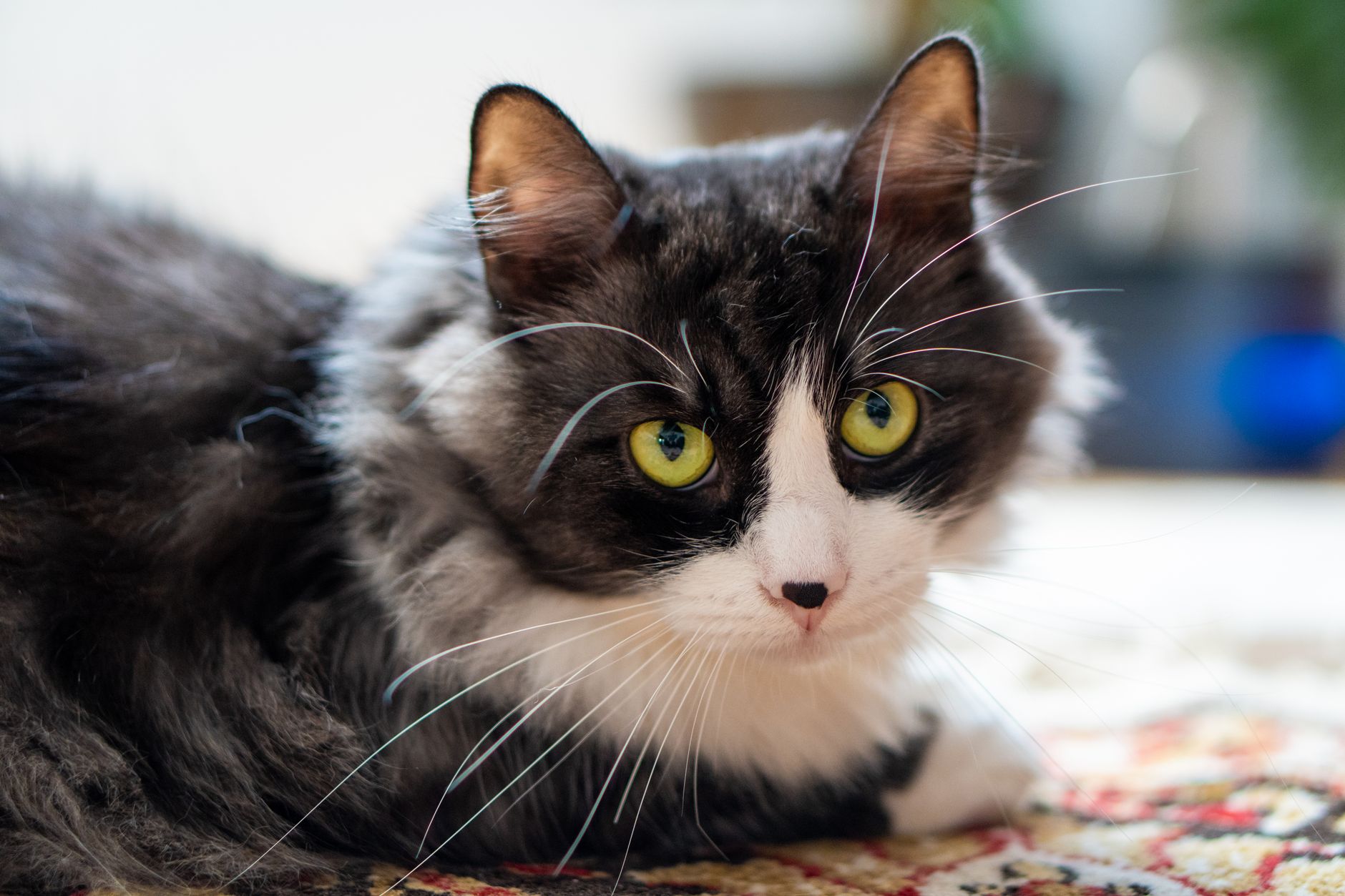
The Skookum is famously outgoing, retaining a kitten-like curiosity and playfulness well into their senior years. I often describe them as ‘feline puppies’ because of their propensity to follow their owners from room to room and even fetch toys. They are highly social creatures that thrive on human companionship and do not tolerate isolation well.
Is a Skookum good with other pets?
Yes, they are exceptionally gregarious and typically adapt very well to multi-pet households. I frequently see them playing harmoniously with friendly dogs and other cats, often initiating games of chase.
How much attention does a Skookum need?
Quite a lot; they are prone to separation anxiety if left alone for long stretches. I always advise owners who work long hours to consider adopting a companion pet to keep their Skookum mentally stimulated and emotionally secure.
Training & Behavior
Skookums are highly intelligent and surprisingly trainable, often mastering tricks that leave owners amazed. Their LaPerm ancestry gives them a keen, problem-solving mind, while their Munchkin heritage drives their active curiosity. In my experience, positive reinforcement using high-value treats works exceptionally well for shaping their behavior and preventing mischief.
Training Tips
- Use clicker training for mental stimulation
- Keep sessions short, around 3 to 5 minutes
- Use low-impact agility setups to protect joints
- Leash train early using a supportive H-harness
- Never use physical discipline; redirect energy instead
Fun Activities
- Interactive puzzle feeders
- Lightweight fetch games
- Low-level agility courses
- Clicker trick training
- Feather wand chasing
Is a Skookum easy to train?
Yes, they learn remarkably fast due to their high intelligence and desire to please. I have successfully guided owners to train their Skookums to fetch, sit, and even walk on a leash, provided the training is fun and reward-based.
Skookum Health Issues
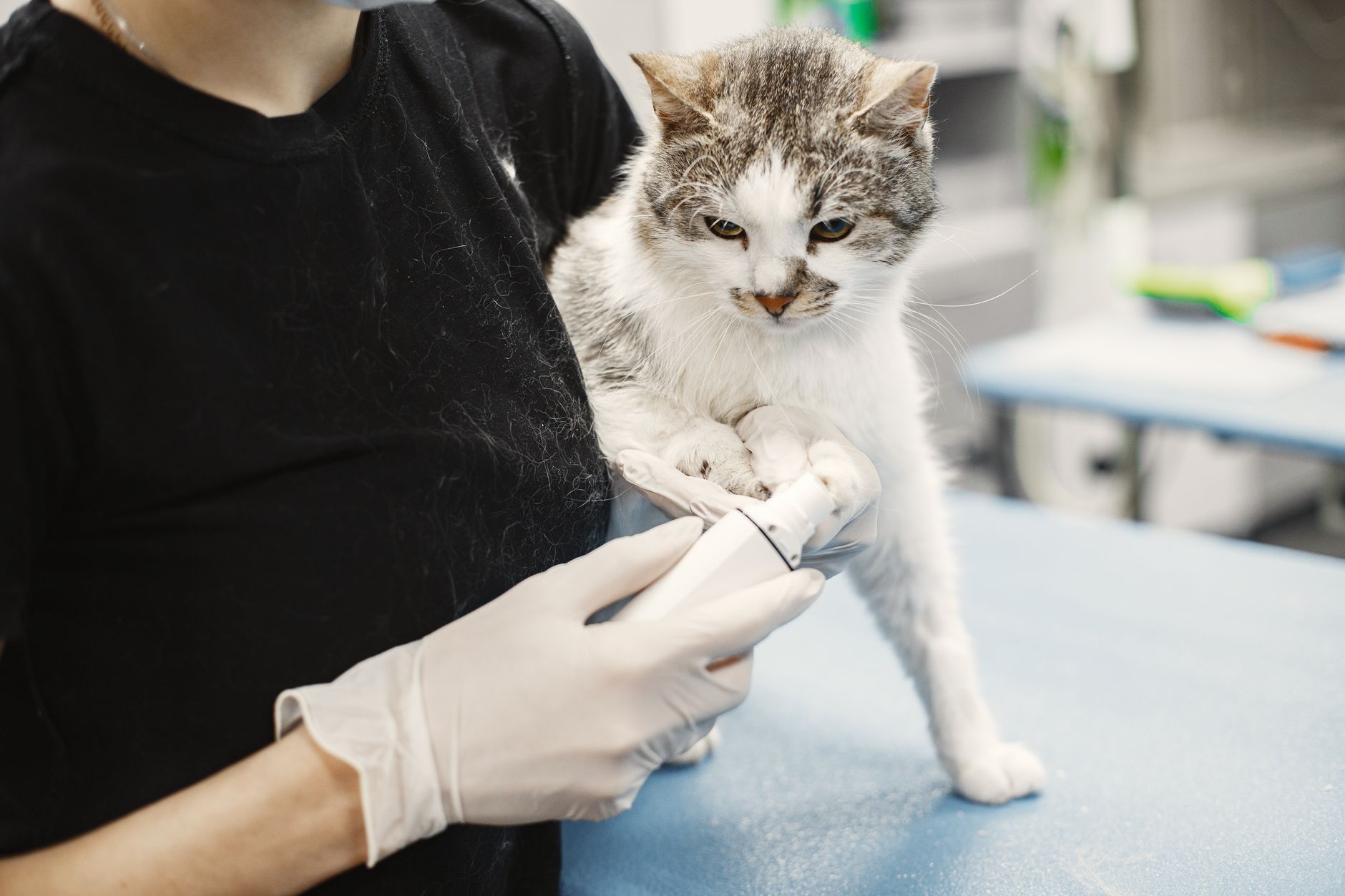
While generally robust, the Skookum’s unique genetic makeup—combining chondrodysplasia and a rexed coat—requires targeted veterinary vigilance. As a vet, my primary concerns center around joint health, spinal alignment, and maintaining an ideal body weight to prevent structural strain.
Osteoarthritis
Due to their shortened limbs, Skookums experience altered joint biomechanics, which can accelerate wear and tear on their cartilage. Over time, this leads to early-onset arthritis, particularly in the elbows and hips.
Lordosis
This is a spinal deformity characterized by an inward curvature of the spine, which can occur in short-legged breeds. In severe cases, it can compress internal organs, particularly the lungs and heart.
Pectus Excavatum
A congenital deformity where the breastbone sinks into the chest, potentially crowding the thoracic organs. It is a documented risk in dwarf breeds and can range from mild to life-threatening.
Feline Dermatitis
Their curly coats are prone to trapping oils and debris close to the skin. If not regularly groomed, this can lead to yeast or bacterial infections, causing painful localized inflammation.
Obesity
Carrying even half a pound of excess weight puts immense, hazardous strain on a Skookum’s shortened skeleton and spine. Keeping them lean is the single most important preventative measure an owner can take.
How long do Skookums typically live?
With excellent veterinary care, a balanced diet, and strict weight management, Skookums can enjoy a lifespan of 10 to 15 years. Regular senior wellness exams starting around age 7 are crucial for monitoring joint health.
What to Feed a Skookum
Nutrition for a Skookum must focus heavily on lean muscle maintenance and joint support. Because they cannot afford to carry excess weight, precise portion control and high-quality proteins are absolute non-negotiables.
Best Diet
I recommend a high-protein, low-carbohydrate wet diet to promote hydration and muscle mass. Look for formulas supplemented with glucosamine, chondroitin, and Omega-3 fatty acids to proactively protect their joints.
How to Feed
Establish strict, scheduled meal times—ideally 2 to 3 small meals a day—rather than free-feeding. Free-feeding is the fast track to feline obesity, which is exceptionally dangerous for this breed’s skeletal structure.
How Much to Feed
Portions should be calculated precisely based on their caloric needs, typically around 180 to 220 calories per day for an average adult. You must consult your veterinarian to tailor this to your cat’s specific metabolic rate and activity level.
Nutritional Tips
Avoid grain-heavy fillers that contribute to unnecessary weight gain. Always ensure fresh, filtered water is available, ideally from a fountain, to encourage drinking and support kidney health.
Skookum Grooming Guide
The Skookum’s curly coat is beautiful but requires a dedicated routine to prevent it from becoming a matted mess. Their fur is softer and more delicate than a standard cat’s, meaning harsh brushing can ruin the natural curls.
Coat Care
Brush their curly coat 2 to 3 times a week using a wide-toothed comb or a soft slicker brush to gently detangle without pulling. Avoid fine-toothed combs, which can frizz and damage their unique curls.
Skin Care
Bathe them occasionally, about every 6 to 8 weeks, with a mild, vet-approved oatmeal shampoo to remove excess skin oils that can build up in their curls.
Eye Care
Due to their slightly rounder facial structure, check their eyes daily for minor discharge and wipe with a damp, warm cotton ball if needed.
Ear Care
Check their ears weekly for dirt or wax buildup, as their curly ear furnishings can trap debris. Clean only if necessary using a vet-recommended, alcohol-free ear cleanser.
Nail & Dental Care
Trim their nails every 2 to 3 weeks to prevent snagging, and brush their teeth daily with feline-formulated toothpaste to combat periodontal disease.
Considerations for Pet Parents
Pros
- Extremely affectionate and loving
- Highly social and great with other pets
- Unique, striking curly-coated appearance
- Playful, kitten-like personality throughout life
- Highly intelligent and responsive to training
- Small size makes them ideal for apartment living
Cons
- Requires regular, diligent grooming
- Prone to joint and spinal issues like lordosis
- High risk of obesity impacting skeleton
- Does not tolerate being left alone for long periods
Best For
The ideal owner is someone who works from home or has an active household, has the time for daily play and multi-weekly grooming sessions, and is committed to strict weight management and preventative veterinary care.
Not Recommended For
I do not recommend this breed for households where they will be left alone for 8 to 10 hours a day, or for families with very young, boisterous children who might accidentally drop or injure a fragile dwarf cat.
Cost
- purchase price$1,500 – $3,000 USD
- monthly cost$80 – $150 USD
- initial setupInitial setup costs include high-quality low-entry litter boxes, ramps, scratching posts, grooming tools, and initial vet visits, totaling roughly $500 to $800.
Similar Breeds

Related Cat Guides
Skookum FAQs
Are Skookums recognized as an official breed?
The Skookum is recognized by the Dwarf Cat Association and is registered with the International Cat Association as an Experimental breed. Because they are still relatively new and rare, they are not yet fully recognized by mainstream registries like the CFA.
Can a Skookum jump?
Yes, surprisingly well! While they cannot leap from the floor to the top of a refrigerator in a single bound like long-legged cats, they are highly resourceful. They will use a series of short hops, climbing, or furniture ‘stepping stones’ to reach high spots.
Do Skookum kittens lose their curls?
Yes, this is a common phenomenon known as the ‘bald’ or ‘straight’ phase. Skookum kittens are often born curly, may lose their curls or shed them around 4 to 6 months of age, and then develop their permanent, adult curly coat by their first birthday.
What is the genetic origin of the Skookum?
The Skookum was created in the United States during the 1990s by crossing the Munchkin (known for its short legs caused by a dominant gene) with the LaPerm (known for its curly coat caused by a dominant rex gene). This creates a cat that possesses both dominant traits.
Do Skookums have spinal problems like Dachshunds?
Unlike Dachshunds, cats have highly flexible spines, so they do not suffer from Intervertebral Disc Disease at the same rate. However, they are still at risk for lordosis and joint wear, so careful handling and weight management are vital.
Are Skookums hypoallergenic?
No, they are not hypoallergenic. While their curly coat traps dander and loose fur close to the skin, they still produce the Fel d 1 protein in their saliva and skin glands, which triggers allergies.
How often should I bathe a Skookum?
I recommend bathing them only once every 6 to 8 weeks, or when their coat begins to feel greasy. Over-bathing can strip their skin of natural oils, leading to dry, flaky skin and damaging the soft structure of their curls.
Do Skookum cats need special litter boxes?
Yes, because of their short legs, standard high-sided litter boxes can be difficult for them to enter and exit. I always advise my clients to purchase low-entry or senior-friendly litter boxes with an entry height of 3 inches or less.
Are Skookum cats vocal?
They are moderately communicative, but they are not loud or demanding like Siamese cats. They tend to communicate with quiet, chirpy trills and soft purrs to express their affection or ask for dinner.
Can Skookums go outdoors?
I strongly recommend keeping Skookums as strictly indoor-only cats. Their short stature makes them highly vulnerable to predators, traffic, and parasites, and their friendly, trusting nature means they lack the defensive instincts needed for the outdoors.
How do I prevent my Skookum from gaining weight?
Preventing weight gain requires a combination of portion-controlled feeding and daily interactive play. Using food puzzles that make them work for their kibble is an excellent way to burn calories and provide mental stimulation.
What kind of brush is best for a Skookum?
A wide-toothed metal comb and a soft-bristled brush are ideal. Avoid wire slicker brushes with harsh pins that can tear at their delicate curls, and never brush their coat when it is wet, as this can flatten the curls.
Do Skookums get along with dogs?
Yes, their outgoing and confident personalities make them excellent companions for dogs. As long as the dog is cat-friendly and properly socialized, a Skookum will often treat them as a playmate and cuddle buddy.
Why is the breed called ‘Skookum’?
The word ‘Skookum’ originates from Chinook Jargon, a trade language of the Pacific Northwest, meaning ‘strong,’ ‘brave,’ or ‘powerful.’ It was chosen to reflect the breed’s surprisingly robust and spirited nature despite its small size.