
Border Collie Breed Guide

Quick Summary
The ultimate canine workaholic, the Border Collie is unmatched in intelligence, agility, and herding drive. Best suited for highly active owners, competitive sports handlers, or working farms, they require intense mental and physical stimulation to prevent destructive behaviors.
Quick Facts
- origin countryUnited Kingdom (Anglo-Scottish border)
- breed groupHerding
- sizeMedium
- weight range30 to 55 lbs (14 to 25 kg)
- height range18 to 22 inches (46 to 56 cm)
- lifespan12 to 15 years
- coat typeDouble coat (either rough or smooth varieties)
- common colorsBlack and white, blue merle, red merle, sable, brindle, tricolor
- other namesScottish Sheepdog
- recognized byAKC, UKC, KC, FCI, ANKC
Caring for a Border Collie
Day-to-day life with a Border Collie is a commitment to keeping a highly active brain busy. In my experience, if you don’t give them a job, they will invent one—which usually involves herding your cats, children, or vacuum cleaner. You should expect to spend at least 2 hours daily on structured physical exercise and interactive mental puzzles. It is an incredibly rewarding partnership, but it feels more like managing a professional athlete than keeping a casual household pet.
Is a Border Collie a good family pet?
Yes, but with caveats; they are highly affectionate with their family but their intense herding instinct can lead to nipping at the heels of running children. I always recommend them for families with older, dog-savvy kids who can participate in their training.
Do Border Collies shed a lot?
They shed moderately year-round and heavily twice a year during seasonal ‘blow outs’ of their dense undercoat. Weekly brushing is essential, increasing to daily sessions during shedding season to manage the loose fur.
Is a Border Collie good for first-time owners?
Generally, no. Their extreme intelligence and high energy mean they will easily outsmart an inexperienced owner, often developing complex behavioral issues if their mental and physical needs aren’t met.
Temperament & Personality
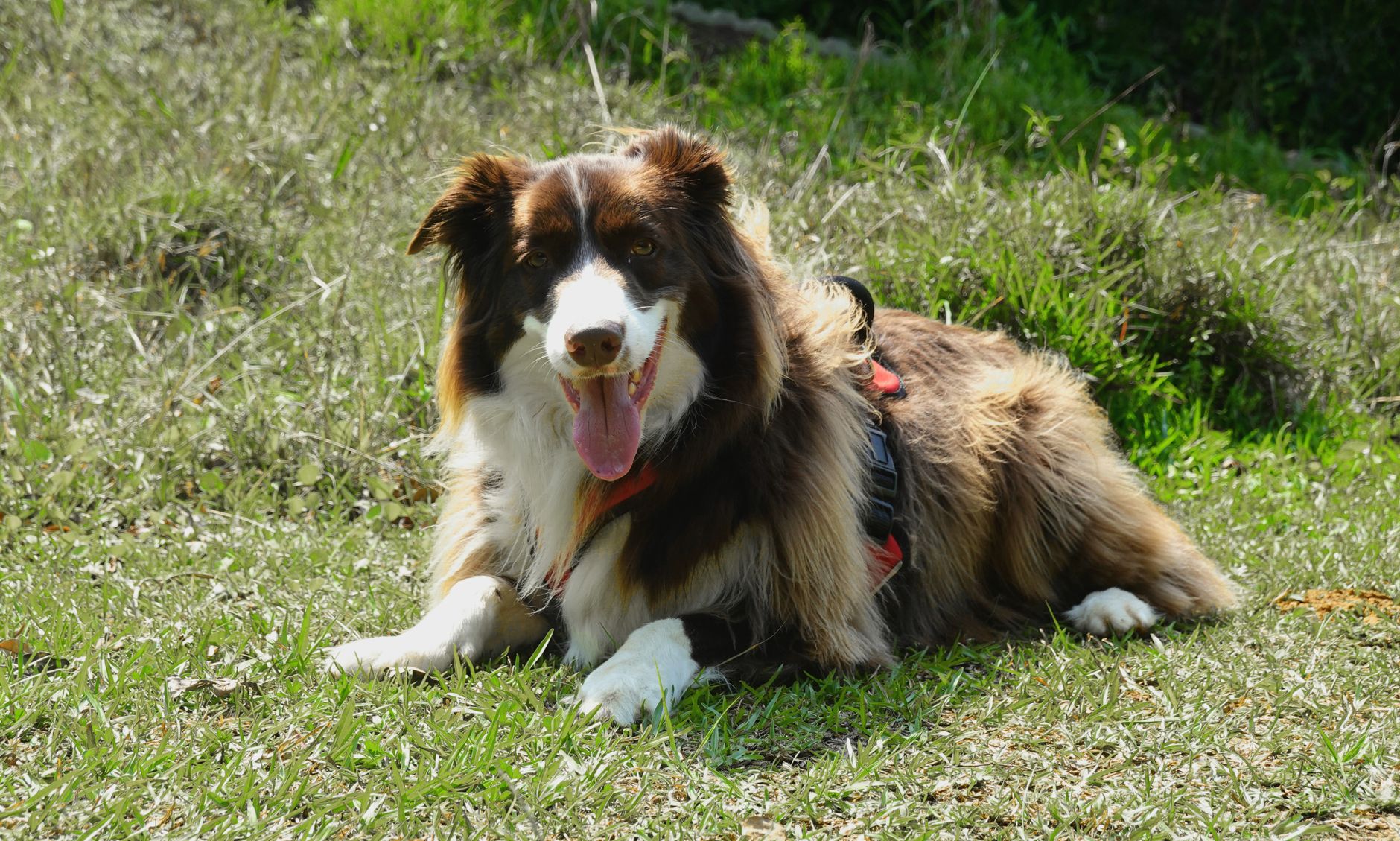
Extremely alert, energetic, and highly sensitive to their environment, Border Collies are intensely focused on their handlers. They possess an instinctual ‘eye’—a intense stare used to control livestock—which they will apply to anything that moves. While incredibly loyal and affectionate with their inner circle, they can be aloof or naturally suspicious of strangers if not thoroughly socialized from puppyhood.
Is a Border Collie good with other pets?
They can coexist beautifully with other dogs and even cats if raised together and properly socialized. However, their strong herding drive may cause them to relentlessly chase or corner smaller pets, which requires careful training and boundaries.
How much attention does a Border Collie need?
They need near-constant engagement when you are active and do not tolerate being left alone in a yard or crate for long stretches. I’ve found they thrive when they are treated as true partners in your daily routine, constantly watching you for cues and commands.
Training & Behavior
Training a Border Collie is incredibly easy in terms of command comprehension, but challenging because they learn bad habits just as fast as good ones. They require positive reinforcement, precision, and consistency; a bored Border Collie will quickly find creative ways to entertain themselves, often destructively. Early socialization is critical to prevent their natural sensitivity to movement and sound from turning into reactivity.
Training Tips
- Use high-value, motivating rewards like toys and premium treats
- Keep training sessions short, varied, and mentally challenging
- Focus heavily on impulse control exercises from puppyhood
- Introduce socialization to novel sights and sounds early
- Establish clear boundaries and consistent house rules
Fun Activities
- Agility trials
- Flyball
- Herding trials or Treibball
- Canicross
- Disc dog (Frisbee)
- Advanced trick training
Is a Border Collie easy to train?
They are arguably the easiest breed to train in terms of raw intelligence, often picking up new commands in under five repetitions. However, this means they will also train you if you aren’t consistent, easily identifying and exploiting any loopholes in your rules.
Border Collie Health Issues

Border Collies are generally a very hardy and athletic breed, but like all purebreds, they are prone to specific genetic conditions. Working with reputable breeders who perform comprehensive health screenings is vital to ensuring a long, healthy life.
Hip Dysplasia
A genetic condition where the thighbone doesn’t fit snugly into the hip joint, leading to painful arthritis over time.
Collie Eye Anomaly (CEA)
An inherited bilateral eye disease that can cause abnormal development of the choroid, potentially leading to blindness.
Epilepsy
A neurological disorder that causes periodic, unprovoked seizures starting between 1 and 5 years of age.
MDR1 Gene Mutation
A genetic mutation making them highly sensitive to certain common medications, including some parasite preventatives like ivermectin.
Osteochondritis Dissecans (OCD)
An inflammatory condition where diseased cartilage separates from the underlying bone, common in active, fast-growing young dogs.
How long do Border Collies typically live?
The typical lifespan of a healthy Border Collie is 12 to 15 years. Providing excellent nutrition, avoiding joint strain during puppyhood, and maintaining a lean weight will help maximize their lifespan.
What to Feed a Border Collie
Because of their exceptionally high energy levels, Border Collies require nutrient-dense nutrition to sustain their active lifestyles. Active working dogs or canine sports competitors will have significantly higher caloric requirements than more sedentary companion pets.
Best Diet
A high-quality, protein-dense dry kibble formulated for active medium-sized breeds is ideal. Ensure the diet matches their current life stage (puppy, adult, or senior), and consider performance-specific formulas if your dog is actively herding or competing.
How to Feed
I highly recommend dividing their daily intake into two meals to prevent digestive upset. Using puzzle toys, snuffle mats, or using their kibble as training rewards is an excellent way to combine feeding with essential mental stimulation.
How Much to Feed
Generally, an adult Border Collie needs between 1.5 to 2.5 cups of high-quality kibble daily, depending on weight and activity level. Always consult your veterinarian to adjust portions based on their body condition score, as active individuals can easily burn through calories.
Nutritional Tips
Add joint support supplements like glucosamine and chondroitin early on to protect their hardworking joints. Ensure they always have access to clean, fresh water, especially during and after intense training or play sessions.
Border Collie Grooming Guide
While not high-maintenance, Border Collies do require regular grooming to keep their weather-resistant double coat healthy and free of mats. Regular grooming sessions also serve as a great opportunity to check for ticks and burrs picked up outdoors.
Coat Care
Brush the coat 2-3 times a week using a slicker brush and an undercoat rake to prevent matting, especially in the feathering behind the legs and ears. Increase this to daily brushing during their twice-yearly heavy shedding periods.
Skin Care
Check their skin regularly for hotspots or irritation, especially if they swim often, as their dense double coat can trap moisture. Use a mild, dog-specific shampoo only when necessary to avoid stripping natural skin oils.
Eye Care
Wipe away any debris from the corners of their eyes weekly using a soft, damp cloth, paying attention to any signs of unusual cloudiness.
Ear Care
Check their ears weekly for redness, debris, or a sweet/musty odor, which could indicate an infection, particularly if they enjoy swimming.
Nail & Dental Care
Trim their nails every 2-3 weeks to prevent splitting and joint discomfort, and brush their teeth at least three times a week with dog-safe toothpaste to prevent dental disease.
Considerations for Pet Parents
Pros
- World-class intelligence and trainability
- Incredibly athletic and versatile
- Highly loyal and affectionate companion
- Thrives on outdoor adventures
- Excellent competitor in dog sports
- Usually very healthy and long-lived
Cons
- Extremely high exercise and mental stimulation needs
- Strong herding instinct can lead to chasing or nipping
- Prone to destructive behavior if bored
- Can be sensitive and prone to environmental reactivity
- Heavy shedding twice a year
Best For
An experienced, highly active owner or family who can dedicate at least 2 hours daily to intense mental and physical activities, or those involved in canine sports or farm work.
Not Recommended For
Sedentary owners, apartment dwellers without access to secure running space, or those who are away from home for long hours and cannot provide mental stimulation.
Cost
- purchase price$1,000 – $2,500
- monthly cost$100 – $200
- initial setupBudget around $500 – $1,000 initially for crates, high-quality toys, puzzle feeders, grooming tools, and initial vet visits.
Similar Breeds

Australian Shepherd

Shetland Sheepdog
Border Collie FAQs
Do Border Collies bark a lot?
Yes, they can be vocal if they are bored, understimulated, or alert to outdoor movement. Early training to manage excessive barking is essential, as they will easily vocalize their frustration.
Can a Border Collie live in an apartment?
It is highly challenging and generally not recommended. However, it can work if the owner is exceptionally dedicated to spending several hours outside daily for intense exercise and training.
Why does my Border Collie stare at me?
This is their famous ‘eye,’ which they use to herd livestock. In a home environment, they will use it to monitor your movements, anticipate your actions, or try to command you to throw a toy.
When do Border Collies calm down?
Typically, you will see them settle slightly around 2 to 3 years of age. However, they remain highly active and mentally driven dogs well into their senior years.
Do Border Collies like water?
Most Border Collies love water and are excellent swimmers, especially if introduced to it gently in puppyhood. Always dry their double coats thoroughly afterward to prevent hot spots.
Are Border Collies prone to separation anxiety?
Yes, they form very strong bonds with their human handlers and can easily develop separation anxiety. Leaving them with engaging puzzle toys and crate training them early can help mitigate this.
How do I mentally stimulate my Border Collie?
Incorporate puzzle feeders, complex trick training, interactive hide-and-seek games, and scent work into their daily routine. Physical exercise alone is never enough to fully satisfy their active brains.
Are Border Collies aggressive?
Not by nature, but a lack of proper socialization can make them fearful or highly reactive to strangers, other dogs, and fast-moving objects. Early, positive exposure is critical.
Why does my Border Collie nip at ankles?
This is their natural herding instinct, which they use to move sheep. It must be redirecting early on in puppyhood to prevent them from nipping at running children, guests, or other pets.
How much exercise does a Border Collie puppy need?
A good rule of thumb is 5 minutes of structured exercise per month of age, twice a day. Avoid high-impact jumping or intense agility until their growth plates fully close around 12 to 18 months.
Do they have a high prey drive?
Yes, their herding drive is a modified form of predatory chase. While they rarely intend to harm, they will relentlessly chase small animals, cars, bicycles, and joggers.
What is the difference between a rough and smooth coat?
Rough coats have medium-to-long fur with feathering on the legs, chest, and tail, requiring more regular brushing. Smooth coats have short, coarser hair with minimal feathering, which is much easier to maintain.