
Skye Terrier Breed Guide

Quick Summary
The Skye Terrier is a deeply loyal, courageous, and historic Scottish breed famous for its ‘long and low’ silhouette and elegant, floor-sweeping coat. In my practice, I find they are incredibly devoted to their immediate families but possess a classic terrier independence and aloofness with strangers. They are best suited for patient, experienced owners who can commit to thorough early socialization and protect their long backs during crucial developmental years.
As an Amazon Associate, we earn from qualifying purchases.
Popular with Skye Terrier owners: Nail Grinder · Treat Pouch · Dog Food
Quick Facts
- origin countryScotland
- breed groupTerrier
- sizeSmall but heavy-boned
- weight range35-45 lbs (males), 25-40 lbs (females)
- height range9-10 inches at the shoulder (with body twice as long as height)
- lifespan12-15 years
- coat typeDouble coat: short, soft undercoat with a long, hard, straight outer coat
- common colorsBlack, blue, dark or light grey, silver, fawn, cream
- other namesSkye
- recognized byAKC, UKC, KC (UK), FCI
Caring for a Skye Terrier
Living with a Skye Terrier is an exercise in mutual respect and careful physical management. Because of their unique achondroplastic (dwarf) conformation, I must emphasize to all my clients that these dogs cannot be treated like ordinary small pets; their long backs are highly vulnerable during puppyhood. Daily life involves structured, low-impact exercise and a dedicated brushing routine to keep their heavy coats mat-free. They are incredibly sensitive to household energy and thrive in calm, predictable environments.
Is a Skye Terrier a good family pet?
They can be excellent family pets for households with older, respectful children who understand how to treat a sensitive dog. In my clinical experience, they do not tolerate rough handling or tail-pulling and will walk away or defend themselves if pushed. They form intense bonds with their family but are rarely ‘everyone’s friend’ like a Golden Retriever.
Do Skye Terriers shed a lot?
They are moderate, constant shedders rather than heavy ‘blow-out’ shedders, provided they are regularly groomed. Their long, hard outer coat tends to trap dead hair rather than letting it fall onto your furniture, but if you skip weekly brushing sessions, that trapped hair will quickly turn into severe mats.
Is a Skye Terrier good for first-time owners?
Generally, no, I do not recommend them to novices. Their strong-willed terrier temperament, combined with their aloofness toward strangers and intense physical care requirements during growth, demands an experienced handler who understands canine body language and positive-reinforcement training.
Temperament & Personality
The Skye Terrier is often described as ‘canny’—a Scottish word meaning shrewd, quiet, and careful. Unlike many bubbly, hyperactive terrier breeds, the Skye is dignified, reserved, and incredibly perceptive. They possess a famous ‘one-person’ or ‘one-family’ loyalty that, once earned, is absolutely unbreakable. However, they are naturally suspicious of strangers and require active socialization to prevent this reservation from turning into defensive behavior.
Is a Skye Terrier good with other pets?
They have a high prey drive and were bred to hunt badgers and foxes, meaning smaller pets like hamsters or rabbits are never safe around them. They can co-exist with family cats if raised with them from puppyhood, but they can be dog-selective and do not typically tolerate challenges from strange dogs.
2-Speed Dog Nail Grinder with LED Light
- ✓Quiet motor, under 45 dB
- ✓Two speeds for thin or thick nails
- ✓LED light for safer trimming
- Files nails down gradually, a gentler option for pets that dislike clippers or have dark nails
How much attention does a Skye Terrier need?
While they are independent thinkers, they are emotionally dependent on their family’s presence. They do not do well when left isolated in yards or empty houses for long stretches, and they will express their loneliness through persistent, deep barking and destructive chewing.
Training & Behavior
Training a Skye Terrier requires a ‘steel hand in a velvet glove’ approach. They are highly intelligent but possess an innate stubbornness and an acute sense of fairness. If you use harsh corrections, a Skye will completely shut down or refuse to cooperate; in my years treating them, I have found they respond beautifully to positive, reward-based training that respects their intelligence.
Training Tips
- Keep training sessions short, varied, and highly rewarding (10-15 minutes max).
- Prioritize socialization with novel people, sounds, and dogs between 8 and 16 weeks of age.
- Never use physical punishments; they will break the dog’s trust permanently.
- Teach a rock-solid ‘leave it’ command to manage their intense terrier prey drive.
- Desensitize them early to having their paws, ears, and long coat handled for veterinary exams.
Fun Activities
- Nosework and scent tracking games
- Earthdog trials (which tap into their natural digging and hunting instincts)
- Low-impact agility (once growth plates are fully closed at 18-24 months)
- Daily structured neighborhood walks with plenty of sniffing time
Is a Skye Terrier easy to train?
They are highly intelligent but not inherently eager to please like a working breed. They will constantly assess if a command is worth their time, meaning you must make training mentally engaging and use high-value rewards like liver treats or favorite toys.
Skye Terrier Health Issues
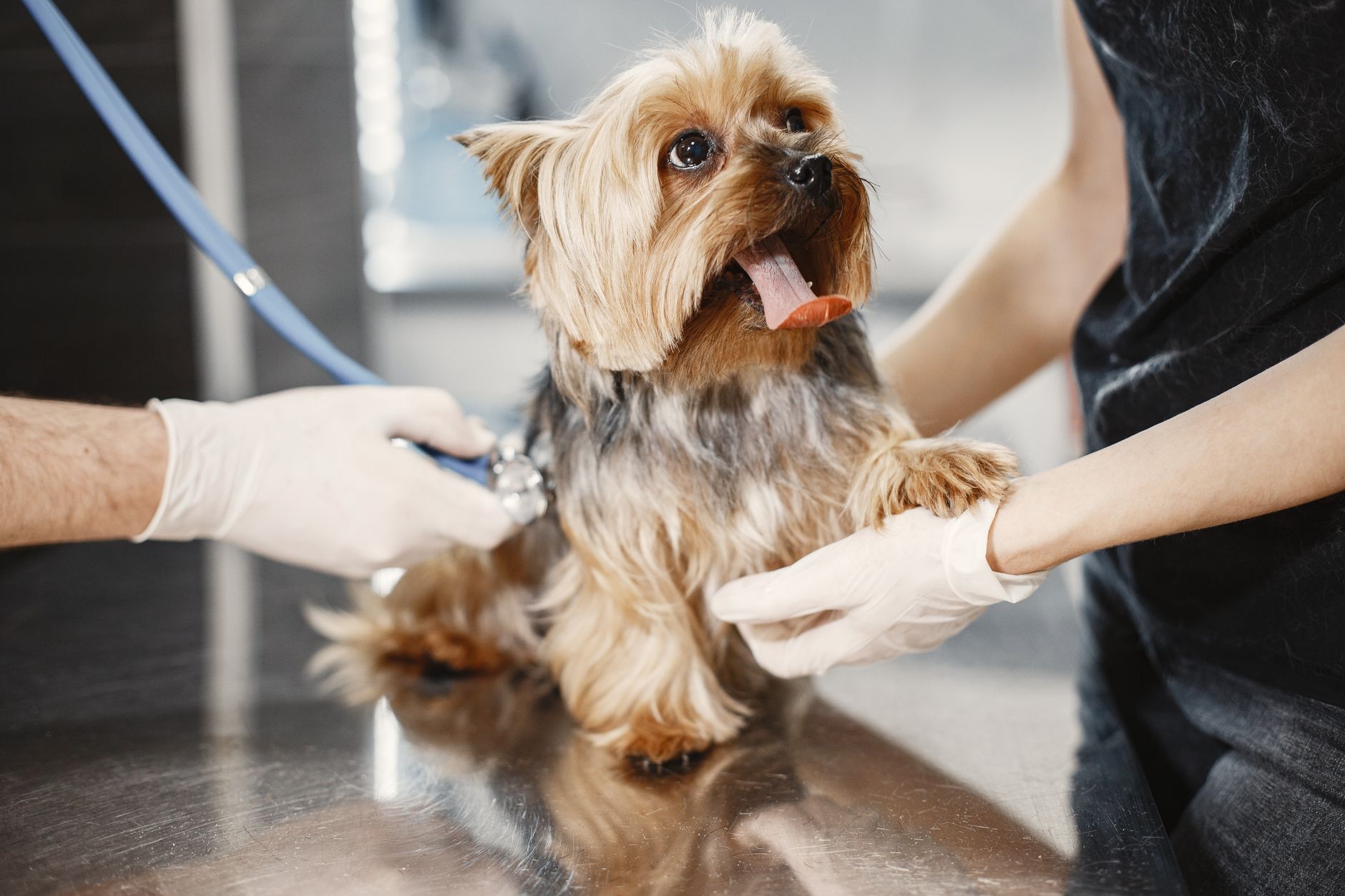
As a dwarf breed with a long body and short legs, the Skye Terrier is remarkably robust but faces specific structural and genetic risks. In my practice, the key to a healthy Skye is managing their rapid growth phases and maintaining a lean body weight to protect their joints.
Skye Puppy Limp (Premature Growth Plate Closure)
A developmental orthopedic condition where the growth plates in the forelimbs (specifically the radius and ulna) close at uneven times, causing painful bowing, joint misalignment, and lameness. This is highly influenced by trauma or excessive exercise before the age of 10 to 12 months.
Renal Dysplasia
An inherited, congenital kidney condition where one or both kidneys fail to develop normally in utero, leading to chronic kidney failure early in life.
Gobeigo 2-Cup Magnetic Treat Pouch with Clicker
- ✓Strong magnetic opening
- ✓Waist belt or clip-on wearing modes
- ✓Holds up to 2 cups of treats
- A clip-on treat pouch keeps rewards at hand so you can mark good behaviour instantly
Intervertebral Disc Disease (IVDD)
Due to their long spinal columns, the cushioning discs between the vertebrae can herniate or rupture, compressing the spinal cord and causing severe pain or paralysis.
Otitis Externa
Whether prick or drop-eared, the heavy feathering around and inside their ears traps moisture, wax, and debris, making them highly prone to painful bacterial and yeast infections.
Hypothyroidism
An autoimmune condition where the thyroid gland underproduces vital metabolic hormones, leading to a slowed metabolism and systemic changes.
How long do Skye Terriers typically live?
With excellent care, a balanced diet, and proper orthopedic management, Skye Terriers typically live between 12 and 15 years. Keeping them lean is the single best way to prolong their active, pain-free years.
What to Feed a Skye Terrier
Feeding a Skye Terrier requires careful caloric monitoring. Because of their long spines, carrying even one or two pounds of excess fat puts dangerous, unnecessary stress on their intervertebral discs and joints.
Best Diet
I highly recommend a high-quality, large-breed puppy formula (or a carefully balanced all-life-stages food) during their first year to promote slow, steady bone development rather than rapid growth. As adults, a diet rich in omega-3 fatty acids (EPA/DHA) helps support joint health and keeps their long coats glossy.
How to Feed
Always feed measured, scheduled meals twice a day rather than free-feeding. Use interactive puzzle feeders to slow down their eating and provide mental stimulation, which helps tire out their active minds.
How Much to Feed
Generally, an adult Skye Terrier requires between 1.5 to 2.5 cups of high-quality dry kibble daily, split into two meals. However, this varies wildly based on activity level and metabolism; you should always consult your veterinarian to establish a precise portion size based on a Body Condition Score.
Nutritional Tips
Avoid calcium or vitamin supplements during puppyhood unless specifically prescribed by your vet, as excess calcium can disrupt skeletal development and exacerbate ‘Skye Limp’. Keep treats to less than 10% of their total daily caloric intake.
Skye Terrier Grooming Guide
The Skye Terrier’s magnificent coat is their crowning glory, but maintaining it is a serious time commitment. It takes about three years for a puppy coat to fully transition into the long, hard, floor-length adult double coat.
Coat Care
Commit to a thorough line-brushing session at least two to three times a week using a long-pinned pin brush and a metal greyhound comb. Mist the coat lightly with a conditioning spray before brushing to prevent hair breakage, and never brush a completely dry coat.
Skin Care
Because they have a double coat, they are prone to hot spots if they are bathed and not dried completely. Always blow-dry their coat on a cool setting down to the skin to ensure no dampness remains to harbor bacteria.
Eye Care
The long hair on their head (the ‘fall’) naturally protects their eyes from brush and dirt, but it must be kept clean. Gently wipe the eye area daily with a damp cotton ball to prevent tear staining and remove trapped debris.
Ear Care
Clean their ears weekly using a veterinarian-approved, drying ear cleanser to prevent yeast buildup, and carefully trim or pluck excess hair from the entrance of the canal if your vet advises it.
Nail & Dental Care
Trim their strong, black nails every 3 to 4 weeks using a heavy-duty nail grinder or clippers. Brush their teeth at least three times a week with enzymatic pet toothpaste to prevent periodontal disease, which is common in small-to-medium breeds.
Considerations for Pet Parents
Pros
- Incredibly loyal and deeply bonded ‘one-family’ companion.
- Calmer and more dignified indoors than many other terrier breeds.
- Adaptable size that fits well in various home styles.
- Excellent, watchful watchdog with a deep, intimidating bark.
- Unique, beautiful appearance that stands out.
Cons
- Extremely high grooming demands that cannot be ignored.
- Skeletal fragility during puppyhood requiring strict exercise limits.
- Can be highly suspicious of strangers and reactive to other dogs if unsocialized.
- Possesses a strong, stubborn streak that challenges training.
- Extremely rare breed, making it highly difficult to find a reputable breeder.
Best For
Experienced dog owners with quiet, low-traffic households who have the time to dedicate to weekly coat care and who want a deeply devoted, one-on-one companion.
Not Recommended For
Homes with busy schedules, families with toddlers, highly active multi-pet households, or owners who want an outgoing, highly social ‘dog-park’ pet.
Cost
- purchase price$1,500 – $3,000
- monthly cost$150 – $250
- initial setupInitial setup can range from $1,000 to $2,500, which includes specialized grooming tables, professional-grade blow dryers, high-quality crates, and pediatric orthopedic veterinary exams.
-
Diamond Naturals Skin & Coat Dog Food, Salmon & PotatoA complete, balanced diet matched to your dog’s size and age is the foundation of a healthy coat, gut and energy level
-
EHEYCIGA Foam Dog Stairs for Bed, 18 inPet stairs save small, senior and long-backed dogs from jumping on and off beds and sofas
-
Virbac Epi-Otic Advanced Ear CleanserRoutine ear cleaning helps prevent infections in floppy- or hairy-eared breeds
Similar Breeds
Related Dog Guides
Skye Terrier FAQs
What is ‘Skye Limp’ and how do I prevent it?
This is a temporary or permanent lameness caused by the premature closure of the growth plates in the front legs. To prevent it, owners must strictly forbid puppies under 10-12 months from jumping on or off furniture, navigating steep stairs, or participating in forced running or high-impact play.
Do Skye Terriers bark a lot?
Yes, they can be highly vocal. They possess a keen watchdog instinct and a surprisingly deep, booming bark, which they will readily use to alert you to any changes in their environment or to express frustration and boredom.
Can you shave or clip a Skye Terrier’s coat?
I strongly advise against clipping or shaving a Skye Terrier unless medically necessary. Their double coat provides insulation against both heat and cold; shaving it alters the texture, makes it soft and woolly, increases matting, and strips away their natural weather protection.
Why are Skye Terriers considered a ‘vulnerable’ breed?
They are registered as a Vulnerable Native Breed by the Kennel Club due to extremely low annual birth rates. They are currently rarer than the Giant Panda, making finding a reputable breeder a process that often takes many months or even years.
How do you protect a Skye Terrier’s back?
Keep them at a lean, healthy weight, use ramps for couches and beds, use a supportive harness instead of a collar for walks, and avoid games that involve sharp, twisting turns or high-impact jumping.
Are they easy to housebreak?
Like many terriers, they can be proud and independent, which sometimes slows down housebreaking. Consistency, crate training, and a strict, positive-reinforcement-based routine are essential to prevent them from establishing secret elimination spots.
What is the history behind their ‘long and low’ body?
They were bred on the Isle of Skye to crawl into rocky cairns and burrows to hunt destructive predators like badgers, foxes, and otters. Their long, low body allowed them to maneuver underground, while their heavy facial hair protected their eyes from dirt and bites.
Can Skye Terriers live in apartments?
Yes, they can adapt well to apartment living provided they receive adequate daily mental and physical stimulation. However, their tendency to alert-bark at hallway noises must be managed early with consistent training.
How do they handle hot weather?
Because of their thick, heavy double coats, they do not tolerate extreme heat well. In my clinic, I warn owners to walk them in the cool early mornings or late evenings and keep them in air-conditioned spaces during peak summer heat to prevent heatstroke.
Are prick ears or drop ears more common?
Prick ears are more commonly seen in the show ring today, but drop ears are equally recognized by breed standards. Both ear types are heavily feathered and require identical, diligent hygienic care to prevent chronic infections.
How do I socialize a reserved Skye Terrier?
Socialization should focus on positive, neutral exposure rather than forcing the puppy to interact. Let them observe new people, dogs, and environments from a safe distance while rewarding them with high-value treats for remaining calm and relaxed.
Do they have a high drive to dig?
Yes, digging is a deeply ingrained, ancestral instinct for this breed. If left unsupervised in a yard, they can quickly excavate large holes; providing a designated digging box filled with loose sand or soil can help safely redirect this natural behavior.
Sources & Further Reading
- American Kennel Club (AKC)
- Merck Veterinary Manual
- American Veterinary Medical Association (AVMA)
- PetMD