
Spanish Water Dog Breed Guide
Quick Summary
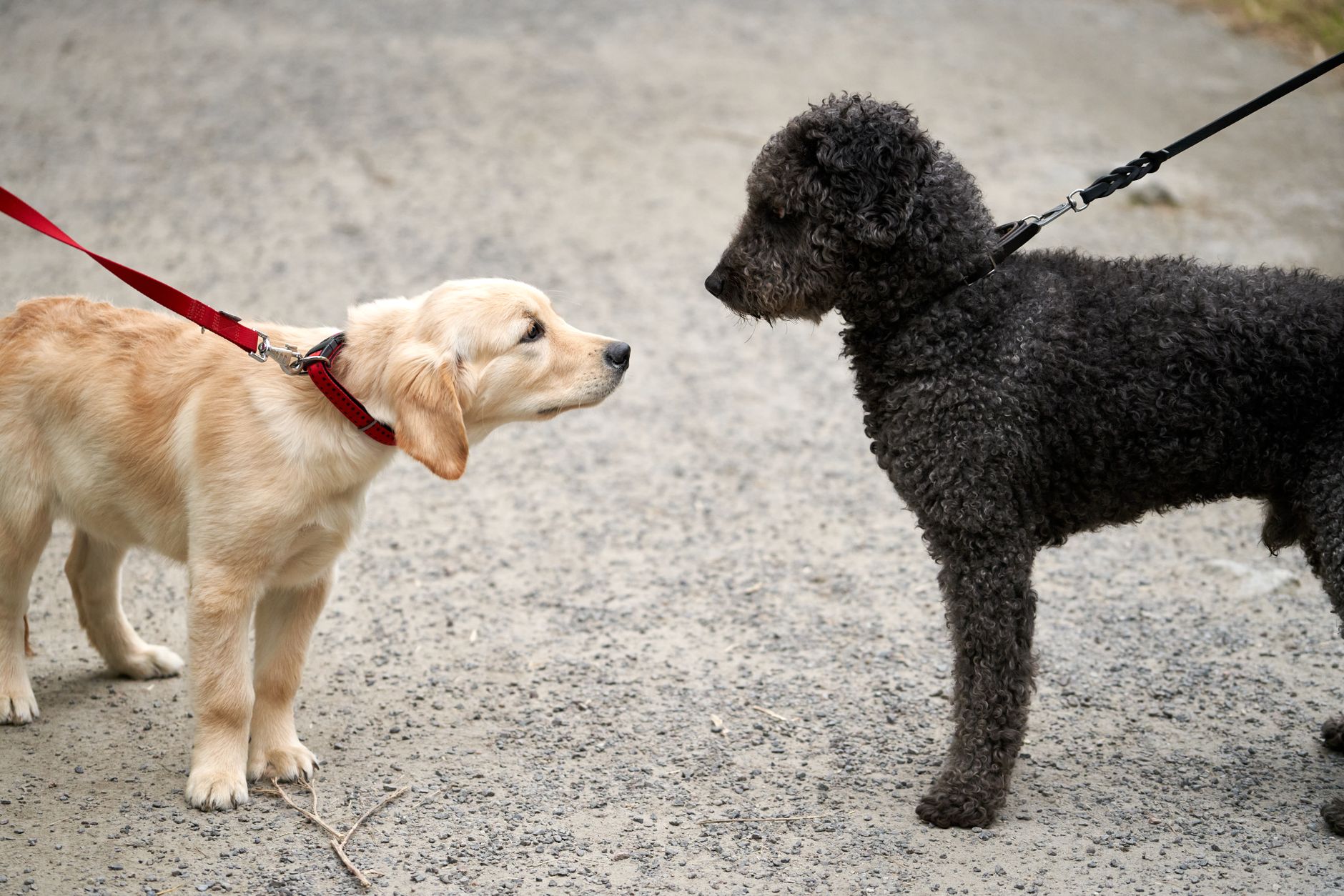
The Spanish Water Dog is a highly active, exceptionally intelligent, and rustic herding breed famous for its distinctive curly, corded coat. In my clinical practice, I find they are best suited for experienced, active owners who can dedicate significant time to mental stimulation, early socialization, and specialized coat maintenance.
Quick Facts
- origin countrySpain
- breed groupHerding Group (AKC)
- sizeMedium
- weight range31 to 49 pounds (14 to 22 kg)
- height range15.75 to 19.75 inches (40 to 50 cm) at the shoulder
- lifespan10 to 14 years
- coat typeCurly, woolly, and naturally corded; single-coated
- common colorsBlack, brown, beige, white, or bicolors (black/white or brown/white)
- other namesPerro de Agua Español, Turco Andaluz
- recognized byAKC, UKC, FCI
Caring for a Spanish Water Dog
Living with a Spanish Water Dog is an active partnership that requires daily engagement. In my practice, I emphasize that these dogs need a minimum of 60 to 90 minutes of vigorous daily exercise, paired with intense mental workouts like nosework or agility. Because of their herding ancestry, they thrive when given a specific job to perform. Without structure and daily outlets, they easily channel their high intelligence into destructive behaviors or obsessive-compulsive habits.
Is a Spanish Water Dog a good family pet?
Yes, they can be outstanding family pets for active households, but they form a particularly tight bond with one primary caretaker. They are incredibly loyal but can be naturally reserved or aloof with strangers, requiring careful socialization from puppyhood.
Do Spanish Water Dogs shed a lot?
No, they are a low-shedding breed, as their hair continuously grows and traps loose strands within its curls. However, they are not completely allergen-free, and their unique coat requires specific maintenance to prevent severe matting.
Is a Spanish Water Dog good for first-time owners?
Generally, I do not recommend them for novice owners. Their strong herding instincts, high intelligence, and natural protective drive require confident, consistent leadership and active socialization that can overwhelm a beginner.
Temperament & Personality
The Spanish Water Dog is a highly vigilant, versatile worker with a strong protective instinct and unmatched problem-solving abilities. They are incredibly devoted to their immediate families but possess a natural suspicion of outsiders that must be actively managed. In my years treating this breed, I have found that their work ethic is always ‘on’, meaning they constantly scan their environment and look to their owner for direction.
Is a Spanish Water Dog good with other pets?
They can co-exist beautifully with other household pets if raised together from a young age. However, their strong herding drive may compel them to chase cats or smaller animals, which requires consistent behavioral management.
How much attention does a Spanish Water Dog need?
They are a highly shadow-like breed that thrives on constant human interaction and can easily develop separation anxiety. If left alone for long stretches without stimulation, they will become highly anxious and destructive.
Training & Behavior
Training a Spanish Water Dog is a rewarding but continuous process because their sharp minds are always learning, whether you are actively teaching them or not. They respond exceptionally well to positive reinforcement and clear, structured boundaries. However, they are highly sensitive to harsh corrections, which can cause them to shut down or become defensive. In my practice, I frequently remind owners that physical exercise alone won’t tire them out; you must wear out their brains to truly satisfy them.
Training Tips
- Begin intensive socialization within the first 16 weeks of life to prevent fear-based reactivity.
- Use positive, reward-based training; clicker training is highly effective for this analytical breed.
- Vary training routines constantly to prevent boredom and stubbornness.
- Teach a solid ‘settle’ or ‘quiet’ cue early on to manage their alert-barking habits.
- Address herding instincts early to prevent nipping at heels, ankles, or running children.
Fun Activities
- Agility trials
- Dock diving and swimming
- Canine scent work / Nosework
- Herding trials
- Flyball
- Interactive puzzle games
Is a Spanish Water Dog easy to train?
They are highly trainable due to their intelligence and work ethic, but they require a handler who understands working-dog psychology. If they detect a lack of leadership, they will gladly make up their own rules.
Spanish Water Dog Health Issues
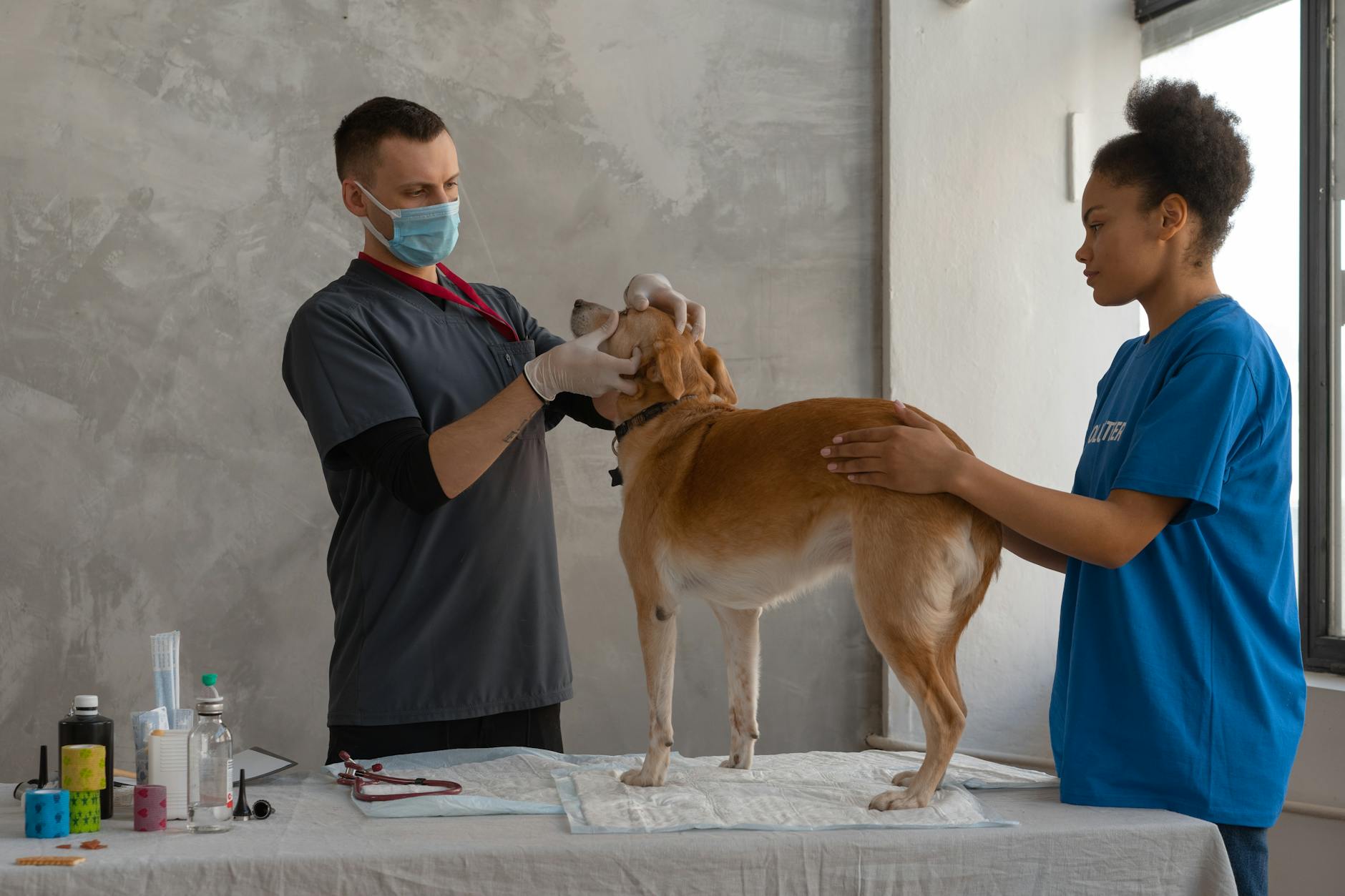
The Spanish Water Dog is generally a robust, hearty working breed, but like all purebreds, they are genetically predisposed to several specific hereditary health conditions. In my practice, I advocate for strict parent screening to catch these issues before they are passed down to puppies.
Hip Dysplasia
A hereditary malformation of the hip joint where the femur does not fit snugly into the pelvic socket, leading to progressive arthritis and mobility loss.
Progressive Retinal Atrophy (prcd-PRA)
An inherited degenerative eye disease that selectively destroys the photoreceptor cells of the retina, eventually causing complete blindness.
Congenital Hypothyroidism with Goiter (CHG)
A rare but serious genetic thyroid disorder in which the thyroid gland cannot produce adequate hormones, leading to developmental delays and dwarfism.
Otitis Externa (Ear Infections)
Due to their narrow, highly hair-filled ear canals and a love for water, they are extremely prone to painful bacterial and yeast ear infections.
Distichiasis
A condition where extra eyelashes grow from the oil glands inside the eyelid, rubbing directly against the cornea and causing severe irritation.
How long do Spanish Water Dogs typically live?
With proper nutrition, regular veterinary care, and an active lifestyle, a healthy Spanish Water Dog typically enjoys a lifespan of 10 to 14 years.
What to Feed a Spanish Water Dog
Because Spanish Water Dogs are active herding dogs, their diet must reflect their high energy expenditure. Feed them a high-quality, nutritionally complete diet formulated for medium-sized, high-energy breeds.
Best Diet
I recommend a diet rich in high-quality animal proteins (26% to 30%) and healthy fats to support their intense muscle recovery and dense, woolly coats. Puppies should be fed a large-to-medium breed growth formula to protect developing joints.
How to Feed
I highly recommend dividing their daily food into two distinct meals to maintain stable blood sugar levels and energy throughout their active day. Avoid feeding immediately before or after heavy exercise to lower the risk of digestive upset.
How Much to Feed
Adults generally require 1.5 to 2.5 cups of high-quality kibble daily, depending entirely on their weight and activity level. Since caloric needs vary greatly by individual, always consult your veterinarian to customize your dog’s exact portions.
Nutritional Tips
Incorporating omega-3 and omega-6 fatty acids (such as wild-caught salmon oil) into their diet is excellent for maintaining their unique curly coat and supporting joint health under heavy workloads.
Spanish Water Dog Grooming Guide
Grooming a Spanish Water Dog is entirely different from grooming almost any other breed. In my clinic, the number one rule I give owners is: Never brush, comb, or blow-dry this coat.
Coat Care
Their coat must be allowed to grow naturally into cords. To bathe them, squeeze water and neutral shampoo gently through the coat without rubbing, then squeeze-dry with a towel and let air dry. They should be sheared down evenly once or twice a year.
Skin Care
Because the coat holds moisture close to the body, ensure the dog dries completely after swimming to prevent hot spots or moist dermatitis.
Eye Care
Trim the hair carefully around the eyes if it begins to curl inward and irritate the cornea, watching closely for any signs of squinting or discharge.
Ear Care
Inspect ears weekly. The thick hair inside their ear canals traps moisture; use a veterinary-approved drying solution after swimming, and discuss with your vet whether gentle hair plucking is appropriate for your dog.
Nail & Dental Care
Trim nails every 3 to 4 weeks to prevent splaying of the paws, and brush teeth daily to prevent periodontal disease, which can start as early as age three.
Considerations for Pet Parents
Pros
- Extremely intelligent and quick to learn complex tasks
- Fiercely loyal and protective of their family unit
- Low-shedding coat makes them highly manageable indoors
- Highly versatile athletes excel in numerous canine sports
- Sturdy and robust, with excellent stamina for outdoor adventures
- Naturally affectionate with their chosen inner circle
Cons
- Highly demanding physical and mental stimulation needs
- Can be overly reserved, aloof, or reactive if under-socialized
- Unique, hands-on grooming routine with no traditional brushing allowed
- Strong herding instinct can lead to chasing and nipping
- Vigilant nature can translate into excessive watchdog barking
Best For
Active, experienced owners, hikers, runners, or canine sport enthusiasts who can integrate a dog into their daily physical routines and dedicate time to socialization and unique coat care.
Not Recommended For
Sedentary households, first-time dog owners, or individuals who must leave their dog home alone for long, uninterrupted hours every day.
Cost
- purchase price$1,500 to $2,500 USD from a reputable, health-testing breeder
- monthly cost$150 to $250 USD, factoring in high-quality food, specialized veterinary ear care, and routine shearing
- initial setupPlan to spend $800 to $1,200 initially on high-quality crates, puppy vaccinations, microchipping, professional shearing equipment, and durable puzzle toys.
Similar Breeds

Portuguese Water Dog

Poodle (Standard)
Related Dog Guides
Spanish Water Dog FAQs
Are Spanish Water Dogs hypoallergenic?
While no dog is completely hypoallergenic, they are very low-shedding and dander-controlled, making them a more tolerable choice for many allergy sufferers.
Why can’t you brush a Spanish Water Dog?
Brushing ruins the natural formation of their cords, causes the coat to frizz into a matted mass, and causes painful pulling on the dog’s skin.
Do they bark a lot?
Yes, they are natural watchdogs and will readily vocalize to alert you to anything new or suspicious. Early training is essential to manage this alert barking.
Are they born with cords?
No, they are born with a wavy or curly coat. The cords begin to form naturally as the puppy coat grows out, usually starting around 6 to 12 months of age.
Do they like to swim?
Most Spanish Water Dogs absolutely love the water and are highly proficient swimmers, though they should always be introduced to water gradually and safely as puppies.
How often do they need to be shaved?
They are typically sheared flat to the skin (like a sheep) 1 to 3 times per year, depending on the owner’s preference for coat length.
Are they prone to separation anxiety?
Yes, because they are deeply devoted ‘velcro’ dogs, they can easily develop separation anxiety if they are not conditioned to alone-time from a young age.
Do they herd children?
They may try to herd running children by circling, barking, and nipping at their heels. This natural behavior must be redirected immediately through training.
Is their tail always docked?
Historically, their tails were docked for working safety. Today, they are born with natural bobtails of varying lengths, or full tails which are left natural in many countries.
Do they have a double coat?
No, the Spanish Water Dog has a single coat of woolly hair that grows continuously, with no soft undercoat to shed out seasonally.
What is the difference between a Spanish Water Dog and a Portuguese Water Dog?
The Spanish Water Dog is slightly smaller, more rustic, has a stronger herding/guarding instinct, and their coat naturally cords, whereas the Portuguese Water Dog’s coat is typically brushed out or clipped in a lion cut.
How do you clean a Spanish Water Dog’s ears?
Clean their ears weekly using a vet-approved, alcohol-free drying solution. Avoid inserting cotton swabs deep into the canal, and keep the inner ear hair clean and dry.
Are they prone to allergies?
They can suffer from environmental and food allergies, which typically manifest as chronic skin itching, paw chewing, or recurrent ear infections.