
Siberian Cat Breed Guide

Quick Summary
The Siberian is a majestic, triple-coated powerhouse from Russia, celebrated for its dog-like, affectionate personality and impressive leaping ability. Ideal for active families and those seeking an interactive companion, this slow-maturing giant brings warmth, playfulness, and a fascinating affinity for water into any home.
Quick Facts
- origin countryRussia
- breed groupForest Cat
- sizeLarge
- weight range10 to 20 pounds (males 15-20 lbs, females 10-15 lbs)
- height range9 to 11 inches
- lifespan12 to 15 years
- coat typeDense, water-resistant triple coat
- common colorsAll colors and patterns, including brown tabby, solid white, tortoiseshell, and colorpoint (Neva Masquerade)
- other namesSiberian Forest Cat, Sibirskaya Koshka
- recognized byCFA, TICA, FIFe, WCF, GCCF, ACFA
Caring for a Siberian Cat
Living with a Siberian is like having a joyful, agile shadow that wants to participate in every single household chore. I’ve found that they don’t just sit on your lap; they actively engage with you, chirp to tell you about their day, and eagerly investigate running faucets. Because they take up to five years to fully mature, you’ll be managing a kitten-brained powerhouse in a large body for quite some time. Regular play sessions and climbing outlets are absolute non-negotiables to keep them from scaling your kitchen cabinets.
Is a Siberian Cat a good family pet?
Absolutely, they are phenomenal family pets. In my experience, their robust build and patient, easygoing temperament make them exceptionally good with gentle children. They genuinely enjoy the hustle and bustle of a busy household and will actively join in on family activities.
Do Siberian Cats shed a lot?
Yes, they do, especially during their seasonal coat ‘blows’ in spring and autumn. Their dense triple coat sheds moderately year-round, but twice a year they will lose their heavy undercoat in clumps, requiring daily brushing during these transition periods.
Is a Siberian Cat good for first-time owners?
Yes, their highly forgiving and sociable nature makes them wonderful for first-time owners who are willing to commit to grooming. However, novices must be prepared for their high energy levels and need for mental stimulation, as they are not passive, sedentary cats.
Temperament & Personality
The Siberian’s personality is legendary for being incredibly dog-like, affectionate, and deeply loyal. I always tell owners to expect a cat that greets them at the door, carries toys around in its mouth, and loves to cuddle after a vigorous play session. They possess a charming, quiet voice, communicating in soft chirps and purrs rather than demanding meows. Their high emotional intelligence makes them highly attuned to their owners’ moods, often offering comforting headbutts when they sense you need support.
Is a Siberian Cat good with other pets?
Yes, they are remarkably social and typically thrive in multi-pet homes. I’ve seen them form incredibly close bonds with family dogs and other cats, provided introductions are done gradually and positively.
How much attention does a Siberian Cat need?
They need a significant amount of daily interaction and do not do well when left alone for long stretches. I advise busy owners to consider getting a companion pet or providing plenty of interactive toys to keep them occupied while away.
Training & Behavior
Training a Siberian is incredibly rewarding because of their high intelligence and eager-to-please attitude. I’ve successfully taught Siberians to fetch toys, walk on harnesses, and even perform agility-style tricks. The key is using positive reinforcement with high-value treats and keeping sessions short and fun before they get distracted by their own playfulness.
Training Tips
- Use clicker training with tasty liquid treats
- Keep sessions short, around 3 to 5 minutes
- Introduce harness training early inside the house
- Redirect scratching to tall, sturdy sisal posts
- Always use positive reinforcement, never scold
Fun Activities
- Interactive fetch with crinkle balls
- Faucet splashing and supervised water play
- Feather wand hunting sessions
- Climbing to the top of ceiling-height cat trees
- Learning agility courses and target training
Is a Siberian Cat easy to train?
Yes, they are highly trainable and often match the intelligence of dog breeds like Poodles. Because they love interacting with their humans, they pick up clicker training, leash walking, and basic commands surprisingly fast.
Siberian Cat Health Issues
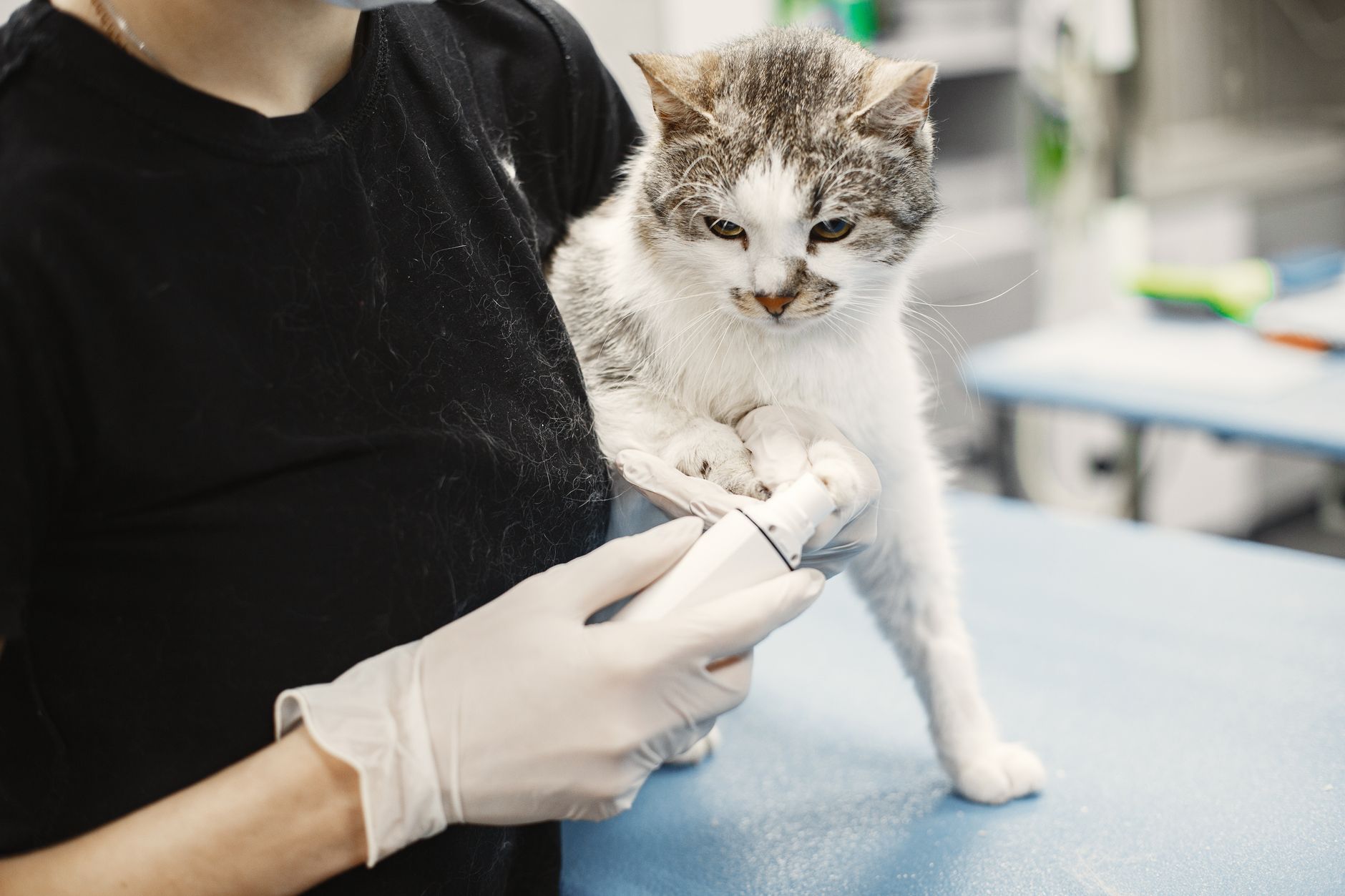
Siberians are generally a robust and hardy natural breed, but they are still genetically predisposed to a few specific conditions. Responsible breeders screen their lines carefully, but owners must remain vigilant and schedule annual veterinary check-ups to catch any developing issues early.
Hypertrophic Cardiomyopathy (HCM)
This is the most common heart disease in cats, characterized by the thickening of the heart walls, which makes it harder for the heart to pump blood effectively. It is a known hereditary concern in the Siberian breed.
Pyruvate Kinase (PK) Deficiency
An inherited enzymatic disorder that leads to the premature breakdown of red blood cells, causing chronic, fluctuating anemia. DNA testing is available and should be performed on breeding parents.
Polycystic Kidney Disease (PKD)
A slow, progressive genetic condition where fluid-filled cysts form in the kidneys, eventually leading to renal failure. While less common in Siberians than in Persians, it is still a risk factor.
Feline Lower Urinary Tract Disease (FLUTD)
A broad term for conditions affecting the bladder and urethra, which is particularly dangerous for large, neutered male cats like Siberians who may develop life-threatening urethral blockages.
Obesity
Because Siberians grow slowly over five years, owners often mistake fat accumulation for skeletal growth. Carrying excess weight puts severe strain on their joints and elevates diabetes risks.
How long do Siberian Cats typically live?
With proper nutrition, indoor living, and regular veterinary care, a Siberian Cat typically lives between 12 and 15 years. Many individuals can reach 18 or even 20 years of age due to their robust natural genetics.
What to Feed a Siberian Cat
Feeding a Siberian requires balancing their slow growth rate with their high energy levels. I’ve found that they do best on high-protein, moderate-fat diets that support muscle development without promoting excess fat storage.
Best Diet
An ideal diet consists of high-quality wet food rich in animal proteins like chicken, turkey, or salmon. Incorporating wet food is crucial to ensure they get adequate hydration, protecting their kidneys and urinary tract.
How to Feed
I recommend a structured schedule of two to three measured meals a day rather than free-feeding. This prevents overeating and allows you to easily monitor their appetite, which is often the first indicator of health changes.
How Much to Feed
Portions depend on their age, weight, and activity level, but generally, adult males need about 280 to 350 calories daily, while females need 200 to 250. Always consult your veterinarian to customize a feeding plan, especially during their five-year growth phase.
Nutritional Tips
Ensure their food contains adequate Omega-3 and Omega-6 fatty acids to nourish their dense, triple-layered coat and support joint health. Adding fresh water sources, like a pet fountain, is highly recommended to satisfy their natural curiosity and hydration needs.
Siberian Cat Grooming Guide
Despite their thick, luxurious triple coat, Siberians are surprisingly manageable to groom if you stay consistent. Their coat is naturally water-resistant and resists matting better than many other longhaired breeds, but it still requires focused attention during shedding seasons.
Coat Care
Brush their coat two to three times a week using a high-quality slicker brush and a long-toothed metal comb to reach the dense undercoat. During their heavy spring and fall shedding periods, increase this to daily brushing to prevent painful mats and minimize hairballs.
Skin Care
Generally, their skin is healthy, but they benefit from occasional bathing (if they tolerate it) during shedding season to loosen dead undercoat. Always use a cat-safe shampoo and ensure they are thoroughly dried to prevent skin irritation.
Eye Care
Wipe the corners of their eyes with a damp, soft cloth to remove any minor discharge, using a separate clean area of the cloth for each eye to prevent any potential spread of infection.
Ear Care
Check their ears weekly for dirt, wax buildup, or redness, and gently wipe them clean with a cotton ball moistened with a veterinarian-approved ear cleaner, never inserting cotton swabs into the ear canal.
Nail & Dental Care
Clip their claws every two to three weeks, and brush their teeth daily (or at least three times a week) using cat-safe enzymatic toothpaste to prevent periodontal disease.
Considerations for Pet Parents
Pros
- Affectionate and exceptionally loyal ‘dog-like’ companion
- Produces lower levels of the Fel d 1 allergen than other breeds
- Highly intelligent and surprisingly easy to train
- Robust, sturdy health with a rugged natural genetic build
- Fantastic with children and multi-pet households
- Quiet, pleasant vocalizations of sweet chirps and trills
- Genuinely enjoys playing and interacting with water
Cons
- Heavy seasonal shedding that requires daily brushing
- Slow maturity rate means dealing with a massive kitten for five years
- Requires significant daily mental stimulation and interactive play
- Can be prone to jumping on high countertops and shelves
- High purchase cost from reputable breeders
- Not 100 percent hypoallergenic despite popular misconceptions
Best For
An active, dedicated family or individual who wants an interactive, highly affectionate pet and is willing to dedicate time to daily play and regular grooming. It is also an excellent option for mild allergy sufferers who dream of sharing their home with a cat.
Not Recommended For
People who are away from home for long hours and cannot provide a companion pet, or those who expect a quiet, hands-off lap cat. It is also not ideal for individuals who cannot tolerate shedding fur on their furniture and clothing.
Cost
- purchase price$1,500 to $4,000 USD from a reputable, registered breeder, depending on pedigree and show quality.
- monthly cost$80 to $150 USD, covering high-quality food, litter, preventative veterinary care, and grooming supplies.
- initial setupExpect to spend $500 to $1,000 initially on high-quality vertical scratching posts, large litter boxes, robust cat trees, carrier bags, genetic health testing, and initial vaccinations.
Similar Breeds
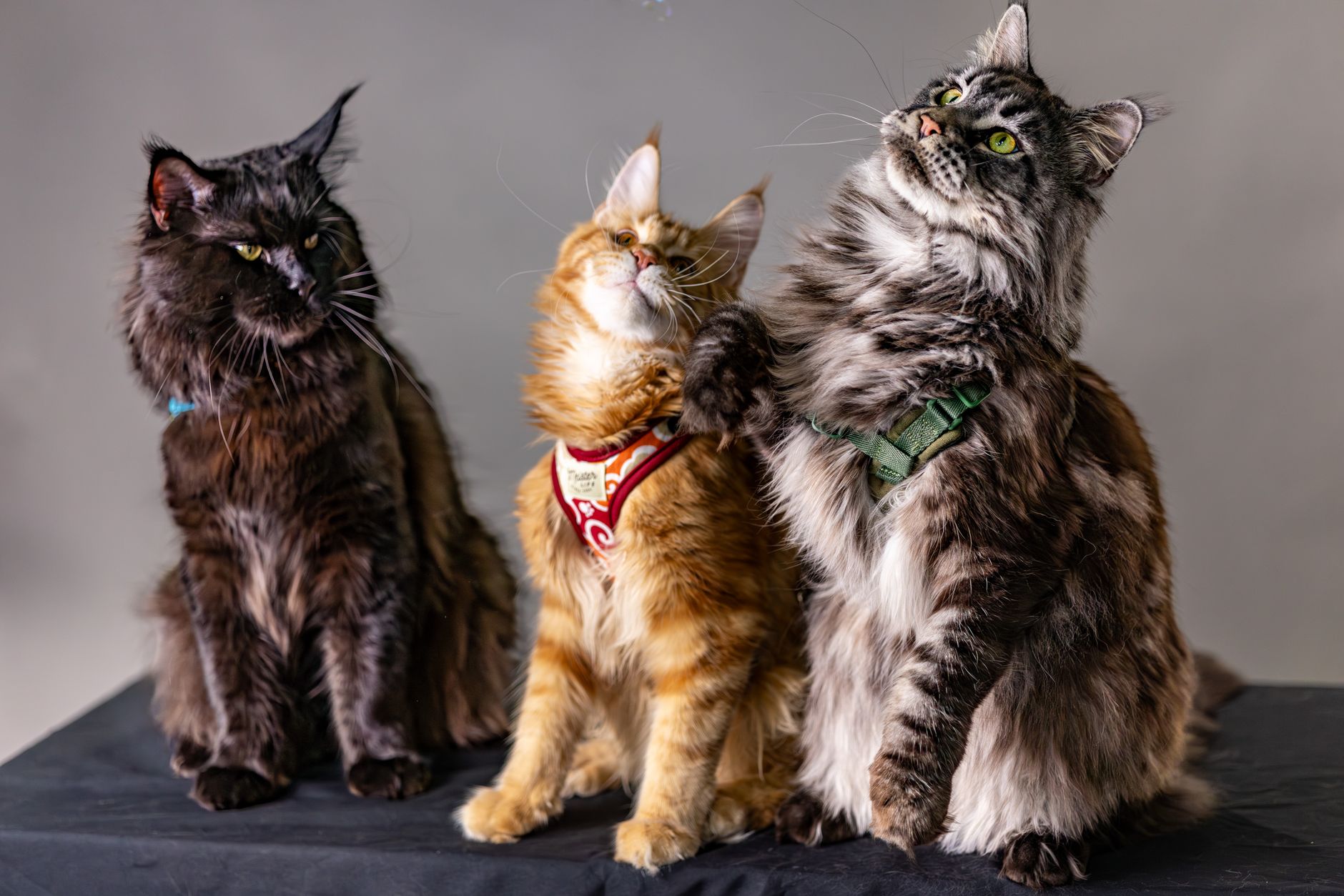
Maine Coon

Norwegian Forest Cat
Siberian Cat FAQs
Are Siberian Cats actually hypoallergenic?
While no cat is completely hypoallergenic, Siberians naturally produce much lower levels of the Fel d 1 protein in their saliva and skin than other breeds. I always recommend that severe allergy sufferers test their reactions around adult Siberians in a breeder’s home before committing. Many people with mild to moderate cat allergies find they can live comfortably with this breed.
Do Siberian Cats really like water?
Yes, many of them have a fascinating obsession with water due to their water-resistant triple coats. I’ve often seen them scoop water with their paws, splash in shallow tubs, or sit on the edge of a bathtub. Do not be surprised if your Siberian tries to join you in the shower or demands that you turn on the kitchen faucet.
How big do Siberian Cats get?
They are a large, muscular breed with dense bones. Mature males typically weigh between 15 and 20 pounds, with some exceptional individuals reaching up to 25 pounds, while females are smaller at 10 to 15 pounds. Because of their dense coats, they often look even larger than they actually are.
Why are Siberian Cats so expensive?
The high price tag reflects the cost of rigorous genetic health testing, importation of lines from Russia, and high-quality care provided by ethical breeders. Responsible breeders invest heavily in echocardiograms for HCM and DNA testing for PKD and PK Deficiency to ensure healthy kittens. Additionally, their high demand and limited litter numbers contribute to the premium cost.
What is the difference between a Siberian and a Maine Coon?
Siberians have a more rounded, barrel-shaped body, a shorter and more rounded muzzle, and a slightly sweeter facial expression compared to the rugged, square-jawed Maine Coon. Additionally, the Siberian’s triple coat is uniquely dense and weather-resistant, adapted for harsh Russian winters. Personality-wise, Siberians tend to be slightly more agile and intense jumpers than their larger Maine Coon cousins.
How long does it take for a Siberian Cat to grow?
Siberians are exceptionally slow-maturing cats, taking up to five full years to reach their adult size, coat density, and weight. During this time, they will go through various awkward growth stages where their legs or ears may look disproportionately large. It’s crucial to feed them a high-quality diet throughout this long developmental period to support their growing skeletal structure.
What is a Neva Masquerade Siberian?
The Neva Masquerade is the name given to colorpoint Siberian Cats, which feature darker points on their ears, face, paws, and tail paired with striking blue eyes. Some registries recognize them as a separate breed, while others consider them a color variation of the standard Siberian. Aside from their unique color pattern and eye color, they share the same physical traits and lovable temperament.
Do Siberian Cats get lonely?
Yes, they are highly social animals that thrive on companionship and can easily get lonely if left alone for long periods. I always recommend that working owners get a second cat or a dog to keep their Siberian company. If left isolated for too long, they may develop behavioral issues like destructive scratching or excessive vocalization.
Do they need to go outside?
I strongly advise keeping Siberians indoors to protect them from traffic, predators, diseases, and theft. Because of their highly adventurous nature, they do excellent with leash and harness training for supervised outdoor exploration. You can also build a secure outdoor cat enclosure, or ‘catio,’ to let them enjoy fresh air safely.
How often should I bathe a Siberian Cat?
Generally, they only need a bath once every few months or during their seasonal shedding ‘blow’ to help release the dead undercoat. Their water-resistant coat makes getting them wet surprisingly difficult, so you will need to thoroughly massage water through their thick fur. Always use a gentle, soap-free cat shampoo and ensure they are fully dry to prevent chills.
Are Siberian Cats good for apartments?
Yes, they can adapt beautifully to apartment living as long as you provide ample vertical space and daily interactive play. I recommend setting up tall cat trees and window perches so they can climb and observe their territory. Because they are highly active, you must commit to daily play sessions to keep them physically and mentally stimulated in a smaller space.
How do I know if my Siberian is purebred?
The only definitive way to prove your Siberian is purebred is by obtaining official registration papers from a recognized organization like TICA or CFA. Reputable breeders will always provide these papers along with a multi-generation pedigree. Beware of sellers offering ‘purebred’ kittens without papers, as these are often mixed-breed cats.
Do Siberian Cats jump high?
They are phenomenal jumpers, equipped with powerful hind legs that allow them to leap incredible distances with absolute ease. I’ve frequently seen them jump from the floor directly to the top of refrigerators or high bookshelves. If you adopt a Siberian, expect them to utilize all the vertical space in your home and plan accordingly.
Do they make a lot of noise?
No, Siberians are not known for being loud or demanding vocalizers. Instead, they communicate using a delightful array of quiet, melodic chirps, trills, and soft purrs. They will often ‘talk’ to you to greet you when you come home or to express excitement during playtime, but it is rarely disruptive.
What kind of toys do Siberian Cats prefer?
They love interactive toys that challenge their high intelligence and natural hunting instincts. In my experience, they highly prefer feather wands, automated laser toys, and puzzle feeders that reward them with treats. Many Siberians also have a strong retrieving instinct and will happily play fetch with small crinkle balls or felt mice for hours.