
Redbone Coonhound Breed Guide
Quick Summary
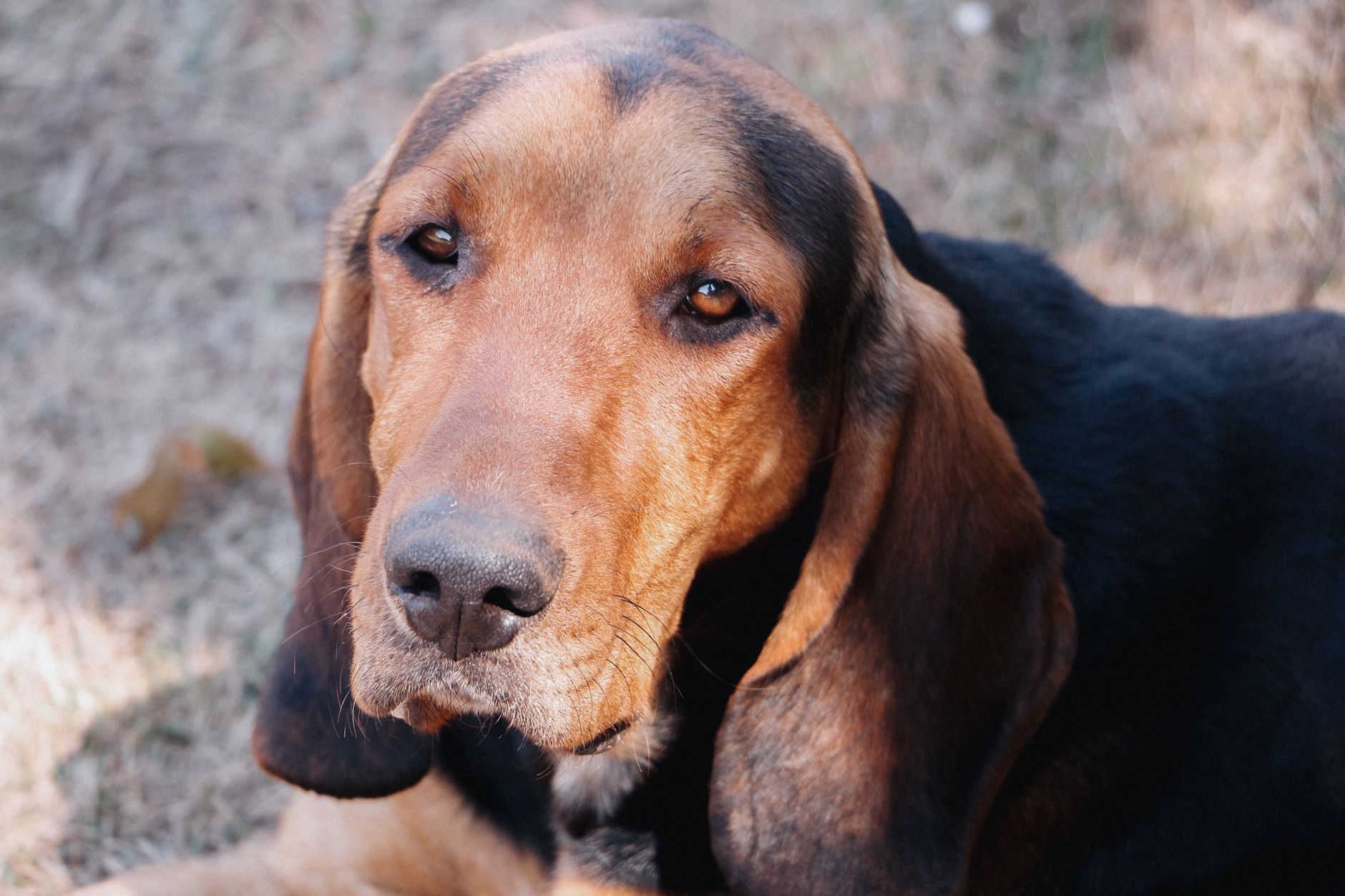
The Redbone Coonhound is an athletic, remarkably even-tempered scent hound famous for its striking mahogany coat and soulful expression. In my clinical practice, I find they make exceptionally gentle and affectionate companions for active families, provided their owners can manage their strong instinct to follow scent trails and their booming, melodic voices.
As an Amazon Associate, we earn from qualifying purchases.
Popular with Redbone Coonhound owners: Omega-3 Fish Oil · Dog Shampoo · Training Treats
Quick Facts
- origin countryUnited States
- breed groupHound Group
- sizeLarge
- weight range45 to 70 pounds
- height range21 to 27 inches
- lifespan11 to 12 years
- coat typeShort, smooth, and coarse
- common colorsSolid red (mahogany)
- other namesRedbone
- recognized byAKC, UKC
Caring for a Redbone Coonhound
Living with a Redbone Coonhound is an active, sensory adventure. In my clinic, I emphasize that these are working trail hounds first; they need daily mental and physical outlets to prevent destructive chewing, baying, or digging. Inside the home, they are surprisingly calm ‘couch potatoes’ who love to cuddle, but once outside, their noses take complete control. You must secure your yard with a reliable, tall fence because if they catch a scent, they will follow it for miles without looking back.
Is a Redbone Coonhound a good family pet?
Yes, they make wonderful family pets because of their gentle, patient, and highly affectionate nature. In my practice, I’ve observed they are remarkably tolerant of children, though their size and high energy when excited require supervision around toddlers.
Do Redbone Coonhounds shed a lot?
They are moderate, year-round shedders with a short, dense coat. I recommend a weekly brushing session with a rubber grooming mitt to manage loose hairs and keep their beautiful mahogany coat shining.
Is a Redbone Coonhound good for first-time owners?
Generally, I do not recommend them for first-time owners due to their independent hound temperament and strong prey drive. They require consistent, patient training and a committed approach to leash safety that beginners often find overwhelming.
Temperament & Personality
The Redbone is a delightful mixture of an intense, tireless worker outdoors and a gentle, sweet-tempered companion indoors. I often describe them as happy-go-lucky, possessing a steady temperament that lacks aggression but is filled with curiosity. They are deeply loyal to their families and express their joy with a melodic, booming bay that is characteristic of the breed.
Is a Redbone Coonhound good with other pets?
They generally get along very well with other dogs, especially other hounds. However, due to their powerful, bred-in prey drive, they are not safely kept with small pets like cats or rabbits unless raised together from early puppyhood under close supervision.
Native Pet Omega-3 Fish Oil for Dogs
- ✓Wild Alaskan salmon and pollock oil
- ✓Leak-proof locking pump
- ✓Supports soft coats and comfortable skin
- Omega-3 fatty acids support skin, coat and joints from the inside out
How much attention does a Redbone Coonhound need?
They are highly social pack animals that crave human companionship and can develop separation anxiety if left alone for long periods. I advise owners to plan for plenty of daily interaction, interactive play, and shared outdoor activities.
Training & Behavior
Training a Redbone Coonhound requires understanding the hound mind: they are highly intelligent but easily distracted by smells and inherently independent. In my clinical experience, traditional obedience training must be adapted to keep their interest, utilizing high-value food rewards and short, engaging sessions. Without early socialization and clear boundaries, their natural hunting instincts can manifest as stubbornness or excessive baying.
Training Tips
- Use high-value, smelly treats like liver or freeze-dried meat to compete with outdoor scents
- Keep training sessions short, around 5 to 10 minutes, to prevent boredom
- Begin recall training on day one, though never trust a Redbone fully off-leash
- Use positive reinforcement; harsh corrections will cause this sensitive breed to shut down
- Incorporate scent-work games into training to satisfy their natural instincts
Fun Activities
- Scent work and AKC tracking trials
- Hiking on secure, long-line leashes
- Coonhound field trials or water races
- Agility training to build focus
- Canicross or hands-free trail running
Is a Redbone Coonhound easy to train?
They are moderately challenging to train compared to biddable breeds like Retrievers. While highly intelligent, their instinctual drive to follow scents means they will prioritize an interesting smell over your commands, requiring patience and creative motivation.
Redbone Coonhound Health Issues
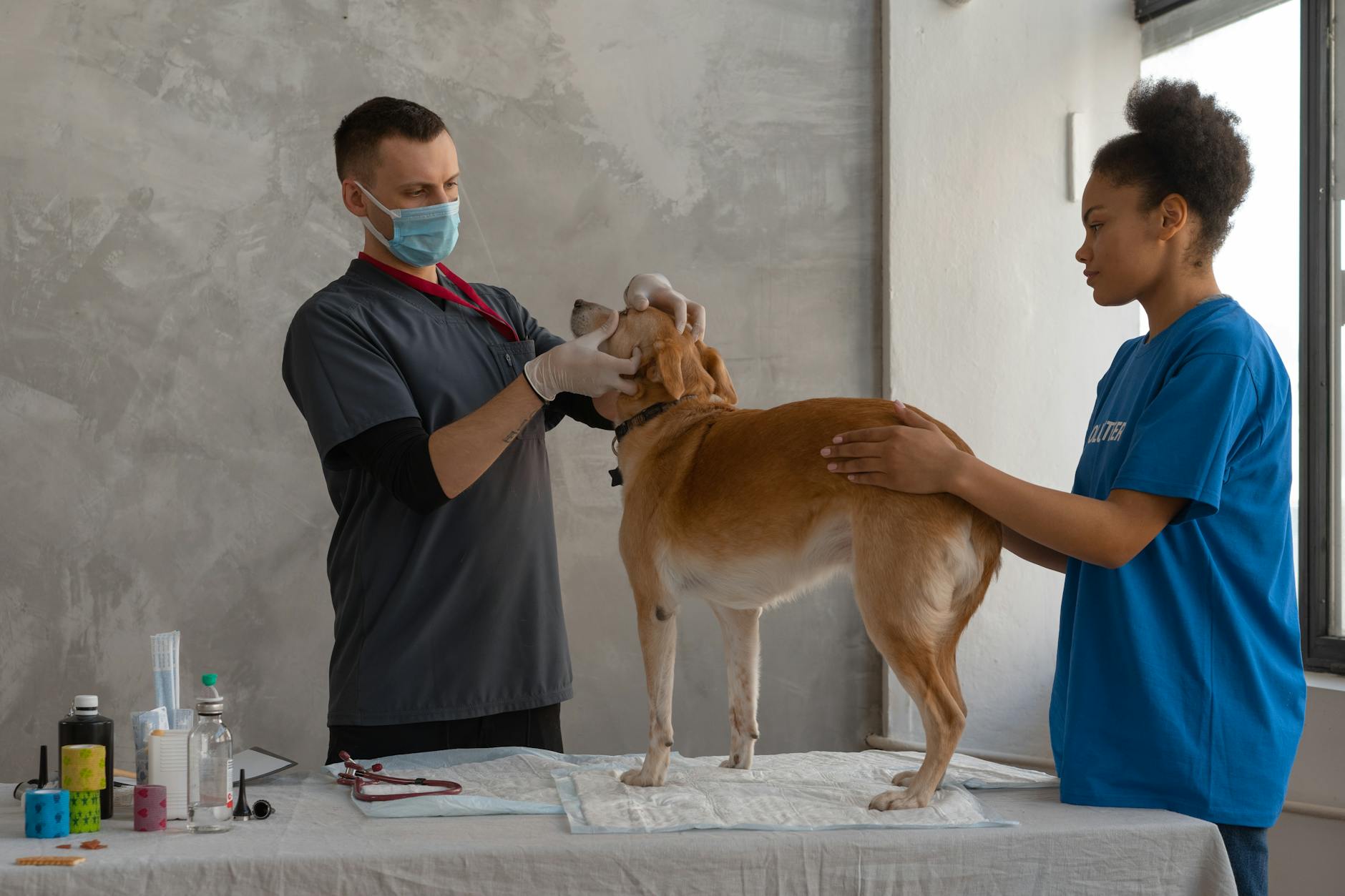
Redbone Coonhounds are generally a robust, hardy breed built for endurance in the field. However, like all large breeds, they have genetic predispositions to specific structural, ocular, and ear conditions that require proactive veterinary care.
Otitis Externa (Ear Infections)
Their long, heavy pendulous ears trap moisture and debris, creating a perfect dark environment for yeast and bacterial overgrowth.
Hip Dysplasia
A genetic condition where the femur does not fit snugly into the pelvic socket, leading to progressive arthritis and joint degeneration.
Gastric Dilatation-Volvulus (GDV or Bloat)
A life-threatening medical emergency where the stomach fills with gas and twists on its axis, cutting off blood supply.
earthbath Oatmeal & Aloe Dog Shampoo
- ✓Colloidal oatmeal and aloe vera formula
- ✓Fragrance-free option for sensitive noses
- ✓Made in the USA, cruelty free
- Soothes itchy, dry skin while cleaning the coat
- Gentle enough for regular baths
Coonhound Paralysis (Polyradiculoneuritis)
An acute inflammatory polyneuropathy often triggered by exposure to raccoon saliva, leading to progressive ascending paralysis.
Cherry Eye
Prolapse of the gland of the third eyelid, causing a red mass to protrude from the inner corner of the eye.
How long do Redbone Coonhounds typically live?
With proper nutrition, regular veterinary care, and safety precautions to prevent roaming injuries, a Redbone Coonhound typically enjoys a lifespan of 11 to 12 years, with some reaching 14 years.
What to Feed a Redbone Coonhound
Feeding a Redbone Coonhound requires balancing their high caloric needs during active periods with their tendency to overeat and gain weight when sedentary. In my practice, I frequently treat overweight hounds whose owners overestimate their actual daily activity level.
Best Diet
I recommend a high-quality, large-breed adult kibble formulated to support joint health with added glucosamine and chondroitin. For highly active or working hounds, a performance-oriented diet with a higher protein-to-fat ratio (such as 30/20) may be appropriate during peak hunting or hiking seasons.
How to Feed
To reduce the risk of life-threatening bloat (GDV), always divide their daily food allowance into at least two separate meals. I strongly advise against using raised food bowls unless specifically recommended by your vet, and insist on waiting at least one hour after feeding before any strenuous exercise.
How Much to Feed
Portion sizes typically range from 2.5 to 4 cups of dry kibble daily, depending on weight, age, and activity. Always consult your veterinarian to calculate your specific dog’s daily caloric requirements based on their body condition score.
Nutritional Tips
Incorporate omega-3 fatty acid supplements, like wild-caught fish oil, to support joint cartilage health and keep their rich red coat lustrous. Avoid table scraps, as Redbones are highly prone to pancreatitis from high-fat human foods.
Redbone Coonhound Grooming Guide
Redbones are a low-maintenance breed when it comes to grooming, but their floppy ears demand constant vigilance. Establishing a simple weekly routine early in puppyhood makes these tasks easy to manage throughout their lives.
Coat Care
Brush the coat once a week with a rubber curry brush or grooming mitt to remove dead hair and distribute natural skin oils. They only require a bath every 4 to 6 weeks, or immediately after a muddy trail run.
Skin Care
Keep a lookout for skin folds or allergy symptoms, particularly on their bellies and paws. Wipe them down after outdoor excursions to remove pollen or ticks.
Eye Care
Regularly wipe away any discharge from the corners of their eyes with a damp, soft cloth, keeping an eye out for redness or drooping lids.
Ear Care
Clean their long ears weekly using a veterinarian-approved, drying ear cleanser to prevent yeast infections. Always dry the ears thoroughly after swimming or bathing.
Nail & Dental Care
Trim their nails every 3 to 4 weeks using a grinder or heavy-duty clippers, and brush their teeth at least three times a week with dog-safe enzymatic toothpaste.
Considerations for Pet Parents
Pros
- Stunning, low-maintenance mahogany coat
- Exceptionally gentle and affectionate family companion
- Excellent endurance partner for hiking and running
- Generally healthy and structurally robust breed
- Very social and friendly toward other dogs
- Calm and relaxed indoors when properly exercised
Cons
- Incredibly loud, booming bay that can disturb neighbors
- Intense prey drive makes off-leash roaming impossible
- Prone to chronic, foul-smelling ear infections
- Can be stubborn and easily distracted during training
- Requires highly secure fencing to prevent escaping
Best For
They are best suited for active, outdoor-oriented families or individuals who live in suburban or rural environments with access to large, securely fenced yards. An ideal owner understands hound behavior and is committed to daily aerobic exercise and leash safety.
Not Recommended For
They are not recommended for apartment dwellers due to their booming bark, nor are they suitable for sedentary owners or those who want an off-leash companion for unfenced parks. Homes with small pets like cats or pocket pets should also avoid this breed.
Cost
- purchase price$800 to $1,500
- monthly cost$120 to $200
- initial setupExpect an initial investment of $1,000 to $2,500, which covers essential gear, high-quality crates, veterinary wellness visits, microchipping, spay/neuter surgery, and secure yard fencing.
-
Zuke’s Mini Naturals Dog Training Treats, ChickenQuick to eat, so training sessions keep moving
-
Purina Pro Plan Sensitive Skin & Stomach Dog Food, SalmonA complete, balanced diet matched to your dog’s size and age is the foundation of a healthy coat, gut and energy level
-
Outward Hound Nina Ottosson Dog Brick Puzzle ToyBurns mental energy in clever, easily bored dogs
Similar Breeds

Related Dog Guides
Redbone Coonhound FAQs
How much daily exercise does a Redbone Coonhound need?
They require at least 60 to 90 minutes of vigorous daily exercise. This should include brisk walks, jogging, or scent-tracking games in a secure area to satisfy both their physical and mental needs.
Can a Redbone Coonhound live in an apartment?
I generally advise against it. Their loud, resonant bay is built to carry over miles in the woods, and they will vocalize when bored, frustrated, or greeting visitors, which quickly leads to neighbor complaints.
Do Redbone Coonhounds have a distinct ‘hound smell’?
Yes, like most scent hounds, they have natural skin oils that carry a distinct, slightly musty smell. This scent is normal, but regular bathing and keeping their bedding clean can help minimize it.
Are they prone to running away?
Yes, they are highly prone to roaming. If they catch a scent of wildlife, they will zone out all commands and follow it; therefore, a highly secure, five-to-six-foot fence is mandatory.
How do they handle hot and cold weather?
Their short coat makes them highly tolerant of warm climates, provided they have shade and water. In freezing winter weather, they lack insulation and will require a dog fleece or jacket for outdoor walks.
How can I prevent chronic ear infections in my Redbone?
Clean their ears weekly with a veterinarian-recommended drying cleanser, and always dry their ears thoroughly with a towel after they go swimming, play in the rain, or have a bath.
Are Redbone Coonhounds aggressive?
No, they are typically very gentle, friendly, and non-aggressive dogs. However, they can be vocal and physically strong, which some unfamiliar visitors might mistake for aggression.
What is Coonhound Paralysis?
It is an acute, autoimmune nerve inflammation historically linked to contact with raccoon saliva. Affected dogs develop progressive weakness in their limbs, requiring immediate veterinary hospitalization and supportive care.
Can they ever go off-leash in an open field?
In my clinical opinion, almost never. Their genetic drive to track scent is too powerful to override with training, and they are highly likely to run into traffic or get lost.
Do they drool a lot?
They drool moderately, primarily when they smell food, after drinking water, or when they are hot and panting. It is much less than a Mastiff but more than a tight-jowled breed like a Greyhound.
Are they easy to housebreak?
They can take slightly longer to housebreak than some other breeds due to their independent nature. I recommend a strict crate-training schedule and using positive reinforcement to establish good habits.
How do they react to strangers?
They are generally polite but alert when meeting strangers. They will often bark to announce a visitor’s arrival, but they usually warm up quickly once they realize the person is not a threat.
Sources & Further Reading
- American Kennel Club (AKC)
- American Veterinary Medical Association (AVMA)
- Merck Veterinary Manual
- PetMD