
Tibetan Terrier Breed Guide

Quick Summary
The Tibetan Terrier is an ancient, highly adaptable companion with unique ‘snowshoe’ paws and a glorious double coat, originally bred as a sacred companion in Himalayan monasteries. Though not a true terrier, this sensitive and intelligent breed thrives in active households that can dedicate significant time to mental stimulation and rigorous coat maintenance. As a veterinarian, I find their joyful, empathetic temperament makes them stellar family companions for those ready for the grooming commitment.
Quick Facts
- origin countryTibet
- breed groupNon-Sporting
- sizeMedium
- weight range18 to 30 pounds (8 to 14 kg)
- height range14 to 17 inches (35 to 43 cm)
- lifespan12 to 15 years
- coat typeDense, fine, long double coat; straight or wavy outer coat with a soft, woolly undercoat
- common colorsAny color or combination, including black, white, gold, tri-color, sable, and silver
- other namesTsang Apso, Dokhi Apso, Holy Dog of Tibet
- recognized byAKC, UKC, FCI, KC (UK)
Caring for a Tibetan Terrier
Day-to-day life with a Tibetan Terrier revolves around a balanced routine of moderate physical exercise, mental engagement, and intensive coat care. In my clinical practice, I observe that these dogs thrive when treated as integral family members, often shadowing their owners from room to room. Their unique, large, flat paws make them exceptionally agile, meaning a securely fenced yard is non-negotiable to contain their athletic leaps. Expect to spend at least an hour daily managing their physical activity and preparing for or executing their grooming routine.
Is a Tibetan Terrier a good family pet?
Absolutely. In my practice, I have found them to be exceptionally intuitive family companions who match the playful energy of children while remaining highly sensitive and respectful of household boundaries.
Do Tibetan Terriers shed a lot?
They shed very little dander and loose hair compared to other breeds, as their coat behaves more like human hair. However, this means dead hair gets trapped in the undercoat, requiring systematic brushing to prevent severe, painful mats.
Is a Tibetan Terrier good for first-time owners?
They can be a challenge for novices due to their independent streak and high-maintenance grooming. I recommend them to first-time owners only if they are fully committed to consistent positive-reinforcement training and professional grooming costs.
Temperament & Personality
In my years treating this breed, I have come to appreciate the Tibetan Terrier as an emotional mirror of their household; they are deeply empathetic and highly sensitive to their owner’s moods. They possess a charming, almost clownish playfulness at home, combined with a natural, ancient watchfulness that makes them initially reserved with strangers. Unlike true terriers, they lack a hyper-focused prey drive, choosing instead to focus their alert nature on sentinel duty and family bonding.
Is a Tibetan Terrier good with other pets?
Yes, they generally coexist wonderfully with other dogs and cats, especially when raised together from puppyhood. Their low prey drive means they rarely view smaller household pets as targets.
How much attention does a Tibetan Terrier need?
They are classic ‘velcro’ dogs that require significant human interaction and do not tolerate long periods of isolation. Leaving them alone for long stretches frequently leads to separation anxiety and destructive behavior.
Training & Behavior
Tibetan Terriers are highly intelligent but independent thinkers, bred to make decisions on rugged mountain terrain rather than blindly obey commands. Because of this, repetitive, boring drills will cause them to shut down or find their own entertainment. I always tell owners to treat training as a collaborative game, using high-value rewards to keep this clever breed engaged.
Training Tips
- Use positive reinforcement with varied, high-value treats
- Keep training sessions short, fast-paced, and intellectually stimulating
- Prioritize early, gentle socialization to curb natural stranger-shyness
- Establish consistent rules early to prevent them from outsmarting you
- Incorporate puzzle toys and scent-work games to satisfy their busy minds
Fun Activities
- Agility trials (where their wide paws excel)
- Scent work and tracking games
- Therapy dog work (due to their intuitive empathy)
- Hiking on rugged, rocky trails
- Flyball and puzzle-solving games
Is a Tibetan Terrier easy to train?
They are highly capable of learning complex behaviors but require patience and consistency. Because they are sensitive, they will react poorly to harsh corrections, instead requiring creative, positive motivation.
Tibetan Terrier Health Issues
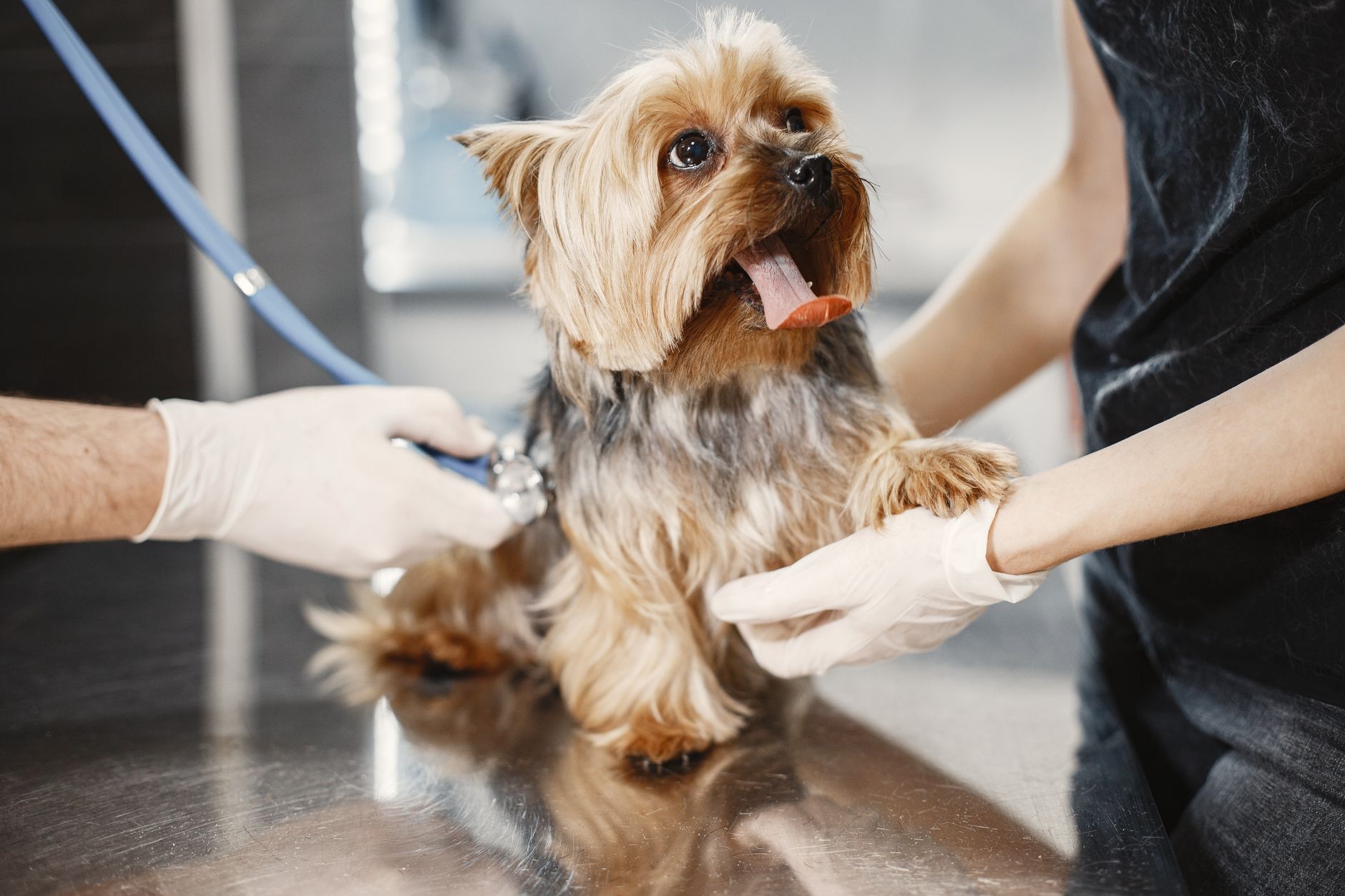
While the Tibetan Terrier is a remarkably robust and long-lived breed, they are genetically predisposed to several inherited ophthalmic and orthopedic conditions. In my clinic, I stress the absolute necessity of sourcing puppies from breeders who provide certified DNA clearance and orthopedic screenings.
Progressive Retinal Atrophy (PRA)
An inherited degenerative eye disease that destroys photoreceptor cells, leading to progressive, irreversible blindness.
Primary Lens Luxation (PLL)
A genetic defect where the fibers supporting the lens disintegrate, causing the lens to displace and potentially trigger acute, painful glaucoma.
Hip Dysplasia
A malformation of the hip joint’s ball-and-socket structure, leading to joint laxity, painful osteoarthritis, and mobility issues.
Patellar Luxation
A condition where the kneecap (patella) slips out of its anatomical groove during movement, common in active medium breeds.
Neuronal Ceroid Lipofuscinosis (NCL)
A rare, progressive lysosomal storage disease affecting the nervous system, leading to severe neurological decline.
Hypothyroidism
An underactive thyroid gland that slows the dog’s metabolic rate, requiring lifelong daily hormone replacement therapy.
How long do Tibetan Terriers typically live?
With proper nutrition, regular veterinary care, and an active lifestyle, Tibetan Terriers typically live 12 to 15 years. Many of my patients remain remarkably spry and active well into their senior years.
What to Feed a Tibetan Terrier
Proper nutrition for a Tibetan Terrier hinges on maintaining a lean body condition to protect their joints, as they are prone to hidden weight gain. Because their luxurious, thick double coat easily masks obesity, I teach all my clients how to feel for their dog’s ribs rather than relying solely on visual assessments.
Best Diet
I highly recommend feeding a premium, life-stage-specific dry kibble formulated for medium-sized active breeds. Ensure the formula is rich in omega-3 and omega-6 fatty acids to support their dense, demanding coat and promote skin barrier health.
How to Feed
Divide their measured daily caloric allowance into two structured meals per day, fed once in the morning and once in the evening. Avoid free-feeding, as Tibetan Terriers are opportunistic eaters who will easily overconsume out of boredom.
How Much to Feed
On average, an adult Tibetan Terrier requires between 1 to 1.5 cups of high-quality dry kibble daily. This estimate varies significantly based on age, metabolism, and daily activity levels; owners should consult their vet to calculate precise caloric targets.
Nutritional Tips
Incorporating therapeutic-grade joint supplements containing glucosamine, chondroitin, and green-lipped mussel early in life can safeguard their active joints. Additionally, high-quality marine oil supplements help maintain skin hydration under that heavy coat, minimizing common dry-skin irritations.
Tibetan Terrier Grooming Guide
Grooming a Tibetan Terrier is a demanding, non-negotiable daily commitment that requires proper tools and patience. Their unique double coat acts as a natural broom for the outdoors, collecting twigs, leaves, and dirt that will quickly mat if neglected.
Coat Care
Commit to brushing your TT thoroughly 3 to 4 times a week using a line-brushing technique with a high-quality pin brush and slicker. Unless you maintain a short ‘puppy cut,’ expect to schedule professional grooming every 6 to 8 weeks for deep washing, deshedding, and trimming.
Skin Care
Bathe them every 3 to 4 weeks using a soap-free, highly moisturizing veterinary shampoo followed by a deep conditioner to prevent dry skin. You must dry the coat completely with a high-velocity dryer, as trapped moisture in the dense undercoat can easily lead to painful hot spots.
Eye Care
Gently wipe away daily tear crusts with a damp cloth, and either trim the hair around their eyes or secure it with a topknot to prevent constant mechanical irritation to the cornea.
Ear Care
Their heavily feathered, drop ears trap moisture, wax, and debris, creating a perfect breeding ground for yeast. Clean their ears weekly with a vet-approved drying astringent, and monitor for redness or odor.
Nail & Dental Care
Trim their nails every 3 to 4 weeks to prevent splaying of their unique paws, and brush their teeth daily with enzymatic dog toothpaste to ward off periodontal disease.
Considerations for Pet Parents
Pros
- Extremely loyal, empathetic, and family-oriented companion
- Highly adaptable to both apartment living and large suburban homes
- Very low-shedding and dander-controlled, ideal for many allergy sufferers
- Naturally agile and sturdy, making excellent hiking partners
- Intelligent, quick-witted, and capable of learning advanced training tasks
- Long-lived and generally robust with proper preventative care
Cons
- Extremely high-maintenance grooming demands that cannot be ignored
- Prone to severe separation anxiety if left alone for long periods
- Can be stubborn, independent, and easily bored during training
- Alert nature can escalate into nuisance watch-dog barking if untrained
- Requires intensive early socialization to prevent fear or reservation toward strangers
Best For
This breed is best for active individuals, retirees, or families who spend plenty of time at home and actively enjoy the routine of intensive daily grooming. They are perfect for owners who want a loyal ‘velcro’ dog that can easily transition from a rugged, five-mile mountain hike to a quiet cuddle on the couch.
Not Recommended For
I do not recommend this breed for busy households where the dog will be left alone for 8 or more hours a day, or for owners looking for a low-maintenance, ‘wash-and-wear’ pet. If you are unable to commit to daily brushing or the significant cost of lifelong professional grooming, this is not the dog for you.
Cost
- purchase price$1,500 – $3,500 from a reputable, health-testing breeder
- monthly cost$150 – $300 (highly dependent on professional grooming frequency and preventative medications)
- initial setupPlan to spend an initial $1,200 – $2,000 on high-quality grooming tools (such as a professional-grade velocity dryer), a sturdy crate, initial puppy vaccinations, spay or neuter surgery, and essential preventative care.
Similar Breeds

Related Dog Guides
Tibetan Terrier FAQs
Are Tibetan Terriers hypoallergenic?
While no dog is completely hypoallergenic, the Tibetan Terrier is often well-tolerated by allergy sufferers. Their hair-like coat traps dander and shed hair close to the body rather than releasing it into the air, but this requires frequent brushing and bathing to maintain.
Do Tibetan Terriers bark a lot?
Yes, they have an innate watchdog heritage and will bark to alert you to any unusual sounds, strangers, or visual changes in their environment. Early training to establish a ‘quiet’ command is critical to prevent this alert behavior from becoming a nuisance.
What are ‘snowshoe feet’ in Tibetan Terriers?
Their feet are uniquely large, flat, and round, with hair growing thickly between the toes, acting as natural snowshoes. This ancient adaptation provided traction and prevented them from sinking into the deep, icy snow of the Himalayan mountains.
How much exercise does a Tibetan Terrier need?
They require about 60 minutes of daily physical and mental exercise. This should include a mix of brisk walks, off-leash play in a securely fenced yard, and interactive puzzle toys to keep their active minds occupied.
Why is it called a ‘Terrier’ if it isn’t one?
When the breed was first brought to England from India and Tibet, European judges named them ‘Terriers’ simply because they resembled native British terrier breeds in size and alert posture. They do not possess the earth-digging or vermin-hunting drive of true terriers.
Do Tibetan Terriers have a strong doggie odor?
No, they generally lack the typical oily ‘doggie’ odor associated with many other breeds. However, if their long coat is not dried thoroughly after bathing or getting wet, trapped moisture can breed yeast and bacteria, causing a musty smell.
Can Tibetan Terriers be left alone during the workday?
They do not tolerate long periods of isolation well and are highly prone to separation anxiety. If you must leave them, try to limit it to under 4 hours, and provide plenty of interactive puzzles or arrange for a dog walker.
What is ‘blowing coat’ in Tibetan Terriers, and when does it happen?
Around 10 to 14 months of age, Tibetan Terriers transition from their soft puppy coat to their dense adult coat, a phase known as ‘blowing coat.’ During this 2-to-3-month period, the fur mats almost instantly, requiring intensive, daily brushing to manage the transition.
Are Tibetan Terriers good with cats?
Yes, most Tibetan Terriers can live very harmoniously with cats, particularly when introduced at a young age. Because they lack the high prey drive of true terriers, they are far more likely to treat cats as companions rather than prey.
Do Tibetan Terriers like to swim?
While some individual Tibetan Terriers enjoy playing in shallow water, they are generally not natural water dogs. Because their heavy double coat becomes waterlogged and incredibly heavy when wet, always supervise them closely around deep water or pools.
How do I prevent my Tibetan Terrier’s coat from matting?
The key is a technique called ‘line brushing’—parting the hair in horizontal lines and brushing from the skin outward, rather than just skimming the topcoat. Always mist the coat with a light detangling spray beforehand, as brushing dry hair causes breakage and worsens mats.
Can Tibetan Terriers tolerate hot weather?
While bred for the frigid Himalayan climate, they can adapt to warmer climates if kept indoors with air conditioning. Their thick coat actually acts as insulation against both heat and cold, but you must never overexert them during hot, humid days.
Why is my Tibetan Terrier suddenly limping?
Sudden limping or holding a leg up in this breed is most commonly caused by patellar luxation (a slipping kneecap) or an acute soft-tissue injury from athletic jumping. Any lameness should be evaluated by a veterinarian promptly to prevent joint damage.
Are Tibetan Terriers prone to ear infections?
Yes, their floppy, heavily feathered ears trap moisture and reduce air circulation, creating an ideal environment for yeast and bacterial overgrowth. Regular weekly cleaning with a vet-approved drying solution is necessary to prevent chronic infections.
Sources & Further Reading
- American Kennel Club (AKC)
- ASPCA
- Merck Veterinary Manual
- American Veterinary Medical Association (AVMA)