
Asian Tabby Breed Guide

Quick Summary
The Asian Tabby is a vibrant, deeply affectionate, and highly intelligent breed that brings the energetic charm of the Burmese and the striking coat patterns of a wild cat into the home. Combining a highly social nature with a surprisingly conversational voice, these cats thrive in active households where they can participate in daily family life. They are an ideal fit for families, multi-pet households, and those seeking an engaging, interactive companion who will actively seek out their company.
Quick Facts
- origin countryUnited Kingdom
- breed groupAsian Group (Shorthair)
- sizeMedium
- weight range6 to 13 pounds (2.7 to 5.9 kg)
- height range8 to 11 inches (20 to 28 cm)
- lifespan12 to 18 years
- coat typeShort, fine, glossy, and close-lying
- common colorsTicked, spotted, marbled, or classic patterns in brown, blue, chocolate, lilac, red, and cream.
- other namesAsian Shorthair (Tabby variant)
- recognized byGCCF, FIFe, LOOF
Caring for a Asian Tabby
Living with an Asian Tabby is like having an inquisitive toddler in a sleek, athletic cat suit. In my clinical experience, these cats do not do well as passive couch ornaments; they require daily mental stimulation and interactive play to prevent boredom-induced behaviors. I always tell owners that setting up vertical spaces, like cat trees and window perches, is non-negotiable for this agile breed. Expect them to follow you from room to room, supervising your work and softly chiming in with their opinions.
Is a Asian Tabby a good family pet?
Absolutely, they are exceptional family pets due to their highly social and adaptable nature. What I see most often in my practice is how well they bond with children who respect their boundaries, participating enthusiastically in gentle play. Their robust, athletic build means they can handle the lively environment of a busy home better than more delicate breeds.
Do Asian Tabbys shed a lot?
No, they are relatively low-shedding cats thanks to their single, short coat. A simple weekly brushing is usually more than enough to remove dead hair and keep their coat looking glossy and healthy. However, they are not hypoallergenic, and owners with sensitive allergies should still expect a minor amount of dander.
Is a Asian Tabby good for first-time owners?
They can be a wonderful choice for first-time owners, provided you are prepared for an active, highly communicative cat. If you are expecting a quiet, independent feline that sleeps all day, their constant demand for interaction might feel overwhelming. For an owner willing to invest time in daily play and mental enrichment, they are incredibly rewarding and forgiving companions.
Temperament & Personality
The Asian Tabby possesses a highly expressive, extroverted, and loving personality that inherits the best of its Burmese ancestry. They are remarkably outgoing cats who greet guests at the door and insist on being the center of attention during social gatherings. While they are energetic and playful, they also have a deeply affectionate side, happily curling up on a warm lap for hours once their curiosity has been satisfied. Their vocalizations are softer and more melodious than a Siamese, but they will absolutely hold a full conversation with you.
Is a Asian Tabby good with other pets?
Yes, in my years treating this breed, I have found them to be exceptionally gregarious and happy to share their territory. They generally thrive in multi-cat households and get along famously with cat-friendly dogs, often initiating play sessions or snuggling up for shared naps. The key is a gradual, positive introduction process to ensure everyone feels secure.
How much attention does a Asian Tabby need?
They require a significant amount of daily attention and do not tolerate isolation well. If left alone for long stretches of time without stimulation, they can develop separation anxiety or destructive habits out of sheer boredom. I recommend this breed for households where someone is home during the day, or where they have another companion animal to keep them company.
Training & Behavior
Because of their high intelligence and natural curiosity, training an Asian Tabby is a delight and a highly effective way to channel their abundant energy. They learn remarkably quickly, often figuring out how to open cabinet doors or fetch toys without any formal instruction. From a behavioral standpoint, utilizing positive reinforcement techniques like clicker training works wonders to keep their minds sharp and prevent mischievous antics. I always recommend starting training sessions early in kittenhood to establish healthy behavioral boundaries.
Training Tips
- Use high-value, low-calorie treats for positive reinforcement
- Incorporate clicker training to teach complex commands and tricks
- Keep training sessions short, around 3 to 5 minutes, to match their attention span
- Provide puzzle feeders to satisfy their natural problem-solving instincts
- Establish clear boundaries early to discourage jumping onto hot stoves or counters
Fun Activities
- Playing fetch with soft crinkle balls or felt mice
- Agility course training using hoops and tunnels
- Learning to walk on a harness and leash for outdoor enrichment
- Interactive puzzle toys that dispense dry kibble
- Chasing feather wands or laser pointers in structured play sessions
Is a Asian Tabby easy to train?
Yes, they are exceptionally easy to train compared to many other cat breeds due to their high intelligence and eagerness to engage. In my practice, I have seen clients successfully teach their Asian Tabbys to sit, high-five, and even walk on a harness with minimal effort. The secret is keeping the sessions fun, rewarding, and highly interactive.
Asian Tabby Health Issues
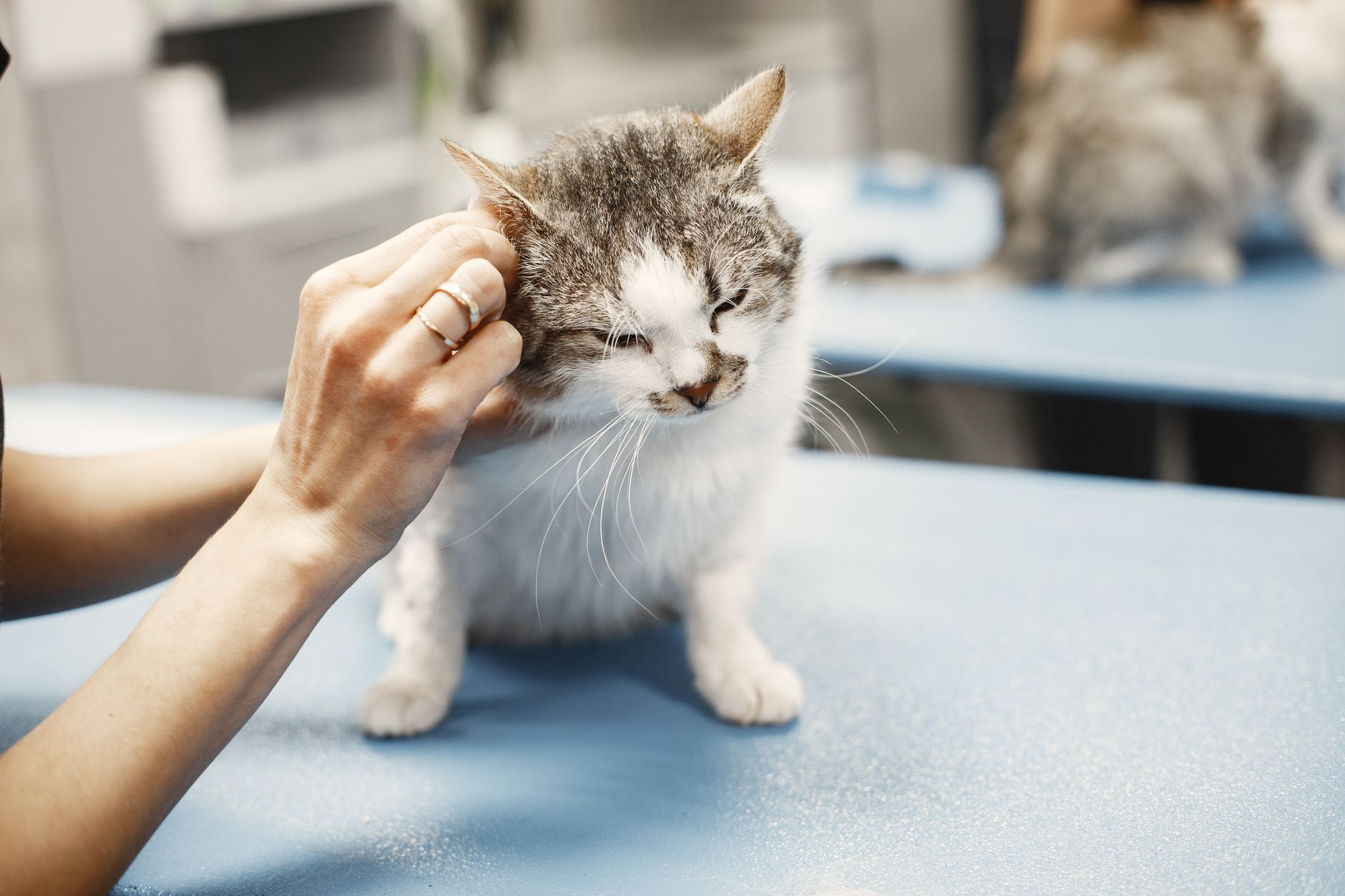
The Asian Tabby is generally a robust, healthy breed, but their lineage links them to hereditary conditions seen in Burmese and Persian lines. In my clinical practice, preventing obesity and maintaining excellent dental hygiene are the two most critical preventative measures owners can take to ensure a long, healthy life.
Hypokalemia
This is a hereditary muscle weakness caused by low potassium levels in the blood, inherited from their Burmese ancestry. Affected cats may struggle to raise their heads or appear generally weak and uncoordinated. I always advise genetic screening before breeding, and clinical management typically involves oral potassium supplementation under veterinary supervision.
Polycystic Kidney Disease (PKD)
Inherited from their Chinchilla Persian ancestral roots, PKD causes fluid-filled cysts to slowly develop in the kidneys, eventually leading to renal failure. While less common in Asian Tabbys than in pure Persians, DNA screening of breeding stock is vital to eliminate this risk entirely. Management focuses on supportive care, hydration, and dietary changes to protect kidney function.
Diabetes Mellitus
Like their Burmese relatives, Asian Tabbys can have a genetic predisposition to developing type-2 diabetes, especially if they become overweight or obese. In my clinic, I emphasize maintaining a lean body condition through a high-protein, low-carbohydrate diet to significantly reduce this risk. If diagnosed, it is managed with daily insulin injections and strict dietary control.
Periodontal Disease
Shorthaired, active breeds like the Asian Tabby are frequently prone to early-onset dental plaque and tartar buildup, which can lead to painful gingivitis and tooth loss. In my years treating this breed, I cannot overstate the importance of daily tooth brushing and professional dental cleanings under anesthesia. Untreated dental disease can lead to systemic bacteria affecting the heart and kidneys.
Hypertrophic Cardiomyopathy (HCM)
This is a common feline heart disease characterized by the thickening of the left ventricular muscle wall, which can lead to heart failure or blood clots. Regular veterinary check-ups including auscultation (listening for murmurs) are crucial, and an echocardiogram is the gold standard for definitive diagnosis. While there is no cure, medications can help manage symptoms and improve quality of life.
How long do Asian Tabbys typically live?
With appropriate preventive veterinary care, high-quality nutrition, and an indoor lifestyle, an Asian Tabby can easily live between 12 and 18 years. I have seen several patients in my practice reach the ripe old age of 20, a testament to their overall resilience when provided with a loving, stress-free environment.
What to Feed a Asian Tabby
Feeding an Asian Tabby requires a careful balance between fueling their high-energy lifestyle and preventing the onset of obesity. Because of their potential genetic risk for diabetes, I strongly advocate for a diet that mimics their natural carnivorous needs.
Best Diet
The ideal diet for an Asian Tabby is a high-quality, meat-based, wet food formula that is high in protein and very low in carbohydrates. Wet food also provides crucial hydration, which helps protect their kidneys and urinary tract from common feline issues. I recommend choosing a formula specifically tailored for active adult cats, and consulting your vet as they age to transition to senior-specific nutrition.
How to Feed
I advise establishing set meal times—ideally twice a day, morning and evening—rather than free-feeding dry kibble, which easily leads to overeating. Using puzzle feeders or food-dispensing toys is an excellent way to feed their dry portion, satisfying their predatory drive while slowing down their eating pace.
How Much to Feed
Portion sizes should be calculated based on your cat’s specific target weight, age, and activity level, rather than relying solely on bag guidelines. As a general starting point, an active 10-pound adult cat requires roughly 250 to 280 calories per day, but you should always consult your veterinarian to establish a precise feeding plan.
Nutritional Tips
Incorporate fresh water sources, like a pet fountain, to encourage drinking, as Asian Tabbys love running water. Avoid giving them table scraps or carb-heavy treats, opting instead for freeze-dried single-ingredient meats to keep them lean and healthy.
Asian Tabby Grooming Guide
Grooming an Asian Tabby is incredibly straightforward and low-maintenance, making them a joy for busy owners. Their short, sleek coat does most of the work itself, but a small amount of regular assistance will keep them looking their absolute best.
Coat Care
Brush their coat once a week with a rubber grooming mitt or a soft bristle brush to remove loose hairs and distribute skin oils. This simple routine not only keeps their coat glossy and reduces the chance of hairballs, but it also serves as an excellent bonding experience.
Skin Care
Their skin is generally very healthy; bathing is rarely necessary unless they happen to get into something sticky or dirty. Regular brushing is usually sufficient to maintain healthy skin barrier function.
Eye Care
Because they have a slightly rounded eye shape inherited from their ancestors, occasional mild tearing can occur. Wipe the corners of their eyes gently with a soft, damp cloth if you notice any buildup, using a clean section of the cloth for each eye to prevent spreading any potential infections.
Ear Care
Check their ears once a week for any signs of redness, wax buildup, or a foul odor, which could indicate an infection. If dirty, clean them gently using a veterinarian-approved ear cleaner and a cotton round, never inserting cotton swabs into the ear canal.
Nail & Dental Care
Trim their nails every two to three weeks to prevent them from snagging on carpets or furniture. Additionally, daily tooth brushing with feline-safe enzymatic toothpaste is the absolute gold standard for preventing the periodontal disease to which this breed is prone.
Considerations for Pet Parents
Pros
- Extremely affectionate and deeply bonded to their human family
- Highly intelligent and exceptionally easy to train
- Very low-maintenance grooming routine
- Get along wonderfully with other pets, including dogs
- Playful and entertaining throughout their entire lives
- Strikingly beautiful and unique coat patterns
Cons
- Can be demanding of attention and do not tolerate being left alone for long periods
- Prone to vocalizing their needs, which might annoy quiet-loving owners
- Require significant mental and physical enrichment to prevent mischief
- Can be prone to genetic health conditions like diabetes if allowed to become overweight
Best For
An Asian Tabby is best for active families, work-from-home professionals, or multi-pet households where they will receive plenty of interaction and mental stimulation. They thrive in environments where they are treated as central members of the family and are given ample opportunities to play and explore.
Not Recommended For
This breed is not recommended for owners who work long hours outside the home and do not have other pets to keep them company, as they easily succumb to separation anxiety. They are also not ideal for individuals seeking a quiet, highly independent, or low-energy cat that requires minimal daily engagement.
Cost
- purchase price$800 to $1,500
- monthly cost$80 to $130
- initial setupExpect to spend between $400 and $700 initially on essential gear including high-quality cat trees, interactive toys, litter boxes, grooming supplies, and initial veterinary check-ups and vaccinations.
Similar Breeds


Related Cat Guides
Asian Tabby FAQs
What is the difference between an Asian Tabby and a standard domestic tabby?
While standard domestic tabbies are mixed-breed cats with a tabby pattern, the Asian Tabby is a recognized pedigree breed descended from Burmese and Chinchilla Persian crosses. They possess a highly specific body type, coat texture, and temperament distinct from random-bred cats.
Are Asian Tabbys hypoallergenic?
No, they are not hypoallergenic. They produce the Fel d 1 protein in their saliva and skin dander just like other cats, though their short, low-shedding coat may cause fewer symptoms in some mild allergy sufferers.
How vocal are Asian Tabbys?
They are moderately vocal, sitting somewhere between the quiet Persian and the famously chatty Siamese. They will frequently hold ‘conversations’ with you in soft, pleasant chirps and trills rather than loud, demanding meows.
Do they get along with dogs?
Yes, Asian Tabbys are incredibly social and typically get along very well with cat-friendly dogs. Their confident and playful nature often leads to them becoming fast friends and cuddle partners with their canine housemates.
Can Asian Tabbys live entirely indoors?
Yes, they should live entirely indoors for their safety and health. Their friendly, trusting nature and high monetary value make them vulnerable outdoors, but you must provide plenty of indoor enrichment to satisfy their active minds.
How do they handle being left alone during the work day?
They generally do not handle long periods of isolation well due to their social, human-oriented nature. If you must work long hours, it is highly recommended to have another cat or dog to keep them company and prevent separation anxiety.
What is their grooming schedule like?
Their grooming needs are minimal. A quick brushing once a week to remove loose hair and a bi-weekly nail trim is usually all that is required to keep them looking and feeling excellent.
Do Asian Tabbys like water?
While not all of them will swim, many Asian Tabbys are fascinated by water. They often enjoy playing with running tap water, splashing in their water bowls, or supervising your bath time.
Are they prone to obesity?
Yes, if they are free-fed or do not receive enough daily exercise, they can easily become overweight. Because they are closely related to the Burmese, which is prone to diabetes, keeping them at a lean weight is vital.
What are the different tabby patterns found in this breed?
They come in four distinct patterns: ticked (agouti), spotted (leopard-like spots), marbled (swirling patterns), and classic/blotched (bullseye patterns). Each pattern is striking and highlights their sleek, athletic build.
Are they good with young children?
Yes, they are excellent with children of all ages due to their patient, playful, and robust nature. However, young children should always be supervised to ensure they handle the cat gently and respectfully.
How much exercise do they need daily?
They need about 30 to 45 minutes of interactive play daily, split into several shorter sessions. Activities like fetching toys, chasing laser pointers, and climbing cat trees help burn off their abundant energy.
Do they suffer from any genetic eye conditions?
While generally healthy, their Persian ancestry means they can occasionally inherit a predisposition to progressive retinal atrophy (PRA) or mild watery eyes. Regular veterinary ophthalmic exams can help monitor their eye health.
Can you train an Asian Tabby to walk on a leash?
Yes, they are highly trainable and often take very well to harness and leash training if introduced slowly and positively. This is a wonderful way to safely provide them with outdoor enrichment.