
Burmilla Breed Guide

Quick Summary
The Burmilla is an exquisite blend of the mischievous Burmese and the serene Chinchilla Persian, resulting in an incredibly affectionate, balanced companion. In my clinical experience, their gentle temperament and striking silver-tipped coats make them an outstanding fit for families, multi-pet households, and first-time owners seeking a highly social, low-drama feline friend.
Quick Facts
- origin countryUnited Kingdom
- breed groupShorthair / Semi-longhair (Asian Group)
- sizeMedium
- weight range6 to 12 pounds
- height range10 to 12 inches
- lifespan10 to 15 years
- coat typeShort, dense, and silk-textured with a shimmering double coat; also exists in a semi-longhair variant
- common colorsSilver-white undercoat tipped or shaded with black, blue, chocolate, lilac, red, or apricot
- other namesNone
- recognized byCFA, FIFe, TICA, GCCF
Caring for a Burmilla
Living with a Burmilla is an absolute joy, but it requires understanding their need for social integration. In my practice, I observe that these cats do best when they are treated as true family members rather than independent ornaments; they will shadow you from room to room and insist on helping with your daily tasks. They require a stimulating indoor environment filled with vertical spaces, scratching posts, and interactive toys to satisfy their sharp minds. Regular veterinary wellness checks, including early screening for hereditary issues, are essential to keeping this lovely breed thriving.
Is a Burmilla a good family pet?
Absolutely. Their patient, non-aggressive nature and playful spirit make them highly compatible with respectful children and busy household dynamics.
Do Burmillas shed a lot?
They are moderate shedders. While their undercoat is dense, a thorough weekly brushing is usually sufficient to manage loose hair and prevent hairballs.
Is a Burmilla good for first-time owners?
Yes, I highly recommend them for novices. Their adaptable, forgiving temperament and moderate grooming needs make them incredibly easy to live with compared to more demanding breeds.
Temperament & Personality
The Burmilla possesses what I call a ‘Goldilocks’ personality: they are active and playful without being hyperactive, and affectionate without being overly demanding. They inherit the sweet, gentle nature of the Persian alongside the curious, social intellect of the Burmese. In multi-cat households, I often observe Burmillas acting as peacekeepers due to their remarkably relaxed and non-confrontational attitude.
Is a Burmilla good with other pets?
Yes, they are exceptionally social and thrive in multi-pet homes, easily bonding with other friendly cats and cat-friendly dogs when introduced properly.
How much attention does a Burmilla need?
While they can handle a standard workday alone, they crave human connection and will expect dedicated playtime and lap-cuddle sessions when you return.
Training & Behavior
Thanks to their Burmese ancestry, Burmillas are highly intelligent and surprisingly cooperative during training. What I see most often in practice is that they respond beautifully to positive reinforcement techniques, learning household routines and tricks much faster than the average feline. They have a natural curiosity that makes them highly receptive to clicker training and interactive game play.
Training Tips
- Use high-value, low-calorie treats like freeze-dried chicken for immediate reward.
- Keep training sessions short, ideally 3 to 5 minutes, to keep them from losing interest.
- Introduce a clicker early to establish clear communication for desired behaviors.
- Harness train them gradually indoors before attempting supervised outdoor walks.
- Never use physical punishment, as this highly sensitive breed will shut down and lose trust.
Fun Activities
- Interactive wand toy play mimicking bird movements
- Solving level-1 and level-2 food puzzle toys
- Fetching soft crinkle balls or lightweight toy mice
- Exploring climbing structures and window-mounted cat hammocks
- Learning simple obedience tricks like ‘sit’ and ‘high-five’
Is a Burmilla easy to train?
Yes, compared to many cat breeds, their high intelligence and strong desire to interact with their owners make them highly trainable for basic commands and tricks.
Burmilla Health Issues
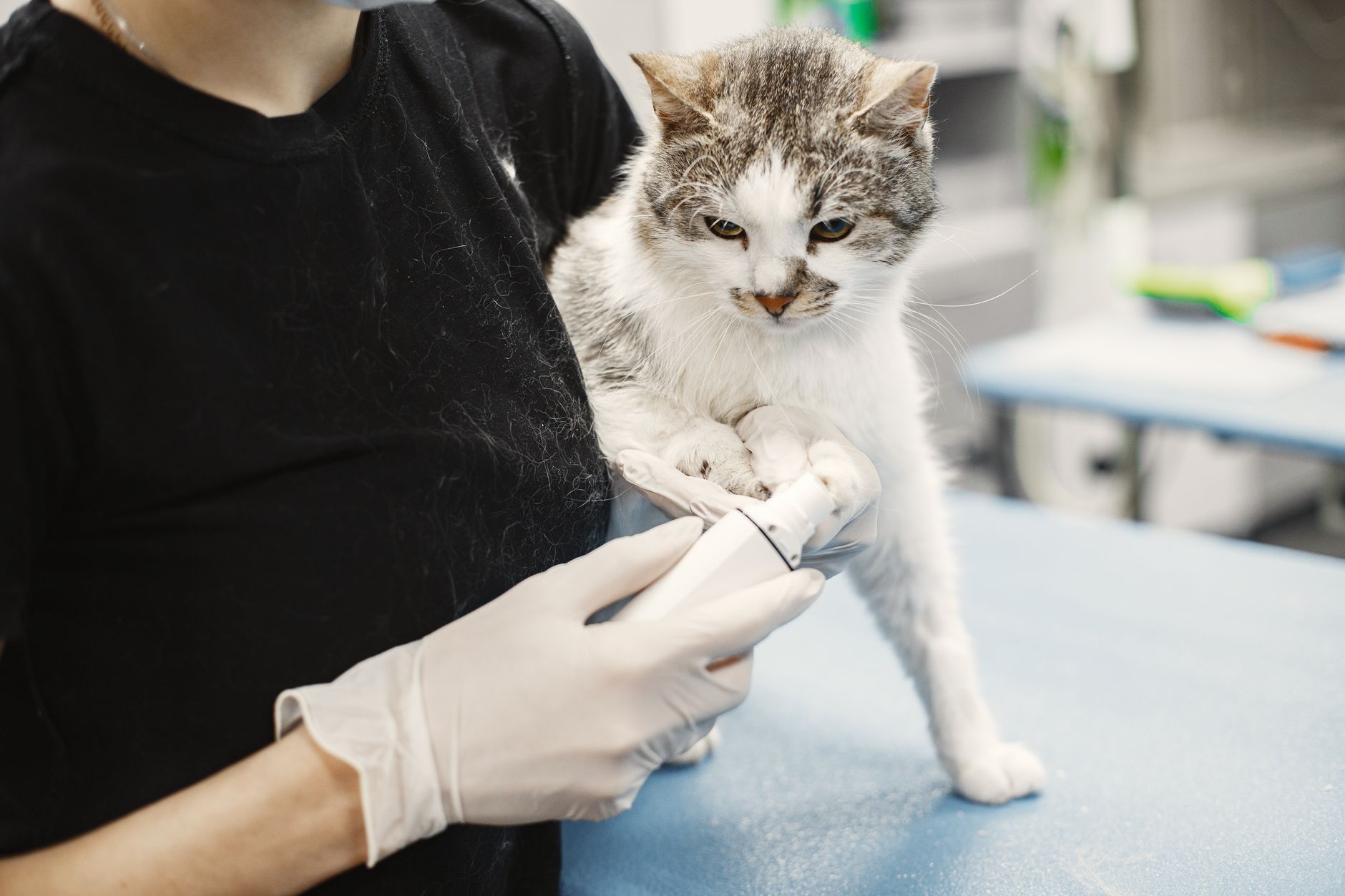
Generally, the Burmilla is a robust and resilient breed, benefiting from the genetic diversity of its foundational outcrosses. However, because of their lineage, they are predisposed to a few specific hereditary conditions that owners must proactively screen for with their veterinarian.
Polycystic Kidney Disease (PKD)
An inherited genetic condition where fluid-filled cysts form in the renal tissue, gradually enlarging and leading to progressive, irreversible kidney failure. I always tell owners to ensure their breeder provides genetic proof that the parents are PKD-clear.
Hypertrophic Cardiomyopathy (HCM)
The most common cardiac disease in felines, characterized by the abnormal thickening of the left ventricular heart muscle, which can lead to congestive heart failure or blood clots.
Periodontal Disease
Due to a slightly shortened muzzle shape inherited from their Persian ancestors, Burmillas can suffer from dental crowding, which accelerates plaque and tartar accumulation and leads to painful gum inflammation.
Feline Lower Urinary Tract Disease (FLUTD)
A broad term for conditions affecting the bladder and urethra, often triggered by stress, low hydration, or poor diet, leading to painful inflammation or life-threatening blockages.
How long do Burmillas typically live?
With proper indoor care, high-quality nutrition, and routine preventative veterinary screenings, Burmillas typically enjoy a lifespan of 10 to 15 years, with many reaching 16 or 17.
What to Feed a Burmilla
Feeding your Burmilla requires a careful balance of high-quality protein to support their moderately active, muscular frame. Because they enjoy lounging as much as they do playing, they can easily transition into obesity if their daily caloric intake is not strictly managed.
Best Diet
I highly recommend a diet rich in moisture, consisting primarily of high-quality wet food to support kidney and urinary tract health. Look for premium formulas that list a whole animal protein, such as chicken, turkey, or salmon, as the first ingredient, and avoid those heavy in unnecessary grain fillers.
How to Feed
I advise establishing twice-daily, scheduled portion-controlled feedings rather than free-feeding dry kibble. This structure not only prevents overeating but also allows you to immediately notice any changes in their appetite, which is often the first clinical indicator of illness.
How Much to Feed
On average, an adult Burmilla requires about 200 to 240 calories per day, depending on their weight and activity level. Since caloric needs are highly individual, you should consult your veterinarian to calculate a precise portion plan based on your cat’s specific body condition score.
Nutritional Tips
Incorporate a high-quality omega-3 fatty acid supplement, such as wild-caught salmon oil, to maintain their signature silk-textured coat and support joint health. Always provide fresh, filtered water, ideally from a pet fountain, as the sound of running water encourages better hydration.
Burmilla Grooming Guide
The Burmilla’s shimmering coat is relatively low-maintenance, but keeping it in pristine condition requires a consistent routine. Taking care of their teeth and eyes is just as important as brushing their fur to prevent common breed-specific health issues.
Coat Care
Brush your Burmilla’s coat once or twice weekly using a high-quality stainless-steel comb or a soft slicker brush to remove loose undercoat. During seasonal shedding cycles in the spring and autumn, increase grooming to three times a week to minimize hairballs.
Skin Care
Generally trouble-free, but I recommend checking their skin for any signs of redness, flakes, or flea dirt while grooming, particularly around the base of the tail.
Eye Care
Because of their Persian heritage, some Burmillas have slightly prominent eyes and shallow tear ducts. Gently wipe the corners of their eyes daily with a soft, damp cloth to remove any mild discharge or staining.
Ear Care
Inspect their ears weekly for dirt, redness, or a yeast-like odor; clean only when necessary using a vet-approved, alcohol-free ear cleaner applied to a cotton round.
Nail & Dental Care
Trim their claws every 2 to 3 weeks using sharp pet clippers, and brush their teeth daily with feline-specific enzymatic toothpaste to combat their high risk for periodontal disease.
Considerations for Pet Parents
Pros
- Extremely affectionate and socially engaging companion
- Stunning, unique shimmering silver coat that is easy to maintain
- Highly adaptable to apartment living and various household dynamics
- Excellent peacekeeper that gets along well with other pets and children
- Intelligent and highly receptive to basic training
- Less vocal and demanding than their Burmese ancestors
Cons
- Prone to separation anxiety if left completely alone for long periods
- Increased genetic risk for serious conditions like PKD and HCM
- Can be highly prone to obesity if food intake is not strictly measured
- Rare and can be difficult to locate through reputable breeders
Best For
An ideal match for active families, multi-pet households, or retirees who can offer plenty of daily companionship and interactive play. They thrive best in homes where they are integrated into daily household activities.
Not Recommended For
Not recommended for individuals who work long hours away from home without other pets to keep the cat company, or those unwilling to commit to regular dental care and genetic health screening.
Cost
- purchase price$1,000 – $2,500 USD
- monthly cost$80 – $150 USD
- initial setupExpect to spend between $500 and $800 initially on high-quality scratching trees, basic supplies, litter setups, microchipping, and baseline veterinary genomic wellness screenings.
Similar Breeds

Burmese

Chinchilla Persian
Related Cat Guides
Burmilla FAQs
What is the history of the Burmilla breed?
The Burmilla breed originated entirely by accident in the United Kingdom in 1981, when a male Chinchilla Persian and a lilac Burmese female mated. The resulting four kittens were so stunning and sweet-natured that a dedicated breeding program was established shortly after.
Are Burmillas hypoallergenic?
No, Burmillas are not hypoallergenic. They produce the Fel d 1 allergen protein in their saliva and skin glands, and their dense undercoat can trap and distribute these allergens throughout your home when they shed.
Do Burmillas talk a lot?
They are moderately vocal, sitting comfortably between the quiet, soft-spoken Persian and the highly chatty, demanding Burmese. They will softly chirp or meow to greet you or request their dinner, but they are rarely loud or disruptive.
Are there longhaired Burmillas?
Yes, there is a semi-longhair variant known as the Tiffany or Longhair Burmilla. They carry the recessive longhair gene inherited from their Chinchilla Persian ancestry, resulting in a fine, silky coat and a plumed tail.
How can I prevent PKD in my Burmilla?
The only way to prevent Polycystic Kidney Disease is to purchase your kitten from a breeder who can provide DNA-certified test results proving that both parent cats are entirely clear of the PKD gene mutation.
Do Burmillas like water?
While they aren’t typically swimmers, many Burmillas are absolutely fascinated by dripping faucets and flowing water, often dipping their paws into water bowls or watching water go down the drain.
Can Burmillas live strictly indoors?
Yes, in fact, I strongly recommend keeping Burmillas as indoor-only pets. Keeping them inside protects them from infectious feline diseases, parasites, traffic accidents, and potential predators, dramatically increasing their lifespan.
How do Burmillas handle being left alone?
They can tolerate being alone for a standard workday, but because they are highly social, they do best if they have another animal companion, such as another cat or a friendly dog, to prevent loneliness and separation anxiety.
What kind of toys do Burmillas prefer?
They prefer interactive toys that challenge their intellect and mimic hunting, such as feather wands, laser pointers, electronic motion toys, and treat-dispensing puzzle toys.
Are Burmillas prone to dental issues?
Yes, due to their mild brachycephalic facial structure inherited from the Persian line, they can have crowded teeth, making them highly susceptible to plaque buildup, gingivitis, and early-onset periodontal disease.
What color are a Burmilla’s eyes?
Adult Burmillas are famous for their luminous green eyes, which are often outlined in dark pigment, giving them a dramatic, ‘makeup’ look. Their eye color starts as a greenish-yellow in kittens and matures into a vibrant green by adulthood.
How do I choose a reputable Burmilla breeder?
Look for a breeder registered with major associations like TICA or CFA who raises kittens inside their home, provides written genetic health guarantees (specifically for PKD and HCM), and welcomes veterinary references.