
American Foxhound Breed Guide

Quick Summary
The American Foxhound is a high-energy, sweet-tempered scenthound built for incredible stamina and endurance. While exceptionally gentle and social with both humans and other dogs, their intense exercise needs and strong hunting instincts make them best suited for highly active owners with large, securely fenced properties.
Quick Facts
- origin countryUnited States
- breed groupHound
- sizeLarge
- weight range45 to 70 pounds
- height range21 to 25 inches
- lifespan11 to 13 years
- coat typeShort, dense, and coarse
- common colorsTri-color (black, white, and tan), red, white, or blue ticked
- other namesFoxhound
- recognized byAKC
Caring for a American Foxhound
In my practice, managing an American Foxhound is primarily about channeling their staggering endurance. These are not casual couch potatoes; they require at least one to two hours of vigorous, structured exercise daily, preferably in a securely fenced area. Because of their intense prey drive and olfactory focus, they cannot be trusted off-leash outside of a contained space, as they will follow a scent trail for miles without looking back. Indoors, they are surprisingly easygoing and gentle, but without adequate physical stimulation, they will develop destructive behaviors and vocalize their frustration.
Is an American Foxhound a good family pet?
Absolutely, as they possess an exceptionally gentle, tolerant, and sweet-tempered disposition that pairs wonderfully with active children. However, their sheer size and bouncy energy when young mean they should be supervised around toddlers to prevent accidental knockdowns.
Do American Foxhounds shed a lot?
They are moderate shedders with a short, hard coat that is incredibly low-maintenance. Weekly brushing with a rubber curry brush or hound glove is usually sufficient to manage loose hair, though you will notice increased shedding during seasonal transitions in spring and fall.
Is an American Foxhound good for first-time owners?
I generally advise against this breed for novices because of their strong-willed, independent hunting instincts and high exercise demands. Managing a dog that prioritizes scents over commands requires patient, positive reinforcement training techniques that can frustrate a first-time owner.
Temperament & Personality

The American Foxhound is the epitome of an amiable, sweet-tempered pack hound. Bred to run in packs, they are remarkably social and rarely show aggression toward other dogs or humans. They have an independent streak that owners often mistake for stubbornness, but it is simply a reflection of their historic role to work miles away from human handlers. Their voice—a deep, musical bay—is a key part of their personality and will be used frequently when excited or bored.
Is an American Foxhound good with other pets?
They are highly pack-oriented and generally thrive in homes with other dogs, often suffering from separation anxiety if left completely alone. However, their historical breeding as hunting hounds gives them a high prey drive, making them risky companions for cats, rabbits, or other small pocket pets unless raised together from early puppyhood.
How much attention does an American Foxhound need?
While they do not need constant physical cuddling, they are highly social pack animals that require emotional connection and presence. Leaving them isolated in a backyard for long periods is a recipe for non-stop howling and escape attempts, as they desperately crave the company of their human or canine pack.
Training & Behavior
Training an American Foxhound requires understanding that they were bred to work independently of human direction, prioritizing their nose above all else. In my years treating them, I’ve found they do not respond well to harsh corrections, which causes them to shut down completely. Instead, you must use high-value food rewards and turn training sessions into engaging, scent-based games to keep their focus.
Training Tips
- Use high-value food rewards like freeze-dried liver
- Keep sessions short, positive, and engaging
- Incorporate scent work to build focus
- Practice leash training early to manage pulling
- Set firm, consistent boundaries without using force
Fun Activities
- Scent work and tracking trials
- Canicross or running alongside a bicycle
- Lure coursing
- Pack hikes on long lines
- Agility training for mental stimulation
Is an American Foxhound easy to train?
They are highly intelligent but can be exceptionally challenging to train using traditional methods due to their independent nature and distractibility by scents. Owners must accept that a recall command will almost always be ignored if the dog picks up an interesting scent trail, making off-leash training unreliable.
American Foxhound Health Issues
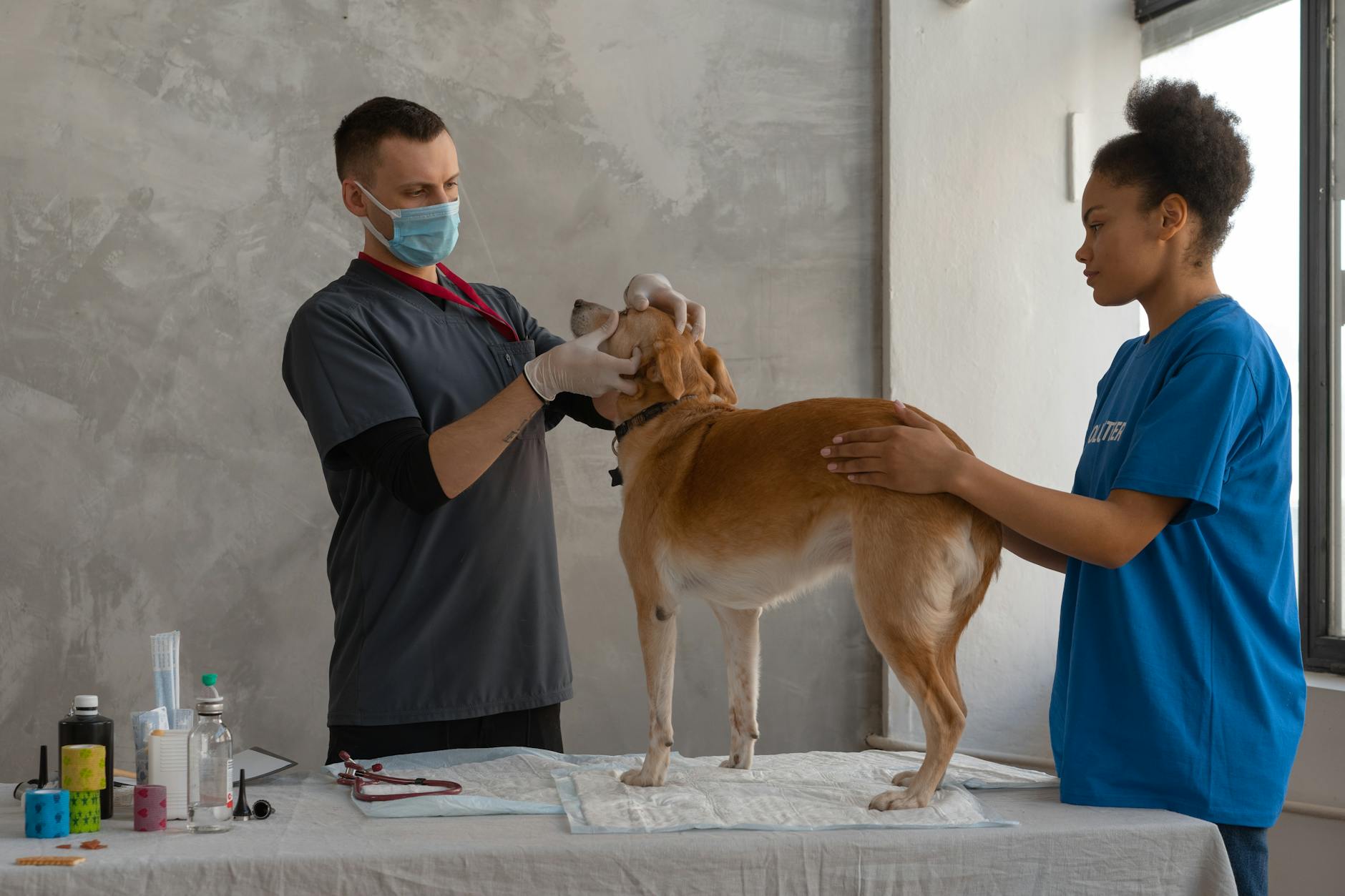
The American Foxhound is historically one of the hardiest, most structurally sound breeds I treat in my clinic, largely due to centuries of breeding for athletic utility rather than exaggerated cosmetics. However, like all large, deep-chested breeds, they are structurally predisposed to specific genetic and environmental conditions that require vigilant preventative care.
Gastric Dilation-Volvulus (GDV / Bloat)
A life-threatening emergency where the stomach fills with gas and twists on its axis, cutting off blood supply. It is common in deep-chested breeds like the Foxhound.
Thrombocytopathy
An inherited platelet disorder unique to some Foxhound lines where platelets do not clump properly, causing abnormal or excessive bleeding even from minor injuries.
Hip Dysplasia
A genetic condition where the hip joint fails to develop properly, leading to gradual joint laxity, painful osteoarthritis, and mobility issues over time.
Ear Infections (Otitis Externa)
Their long, heavy, pendulous ears trap moisture and debris, creating a perfect dark, warm environment for yeast and bacterial overgrowth.
Pelger-Huët Anomaly
A benign genetic white blood cell abnormality where neutrophils fail to mature segmentally, though they still function normally. It is critical for vets to recognize this so it isn’t misdiagnosed as a severe infection.
How long do American Foxhounds typically live?
With proper nutrition, regular veterinary screenings, and sufficient joint support, American Foxhounds typically enjoy a lifespan of 11 to 13 years. Because of their athletic nature, keeping them lean is the single best way to prolong their active senior years.
What to Feed a American Foxhound
Given their immense energy and potential for joint issues, feeding a high-quality, large-breed formula is essential for American Foxhounds. In my clinic, I emphasize maintaining a lean body condition score of 4 out of 9 to protect their joints from unnecessary stress.
Best Diet
I recommend a high-quality, nutritionally complete large-breed dog food formulated for their specific life stage (puppy, adult, or senior). Highly active working or running companions may benefit from a performance formula with higher fat and protein ratios, provided they are actually burning those calories.
How to Feed
To minimize the risk of life-threatening bloat (GDV), never feed your Foxhound using a single large meal. Instead, split their daily portion into two equal meals and enforce a strict rule of no vigorous exercise or running for at least one hour before and after eating.
How Much to Feed
Adult Foxhounds typically require 3 to 4 cups of high-quality dry food daily, though this varies drastically based on their activity levels and metabolic rate. You should consult your veterinarian to calculate their exact caloric needs based on their current body condition score and daily exercise routine.
Nutritional Tips
Incorporate joint supplements containing glucosamine, chondroitin, and omega-3 fatty acids (like green-lipped mussel or wild-caught fish oil) early in life to support their hardworking joints. Avoid overfeeding puppies to prevent rapid growth, which is a major environmental trigger for hip dysplasia.
American Foxhound Grooming Guide
Grooming an American Foxhound is wonderfully straightforward, making them one of the lowest-maintenance breeds in this category. Their short, weather-resistant coat is designed to shed dirt naturally, meaning they rarely require professional grooming sessions.
Coat Care
Brush their short, coarse coat once a week with a medium-bristle brush or rubber grooming mitt to remove loose hair and distribute natural skin oils. Bathe them only when they get exceptionally muddy or develop that classic, oily ‘hound musty’ scent, usually every 6 to 8 weeks.
Skin Care
Check their skin regularly for abrasions or insect bites, especially if they have been running through heavy brush or wooded areas during walks.
Eye Care
Their eyes are generally clear and healthy, requiring only a quick wipe with a damp cloth if you notice minor tear staining or environmental dust buildup.
Ear Care
Inspect their long, pendulous ears weekly and clean them using a veterinarian-approved ear cleaner to prevent moisture buildup and painful infections.
Nail & Dental Care
Trim their nails every 3 to 4 weeks using a grinder or heavy-duty clippers, and brush their teeth daily with dog-safe enzymatic toothpaste to prevent periodontal disease.
Considerations for Pet Parents
Pros
- Extremely gentle and sweet-tempered disposition
- Exceptionally healthy and structurally sound breed
- Low-maintenance coat that is easy to groom
- Highly social and fantastic with other dogs
- Excellent, high-stamina running and hiking partner
- Wonderful, patient companions for older children
Cons
- Extremely high exercise and mental stimulation needs
- Strong instinct to roam and follow scent trails
- Loud, musical baying that can disturb neighbors
- Can be stubborn and independent during training
- High prey drive around small animals and cats
Best For
Active, outdoorsy families or individuals living in rural or suburban homes with large, securely fenced yards who can commit to daily endurance-level exercise. They are perfect for runners, hikers, and multi-dog households where their social nature can be fully embraced.
Not Recommended For
Apartment dwellers, urban environments with strict noise ordinances, or sedentary owners who cannot provide rigorous daily workouts. They are also not ideal for owners who expect perfect off-leash obedience or those with small outdoor spaces.
Cost
- purchase price$600 to $1,200
- monthly cost$150 to $250
- initial setupExpect to spend $1,000 to $1,500 initially for heavy-duty secure fencing, crates, high-quality gear, and initial veterinary checkups including vaccines and spaying/neutering.
Similar Breeds

American Foxhound FAQs
How much exercise does an American Foxhound need daily?
They require at least 1 to 2 hours of vigorous daily exercise. This shouldn’t just be casual leash walking; they need opportunities to run, hike, or engage in high-intensity scent tracking to satisfy their working-dog instincts.
Are American Foxhounds prone to separation anxiety?
Yes, they are highly social pack animals that thrive on companionship. If left alone for long stretches without another dog or human interaction, they can become highly anxious, leading to destructive chewing and continuous howling.
Do they bark a lot, and what does it sound like?
They don’t typically bark in the traditional sense; instead, they have a deep, resonant, musical bay. While beautiful in the field, this carrying voice can easily disturb neighbors, making them poorly suited for apartment living.
Can an American Foxhound be trusted off-leash?
Almost never. Once their sensitive nose picks up an interesting scent, their hunting instinct overrides any training. They will run for miles focused entirely on the trail, completely ignoring your recall commands.
What is the difference between an American and an English Foxhound?
American Foxhounds are taller, leaner, and more agile, bred for speed and endurance over rough American terrain. English Foxhounds are stouter, heavier-boned, and built more for slower, methodical tracking in packs.
Are they easy to housebreak?
They can take a bit longer to housebreak than some other breeds due to their independent nature. Consistency, a strict crate training schedule, and immediate positive reinforcement when they go outside are key to success.
How do they handle hot and cold weather?
Their short, dense coat offers good weather resistance, and they handle heat reasonably well if provided with shade and fresh water. However, their low body fat means they may need a coat or jacket during freezing winter temperatures.
Are they good watchdogs?
They make excellent watchdogs in terms of alerting you to visitors with their booming bay, but they make terrible guard dogs. They are far too sweet-natured and social to pose any real threat to an intruder.
Do they drool a lot?
Unlike some other large hound breeds with heavy jowls, American Foxhounds have relatively tight flews and are not excessive droolers. You might see minor drool around meal times or after drinking, but it is minimal.
Are they prone to weight gain?
If they are not getting enough exercise, they can easily become overweight. Because they have a deep chest, keeping them lean is vital to prevent extra stress on their joints and lower the risk of cardiovascular issues.
What kind of fencing do I need for an American Foxhound?
You need a secure, physical fence that is at least 5 to 6 feet tall. Underground electronic fences are highly ineffective because a Foxhound will gladly take the shock to pursue a tempting scent trail.
Can they live in an apartment?
In my clinical opinion, they are highly unsuitable for apartments. Their need for extensive exercise, combined with their loud, carrying bay, almost always leads to neighbor complaints and behavioral issues in confined spaces.
How often do they need to be bathed?
They only need a bath every 6 to 8 weeks, or when they get visibly dirty. Their coat has natural oils that repel dirt and water, and bathing them too frequently can dry out their skin and cause irritation.
Do they get along with cats?
It can be highly challenging. While some can coexist with indoor cats if raised with them from puppyhood, their strong instinct to chase running animals means they should never be left unsupervised with a cat.