
 Siberian Husky vs Alaskan Malamute: Which Northern Breed Fits Your Life?” loading=”lazy”>
Quick Summary
While both are stunning, thick-coated Arctic breeds, the Siberian Husky is a medium-sized, high-speed endurance runner that thrives in a pack, whereas the Alaskan Malamute is a heavy-duty freighting dog built for sheer strength and family companionship. Choosing between them requires matching your home environment to the Husky’s need for high-velocity exercise and escape-proof spaces, or the Malamute’s need for heavy weight-pulling stimulation and structured socialization to manage dog-on-dog selectivity.
In my years of clinical practice, I have had countless clients walk into my exam room with a fluffy northern puppy, completely unaware of the biological powerhouse they have brought into their lives. Many people mistake the Siberian Husky and the Alaskan Malamute for the same breed, or simply choose the one with the most striking blue eyes.
This aesthetic-first approach is one of the most common mistakes I see, and it often leads to behavioral frustration for the owner and stress for the dog. Both of these ancient, magnificent breeds have highly specific genetic drives, physical structures, and psychological profiles that dictate exactly how they must be managed in a modern household.
Let’s pull back the curtain on these two incredible working dogs from a clinical and behavioral perspective, helping you decide which one truly fits your daily life.
Key Takeaways
- Siberian Huskies are medium-sized speed demons, while Alaskan Malamutes are large-sized heavy pullers.
- Malamutes always have brown eyes; blue eyes are a hallmark of the Siberian Husky.
- Huskies are notorious escape artists that require highly secure, high-fenced yards.
- Malamutes can be prone to dog-on-dog aggression and require intensive socialization early in life.
- Both breeds possess an intense, double-layer coat that blows twice a year, requiring extensive grooming.
- Zinc-responsive dermatosis is a unique, breed-specific skin condition that commonly affects both of these northern dogs.
In This Article
- Origins and Purpose: The Sprinter vs. The Freight Train
- Size, Structure, and Visual Distinctions
- Temperament and Socialization Challenges
- Clinical Health Profiles and Genetic Risks
- Exercise Demands: Running vs. Working
- The Grooming Storm: Managing the Double Coat
- Training, Dominance, and Behavioral Quirks
- Which Northern Breed Fits Your Lifestyle?
Origins and Purpose: The Sprinter vs. The Freight Train
To understand the behavior of these dogs in your living room, you must first understand what they were engineered to do in the freezing wilderness. In my practice, I find that a dog’s genetic history explains about ninety percent of the behavioral complaints owners bring to me.
The Siberian Husky was developed by the Chukchi people of eastern Siberia to travel long distances at high speeds, carrying light loads of food and supplies back to the camp. They are biological marvels of endurance, designed to conserve energy while running indefinitely.
Conversely, the Alaskan Malamute is an indigenous Arctic breed developed by the Mahlemut tribe of northwestern Alaska to pull incredibly heavy loads, such as whale carcasses and heavy sledges, through deep snow. They are the heavy-duty freight trains of the canine world, built for slow, stubborn power rather than velocity.
- Siberian Husky: Bred for speed, light cargo, and extreme endurance over massive distances.
- Alaskan Malamute: Bred for sheer pulling power, heavy freighting, and surviving harsh solitary conditions.
- Husky Group Dynamics: Developed to work in large, cooperative packs under human direction.
- Malamute Group Dynamics: Often worked in smaller teams, relying heavily on self-reliance and individual strength.
Size, Structure, and Visual Distinctions
When these dogs stand side-by-side on my clinical scale, the physical differences are immediately apparent. I often see clients shocked by how much larger a mature Malamute is compared to a standard Husky.
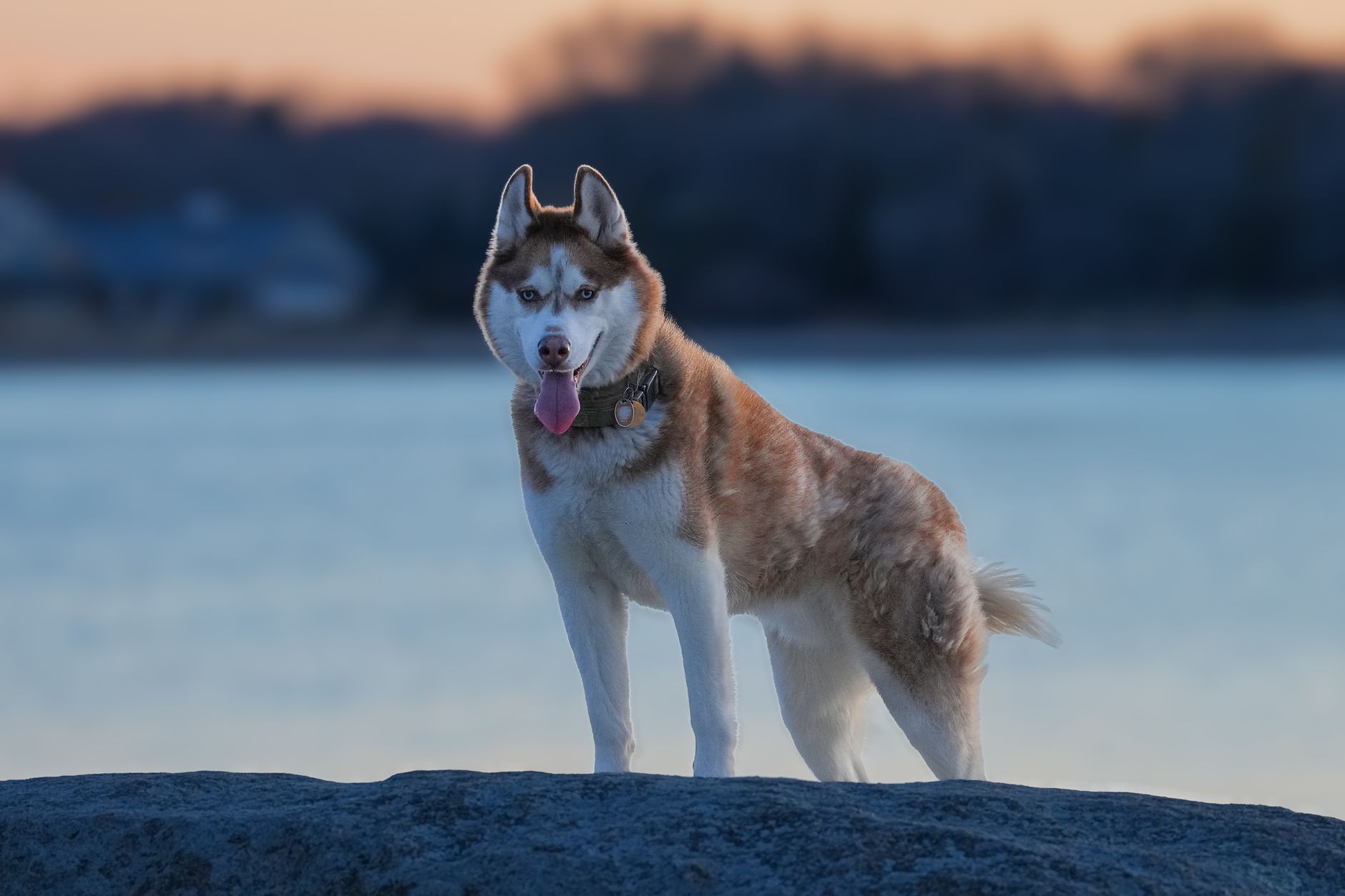
Huskies are medium-sized, light-footed, and elegant. Their bones are relatively light, allowing them to remain agile and fast without burning excessive calories.
They look like athletic runners.
Malamutes are heavy-boned, broad-shouldered, and carry a deep chest built for leverage. Their legs are thick, their paws are like snowshoes, and their overall stance screams power and stability rather than quickness.
Weight and Height Comparisons
Male Huskies typically weigh between 45 and 60 pounds, standing 21 to 23.5 inches at the shoulder. Male Malamutes, however, regularly top the scales at 85 to 100 pounds or more, standing 25 inches tall, making them a much more formidable physical presence.
Eye Color and Facial Markings
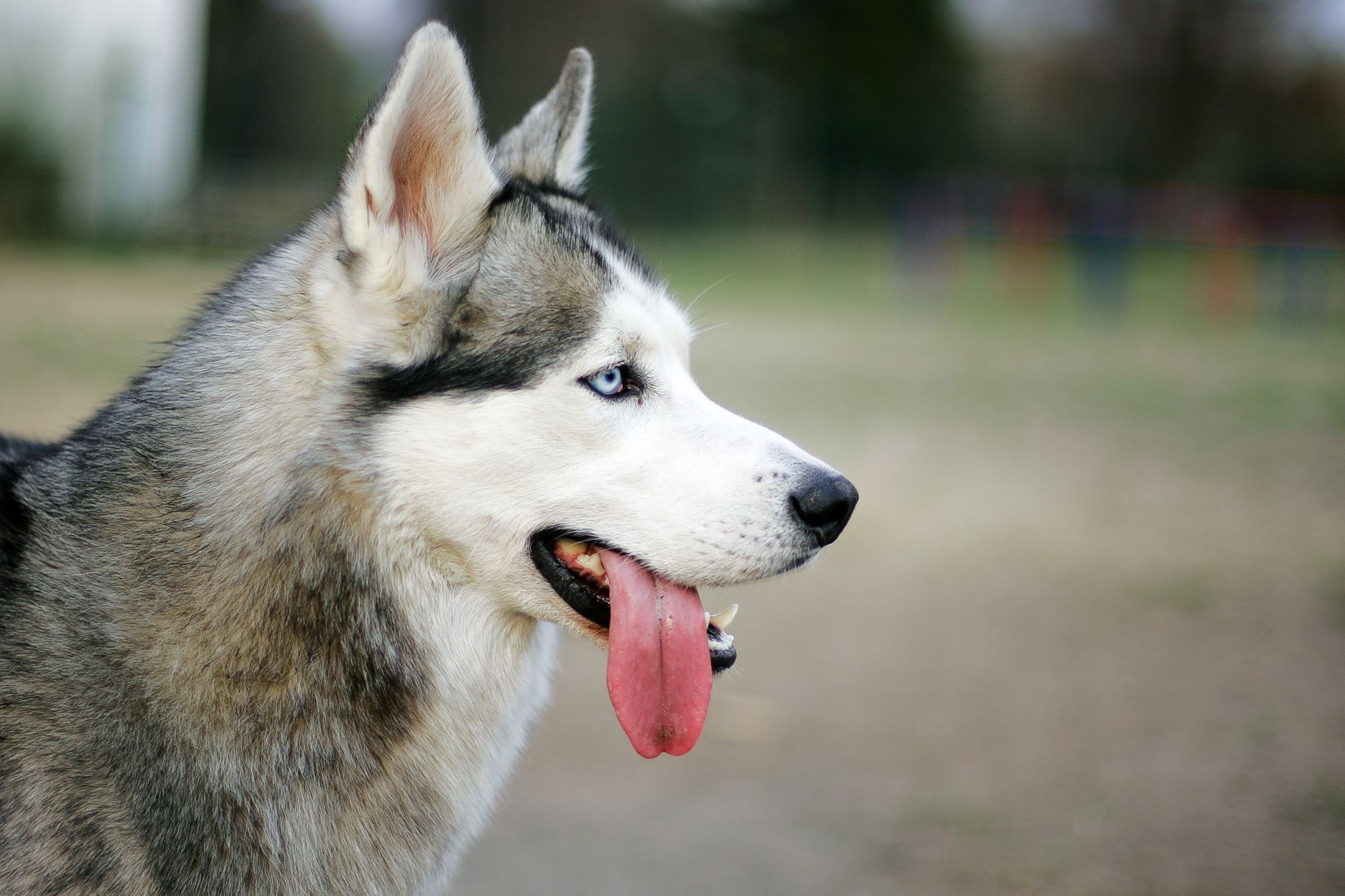
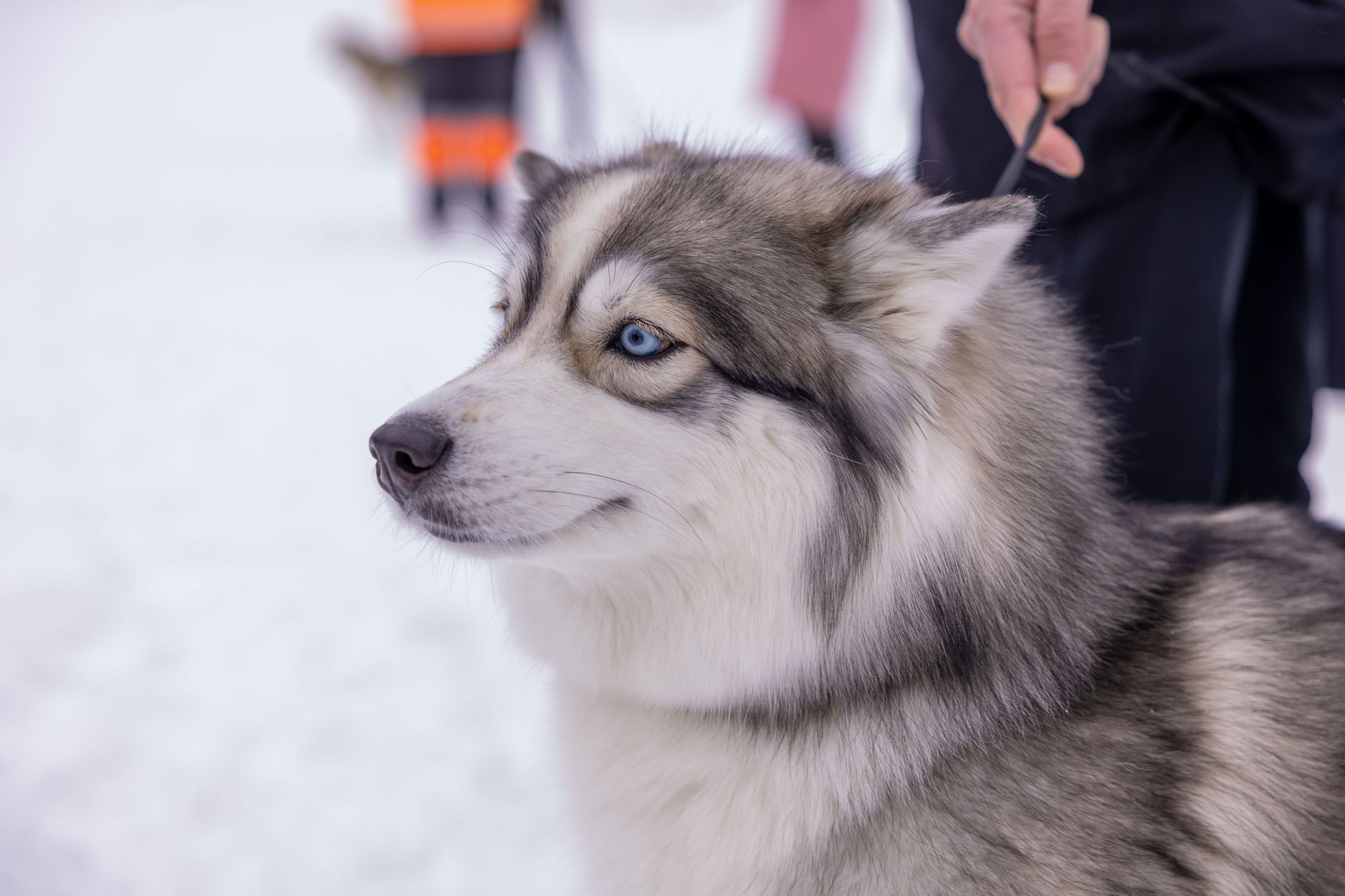
This is a major diagnostic point for breed identification: Siberian Huskies can have blue eyes, brown eyes, or heterochromia (one blue, one brown). Purebred Alaskan Malamutes strictly have dark eyes; blue eyes are a genetic disqualification in Malamutes and suggest a mixed lineage.
Temperament and Socialization Challenges
In the exam room, the difference in personality between these two is stark. Huskies tend to treat everyone like their best friend, displaying a chaotic, bubbly enthusiasm that can border on hyperactive if they are under-exercised.
Malamutes are generally more dignified, quiet, and intensely loyal to their immediate family pack. While they are often incredibly gentle with children, they can be reserved or aloof around strangers and are far more prone to resource guarding.
What I see most often in practice is that Malamutes have a significantly higher tendency toward dog-on-dog selectivity or aggression, especially with dogs of the same sex. Huskies, being pack-oriented, generally tolerate other dogs better, though they possess a predatory drive that can be lethal to smaller household pets.
- Husky Social Style: High energy, highly social, treats strangers like long-lost playmates, dislikes being left alone.
- Malamute Social Style: Loyal, protective of their space, dignified, potentially dominant or aloof around strange dogs.
- Prey Drive Warning: Both breeds have an incredibly intense prey drive; cats, rabbits, and small dogs are rarely safe unsupervised.
- Separation Anxiety: Huskies are highly prone to destructive separation anxiety, howling and destroying door frames if isolated.
Clinical Health Profiles and Genetic Risks
As a veterinarian, my primary job is to help you navigate the medical realities of these breeds. While both are generally robust and healthy compared to highly mutated brachycephalic breeds, they carry specific genetic predispositions that require proactive management.
Weight management is crucial, particularly for the heavy-bodied Malamute. Any excess weight on a joint-prone breed accelerates degenerative joint disease, causing unnecessary pain in their golden years.
Orthopedic Issues
Because of their skeletal mass, Malamutes are highly prone to canine hip dysplasia. I recommend all Malamute owners have their puppy’s hips evaluated via PennHIP or OFA clearance.
Huskies can also suffer from hip issues, but their lighter frame makes clinical arthritis less severe.
Ophthalmology Concerns
Siberian Huskies are genetically prone to juvenile cataracts, corneal dystrophy, and progressive retinal atrophy (PRA). Regular ophthalmic exams are vital to catch these conditions before they cause permanent vision loss.
Zinc-Responsive Dermatosis
Both breeds have a metabolic quirk that impairs their ability to absorb dietary zinc. This leads to crusting, scaling, and hair loss around the eyes, muzzle, and paw pads.
I treat this with specific zinc methionine supplementation under strict clinical guidance.
- Crusting around the lips and eyes
- Thick, scaly pads on the paws
- Chronic skin infections that do not clear with standard antibiotics
- Foul-smelling, yeasty skin folds
Exercise Demands: Running vs. Working
I always tell my clients: you do not tire out a Husky; you only build a more athletic beast. If you are a couch potato, neither of these dogs is appropriate for your home, but the type of exercise they require differs dramatically.
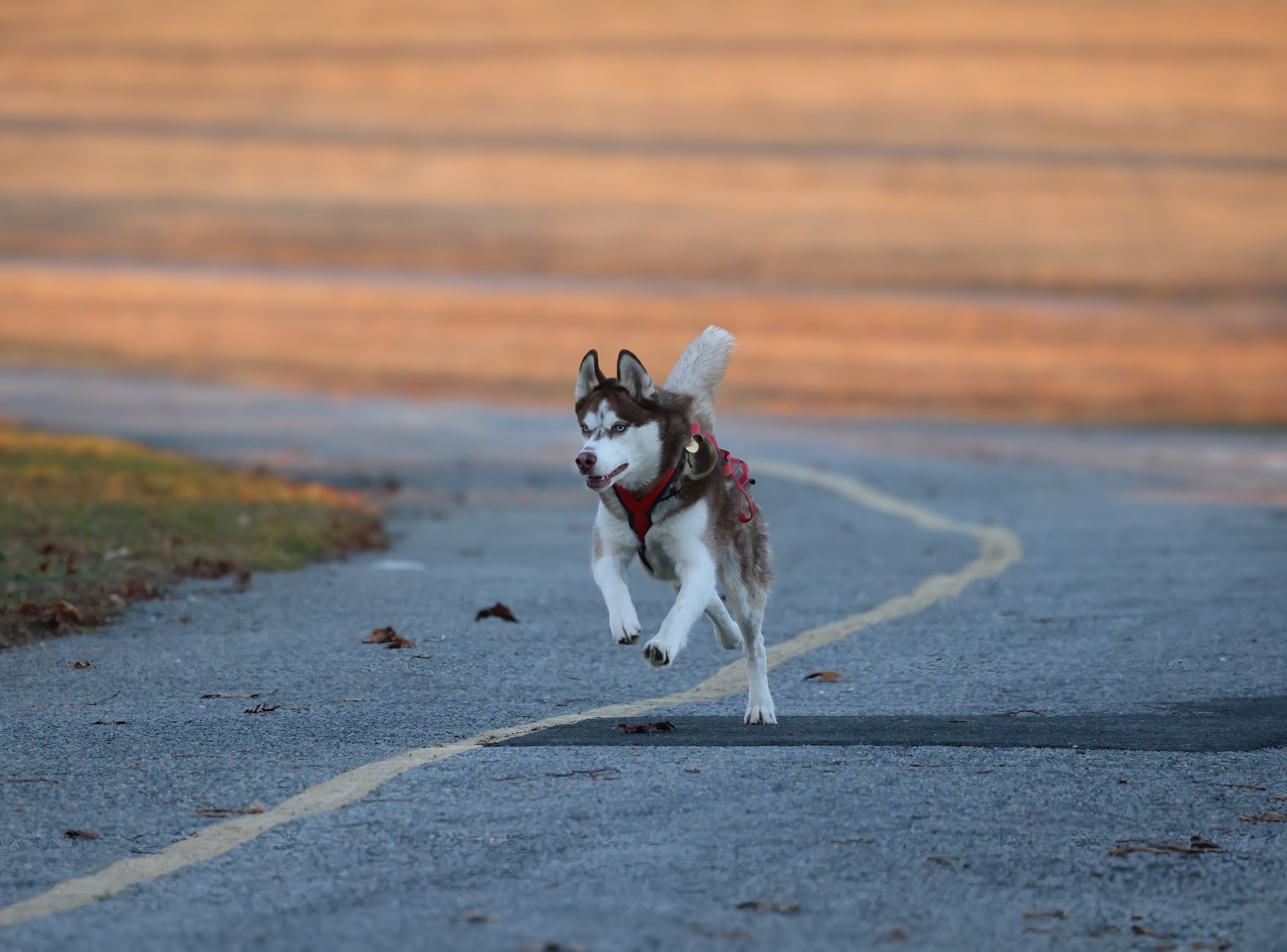
Huskies require high-velocity aerobic exercise. They need to run, hike, or jog alongside a bicycle to burn off their nervous energy.
If they do not get this, they will channel that energy into destroying your drywall.
Malamutes, while still athletic, thrive on resistance and heavy work. They excel at weight pulling, backpacking with loaded canine packs, and long, slow, strenuous walks.
They are marathon hikers rather than trail sprinters.
- Husky Exercise Plan: 2 hours of daily cardio, including running, fetch, or interactive agility training.
- Malamute Exercise Plan: 1 to 1.5 hours of daily structured exercise, ideally incorporating pack-weighting or resistance walking.
- Mental Stimulation: Puzzle toys, nose work, and tracking games are non-negotiable to prevent boredom-induced destruction.
- Weather Restrictions: Both breeds overheat easily; strenuous outdoor exercise must be restricted to early mornings or late evenings during summer.
The Grooming Storm: Managing the Double Coat
If you are fastidious about your home’s cleanliness, turn back now. Both the Husky and the Malamute possess a dense, waterproof double coat designed to withstand sub-zero temperatures.
Twice a year, they experience what we call a ‘coat blowout,’ where the entire undercoat sheds in massive, clumpy sheets. During these periods, you will find tumbleweeds of dog hair in your food, your clothes, and your car’s ventilation system.
- Undercoat Rake: A specialized tool designed to pull out loose undercoat hair without cutting the guard hairs.
- High-Velocity Dog Dryer: My top recommendation; blowing dry air through a wet coat removes massive amounts of dead undercoat in minutes.
- Slicker Brush: Best for daily maintenance and smoothing out the topcoat.
- Never Shave a Double Coat: Shaving damages the coat’s insulating properties, making the dog highly prone to heatstroke and sunburn.
Training, Dominance, and Behavioral Quirks
Both of these breeds are highly intelligent, but do not confuse intelligence with obedience. They are independent thinkers who are easily bored by repetitive training methods.
Huskies are mischievous clowns who will obey a command only if they see a clear benefit to themselves. Malamutes are stubborn and strong-willed; if they do not respect your leadership, they will simply ignore you or physically push past you.
They also vocalize in completely unique ways. Huskies are famous for their dramatic, operatic howling and ‘talking.’ Malamutes do not howl as frequently but are famous for a deep, rumbling ‘woo-woo’ sound to communicate their feelings.
- Positive Reinforcement: Never use harsh physical corrections; both breeds will shut down or become defensively aggressive.
- Recall Caution: Never trust a Siberian Husky off-leash; their desire to run and hunt is far stronger than any training command.
- Digging Instincts: Both breeds are ancestral diggers; if you cherish your lawn, build them a dedicated sandbox or digging pit.
- Fence Security: A six-foot fence with underground reinforcement is mandatory for Huskies, as they can jump, climb, and dig out of standard yards.
Which Northern Breed Fits Your Lifestyle?
Ultimately, matching your lifestyle to the breed’s biological reality is the key to a harmonious household. In my clinic, I see families thrive when they choose the dog that matches their physical capabilities.
If you want an energetic, highly social running partner who loves everyone and you do not mind high-pitched vocalizations, the Siberian Husky is an incredible companion.
If you prefer a larger, quieter, protective family companion who is happy to carry heavy gear on a mountain trail and you can handle a dog with potential dog-selectivity, the Alaskan Malamute is an outstanding match.
- Select the Husky if: You jog daily, have a highly secure yard, and want a very social, pack-oriented dog.
- Select the Malamute if: You prefer a loyal guardian, enjoy backpacking, and have the physical strength to manage a 100-pound dog.
- Avoid both if: You are away from home for 10+ hours a day, dislike grooming, or live in a highly restricted apartment space.
Frequently Asked Questions
Can Siberian Huskies and Alaskan Malamutes live in hot climates?
Yes, but they require strict management. Their double coats insulate them against both cold and heat, but they cannot handle intense physical exertion in hot weather. You must provide air conditioning, plenty of fresh water, and restrict physical exercise to the coolest hours of the day.
Which breed is better with young children?
Both breeds can be wonderful with children, but the Alaskan Malamute’s massive size requires constant supervision to prevent accidental knockdowns. Huskies are gentle but can be overly bouncy and excitable around toddlers. Early socialization and boundary training are mandatory for both.
How do I prevent my Husky or Malamute from digging up my yard?
Digging is an instinctual behavior used to create cool nesting spots and hunt rodents. The most effective clinical solution is to redirect the behavior by providing a designated digging zone filled with soft sand and burying toys there for them to find.
Are these breeds suitable for first-time dog owners?
Generally, no. Their high exercise demands, intense grooming needs, and independent, stubborn streaks can quickly overwhelm a novice owner. I typically recommend that first-time owners gain experience with more biddable, easily managed breeds first.
Can I leave my Husky or Malamute alone in the backyard while I am at work?
I strongly advise against this. Bored northern breeds are incredibly destructive and will easily escape a standard yard out of frustration. Huskies can jump high fences, while Malamutes will tunnel underneath them, often ending up miles away or in dangerous traffic.
Sources & Further Reading
- American Kennel Club (AKC)
- Merck Veterinary Manual
- American Veterinary Medical Association (AVMA)
- PetMD
Final Thoughts
Welcoming either a Siberian Husky or an Alaskan Malamute into your home is a major, life-changing commitment that spans upwards of twelve to fifteen years. These are not ornamental yard dogs; they are primitive, active, highly intelligent working breeds that demand physical outlets and strong, consistent leadership.
If you can commit to daily rigorous exercise, tolerate a house covered in white fur, and provide a secure, stimulating environment, you will be rewarded with a fiercely loyal, stunningly beautiful, and incredibly entertaining companion. I encourage you to look past the beautiful eyes and athletic silhouettes, assess your daily routine honestly, and choose the breed whose historical purpose aligns perfectly with your physical reality.