
Chausie Breed Guide

Quick Summary
An athletic marvel with wild Jungle Cat ancestry, the Chausie is an exceptionally active, intelligent companion that requires dedicated mental stimulation and physical outlets. In my clinical practice, I find they thrive best with experienced owners who can accommodate their high energy, deep social needs, and unique dietary sensitivities.
Quick Facts
- origin countryEgypt / United States
- breed groupChausie (TICA Championship Status)
- sizeLarge, tall, and athletic
- weight range15 to 22 lbs (males), 10 to 15 lbs (females)
- height range14 to 18 inches
- lifespan12 to 14 years
- coat typeShort, dense, and resilient
- common colorsBrown Ticked Tabby, Black Ticked Tabby, Black Grizzled Ticked, Solid Black
- other namesStone Cougar, Mountain Cat, Jungle Cat Hybrid
- recognized byTICA
Caring for a Chausie
Living with a Chausie is like sharing your home with a miniature cougar that has the mental drive of a working dog. From a veterinary standpoint, environmental enrichment is not optional here; without food puzzles, vertical climbing walls, and daily interactive play, these cats can develop stress-induced behavior issues. You must be prepared to secure your breakables and potentially harness-train them to safely satisfy their deep exploratory drive.
Is a Chausie a good family pet?
Yes, but they are best suited for active families with older children who understand how to respect an energetic, powerful cat. Their high play drive and large size can be overwhelming for toddlers, though they form incredibly loyal bonds with their human family.
Do Chausies shed a lot?
No, they are relatively low shedders thanks to their short, dense coat. A quick weekly brushing with a rubber curry brush is typically all that is needed to keep loose hairs under control.
Is a Chausie good for first-time owners?
Absolutely not; I strongly advise against this breed for novices. Their intense physical demands, high intelligence, and complex dietary requirements demand an owner experienced with high-energy or hybrid breeds.
Temperament & Personality
The Chausie possesses an intense, highly social, and extroverted personality that leaves absolutely no room for boredom. They do not just live in your house; they actively participate in every daily task, from folding laundry to opening cabinets. In my clinic, I observe them to be highly observant, constantly calculating their next leap or puzzle-solving opportunity.
Is a Chausie good with other pets?
They generally do very well with other high-energy cats and dog-friendly dogs who can match their intense play style. However, because of their strong wild hunting heritage, they should never be trusted around small pocket pets, birds, or reptiles.
How much attention does a Chausie need?
They need an immense amount of attention and will become visibly depressed or destructive if left alone for long periods. They are prone to separation anxiety and thrive best in households where someone is home during the day or where they have a companion animal.
Training & Behavior
Because of their brilliant minds, Chausies are exceptionally trainable, often learning to walk on a harness or play fetch faster than many dogs. However, this intelligence is a double-edged sword: if you do not train them, they will train you, often by figuring out how to open doors, cabinets, and even latched refrigerators. Early socialization and positive reinforcement clicker training are vital to channel their energy constructively.
Training Tips
- Use clicker training to stimulate their minds
- Teach leash and harness walking from 12 weeks of age
- Establish firm, consistent boundaries without using physical punishment
- Incorporate food puzzle toys to make them work for meals
- Redirect destructive clawing immediately to heavy-duty, tall scratching posts
Fun Activities
- Leash-walked outdoor hikes
- Interactive games of fetch
- Agility course training
- Water play in shallow tubs or sinks
- Advanced puzzle toy solving
Is a Chausie easy to train?
Yes, they are highly responsive to positive reinforcement and love the mental challenge of learning commands. They pick up tricks, fetching, and target training rapidly, but they require consistent, daily engagement to prevent boredom.
Chausie Health Issues
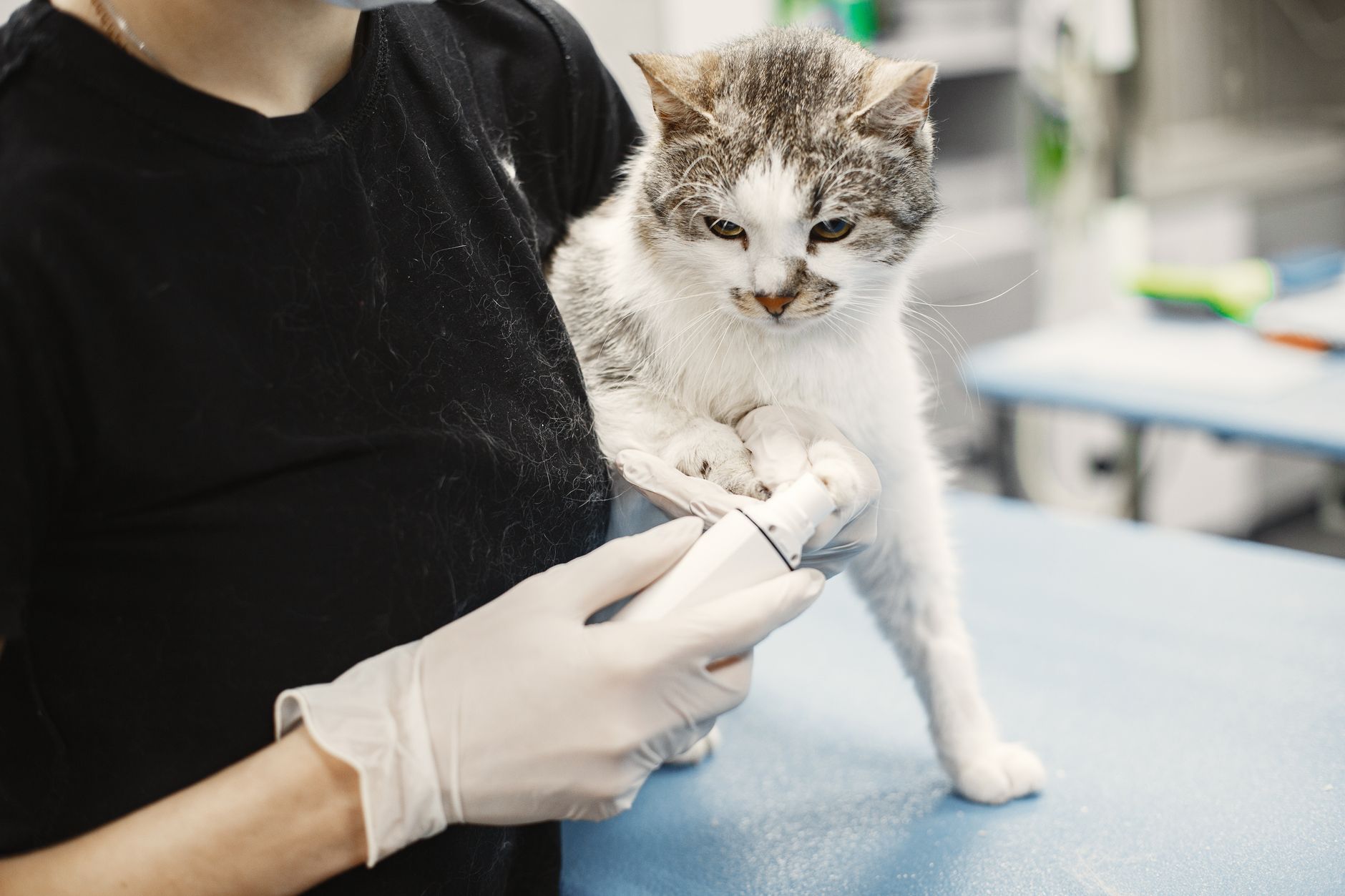
While Chausies are generally robust, muscular cats, their wild heritage brings unique physiological quirks, particularly regarding their digestive tract. In my practice, the most common issues I treat in this breed are chronic gastrointestinal sensitivities and dietary intolerances.
Gluten and Grain Intolerance
Due to their Jungle Cat ancestry, Chausies have a shorter, highly specialized digestive tract that struggles to process plant-based proteins, gluten, and complex carbohydrates, frequently leading to chronic enteritis.
Inflammatory Bowel Disease (IBD)
If dietary sensitivities are left unmanaged, chronic inflammation can transition into clinically significant IBD, requiring intensive dietary management, hypoallergenic feeding trials, or immunosuppressive therapy.
Hypertrophic Cardiomyopathy (HCM)
Inherited from their domestic outcrosses (like Abyssinians), HCM is a genetic condition causing the thickening of the left ventricular heart wall, which can lead to heart failure.
Patellar Luxation
An orthopedic condition where the kneecap slips out of its groove, occasionally seen in active, high-jumping breeds like the Chausie.
Periodontal Disease
Like many domestic cats, Chausies are prone to tartar buildup and gingivitis, which is compounded if they are fed exclusively soft, wet diets without dental care.
How long do Chausies typically live?
With proper nutrition, regular veterinary checkups, and a safe indoor environment, Chausies typically live between 12 and 14 years, with some reaching 15 or 16 years of age.
What to Feed a Chausie
Proper nutrition is the absolute cornerstone of Chausie health, more so than almost any other breed I treat. Their wild-derived digestive tract requires a highly digestible, biologically appropriate diet rich in animal proteins.
Best Diet
I highly recommend a grain-free, low-carbohydrate diet, with many breeders and veterinary nutritionists advocating for a balanced raw diet or high-quality commercial wet food. Avoid dry foods heavily packed with corn, wheat, or soy fillers, which can trigger severe intestinal inflammation.
How to Feed
Establish a consistent routine of two to three scheduled meals per day, and avoid free-feeding dry kibble. Feeding them in puzzle toys or lick mats helps mimic natural foraging behaviors and slows down rapid eating.
How Much to Feed
Portion control should be tailored to their high metabolic rate and active lifestyle; an adult Chausie typically needs 30 to 40 calories per pound of body weight daily. Always consult your veterinarian to establish exact caloric targets based on body condition score.
Nutritional Tips
Always introduce new foods extremely gradually over a 10-to-14-day transition period to avoid acute digestive upset. Consider adding a high-quality veterinary probiotic to support their sensitive gut microbiome.
Chausie Grooming Guide
Grooming a Chausie is remarkably straightforward, as their short coat does not mat and is highly self-regulating. This allows you to focus your grooming routine on preventative care, such as dental hygiene and claw management.
Coat Care
Brush their short, dense coat once a week with a soft-bristled brush or a rubber grooming mitt to remove dead hair and distribute skin oils. Bathing is rarely required unless they get dirty during outdoor excursions.
Skin Care
Their skin is generally healthy, but check for any signs of dryness or flaking, which can occasionally indicate a dietary fatty acid deficiency or a food allergy.
Eye Care
Ensure eyes are clear of discharge; wipe gently with a damp, clean cloth if any normal tear buildup occurs.
Ear Care
Inspect their large ears weekly for wax buildup, redness, or debris, cleaning only when necessary with a vet-approved, gentle ear flush.
Nail & Dental Care
Trim their fast-growing nails every 2 to 3 weeks, and introduce daily tooth brushing with feline-formulated enzymatic toothpaste starting in kittenhood to prevent early-onset periodontal disease.
Considerations for Pet Parents
Pros
- Stunning, exotic ‘wild look’ with a domestic temperament
- Highly intelligent and capable of learning complex tricks
- Deeply loyal and forms incredibly strong bonds with owners
- Low-maintenance, wash-and-wear short coat
- Very active and playful, making them great exercise partners
Cons
- Extremely demanding of time, attention, and mental stimulation
- High risk of destructive behavior if bored or left alone
- Prone to severe, costly dietary sensitivities and chronic digestive issues
- Not suitable for small apartments or sedentary lifestyles
- Can have a high prey drive, limiting compatibility with small pets
Best For
Active, experienced owners who work from home or have multiple pets, have plenty of space, and are fully committed to high-level mental enrichment and specific dietary management.
Not Recommended For
First-time cat owners, busy professionals who are out of the house for 10-12 hours a day, families with very young children, or those living in confined studio apartments.
Cost
- purchase price$1,500 – $3,500 USD (depending on generation and pedigree)
- monthly cost$120 – $250 USD (highly dependent on premium grain-free/raw diets)
- initial setupExpect to spend $500 to $1,000 initially on high-quality vertical cat trees, escape-proof harnesses, robust scratching posts, puzzle toys, and veterinary baseline testing.
Similar Breeds
Chausie FAQs
What is a Chausie?
The Chausie is a hybrid breed developed by crossing the wild Jungle Cat (Felis chaus) with domestic shorthaired cats, primarily Abyssinians. The goal was to create a cat with the striking, athletic look of the jungle cat but the friendly, manageable temperament of a domestic pet.
Are Chausies wild cats?
No, modern Chausies kept as pets are domestic cats, though they carry wild ancestry. Most Chausies sold today are several generations removed (F4 or later) from their wild ancestors, making them fully domestic in behavior while retaining their exotic appearance.
Do Chausies like water?
Yes, many Chausies retain a fascination with water from their Jungle Cat ancestors, who naturally hunt in wetlands. It is not uncommon for a Chausie to splash in their water bowl, join you in the shower, or play in a shallow, supervised bathtub.
How big do Chausies get?
They are a large, long-bodied breed, with males routinely weighing between 15 and 22 pounds and females ranging from 10 to 15 pounds. They stand exceptionally tall on their legs, often making them appear even larger than their actual weight.
Can a Chausie live in an apartment?
It is highly challenging. While possible in very spacious apartments with extensive vertical climbing walls, cat shelves, and daily outdoor leash walks, they generally thrive much better in larger homes where they have room to run and leap.
Are Chausies hypoallergenic?
No, Chausies are not hypoallergenic. They produce the Fel d 1 protein in their saliva and skin oils just like other cats, and they still shed dander, which can trigger allergies in sensitive individuals.
Do Chausies get along with dogs?
Yes, when properly socialized, Chausies often get along famously with dogs, especially active breeds that enjoy play. Their bold, dog-like personality means they rarely back down and often enjoy a game of chase or fetch with a canine companion.
What is a grizzled coat pattern?
The grizzled coat is a unique pattern inherited from the wild Jungle Cat, where individual outer hairs have alternating bands of dark and light coloration, ending in a dark tip. This gives the coat a shimmering, wild, salt-and-pepper appearance unique to the breed.
Do Chausies vocalize a lot?
They are moderately vocal—not as talkative as a Siamese, but they will absolutely let you know when they want food, attention, or playtime. They communicate with a range of chirps, trills, and deep, resonant meows.
Can Chausies go outside?
They should never be allowed to roam freely outdoors due to their high prey drive, risk of theft, and potential to wander far. However, they are excellent candidates for harness walking or being allowed into a secure, fully enclosed ‘catio’.
Are Chausies legal to own everywhere?
In most places, yes, especially F4 and later generations which are classified as fully domestic. However, some local jurisdictions or states have restrictions on hybrid cat ownership, so you must check your local laws before bringing one home.
How do I prevent my Chausie from ruining my furniture?
You must provide extremely tall, sturdy scratching posts (at least 3 feet tall) made of sisal or wood, and place them near their favorite resting spots. Regular nail trims and ample mental stimulation to prevent boredom-induced scratching are also key.
Do Chausies have a high prey drive?
Yes, they have an incredibly intense prey drive. They will hunt insects, mice, and toys with fierce determination, and should never be trusted around small domestic pets like hamsters, guinea pigs, or birds.
What age do Chausies stop growing?
Because of their large size, Chausies mature more slowly than typical domestic cats. They usually reach their full skeletal height and muscular weight around 2 to 3 years of age.