
Somali Breed Guide
Quick Summary
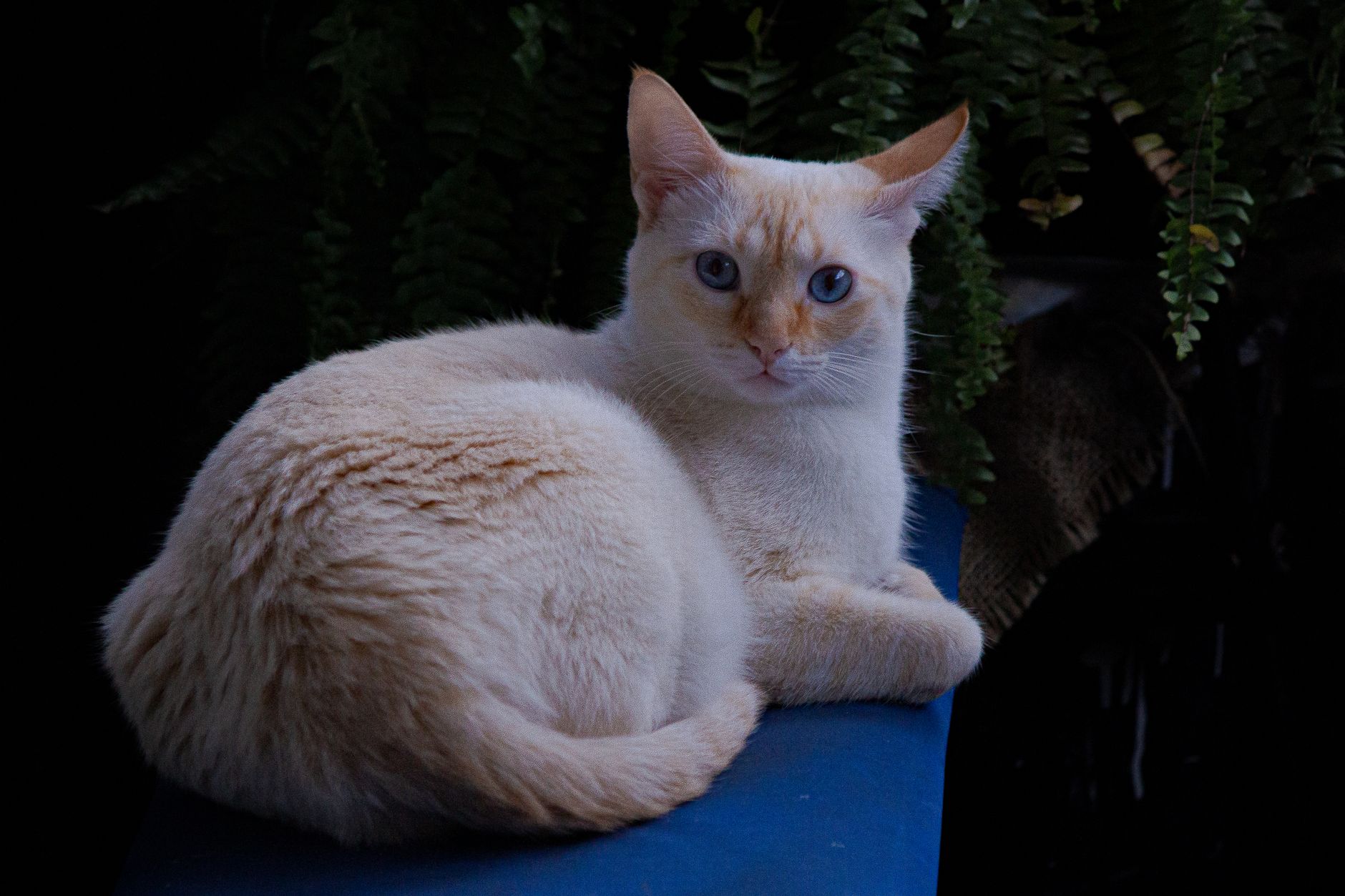
The Somali is a breathtakingly beautiful, highly active ‘fox cat’ that combines the striking ticked coat of the Abyssinian with a lush, plume-like tail. Best suited for high-energy households, these brilliant and mischievous felines crave constant mental stimulation and human interaction. If you want a quiet lap ornament, look elsewhere; but if you want an engaging, acrobat-in-a-fox-suit companion, the Somali is unmatched.
Quick Facts
- origin countryUnited States / Canada
- breed groupLonghair (Mutation of Abyssinian)
- sizeMedium
- weight range6 to 12 pounds (2.7 to 5.4 kg)
- height range8 to 11 inches (20 to 28 cm)
- lifespan11 to 15 years
- coat typeSemi-long, fine, double coat with distinct ticking
- common colorsRuddy, Sorrel (Red), Blue, Fawn (all with agouti ticking)
- other namesLong-haired Abyssinian, Fox Cat
- recognized byCFA, TICA, FIFe, GCCF, ACFA
Caring for a Somali
Living with a Somali is like sharing your home with a tiny, incredibly clever circus performer. I’ve found that they don’t just walk through life; they sprint, leap, and investigate every high shelf and closed cabinet. Day-to-day care is less about intensive grooming—their semi-long silky coat is surprisingly low-maintenance—and far more about providing environmental enrichment to keep their busy minds out of trouble. Expect to spend dedicated time daily playing interactive games, providing puzzle feeders, and clearing off vertical spaces for them to scale.
Is a Somali a good family pet?
Absolutely, provided the family is active and understands cat boundaries. In my experience, Somalis thrive in bustling homes where there is always someone to play with, and they form incredibly deep, interactive bonds with both adults and respectful children.
Do Somalis shed a lot?
They are moderate shedders, but they do experience heavier seasonal ‘blowouts’ twice a year where they lose much of their undercoat. Regular weekly brushing will easily keep their fine, silky coat under control and prevent mats from forming under the legs and around the ruff.
Is a Somali good for first-time owners?
I generally recommend Somalis for owners who have some experience with high-energy breeds, as their sheer intelligence and need for stimulation can overwhelm a complete novice. However, a dedicated first-time owner who is prepared to treat them almost like a high-energy dog breed can do wonderfully with them.
Temperament & Personality
The Somali is famed for its vivacious, extroverted, and endlessly curious personality. They are incredibly loving but express that affection through shared play, head-butts, and following you from room to room rather than sitting quietly on your lap for hours. In my years of working with them, I’ve noticed they possess an almost primate-like dexterity, often using their paws like hands to grasp toys or turn doorknobs. They remain highly playful and kitten-like well into their senior years.
Is a Somali good with other pets?
Yes, they generally do fantastic with other cats and cat-friendly dogs, often thriving with a high-energy playmate who can match their pace. However, due to their strong prey drive, smaller pocket pets like hamsters or birds should be kept securely out of reach.
How much attention does a Somali need?
They are highly social cats that do not tolerate isolation well; leaving a Somali alone all day without stimulation is a recipe for destructive behavior. I always tell owners to expect a cat that wants to assist with every household chore, from folding laundry to working at your computer.
Training & Behavior
Because of their high intelligence and natural curiosity, Somalis are remarkably easy to train if you use positive reinforcement. They learn tricks quickly and are excellent candidates for clicker training, which serves as a perfect outlet for their mental energy. However, if you don’t train them, they will happily train themselves—often learning how to open cabinets, turn on faucets, and retrieve hidden toys.
Training Tips
- Use a clicker paired with high-value treats
- Keep training sessions short, under 5 minutes
- Teach them to fetch to burn physical energy
- Focus on boundary training early to prevent counter-surfing
- Introduce harness and leash training from kittenhood
Fun Activities
- Clicker-trained tricks (sit, shake, high-five)
- Leash walking and outdoor exploration
- Interactive puzzle toys and treat dispensers
- Feather wand chases and high-jumping games
- Agility courses built from living room furniture
Is a Somali easy to train?
Yes, they are exceptionally easy to train compared to most breeds because they are highly food-motivated and love mental challenges. I have seen Somalis quickly master fetching, target training, and even navigating basic agility courses when motivated with positive reinforcement.
Somali Health Issues
While the Somali is generally a robust and athletic breed, they are genetically linked to a few specific hereditary conditions. Responsible breeders screen their breeding stock, so always ask for genetic test results to ensure your kitten has the best start in life.
Pyruvate Kinase Deficiency (PKD)
An inherited hemolytic anemia caused by an enzyme deficiency that shortens the lifespan of red blood cells. It can range from mild, intermittent fatigue to severe, life-threatening anemia.
Progressive Retinal Atrophy (PRA)
A genetic disease that causes the slow, progressive degeneration of the retina, eventually leading to complete blindness. There is no cure, but affected cats can live high-quality indoor lives.
Renal Amyloidosis
An inherited condition where amyloid proteins deposit in the kidneys, leading to chronic kidney disease and eventual kidney failure. It is particularly associated with the Abyssinian family of cats.
Dental Disease (Gingivitis & Periodontitis)
Somalis are highly prone to early-onset dental issues, which can lead to painful tooth loss and systemic infections if left untreated. Regular dental care is non-negotiable for this breed.
Patellar Luxation
A genetic condition where the kneecap slips out of its groove, causing discomfort, limping, or a hopping gait. Mild cases can be managed, while severe cases may require corrective surgery.
How long do Somalis typically live?
A healthy Somali can easily live between 11 and 15 years, with many reaching 16 or 17 when kept indoors, fed a high-quality diet, and given routine veterinary care including essential dental cleanings.
What to Feed a Somali
Somalis are high-energy athletes with fast metabolisms, meaning they require a nutrient-dense diet to fuel their active lifestyles. However, because they are so active, they need highly digestible proteins to maintain their lean, muscular build without excess weight.
Best Diet
I highly recommend a diet rich in animal protein and moisture, combining high-quality grain-free wet food with limited, premium dry kibble. Kitten, adult, and senior formulas should be utilized sequentially to match their changing nutritional needs, as advised by your veterinarian.
How to Feed
Establish a consistent feeding schedule with 2 to 3 measured meals a day rather than free-feeding, which can lead to overeating and subsequent weight gain. Using puzzle feeders is an excellent way to slow down their eating while providing much-needed mental stimulation.
How Much to Feed
Portion sizes should be tailored to their individual activity level, age, and weight; generally, an active adult Somali needs about 250 to 300 calories per day. Always work closely with your vet to monitor their body condition score and adjust portions as they age.
Nutritional Tips
Incorporate omega-3 fatty acids (like wild salmon oil) to support their beautiful, ticked double coat and joint health. Always ensure they have access to fresh, flowing water, preferably from a cat fountain to encourage drinking and support kidney health.
Somali Grooming Guide
Despite their lush, ‘wild’ look, the Somali’s semi-long coat is remarkably easy to maintain because it is silky and does not mat easily. However, they do require consistent basic grooming to manage seasonal shedding and keep their skin and coat in peak condition.
Coat Care
Brush their coat twice a week with a high-quality slicker brush or a steel comb to remove loose hairs and prevent minor tangles, especially around the breeches and collar ruff. Increase this to daily brushing during their spring and autumn shedding periods.
Skin Care
They rarely need full baths unless they get into something messy; their skin remains healthy naturally with regular brushing, which distributes their skin’s natural protective oils.
Eye Care
Gently wipe the corners of their large, expressive eyes with a damp, soft cloth if any discharge accumulates, using a clean section of the cloth for each eye.
Ear Care
Check their large, upright ears weekly for wax buildup or redness; clean them gently with a vet-approved ear flush and cotton ball if necessary, never inserting swabs into the ear canal.
Nail & Dental Care
Trim their nails every 2 to 3 weeks and brush their teeth daily with cat-safe toothpaste, as dental hygiene is absolutely critical to combat their genetic predisposition to gingivitis.
Considerations for Pet Parents
Pros
- Extremely intelligent and highly trainable
- Stunning, wild appearance with a lush fox-like tail
- Very affectionate and loves to be involved with the family
- Generally gets along well with other pets and children
- Playful, energetic, and entertaining companion
- Less prone to matting than other long-haired breeds
Cons
- High energy levels require constant daily interaction
- Can become destructive or depressed if left alone too long
- Highly prone to early dental issues requiring strict hygiene
- Prone to climbing and counter-surfing due to athletic nature
Best For
Active families, multi-pet households, or work-from-home owners who want an interactive, dog-like feline partner and have the time to devote to play, training, and mental enrichment.
Not Recommended For
Sedentary owners, those who are away from home for long hours without other pets, or anyone looking for a calm, quiet, low-maintenance lap cat that requires little attention.
Cost
- purchase price$1,000 to $2,500 USD
- monthly cost$80 to $150 USD
- initial setupExpect to spend $500 to $800 initially on high-quality vertical scratching posts, cat trees, interactive toys, puzzle feeders, and initial veterinary vaccines.
Similar Breeds
Abyssinian
Balinese
Somali FAQs
Are Somali cats hypoallergenic?
No, Somali cats are not hypoallergenic. They produce the Fel d 1 protein in their saliva and dander just like other cats, and their semi-long coat can trap and spread these allergens around the home.
What is the ‘ticked’ coat of a Somali?
Ticking means that each individual hair has multiple dark bands of pigment contrasting with lighter bands. This agouti pattern gives the Somali its distinctive wild, fox-like appearance, similar to a wild hare or squirrel.
How big do Somali cats get?
Somalis are a medium-sized breed. Males typically weigh between 8 and 12 pounds (3.6 to 5.4 kg), while females are slightly smaller, usually weighing between 6 and 10 pounds (2.7 to 4.5 kg).
Are Somali cats vocal?
They are not overly loud or demanding like Siamese cats, but they do communicate. They tend to have very soft, sweet voices and will chirp, trill, and purr to converse with their owners rather than meowing loudly.
Why are they called the ‘Fox Cat’?
They earned this nickname due to their vibrant reddish coats, large erect ears, masked facial markings, and, most notably, their extremely bushy, plumed tails that closely resemble a wild fox’s brush.
How long does it take for a Somali’s coat to fully develop?
A Somali’s full coat color, ticking, and length can take up to two years to fully develop. Kittens are often born with darker, shorter, fuzzy coats that gradually transform as they mature into adulthood.
Do Somali cats like water?
Many Somalis are fascinated by water and will happily splash in a running faucet, dip their paws in their water bowl, or watch you take a shower. I always advise keeping toilet lids closed around this curious breed!
Are Somali cats lap cats?
Generally, no. While they are deeply affectionate and love being close to you, they prefer to show it by sitting next to you, resting on your shoulders, or participating in your activities rather than sleeping on your lap for hours.
Can Somali cats live happily indoors?
Yes, and in fact, they should live indoors for their own safety. Because they are highly active and curious, you must provide plenty of vertical climbing spaces, scratching posts, and window perches to keep them happy inside.
Do they get along with dogs?
In my experience, they get along wonderfully with dog-friendly dogs. Their high energy, bold nature, and playful attitude mean they often form close playing and sleeping bonds with canine companions.
How often should I clean a Somali’s teeth?
I highly recommend brushing their teeth daily with specialized veterinary toothpaste, as they are genetically prone to early gingivitis. Additionally, schedule annual veterinary dental checkups and cleanings.
Do Somali cats jump high?
Yes, they are outstanding jumpers and natural climbers. They love high vantage points, so do not be surprised to find your Somali on top of the refrigerator, kitchen cabinets, or high bookshelves.