
Doberman Pinscher Breed Guide

Quick Summary
The Doberman Pinscher is an incredibly intelligent, loyal, and watchful guardian that thrives as an active member of its family. Best suited for experienced owners who can provide consistent leadership and ample mental stimulation, this breed combines elegant power with deep devotion. I’ve found that without structured training and daily physical outlets, their intense energy and sharp intellect can easily turn into destructive behaviors.
Quick Facts
- origin countryGermany
- breed groupWorking (AKC)
- sizeLarge
- weight range60 – 100 lbs (27 – 45 kg)
- height range24 – 28 inches (61 – 71 cm)
- lifespan10 – 12 years
- coat typeShort, smooth, and hard
- common colorsBlack and rust, red and rust, blue and rust, fawn (Isabella) and rust
- other namesDobermann, Dobe
- recognized byAKC, UKC, KC, FCI
Caring for a Doberman Pinscher
Living with a Doberman is a lifestyle choice; they are true ‘velcro dogs’ that must be integrated into your daily household flow. In my experience, these dogs do not tolerate being left alone in a backyard or isolated in a crate for long stretches without developing severe separation anxiety or compulsive habits. You should expect to dedicate at least 1.5 to 2 hours daily to structured physical exercise and brain games. From puppyhood to senior years, their space must be securely fenced, and their social calendar must remain active.
Is a Doberman Pinscher a good family pet?
Absolutely, provided they are raised and socialized with children from a young age. In my years working with them, I’ve seen that their natural protective instincts make them deeply devoted to ‘their’ kids, though their large size and high energy mean play should always be supervised. They are incredibly loving but can be overly protective if not properly managed.
Do Doberman Pinschers shed a lot?
They are moderate, year-round shedders, but because their hairs are short, stiff, and needle-like, they tend to weave themselves into carpets and upholstery. Weekly brushing with a rubber curry brush or hound glove will keep the loose hair under control. I’ve noticed their shedding spikes slightly during seasonal transitions in spring and fall.
Is a Doberman Pinscher good for first-time owners?
Generally, no, I do not recommend them for first-time dog owners. Their combination of physical strength, high intelligence, and strong guarding instincts requires a confident handler who understands canine dynamics and positive reinforcement training. Without experienced guidance, a Doberman can easily take over the household.
Temperament & Personality
The modern Doberman is far from the cartoonish villain often portrayed in movies; instead, they are highly sensitive, emotionally intuitive, and deeply affectionate companions. I’ve found they possess a unique ability to read their owner’s emotions and environment instantly, reacting with quiet watchfulness. While they are inherently protective, they should be stable and discerning, never aggressive without a genuine threat. This breed craves close human contact and will follow you from room to room, literally leaning against your shins.
Is a Doberman Pinscher good with other pets?
They can co-exist beautifully with other household pets if raised together, but they can be prone to same-sex aggression, particularly males. I always advise owners to introduce new animals slowly and cautiously. Their high prey drive means smaller animals like rabbits or outdoor cats may be viewed as chase targets.
How much attention does a Doberman Pinscher need?
They need an immense amount of personal interaction; they are not solitary dogs. In my experience, if you work 10-hour days away from home, a Doberman is not the breed for you. They demand mental engagement, physical play, and simply being in the same room as their human family.
Training & Behavior
Training a Doberman is an incredibly rewarding experience because of their lightning-fast processing speed and intense desire to work. They are ranked among the top five smartest dog breeds, meaning they learn both good and bad habits with equal speed. I tell my clients that training must be firm, consistent, and strictly positive; harsh corrections will damage their sensitive spirit and break their trust. Early, continuous socialization is the single most critical factor in raising a stable adult Doberman.
Training Tips
- Use positive reinforcement and high-value food or toy rewards.
- Keep training sessions short, varied, and mentally challenging.
- Establish clear house rules from day one and enforce them consistently.
- Focus heavily on socialization to strange people, sounds, and environments.
- Teach a reliable ‘place’ command to manage their velcro-like proximity.
Fun Activities
- Agility training
- Scent work and tracking
- Schutzhund / IGP (protection sport)
- Advanced obedience trials
- Canicross or running alongside a bike
Is a Doberman Pinscher easy to train?
Yes, they are exceptionally easy to train due to their high intelligence and eagerness to please. However, their smarts mean they will quickly spot and exploit any inconsistency in your rules. They require a handler who is active, organized, and confident.
Doberman Pinscher Health Issues
While the Doberman is an athletic powerhouse, the breed suffers from several serious, hereditary health issues that potential owners must understand. Working closely with a preservation breeder who does comprehensive genetic testing is vital to minimizing these risks.
Dilated Cardiomyopathy (DCM)
A devastating genetic heart condition where the heart muscle becomes thin and weak, leading to congestive heart failure or sudden death. It is highly prevalent in the breed, affecting a large percentage of adult Dobermans.
von Willebrand’s Disease (vWD)
An inherited bleeding disorder caused by a deficiency in the clotting protein, similar to hemophilia in humans. A DNA test can easily identify if a puppy is clear, a carrier, or affected before any surgery is performed.
Wobbler Syndrome (Cervical Vertebral Instability)
A neurological condition caused by spinal cord compression in the neck, typically due to malformed vertebrae or disc disease. It leads to a characteristic unsteady, wobbly gait.
Gastric Dilation-Volvulus (GDV / Bloat)
A life-threatening emergency common in deep-chested breeds where the stomach fills with gas and twists on itself, cutting off blood flow. Immediate veterinary surgery is required to save the dog’s life.
Hypothyroidism
An underactive thyroid gland that slows the dog’s metabolism, which is common in middle-aged Dobermans but easily managed with daily oral hormone replacement therapy.
How long do Doberman Pinschers typically live?
The average lifespan of a Doberman is 10 to 12 years. Regrettably, cardiovascular issues like DCM can shorten this lifespan for many individuals, which is why sourcing from health-screened lines and scheduling annual vet exams is so critical.
What to Feed a Doberman Pinscher
Dobermans are highly active athletes that require a high-quality, nutrient-dense diet to support their muscular build and energy levels. Because they are prone to bloat, their feeding style is just as important as the food itself.
Best Diet
I recommend a high-protein, premium commercial kibble formulated specifically for large, active breeds. Ensure the diet is rich in omega-3 fatty acids for skin health, and consult your vet regarding grain-free diets, as there have been studied links between certain grain-free formulas and DCM.
How to Feed
Always divide their daily food intake into at least two or three smaller meals rather than one large feeding to reduce the risk of bloat. I strongly advise using slow-feeder bowls and prohibiting vigorous exercise or running for at least one hour before and after meals.
How Much to Feed
On average, an adult Doberman requires between 3 to 4.5 cups of kibble daily, depending heavily on their sex, age, and activity level. Since calorie needs vary wildly from a couch lounger to a working sport dog, always consult your veterinarian to establish a precise portion size based on body condition score.
Nutritional Tips
Adding joint supplements like glucosamine, chondroitin, and green-lipped mussel early in life can support their hard-working joints. Ensure they always have access to fresh water, but monitor their intake immediately after exercise.
Doberman Pinscher Grooming Guide
Grooming a Doberman is remarkably straightforward and low-maintenance, making it one of the easiest aspects of their care. However, they do require consistent basic upkeep to keep their skin and coat in top condition.
Coat Care
Brush their short coat once a week with a grooming mitt or a medium-bristle brush to remove loose hair and dirt. Bathing only needs to happen every 6 to 8 weeks, or when they get particularly muddy, using a mild dog shampoo.
Skin Care
Because they have a single coat, they can be sensitive to cold and prone to dry skin. Use a moisturizing conditioner during baths, and protect them with a canine coat or sweater during freezing winter walks.
Eye Care
Their eyes should be clear and free from heavy discharge. Wipe away any morning crustiness with a damp, soft cloth, and consult a vet if you notice excessive tearing, redness, or cloudiness.
Ear Care
Whether cropped or natural, check their ears weekly for dirt, wax buildup, or redness. Clean them gently using a veterinarian-approved ear cleaning solution and a cotton round.
Nail & Dental Care
Doberman nails grow fast and thick; they should be trimmed or ground down with a Dremel weekly to prevent splaying. Brush their teeth at least three times a week with canine toothpaste to prevent tartar buildup.
Considerations for Pet Parents
Pros
- Incredibly loyal and affectionate companion
- Superb natural guardian and watchdog
- Highly intelligent and quick to train
- Low-maintenance grooming needs
- Highly adaptable to athletic outdoor lifestyles
- Eager to please and bond with the family
Cons
- Prone to serious, life-shortening genetic health issues
- Can develop severe separation anxiety if left alone
- Requires substantial daily physical and mental exercise
- Often faces housing, rental, and insurance restrictions
- Can exhibit same-sex dog aggression
Best For
Active, experienced owners or families who can dedicate significant time daily to training, mental stimulation, and exercise, and who want a dog that is fully integrated into their daily life.
Not Recommended For
Sedentary households, first-time dog owners, those who are away from home for long periods, or anyone unwilling to commit to strict positive-reinforcement training and early socialization.
Cost
- purchase price$1,500 – $3,500 USD
- monthly cost$150 – $250 USD
- initial setupExpect to spend between $800 and $1,500 initially on a high-quality crate, heavy-duty toys, obedience classes, and essential vet visits, plus potentially more for premium winter apparel.
Similar Breeds
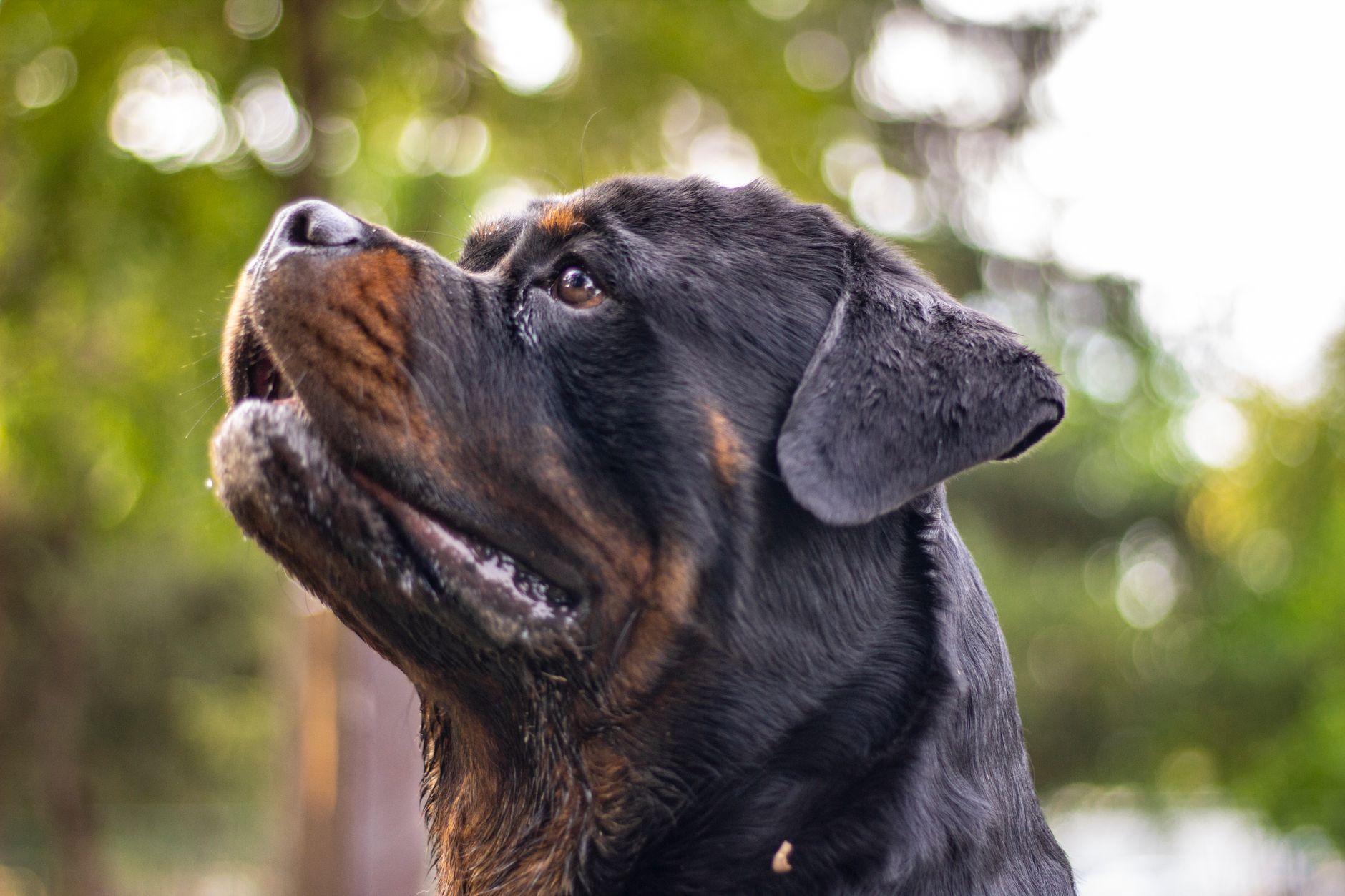
Rottweiler
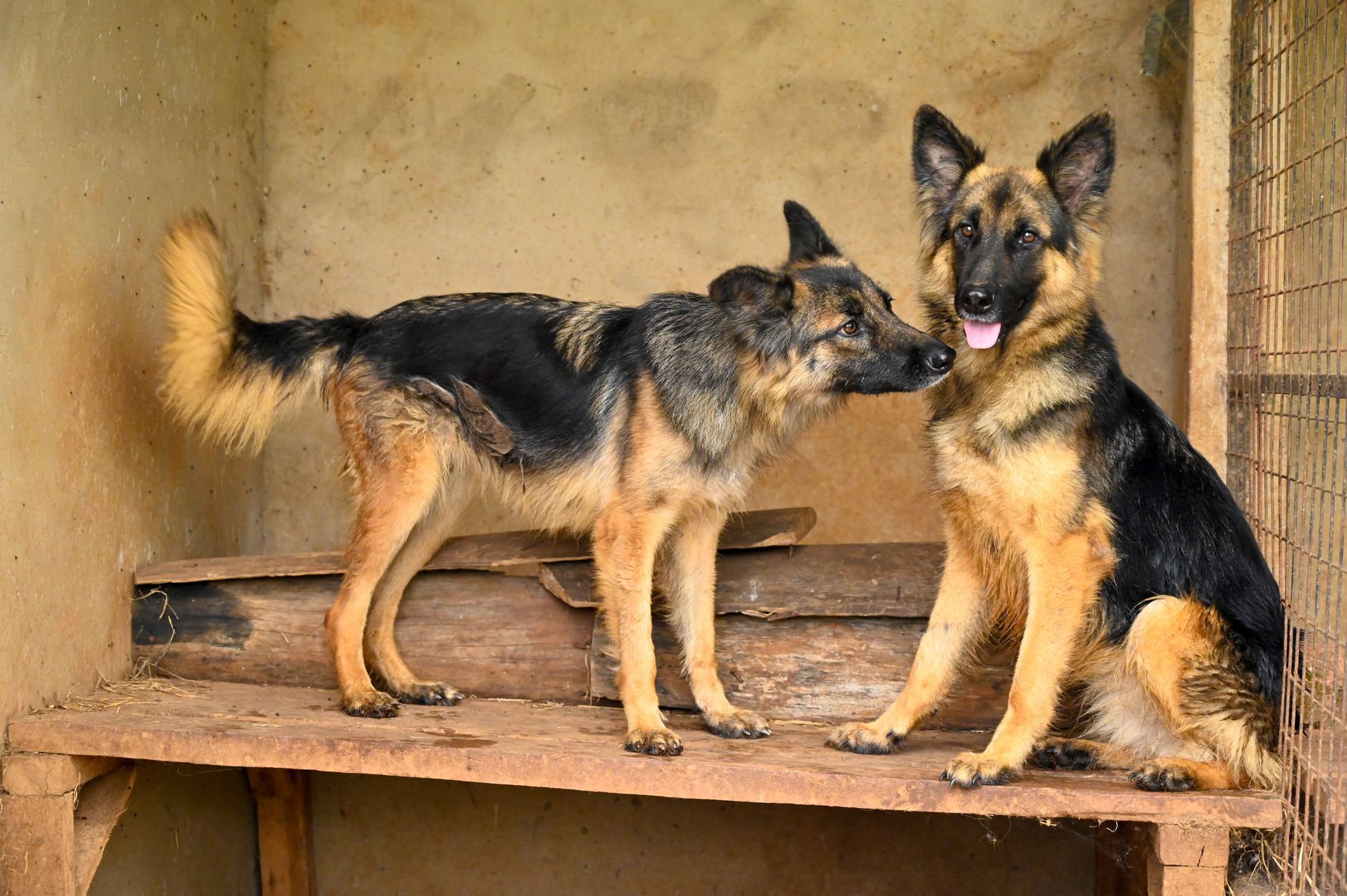
German Shepherd Dog
Doberman Pinscher FAQs
Are Doberman Pinschers aggressive?
By nature, a well-bred and properly socialized Doberman is not randomly aggressive; they are naturally watchful and protective. Aggression typically stems from poor breeding, a lack of socialization, or fear. They are naturally aloof with strangers but should remain stable and controlled.
Why do people crop Doberman ears and dock tails?
Historically, ears were cropped and tails docked to prevent injuries while working as guard dogs, eliminating handles for attackers to grab. Today, it is largely a cosmetic preference and a standard for certain kennel clubs, though it is banned in many European countries and is entirely optional for companion pets.
Are male or female Dobermans better?
Males tend to be larger, more easygoing, and sometimes more goofy or clingy, but they can be prone to same-sex aggression. Females are often sleeker, mature faster, can be more sharp-witted, and are highly protective of their favorite human. The choice depends on your household dynamics and experience level.
Do Doberman Pinschers bark a lot?
They are not nuisance barkers, but they will absolutely bark to alert you to someone approaching your home. Because they are highly observant, they notice changes in their environment quickly. If left alone and bored, however, they may develop a repetitive barking habit out of frustration.
Can a Doberman live in an apartment?
Yes, a Doberman can live in an apartment, but only if the owner is deeply committed to meeting their high exercise needs daily. They need multiple long walks and vigorous play sessions outside the home. However, owners should check local lease agreements, as the breed is frequently on restricted-breed lists.
Are Dobermans sensitive to cold weather?
Yes, very sensitive. They have a single, short coat and very little body fat, meaning they feel the cold quickly. In my experience, if the temperature drops below 40 degrees Fahrenheit (4 degrees Celsius), you should dress them in a well-fitting fleece or coat for outdoor walks, and they should never be kept as outdoor dogs.
How do I stop my Doberman from pulling on the leash?
Because they are powerful, forward-focused working dogs, leash pulling is common. Start loose-leash training on day one using positive reinforcement, a front-clip harness, or a head halter. Avoid yanking them; instead, reward them consistently for walking at your side and maintaining eye contact.
Are Dobermans prone to separation anxiety?
Yes, they are highly prone to separation anxiety due to their deeply bonded velcro nature. They thrive on human companionship and can become highly destructive—chewing door frames or howling—if left alone for long periods. Crate training and teaching independence early on are essential.
How much exercise does a Doberman puppy need?
To protect their growing joints and growth plates, you should avoid high-impact running or jumping until they are about 18 months old. Stick to free play in a yard, short training walks (about 5 minutes per month of age, twice a day), and plenty of puzzle toys to wear out their minds.
Are white or albino Dobermans healthy?
No, white or albino Dobermans suffer from genetic mutations that cause severe health issues. They are prone to skin cancer, extreme photosensitivity (sun hurts their eyes), and behavioral issues due to sensory discomfort. Responsible breeders avoid breeding for this color, and major kennel clubs disqualify them.
Do Dobermans like water or swimming?
Some do, but generally, they are not natural water dogs like Retrievers. Their deep chests and high muscle density can make swimming more physically demanding for them. Introduce them to water gradually using a canine life jacket, and never force them in.
What toys are best for a Doberman?
Dobermans have incredibly powerful jaws and are smart enough to solve puzzles. I always recommend heavy-duty rubber toys (like extreme Kongs), durable puzzle feeders, and black nylon chew toys. Avoid plush toys with squeakers, as they will shred and swallow them in minutes.
How do I socialize a Doberman puppy?
Socialization doesn’t just mean playing with other dogs; it means controlled exposure to the world. Introduce your puppy to different surfaces, loud sounds, umbrellas, bicycles, and people of all ages and ethnicities in a positive, calm manner, rewarding them for neutral, relaxed behavior.
Can a Doberman be left alone with kids?
Regardless of the breed, I never recommend leaving any large dog unsupervised with young children. Dobermans are generally wonderful with their family’s kids, but they can easily knock over a toddler during play, and their protective instincts can misinterpret roughhousing with visiting children as a threat.
How often should I visit the vet with an adult Doberman?
Adult Dobermans should visit the vet at least once a year, but as they age past five, twice-yearly visits are recommended. Given the breed’s high risk of DCM, I strongly advise adding an annual echocardiogram and 24-hour Holter monitor test starting around age three to catch heart issues early.