
Manx Breed Guide
Quick Summary
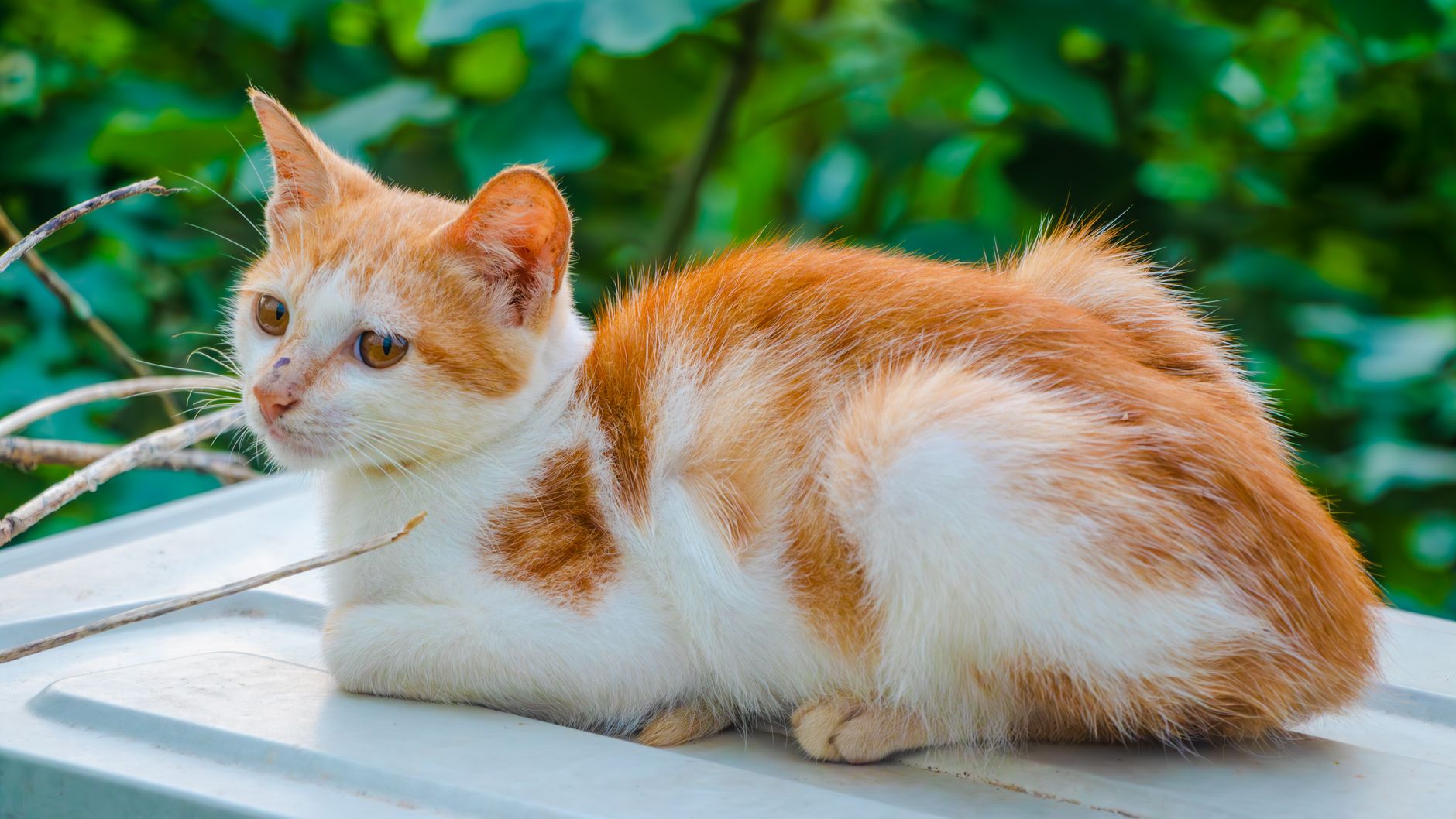
The Manx is a stout, round-bodied cat famous for its naturally occurring tail mutation, but what truly wins owners over is their highly affectionate, dog-like personality. Renowned for their powerful hind legs that make them exceptional jumpers, they thrive in active households where they can participate in daily family life. They are ideal for dedicated owners who want an interactive, loyal companion and are prepared for the breed’s specific skeletal health considerations.
Quick Facts
- origin countryIsle of Man
- breed groupShorthair / Longhair (Cymric)
- sizeMedium
- weight range8 to 12 lbs (3.6 to 5.4 kg); males can reach up to 14 lbs
- height range7 to 11 inches (18 to 28 cm)
- lifespan9 to 14 years
- coat typeDouble coat, dense and plush (available in short and long hair varieties)
- common colorsAll colors and patterns except pointed (bi-color, tabby, tortoiseshell, solid)
- other namesManks, Kayt Manninagh
- recognized byCFA, TICA, FIFe, GCCF, ACFA
Caring for a Manx
Living with a Manx is like having a playful, quiet shadow following you from room to room. I’ve found that they adapt incredibly well to busy households, but they absolutely demand daily interactive play to burn off their athletic energy. You must be cautious when handling them; because of their unique spine, you should always support their hindquarters when picking them up. Regular vet check-ups are non-negotiable to monitor their spinal health and ensure their mobility remains excellent.
Is a Manx a good family pet?
Absolutely, they are highly social cats that form tight bonds with children and adapt well to a busy home. Their playful, sturdy nature makes them resilient playmates, though children must be taught never to pull on or press their sensitive tail area.
Do Manxs shed a lot?
Yes, they have a surprisingly dense double coat that sheds moderately year-round and heavily during the spring and fall blow-outs. I always tell owners to expect to brush them at least two to three times a week to keep the undercoat under control.
Is a Manx good for first-time owners?
They can be wonderful first-time pets because of their loving, adaptable nature, but novices must educate themselves on ‘Manx Syndrome.’ If you are prepared for potential spinal health needs and can commit to regular grooming, they are incredibly rewarding companions.
Temperament & Personality
The Manx is famous for being incredibly ‘dog-like,’ often retrieving toys, learning commands, and greeting you at the door. They have a distinct, sweet trill instead of a loud meow, which they use to converse with their favorite humans. In my experience, they are highly empathetic cats that seem to tune in to their owner’s emotional state, offering quiet cuddles when you need them most. Their powerful hind legs also mean they love to explore high perches, so don’t be surprised to find them atop your tallest cabinets.
Is a Manx good with other pets?
In my experience, they excel in multi-pet households, easily befriending both other cats and cat-friendly dogs. Their bold, confident nature means they rarely feel threatened, preferring to turn potential housemates into play partners.
How much attention does a Manx need?
They are highly social and do not like being left alone for long stretches of time. While they aren’t relentlessly demanding, they thrive best when they can participate in your daily routine and receive structured play sessions.
Training & Behavior
Training a Manx is a joy because they are exceptionally smart and eager to interact with you. They respond beautifully to positive reinforcement and clicker training, often mastering tricks that leave visitors amazed. However, their intelligence means they can easily learn how to open doors and cabinets, so childproofing is often necessary.
Training Tips
- Use high-value treats like freeze-dried chicken for positive reinforcement.
- Start clicker training early to teach boundaries and fun tricks.
- Teach them to ‘fetch’ using soft, lightweight toys they can easily carry.
- Harness train them slowly indoors before attempting backyard strolls.
Fun Activities
- Interactive fetch with crinkle balls
- Scent-tracking games with hidden treats
- Navigating vertical agility courses or cat trees
- Puzzle feeders that challenge their problem-solving skills
Is a Manx easy to train?
Yes, they are among the easiest cat breeds to train due to their high intelligence and desire for human engagement. Many learn to walk on a harness, come when called, and play fetch just as reliably as a retriever.
Manx Health Issues
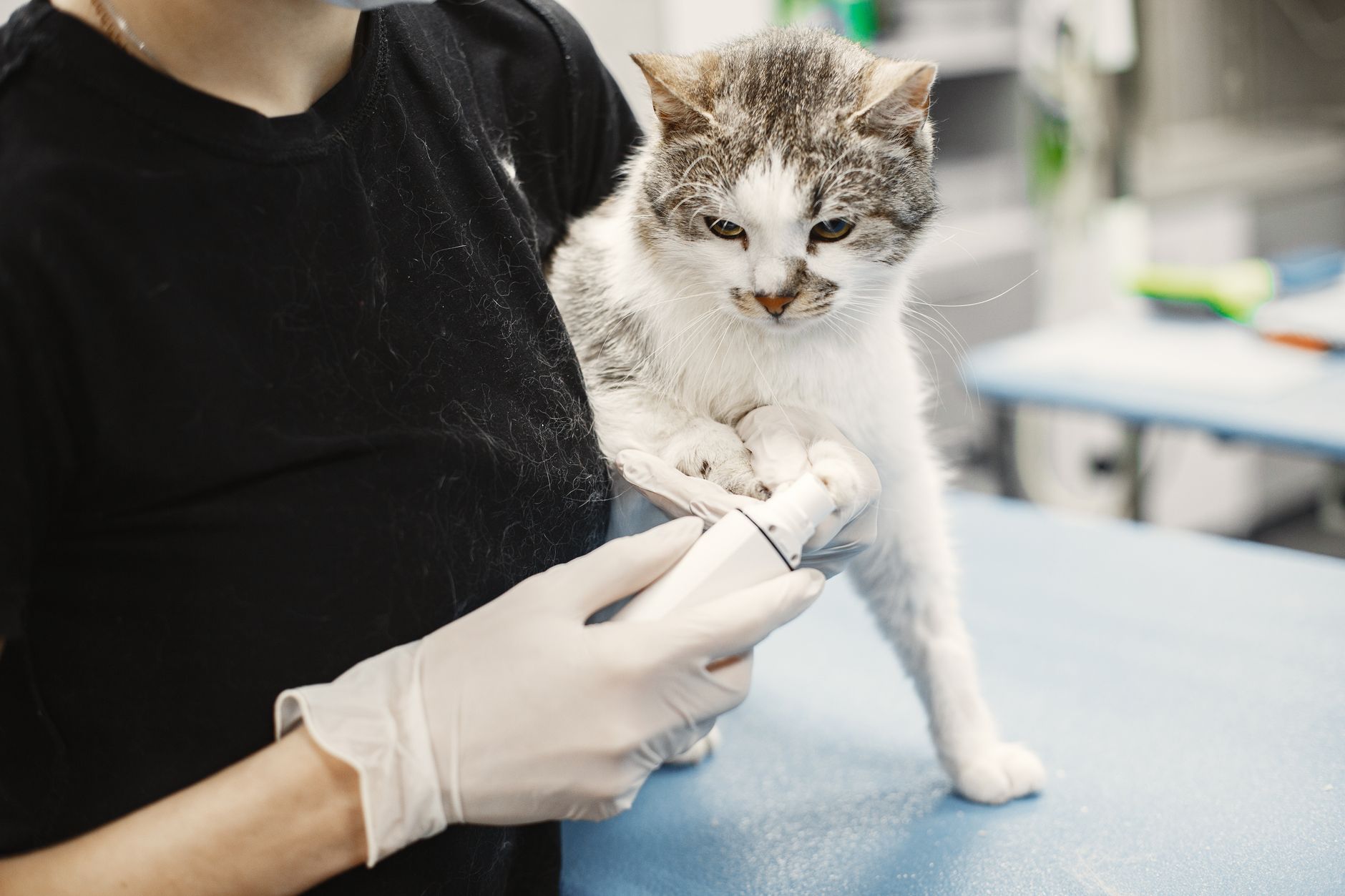
While many Manx cats live long, healthy lives, the genetic mutation that causes their taillessness can affect their spinal development. I always advise working with a reputable breeder who screens for genetic issues and keeping a close relationship with your veterinarian.
Manx Syndrome
A collection of developmental spinal issues caused by the tailless gene, which can shorten the spine too much. This can lead to severe neurological problems, including spinal cord damage, bowel or bladder incontinence, and hind limb paralysis.
Arthritis
Due to their unique skeletal structure and shortened spine, Manx cats are highly prone to premature arthritis in their hips and lower back as they age.
Megacolon
A condition where the colon becomes abnormally stretched and loses its ability to contract, often secondary to the nerve damage associated with Manx Syndrome.
Corneal Dystrophy
An inherited condition that causes cloudiness in one or both corneas, usually starting when the cat is young or middle-aged.
Rump Fold Dermatitis
In completely tailless (rumpy) cats, the skin fold where the tail would be can trap moisture, dirt, and fecal matter, leading to painful skin infections.
How long do Manxs typically live?
A healthy Manx can easily live between 9 to 14 years, with some reaching 15 or more if they do not suffer from severe early-onset Manx Syndrome. Regular veterinary care and a controlled weight are key to maximizing their lifespan.
What to Feed a Manx
Manx cats are solid, heavy-bodied cats, and their unique skeletal structure means that carrying any excess weight places dangerous pressure on their shortened spine. It is critical to monitor their calorie intake closely from kittenhood through their senior years.
Best Diet
I highly recommend a high-protein, low-carbohydrate wet food diet to help maintain a lean body mass and ensure optimal hydration. Moisture-rich food also helps prevent chronic constipation, a common issue in this breed.
How to Feed
Feed them on a strict schedule of two to three portion-controlled meals a day, rather than free-feeding. Use interactive puzzle feeders to slow down their eating and keep them mentally stimulated.
How Much to Feed
Portion sizes should be tailored to their age, weight, and activity level, typically ranging from 200 to 250 calories per day for an average 10-pound adult. Always consult your veterinarian to adjust portions based on body condition scores.
Nutritional Tips
Adding a dash of fish oil (Omega-3 fatty acids) to their meals can provide excellent joint support to protect their hips and spine. Keep clean, fresh water easily accessible, ideally using a cat fountain to encourage drinking.
Manx Grooming Guide
While they don’t require the high-maintenance grooming of a Persian, the Manx’s dense double coat does need consistent attention to prevent matting. I’ve found that a proactive routine makes grooming a bonding experience they genuinely look forward to.
Coat Care
Brush their thick double coat two to three times a week using a slicker brush and an undercoat rake to remove loose hairs. During seasonal shedding periods in spring and fall, daily brushing is highly recommended to control the hair flyaways.
Skin Care
Pay special attention to the rump area of completely tailless ‘rumpy’ cats; keep this area clean of fecal residue or dirt to prevent skin infections. Wipe the area gently with a pet-safe, unscented damp wipe if needed.
Eye Care
Gently wipe the corners of their eyes with a soft, damp cloth if you notice any discharge, using a clean section of the cloth for each eye to prevent spreading any potential infection.
Ear Care
Inspect their ears weekly for wax buildup, dirt, or redness. Clean them gently only when necessary using a vet-approved ear-cleaning solution and a cotton round, never inserting cotton swabs into the ear canal.
Nail & Dental Care
Trim their nails every two to three weeks, and brush their teeth daily (or at least three times a week) with cat-safe enzymatic toothpaste to prevent periodontal disease.
Considerations for Pet Parents
Pros
- Incredibly loyal, affectionate, and family-oriented
- Very quiet with a sweet, musical trilling voice
- Highly intelligent and easily trained to do tricks
- Excellent with children and other household pets
- Great jumpers and playful, active companions
- Unique, striking appearance with a rich history
Cons
- Prone to serious, life-limiting genetic spinal disorders
- Requires careful physical handling to protect their spine
- Double coat sheds heavily, requiring regular brushing
- Susceptible to obesity which worsens joint/spinal issues
- Can be prone to chronic constipation or bowel issues
Best For
Active families, multi-pet households, or work-from-home owners who can provide plenty of companionship, mental stimulation, and are vigilant about pet health and veterinary care.
Not Recommended For
Owners who are frequently away for long hours, those unwilling or unable to manage potential chronic medical needs, or homes with very young children who cannot handle pets gently.
Cost
- purchase price$800 to $1,500 USD
- monthly cost$80 to $150 USD
- initial setupExpect to spend $400 to $800 initially on high-quality vertical cat trees, scratching posts, carrier, vet checks, microchipping, and essential grooming tools.
Similar Breeds

Japanese Bobtail
Kurilian Bobtail
Manx FAQs
Are all Manx cats completely tailless?
No, they actually carry different tail lengths. ‘Rumpies’ have no tail at all (often featuring a dimple), ‘rumpy-risers’ have a tiny rise of bone, ‘stumpies’ have a short, stubby tail, and ‘longies’ have a near-normal tail length.
Why do Manx cats hop like rabbits?
They hop because their hind legs are noticeably longer than their front legs, giving them a high-rumped, rounded silhouette. This powerful leg structure makes them phenomenal jumpers but can also cause their characteristic gait.
Can you breed two completely tailless Manx cats?
No, breeding two completely tailless (rumpy) Manx cats is highly discouraged because the tailless gene is lethal in homozygous form. Inheriting two copies of the gene causes the embryos to die in the womb, so breeders always cross tailless cats with tailed ones.
How do you pick up a Manx cat safely?
You must always support their hindquarters when picking them up. Because they lack a tail to help distribute weight and balance, lifting them without supporting their rear puts painful strain on their unique spine.
Is the Cymric cat the same as a Manx?
Yes, the Cymric is simply the long-haired variety of the Manx. Some cat registries recognize them as a separate breed, while others class them together as the Longhair Manx.
Why is my Manx cat leaking urine?
Leaking urine can be a sign of Manx Syndrome, where the nerves that control the bladder are damaged due to the malformed spine. If you notice this, you should consult your veterinarian immediately for a thorough neurological assessment.
Do Manx cats like water?
Surprisingly, many Manx cats are fascinated by water. Don’t be shocked if they play in dripping faucets, splash in their water bowls, or try to join you in the shower.
How can I prevent my Manx from getting constipated?
A moisture-rich diet (wet food), constant access to fresh water via a fountain, and regular exercise are key. In some cases, your vet may recommend specific fiber supplements or stool softeners to manage chronic issues.
Are Manx cats hypoallergenic?
No, they are not hypoallergenic. Their thick double coat actually traps dander close to the skin, which can trigger allergies when they shed.
Do Manx cats have behavioral problems?
Generally, no; they are sweet-tempered and highly cooperative. However, if they are in pain due to spinal arthritis or Manx Syndrome, they may show irritability, which should always be treated as a medical issue rather than a behavioral one.
Can Manx cats live outdoors?
It is highly recommended to keep them indoors. Their unique skeletal structure can sometimes limit their rapid escaping abilities compared to other cats, and they are safer from local predators, cars, and infectious diseases inside.
Why do Manx cats have a double coat?
Their dense double coat evolved on the chilly, windy Isle of Man to protect them from harsh weather. It consists of a short, thick undercoat and a slightly longer, protective outer coat.
At what age does Manx Syndrome show up?
Signs of Manx Syndrome typically manifest within the first few weeks to four months of a kitten’s life. Reputable breeders will keep kittens until they are at least 12 to 16 weeks old to ensure they are healthy before placement.