
Alaskan Malamute Breed Guide
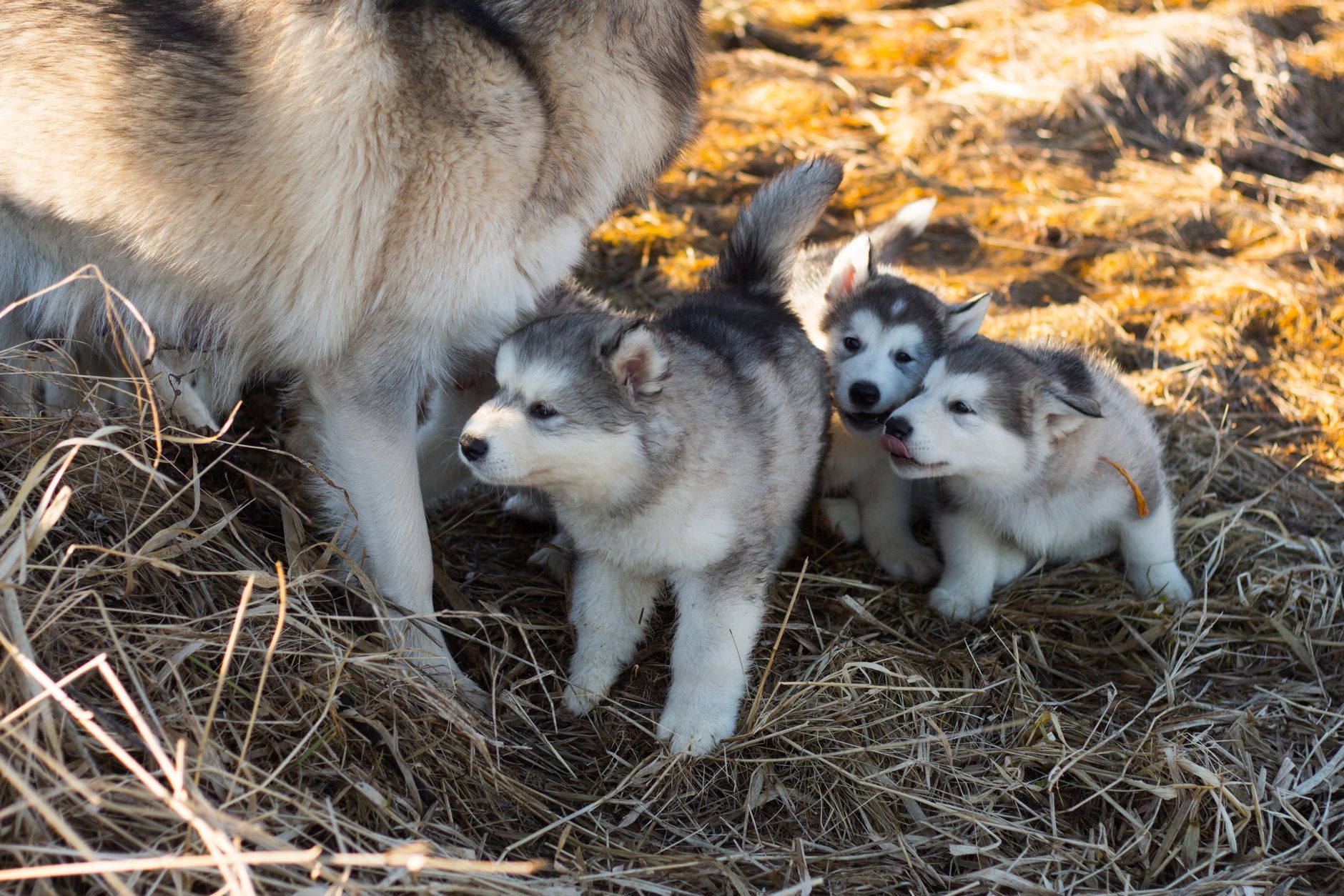
Quick Summary
The Alaskan Malamute is a powerful, affectionate, and independent Arctic sled dog built for endurance and heavy hauling rather than speed. I’ve found that they make incredibly loyal family companions for active, experienced owners who can handle intense shedding, strong-willed personalities, and a high need for daily physical work.
Quick Facts
- origin countryUnited States (Alaska)
- breed groupWorking
- sizeLarge to Giant
- weight range75 to 85+ pounds
- height range23 to 25 inches
- lifespan10 to 14 years
- coat typeThick, harsh, double coat with a dense woolly undercoat
- common colorsGray and white, black and white, sable and white, red and white, solid white
- other namesMalamute, Mal
- recognized byAKC, UKC, FCI, CKC, ANKC
Caring for a Alaskan Malamute
Living with an Alaskan Malamute is a lifestyle commitment, not just pet ownership. In my experience, your daily routine will center around heavy exercise, consistent behavior management, and a relentless grooming schedule. These dogs require at least 1.5 to 2 hours of vigorous activity daily, ideally in cooler weather, and they thrive when given a physical job to do. If left under-exercised or isolated, their capacity for digging, howling, and destructive chewing is virtually unmatched.
Is an Alaskan Malamute a good family pet?
Yes, they are outstanding family pets for households with older children, as they are incredibly loyal, affectionate, and view their human family as their pack. However, I always warn owners that their massive size, strength, and rambunctious puppy phase make them too easily capable of accidentally knocking over toddlers.
Do Alaskan Malamutes shed a lot?
Absolutely. They are heavy year-round shedders, and twice a year they completely ‘blow’ their dense undercoat, releasing massive clumps of woolly fur. During these blow periods, which last about 3 to 4 weeks, you will need to brush them daily and vacuum your home multiple times a day.
Is an Alaskan Malamute good for first-time owners?
I strongly advise against a Malamute for a first-time owner. Their intense physical strength, independent nature, stubbornness, and high prey drive require a handler who deeply understands Spitz-type dog behavior and can establish firm, respectful boundaries.
Temperament & Personality

Malamutes possess a fascinating blend of dignified independence and goofy, human-loving affection. Unlike guard dogs, they are notoriously friendly to strangers, often welcoming visitors with a enthusiastic lean or a series of vocal ‘woo-woos’ rather than a bark. They are intensely pack-oriented, which makes them crave constant human companionship, but they retain an ancient, self-reliant streak that means they do not live to please you—they live to partner with you.
Is an Alaskan Malamute good with other pets?
They can co-exist with other large dogs of the opposite sex if properly socialized, but same-sex dog aggression is common. Additionally, because of their exceptionally high prey drive, I’ve found it is rarely safe to keep them in households with cats, rabbits, or other small animals.
How much attention does an Alaskan Malamute need?
They require a high level of daily interaction and do not tolerate being left alone in a backyard. Without consistent human companionship and mental stimulation, they easily develop severe separation anxiety, which typically manifests as vocal howling and yard devastation.
Training & Behavior
Training a Malamute requires throwing out old-school, repetitive obedience drills and focusing instead on relationship-based motivation. They are incredibly smart, but they are not eager-to-please service dogs; if they don’t see a point in your command, they will simply choose to ignore it. Early, lifelong socialization is critical to prevent dog-directed reactivity and to manage their natural instinct to chase anything that runs.
Training Tips
- Keep training sessions short (10-15 minutes max) and highly varied to prevent boredom.
- Use high-value, smelly food rewards like freeze-dried liver rather than praise alone.
- Never use harsh physical discipline; they will shut down or completely lose trust in you.
- Focus heavily on leash manners early, as a fully-grown 85-pound Malamute will easily pull you off your feet.
- Work on recall from puppyhood, but accept that they should rarely be trusted off-leash in unsecured areas.
Fun Activities
- Urban mushing (scooter, cart, or rig pulling)
- Recreational sledding and weight pulling
- Backpacking with dog-specific saddlebags
- Skijoring (being pulled on skis)
- High-distance hiking in winter climates
Is an Alaskan Malamute easy to train?
No, they are notoriously difficult for those accustomed to highly biddable breeds. They understand your commands quickly but will constantly evaluate whether they feel like obeying, requiring owners to remain patient, creative, and rock-solid in their consistency.
Alaskan Malamute Health Issues

The Alaskan Malamute is generally a rugged, healthy breed developed to survive harsh Arctic conditions, but their gene pool carries several serious inherited conditions. I always urge prospective buyers to ask for official health clearances, specifically hip scores and eye certifications, before choosing a puppy.
Hip Dysplasia
A genetic malformation of the hip joint socket where the femur bone does not fit snugly, leading to progressive, painful arthritis.
Alaskan Malamute Polyneuropathy (AMPN)
An inherited neuromuscular disease caused by a genetic mutation that affects the dog’s peripheral nervous system, usually presenting between 3 and 19 months of age.
Chondrodysplasia (CHD)
A genetic form of dwarfism that causes abnormal development of cartilage and bone, resulting in stunted, deformed limbs.
Cataracts and Day Blindness (Cone Degeneration)
Inherited eye diseases that can lead to vision loss, with cone degeneration causing dogs to lose vision specifically in bright light while retaining normal night vision.
Gastric Torsion (Bloat)
A life-threatening medical emergency where the stomach fills with gas and twists on its axis, cutting off blood supply.
Hypothyroidism
An underactive thyroid gland that slows down the dog’s metabolism, leading to poor coat health and systemic sluggishness.
How long do Alaskan Malamutes typically live?
On average, a healthy Alaskan Malamute lives between 10 and 14 years. Ensuring they maintain a lean body weight is one of the most effective ways to maximize their lifespan and protect their joints from early wear and tear.
What to Feed a Alaskan Malamute
Malamutes are incredibly efficient metabolizers, a trait inherited from their history of working long hours on minimal rations in freezing conditions. I always tell owners that they require surprisingly less food than other breeds of comparable size, making them highly prone to obesity if overfed.
Best Diet
A high-quality, large-breed specific dry kibble containing real animal proteins as the primary ingredients is ideal. Because of their predisposition to joint issues, diets enriched with glucosamine, chondroitin, and omega-3 fatty acids from fish oil are highly beneficial.
How to Feed
To prevent life-threatening gastric torsion (bloat), divide their daily ration into two distinct meals. I recommend feeding them using puzzle feeders to slow their eating and strictly avoiding any vigorous exercise or work for at least one hour before and after meals.
How Much to Feed
Typically, an active adult Malamute needs between 3 to 4.5 cups of high-quality dry food daily, but this must be adjusted based on their weight and activity. You should always consult your veterinarian to calculate exact caloric needs based on their body condition score.
Nutritional Tips
Keep treats to under 10% of their daily caloric intake, as they are expert beggars who put on weight easily. Supplementing their diet with fresh, safe veggies like green beans can help them feel full without adding unnecessary calories.
Alaskan Malamute Grooming Guide
Grooming a Malamute is a labor of love that requires the right heavy-duty tools and consistent effort. Their dense double coat is designed to shed dirt and snow naturally, meaning they rarely smell ‘doggy,’ but the sheer volume of loose hair they produce is monumental.
Coat Care
Brush their coat at least three times a week using a long-toothed undercoat rake and a slicker brush to prevent painful matting. During their bi-annual coat blow, you will need to brush them daily and use a high-velocity dog blow dryer to blast out the dead undercoat.
Skin Care
After bathing, it is critical to blow-dry their coat completely down to the skin; trapping moisture in their dense undercoat can rapidly cause painful, oozing hot spots.
Eye Care
Their eyes are generally trouble-free, but check them weekly for any unusual redness or discharge, wiping the corners gently with a damp, clean cloth.
Ear Care
Inspect their ears weekly for dirt, wax buildup, or odor, cleaning them with a veterinarian-approved ear cleaning solution if necessary to prevent yeast infections.
Nail & Dental Care
Trim their thick nails every 3 to 4 weeks with heavy-duty clippers or a grinder to keep them from splaying their feet, and brush their teeth at least three times weekly to prevent periodontal disease.
Considerations for Pet Parents
Pros
- Incredibly affectionate, loyal, and loving with their human family.
- Stunningly beautiful, majestic, wolf-like physical appearance.
- Rarely bark, preferring to communicate via unique ‘woo-woo’ vocalizations.
- Exceptional stamina and power for cold-weather outdoor activities and sports.
- Naturally clean and odorless coat that sheds dirt easily.
Cons
- Profound, heavy shedding that occurs year-round and intensifies twice a year.
- High prey drive makes them dangerous to cats and small pets.
- Incredibly strong-willed and independent, making training a major challenge.
- Prone to destructive digging and yard escape attempts when bored.
- Do not tolerate warm climates well and require extensive cooling measures.
Best For
Experienced dog owners who lead active, outdoorsy lives in cool or cold climates, have a large, securely fenced yard, and don’t mind a house filled with dog hair.
Not Recommended For
Apartment dwellers, first-time dog owners, households with small pets, or people who live in hot, humid climates without continuous air conditioning.
Cost
- purchase price$1,500 to $3,000
- monthly cost$150 to $250
- initial setupInitial setup is costly, requiring high-velocity dryers ($150+), heavy-duty crates ($200+), high-quality grooming tools, and secure, 6-foot fencing for your yard.
Similar Breeds

Siberian Husky
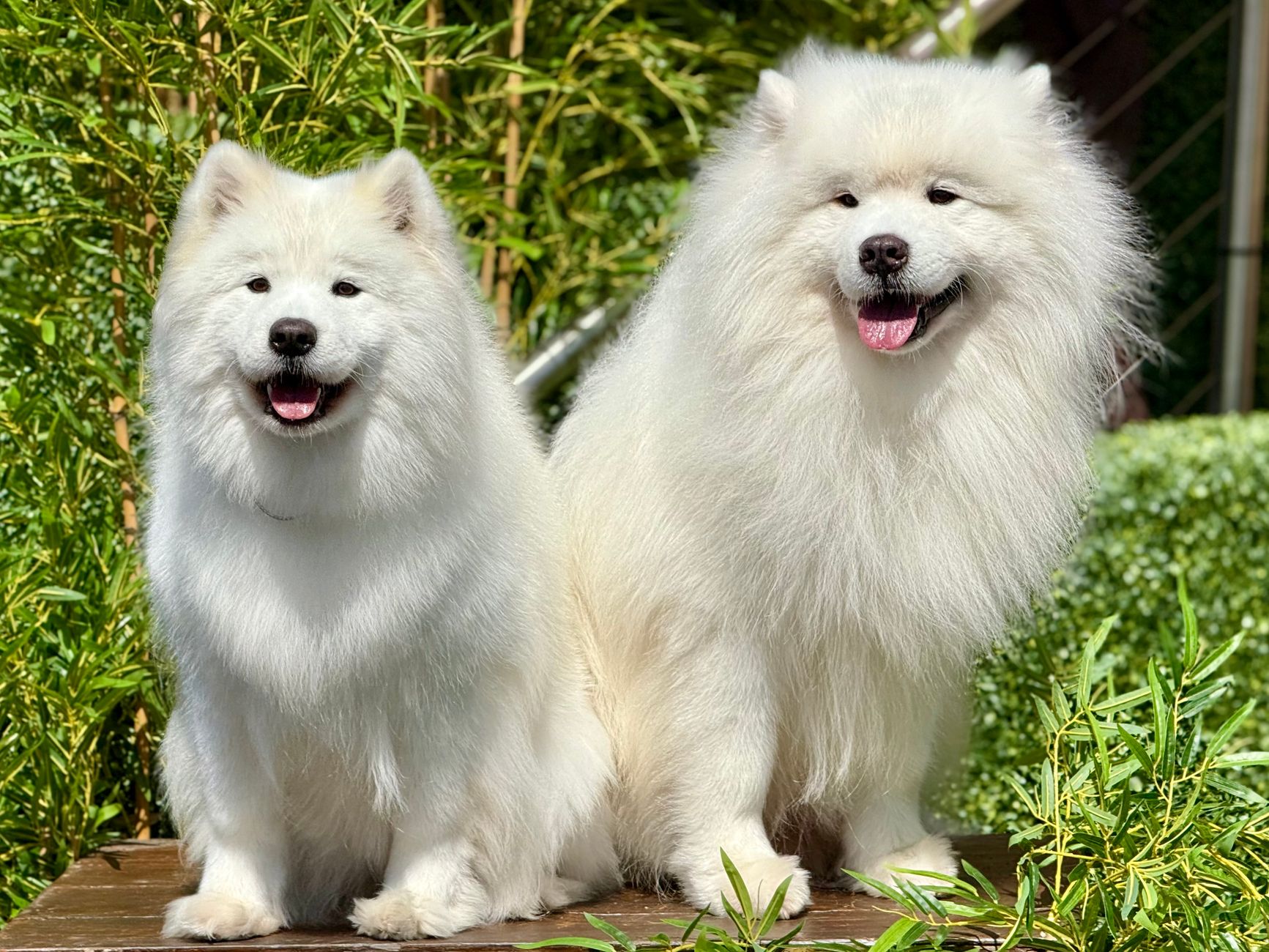
Samoyed
Alaskan Malamute FAQs
How do Alaskan Malamutes handle hot weather?
Malamutes are highly susceptible to heatstroke due to their dense double coats. In hot summer months, they must be kept indoors in air conditioning, exercised only during the cool early morning or late evening hours, and always provided with ice-cold water and shade.
Are Alaskan Malamutes good guard dogs?
No, they make terrible guard dogs. Despite their imposing, wolf-like size, they are intensely fond of humans and are far more likely to welcome an intruder with a wagging tail and request a belly rub than defend the property.
Do Alaskan Malamutes bark a lot?
Malamutes rarely bark in the traditional sense. Instead, they are famous for ‘talking’ using a delightful range of ‘woo-woo’ sounds, sighs, grunts, and occasionally long, soulful, wolf-like howls when they hear sirens or feel lonely.
How much exercise does an Alaskan Malamute need daily?
They require at least 1.5 to 2 hours of vigorous exercise every single day. This should go beyond a simple neighborhood walk; they thrive on strenuous activities like hiking with a pack, jogging, or pulling carts and sleds.
Can an Alaskan Malamute live in an apartment?
I generally advise against it. While they are quiet inside when well-exercised, their massive size, heavy shedding, and intense need for physical activity and outdoor space make apartment living highly impractical and stressful for both dog and owner.
Do Malamutes dig a lot?
Yes, digging is a deeply ingrained breed instinct inherited from their ancestors who dug snow caves to stay warm. If left in a yard, they will rapidly excavate massive craters; I recommend providing a designated, sand-filled digging pit where they are allowed to dig freely.
What is the difference between a Malamute and a Siberian Husky?
Malamutes are much larger, heavier, and built for slow, heavy freight hauling, whereas Huskies are smaller, lighter, and built for fast, long-distance racing. Malamutes always have brown eyes and ears set wide apart, whereas Huskies can have blue eyes and ears set high and close together.
How high of a fence do I need for an Alaskan Malamute?
You need a secure fence that is at least 6 feet high. Malamutes are notorious escape artists who can easily jump low fences, and because they are excellent diggers, the fencing should ideally be buried at least a foot into the ground or reinforced at the base.
Are Alaskan Malamutes prone to separation anxiety?
Yes, they are highly pack-oriented and thrive on human presence. If left alone for long periods on a regular basis, they easily develop severe separation anxiety, resulting in high-pitched howling and destructive chewing of doors, walls, and furniture.
Do I need to shave my Malamute in the summer?
Never shave a Malamute. Their double coat acts as natural insulation against both heat and cold, and shaving them ruins their coat texture, exposes their sensitive skin to severe sunburn, and actually makes it harder for them to regulate their body temperature.
How do you stop a Malamute from pulling on the leash?
Because they were literally bred to pull heavy loads, leash walking takes immense training. You must use a front-clip harness, practice ‘red light, green light’ training (stopping the moment the leash goes taut), and consistently reward them for walking by your side with high-value treats.
Are Malamutes aggressive toward other dogs?
They can be. Malamutes often exhibit same-sex dog aggression and can be highly selective about their canine companions. Early, positive socialization with a wide variety of dogs is essential to prevent dog-directed aggression as they mature.
At what age is an Alaskan Malamute fully grown?
While they reach their adult height by 12 to 15 months, Malamutes are a slow-maturing breed. They do not fully fill out physically, develop their adult chest breadth, or reach emotional maturity until they are 2 to 3 years old.
Do Alaskan Malamutes like to swim?
Some do, but many are hesitant to swim because their thick, heavy double coats absorb massive amounts of water, making them feel heavy and waterlogged. If they do swim, you must dry them thoroughly to the skin to avoid hot spots.